Why Tamales Belong on the Christmas Table
Long associated with family gatherings and shared labor, tamales continue to anchor Christmas celebrations across cultures.
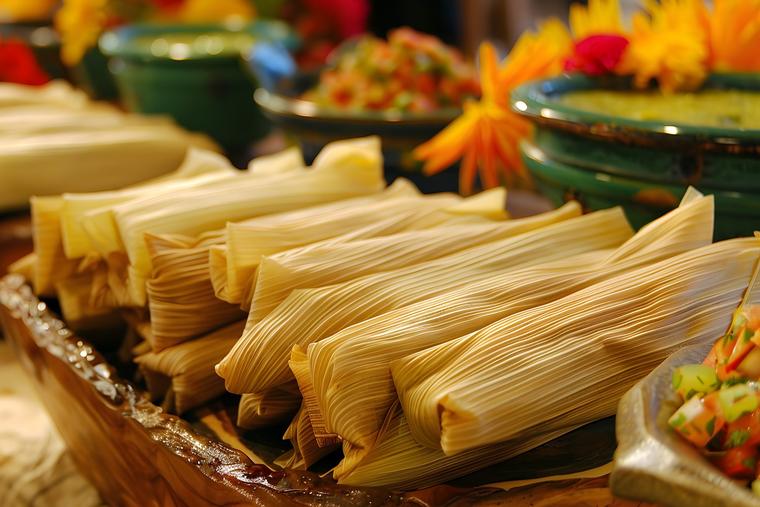
Celebrating the Christmas season should be filled with good cheer, family gatherings, special events and, of course, a memorable holiday dinner. Forget serving roast turkey, glazed ham or prime rib of beef. Instead, introduce family and friends to a Latino Christmas dish that dates back thousands of years.
And what can that be? Tamales!
According to historians, ancient civilizations of the Mayans, Aztecs, Incas, Toltecs and Olmecs created these corn-based treats as early as 8,000 to 5,000 B.C. Over the centuries, tamales have become a cherished part of Latino culture. In Mexico, in particular, the tamale is both a culinary staple and a cultural symbol, woven into the country’s history and celebrations. Historians have noted that the tamale links “the sacred to the ordinary,” playing a role in major feasts and family traditions, according to the Mexican family-owned tamale company Los Tamalitos de Balbuena.
Traditionally, Latino families — and many Catholic families — prepare and share tamales during Christmas celebrations. The dish reflects the communal nature of the season, bringing families gather together not only for Christmas Day but also the Feast of Our Lady of Guadalupe, the Day of the Dead, Mexico’s Independence Day and Día de la Candelaria, celebrated Feb. 2.
Making tamales may sound simple, but the process is time-consuming and often becomes a group effort. A tamale begins with corn dough, or masa, soaked in lime juice and water, then filled with the cook’s choice of ingredients. Popular fillings include pork, chicken, green chiles, cheese, slivered carrots and potatoes, as well as sweet options such as pineapple, raisins and nuts. The steps — spreading the masa, adding fillings, folding the corn husks, tying them closed and steaming — require patience and hard work. The Mexican government has noted that more than 500 tamale recipes are enjoyed throughout the country.
Today, tamales are widely available across the United States, with many Latino restaurants offering multiple varieties year-round. As of September 2025, there were nearly 110,000 Mexican restaurants nationwide, with Texas home to more than 11,000. For those craving tamales without the time, energy or ingredients for preparing them at home, dining out — or picking them up to enjoy later — has never been easier.
- Keywords:
- christmas
- latino catholics
- cooking
- food