Villanova’s Moment: The Catholic College That ‘Won’ the NBA Championship
Having an alumnus become Pope was PR money can’t buy. Now a trio of former Wildcat stars have won the NBA title for the Knicks, putting Villanova in the spotlight yet again.
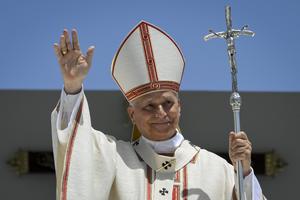
Having one of its alumni elected Pope was the kind of visibility no university could plan for.
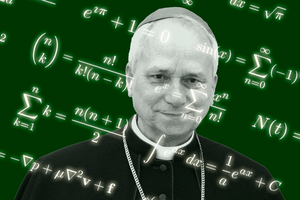
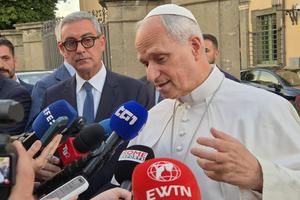
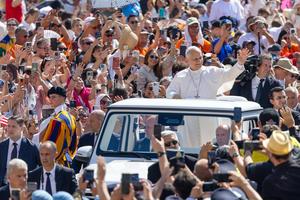
When Pope Leo XIV, a Villanova graduate and Augustinian friar, was elected in May 2025, the university found itself at the center of global headlines. Villanova recorded roughly 1.1 million unique website visitors on the day of his election, compared to a typical baseline of about 65,000, according to university communications data.
The surge extended well beyond web traffic. The Augustinian institution later reported 28,515 applications for the incoming Fall 2026 class — a 10% increase from the previous year and the largest applicant pool in its history at the time. University leaders internally dubbed the phenomenon the “Pope Leo effect.”
Just over a year later, Villanova found itself back in the spotlight for a very different reason.
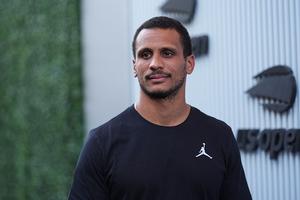
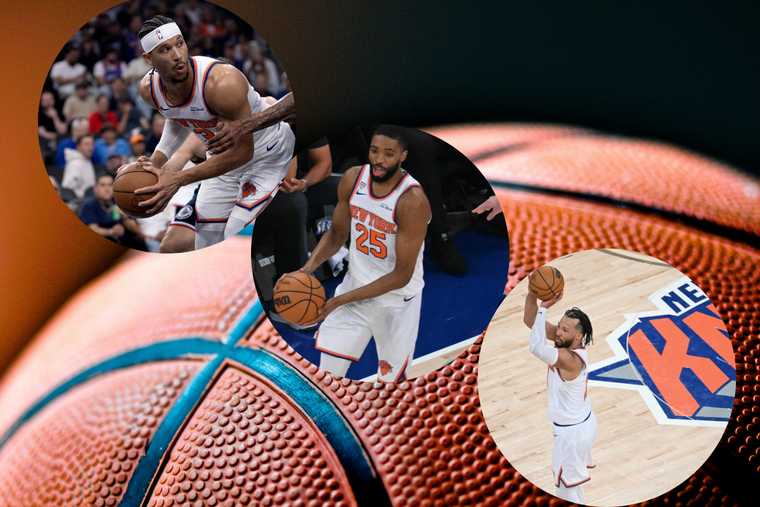
The New York Knicks won the NBA championship on June 13 — the franchise’s first title in more than 50 years — and three of the team’s key contributors shared a Villanova connection. Jalen Brunson, Josh Hart and Mikal Bridges were teammates on Villanova’s 2016 NCAA national championship team, while Brunson and Bridges also helped lead the Wildcats to another national title in 2018 under former head coach Jay Wright.
The trio achieved something unprecedented: three college teammates who won a national championship together, reunited on the same NBA team to win a professional championship years later.
For Villanova, the moment was more than a statistical anomaly. Alumni, university leaders and chaplains described it not as coincidence but as the culmination of relationships and shared values cultivated over decades.
Taken together, the election of Pope Leo and the Knicks’ championship run have turned Villanova — a Catholic university in suburban Philadelphia with a relatively small undergraduate enrollment — into a name circulating far beyond its campus boundaries, from NBA arenas to global headlines.
A Unique Visibility
For Villanova president Augustinian Father Peter Donohue, the significance of the moment lies not simply in the attention the university has received, but in what it does with it.
“You can’t pay for that kind of visibility,” he told the Register, referring to both the election of Pope Leo and the Knicks’ championship run. But he emphasized that visibility alone is not the measure that matters.
“What this has done is really helped amplify Villanova’s story and our Catholic Augustinian mission for a national and worldwide audience,” he said.
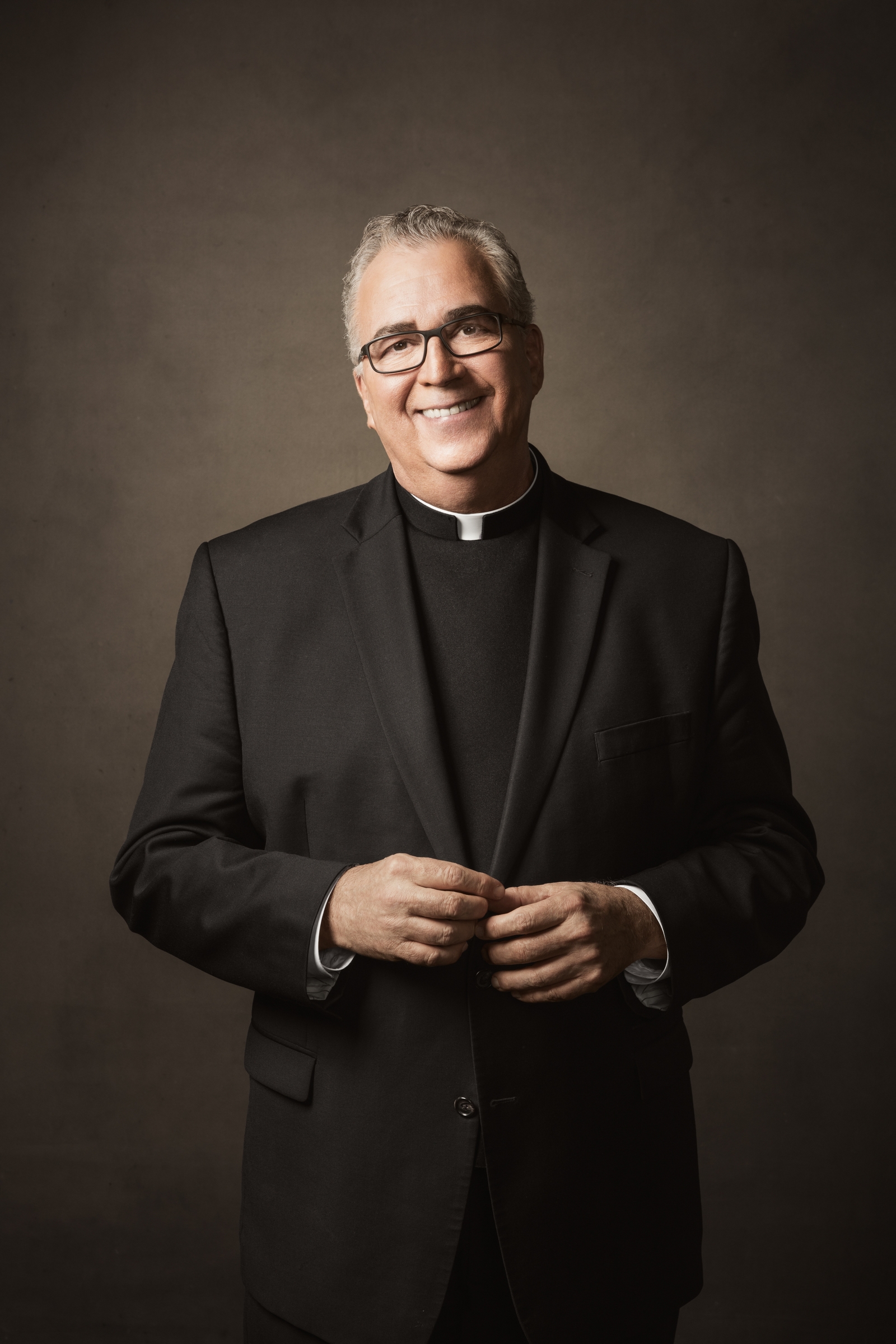
The attention has been significant, Father Donohue added, but inherently temporary, unless it translates into something deeper.
“With that gift comes responsibility,” he said. “We can’t solely rely on three basketball players or a pope. We have to live the values that define us.”
He said those values — veritas, unitas, caritas (truth, unity, love) — are rooted in the school’s Augustinian tradition and are meant to outlast any single moment of public attention.
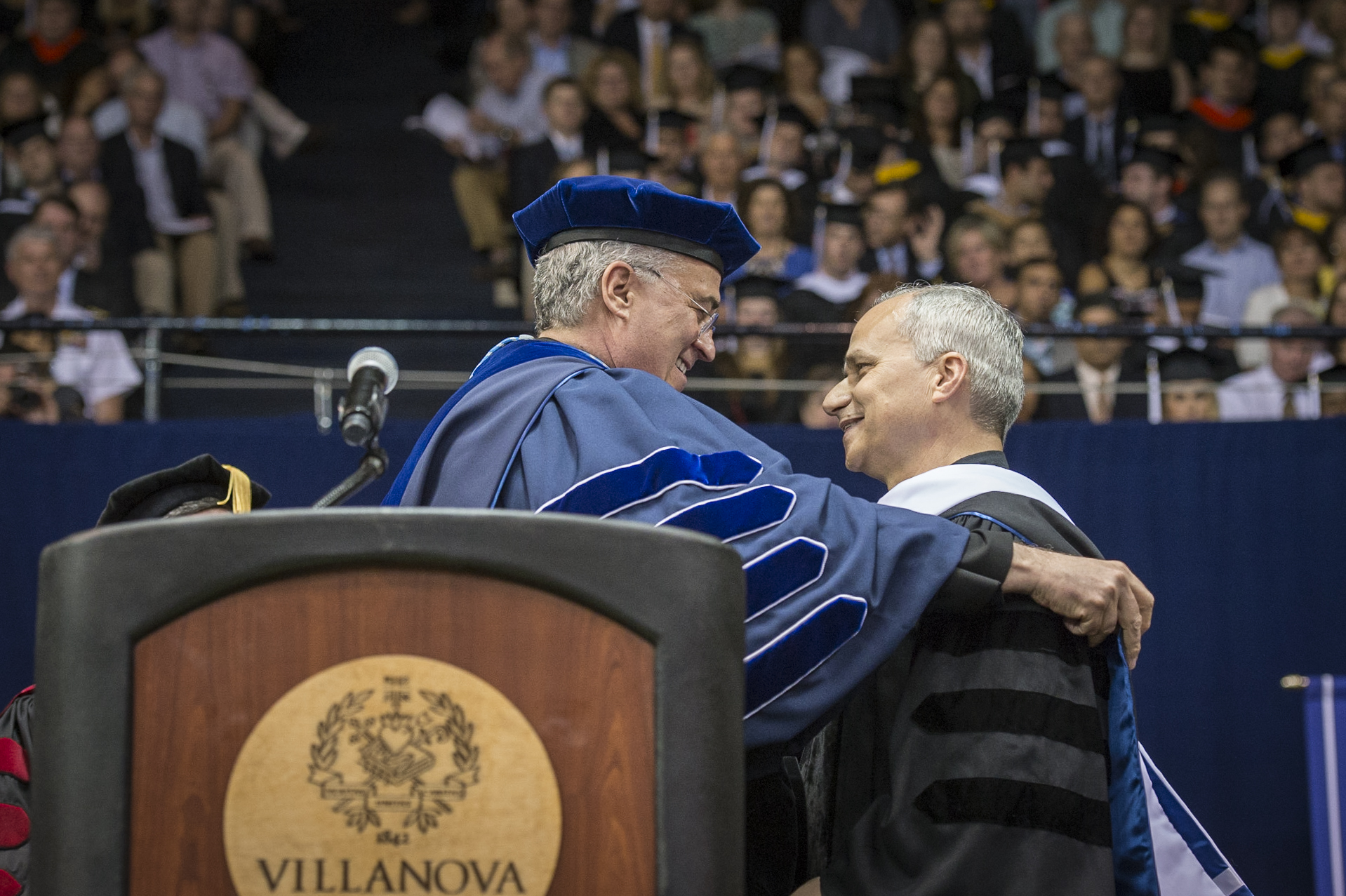
“It has been such a special, incredible year for Villanova,” he said. “It has created profound pride on our campus and among alumni worldwide.”
Jonathan Gust, the university’s assistant vice president of communication, said the visibility surrounding both the Knicks’ championship run and the papal election placed Villanova at the center of two stories that captured worldwide attention.
Game 5 of the NBA Finals alone drew nearly 25 million viewers, he said, with Villanova repeatedly referenced in broadcast coverage.
“Having three players on the same championship team is extremely rare,” Gust said. “It drew a lot of attention to Villanova.”
He pointed to the papal election as an even more dramatic inflection point.
In the week following Pope Leo’s election, Villanova was mentioned in nearly 50,000 news stories worldwide, while digital engagement rose sharply.
“This has helped amplify Villanova’s story and mission to a national and global audience,” Gust said.
‘Played Out on the World Stage’
Within the broader landscape of college athletics, the moment has resonated beyond Villanova itself.
Steve Napolillo, athletic director at Providence College, a fellow Catholic and Big East institution, said basketball functions as one of a university’s most visible public-facing platforms.
“When programs have success, it brings pride, energy and passion for their school,” he said. “It really is the window to the institution nationally.”
He said that visibility often translates into momentum well beyond athletics.
“You want to have success so you can capitalize on that pride,” he said. “It brings alumni engagement; it brings students; it brings attention to what you’re doing academically.”
But he also acknowledged Villanova’s position within that ecosystem more bluntly.
“I’m jealous,” he said. “I wish it was Providence College, but I give Villanova full props. It’s a great thing for them.”
Still, he emphasized that the effect is broader than one school.
“When one Big East school succeeds, the whole conference receives positive attention,” he noted. “Villanova has shown us what is possible when a successful program elevates the whole brand of an institution.”
For some observers, what distinguishes the Knicks’ Villanova core is not just winning, but how they won. The players themselves have repeatedly pointed to a culture and brotherhood formed during their years at Villanova.
Earlier in the postseason, after helping the Knicks advance to the NBA Finals, Hart called the experience “surreal.”
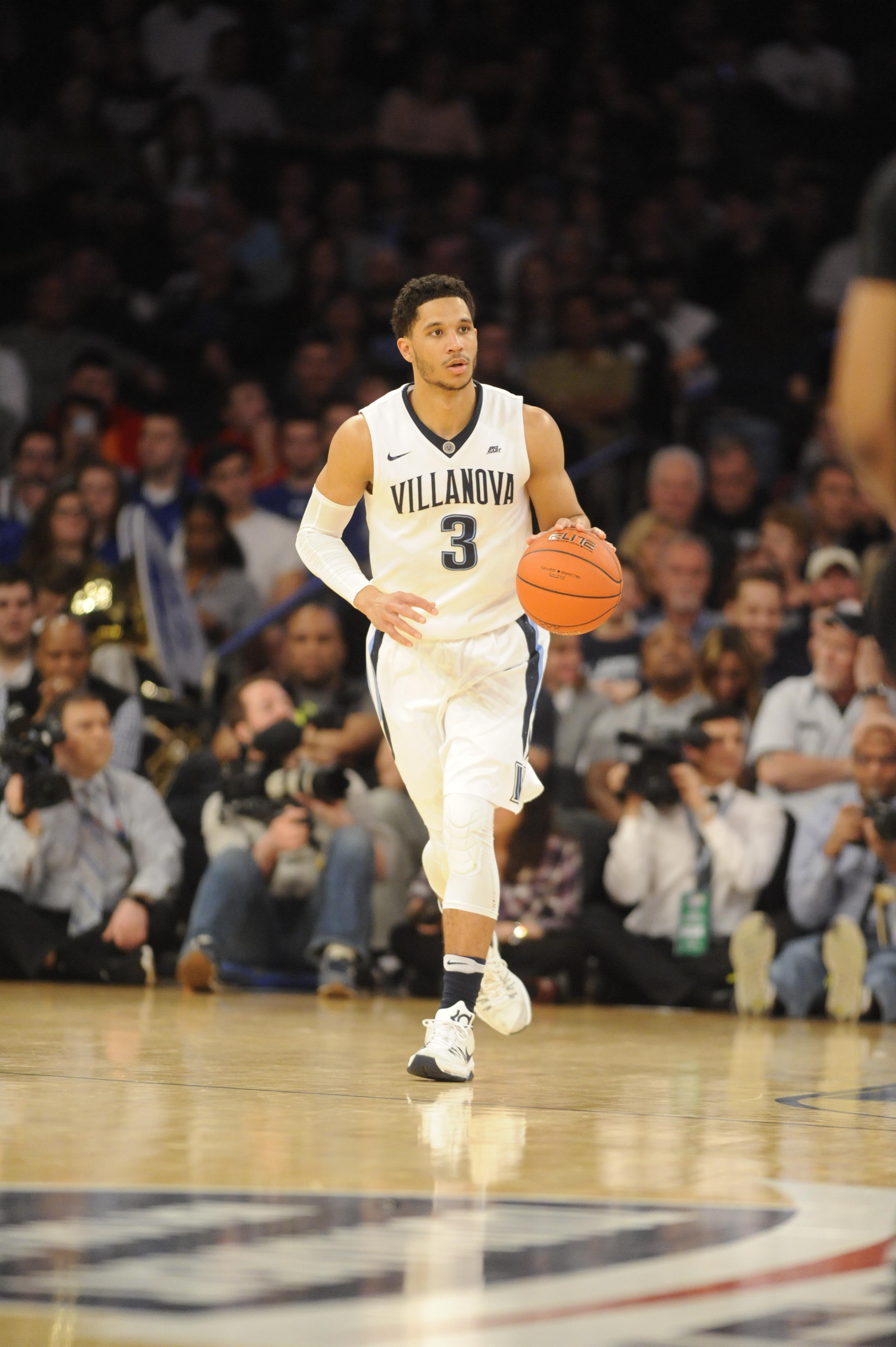
“When you’re in college and you’re in that locker room, you know the goal is the NBA,” he said. “And you know the percent chance that you’re going to be on the same team is very slim, if not none. It’s always something you talk about and dream about, but in reality, it’s almost impossible.”
“So the fact that that actually came to fruition,” he continued, “it’s super cool. I know the time that these guys put in; I know where their hearts are. We already share a bond and a brotherhood for life. This is just another step there.”
Augustinian Father Robert Hagan, chaplain of Villanova men’s basketball, said the group challenges familiar assumptions about professional basketball culture.
“The NBA sometimes can get a bad rap where … you can get a team full of stars and prima donnas,” he said in an interview with EWTN News In Depth. “What you had in those three and, ultimately, the whole team of the Knicks, were people … willing to sacrifice pieces of themselves for a greater good.”
Moments after winning the championship, Hart offered another glimpse into the values that remained central to his life.
“First and foremost, glory to God,” Hart said during the trophy presentation. “He’s why we’re here. He’s why we played.”
Reflecting on Hart’s witness of faith, Father Hagan also praised Brunson’s intellectual drive, noting that he completed his degree in three years while balancing athletics. Bridges, he added, consistently places team success above personal recognition.
That mentality has surfaced repeatedly throughout the Knicks’ playoff run. Following a Game 3 victory against Cleveland — a series New York would eventually sweep in four games — Bridges was asked to compare this year’s Knicks team to the championship teams he played on at Villanova.
“I just think taking possession by possession and having that 0-0 mentality and playing desperate,” Bridges said. “I think that’s kind of what we brought from Villanova.”
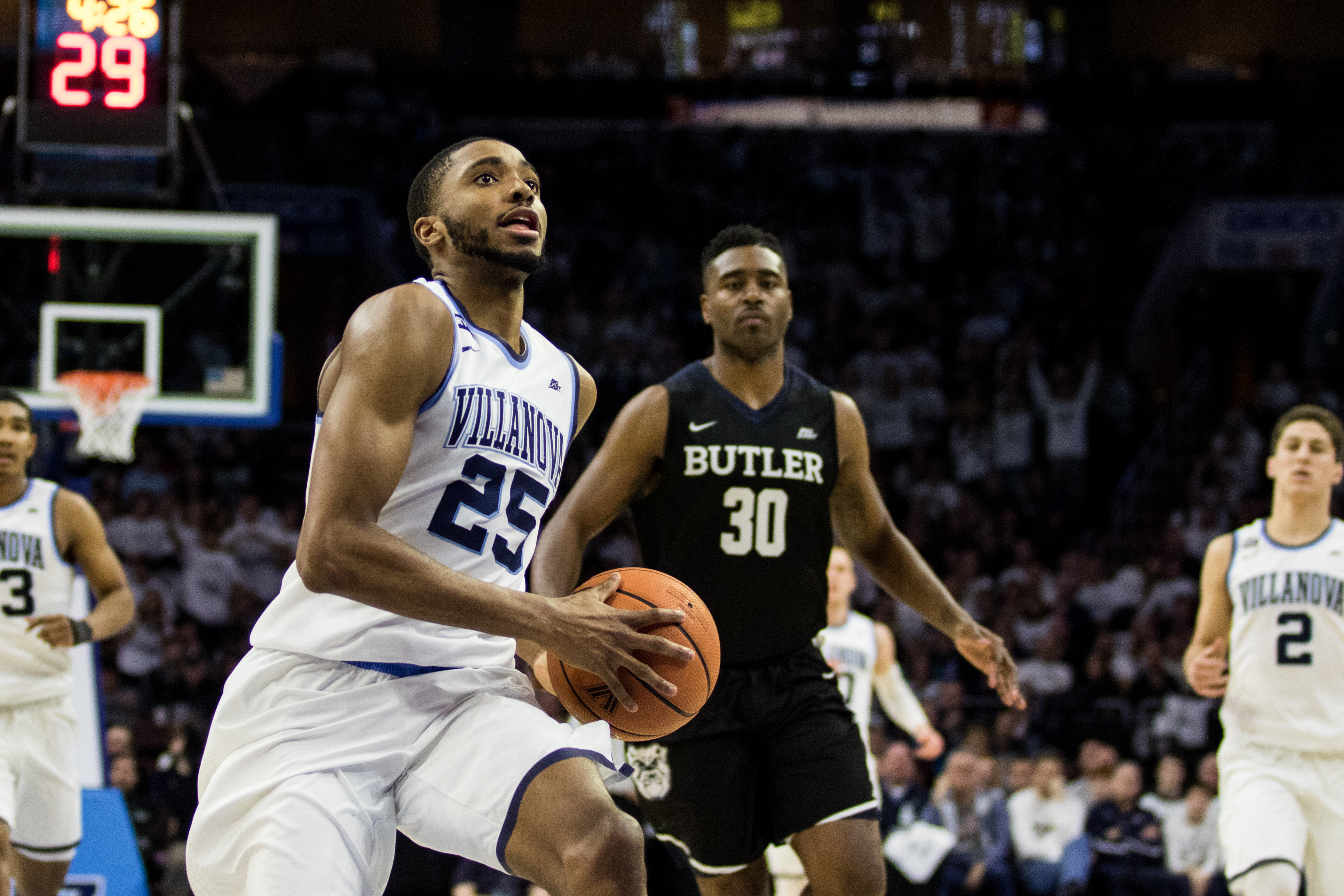
The Villanova program under Wright became known for emphasizing selflessness, where players were expected to embrace defined roles, prioritize the group over personal statistics and remain grounded amid success.
That philosophy was evident in Brunson’s 2024 decision to accept a below-max extension with the Knicks, reportedly sacrificing more than $100 million in potential earnings to support the team’s championship ambitions. This contributed to roster flexibility that helped facilitate the acquisition of key players, including Bridges.
“These young men did not succeed because they were the most talented,” Father Hagan said. “They succeed because they love each other.”
He linked that camaraderie directly to Villanova’s Augustinian value of unity, which he said is now “being played out on the world stage.”
Alumni and a Shared Language
Among alumni, the Knicks’ run and the papal election have become part of a shared cultural phenomenon — something that blends nostalgia, pride and a sense of institutional continuity.
Chris Carey, Class of 1976, said the championship felt less like an NBA milestone and more like an extension of Villanova’s identity.
“It felt like Villanova winning again,” he said. “That’s the Villanova way.”
He added that what distinguishes Villanova is not just athletic success, but consistency of values across generations.
“They stick to their values and everything else emanates from that,” he said. “Players like Jalen Brunson represent the school and community so well.”
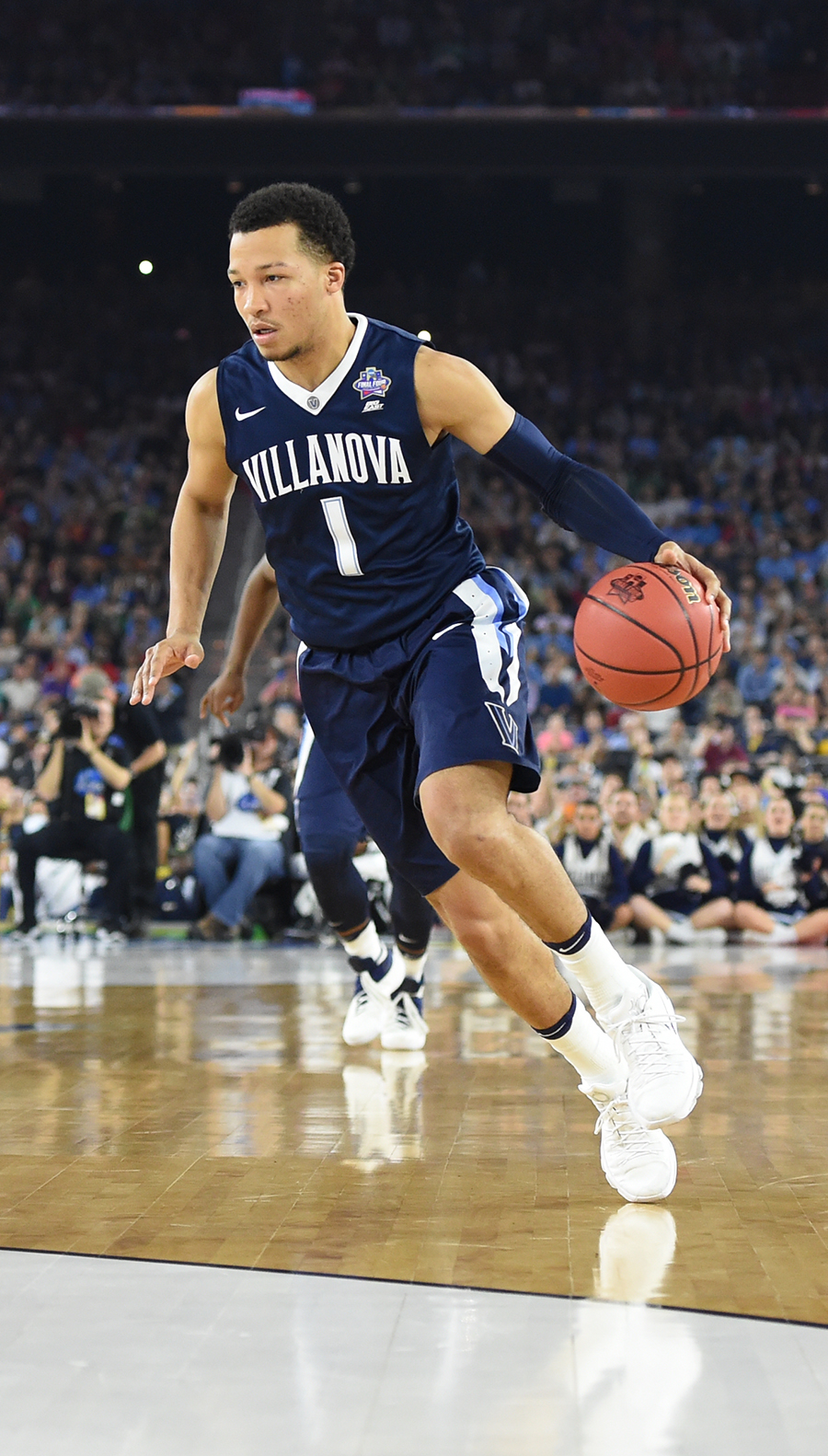
The current moment, he added, represents a special pride for alumni watching from afar. “What a time to be a Villanova fan,” he said. “We’re all so proud of the ‘Nova Knicks.’ They’re not just basketball players; they’re good people.”
Mike Petraglia, a Cincinnati-based sports journalist known as “Trags” and a Class of 1988 alumnus, said the Knicks’ title run carried a personal resonance rooted in his deep love for Villanova basketball.
A lifelong Philadelphia 76ers fan, he said he found himself rooting comfortably for the Knicks once Villanova players became central to their success — even in matchups against his favorite team.
“I knew deep in my heart the Sixers were not going to beat the Knicks in the Eastern Conference [Semifinals],” he said. “The Knicks were the better team, and I was okay with that, given the ‘Nova Knick’ connection.”
For Petraglia, that link shaped what he described as “the perfect capper” to the Knicks’ entire playoff run. “I think it came from the culture that Villanova fosters,” he added. “Jay Wright was able to instill that throughout his program.”
He said what stands out is not just shared experience at the college level, but something that carries forward into the professional game. “That bond went way back,” he said. “And that is something you don’t normally find in the NBA.”
For Tina Ryan, Class of 1988, the appeal of the Knicks began when Villanova players started populating the roster. “It was 100% because of the Villanova connection,” she said.
What started as casual viewing eventually became part of her household rhythm.
Her eldest daughter graduated from Villanova in 2024, after applying during a period when the university’s profile was already rising sharply following the 2016 and 2018 national championships.
Admissions data reflect that broader trajectory. Acceptance rates fell from roughly 48% prior to the 2016 title to 27.7% by 2019, according to The Villanovan, with later rates hovering near the low 20s before shifting again for the Class of 2030.
Ryan’s youngest daughter is set to attend Villanova in the fall as part of the Class of 2030, which was admitted with an acceptance rate of roughly 29.6%.
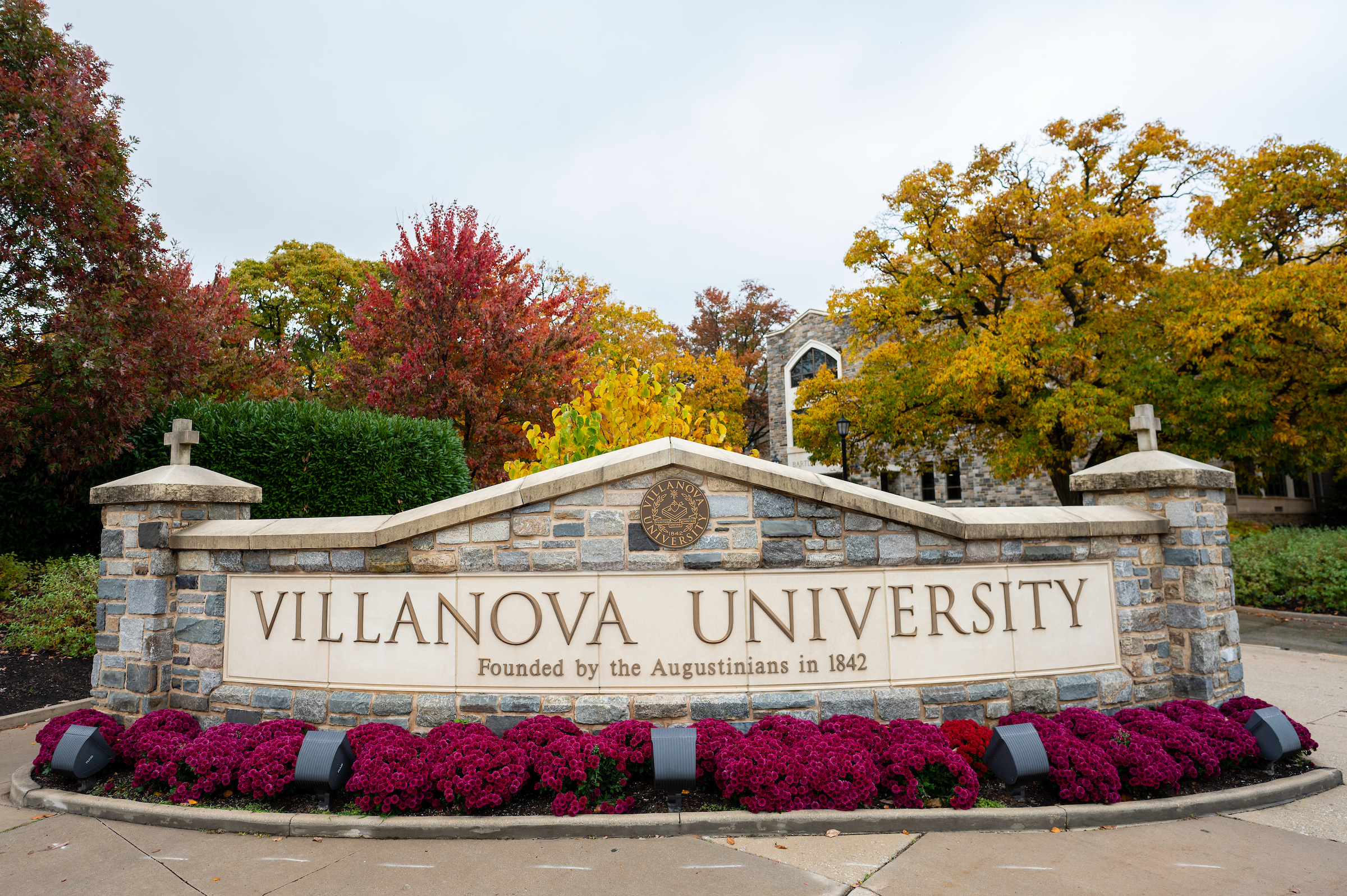
“Everybody started making the connection,” she said. “Then with the Pope, the interest went through the roof.”
During the recent Knicks playoff run, Ryan recalled a moment at a local New York pub during a Knicks-Cavaliers game that underscored how fully Villanova had become embedded in Knicks fandom. As she arrived, the owner asked if she was there for “the Nova game” — not the Knicks.
“It just became part of how people talked about it,” she said.
What Comes Next?
Following the Knicks’ championship, Jay Wright told the Villanova Newsroom that the program’s impact is most evident in what his former players have carried forward beyond college.
“We always would tell our guys, when you’re here at Villanova, learn to be ‘all in,’” he said. “Be 100% a Villanova Basketball player and member of our community. When you leave, take whatever you want with you and add your own personal touch. But first learn what it is to be a Villanova Basketball player.”
“I’m very impressed with how they all have taken our foundation and created their unique versions of themselves,” he continued. “We’re all entertained by it, and we’re proud of them.”
For Villanova’s leadership, the convergence of that athletic success and global religious visibility with Pope Leo’s election has created a question of durability.
Father Donohue said the university is aware that moments of heightened attention do not sustain themselves. “Are we going to just let this attention be a splash,” he asked, “or are we going to turn this into something far more reaching and lasting?”
The deeper measure, he added, is whether it translates into sustained engagement with the institution and its mission. “It’s going to be measured in the people that we bring here and the people that commit themselves to our Augustinian way,” he said.
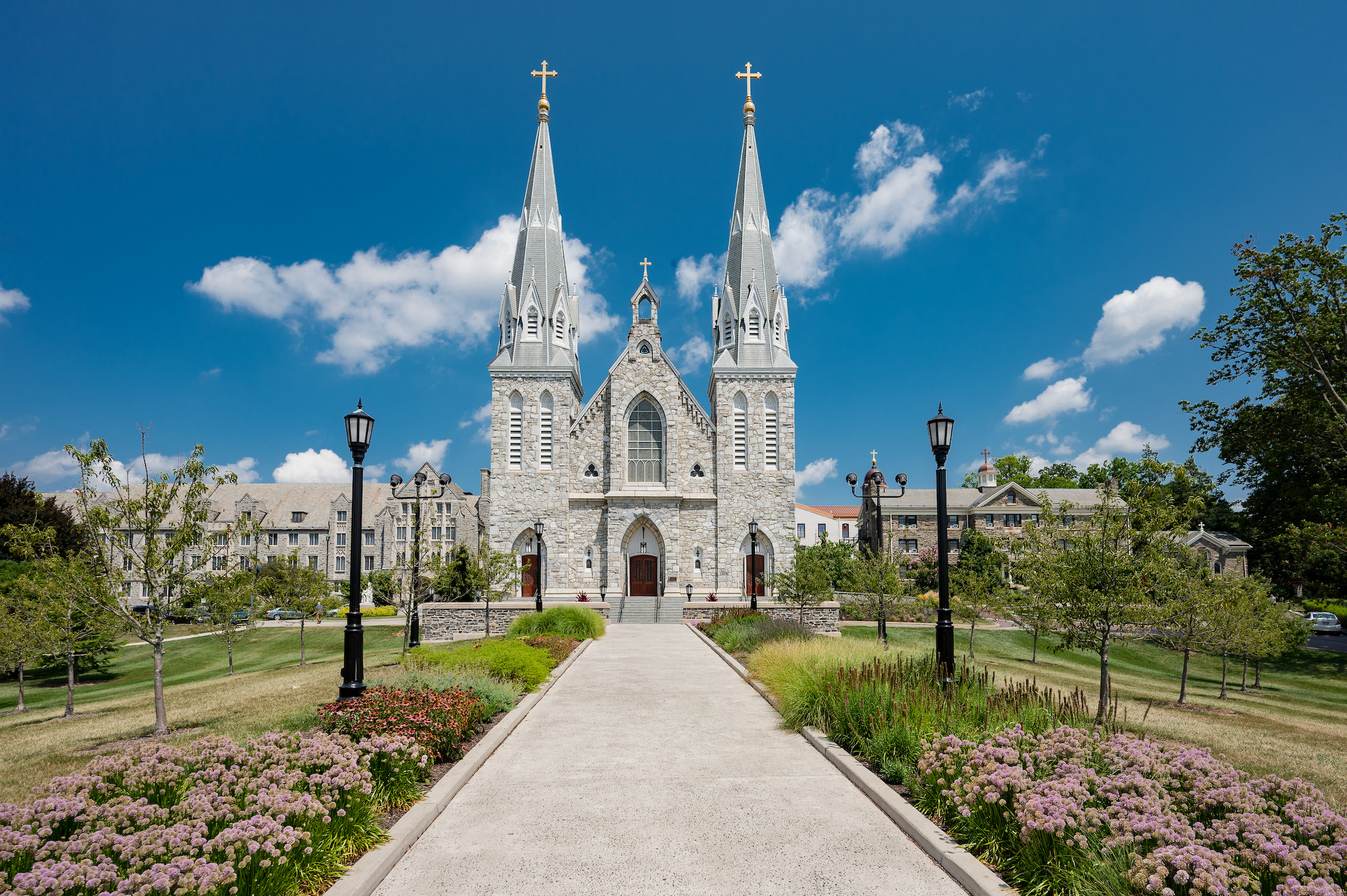
For Villanova, that dynamic now exists beneath an unusually bright spotlight — one built not through a single campaign or initiative, but through intersecting moments in sports, faith and alumni identity that happened to converge within a short span of time.
“We can’t rely on our laurels,” Father Donohue said. “We have to continue living out the values we learned, the people we became and the people that we are continuing to become in making the world a better place.”