600 Years Since a Divine Call: France Marks St. Michael’s Apparitions to Young St. Joan of Arc
Pilgrims from all over France and beyond gathered in Maid of Orléans’ hometown to celebrate this landmark anniversary, demonstrating the enduring power of her legacy of faith and fellowship.
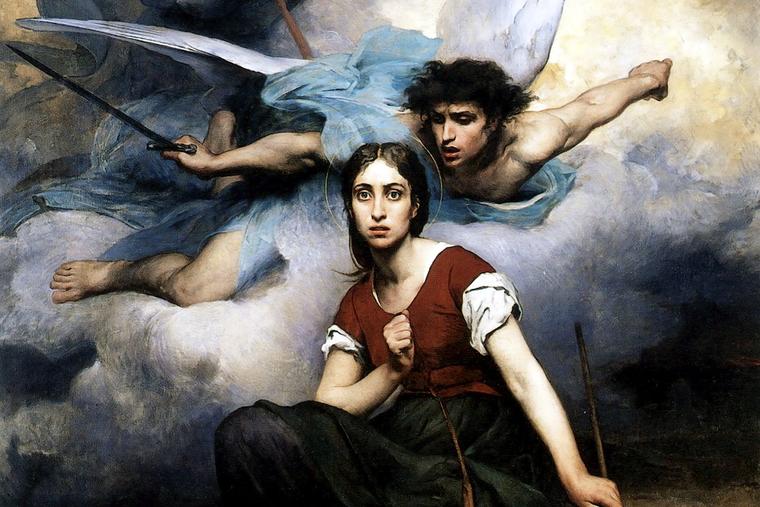
DOMRÉMY-LA-PUCELLE, France — Six centuries ago, in the summer of 1425, St. Michael the Archangel descended upon the quiet French village of Domrémy, appearing to a young peasant girl named Joan of Arc.
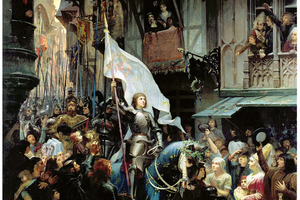
She was only 12 or 13 years old, in her father’s garden, when she first saw him. With him were angels of paradise, St. Catherine and St. Margaret, calling her to be a “good and holy girl,” to respect “God’s will,” and to seek the salvation of her soul. Introducing himself as “Michael, protector of France,” he entrusted Joan with a mission that would transcend her age and rank. These apparitions, repeated during the Hundred Years’ War, gave her courage and even inspired the design of her banner — bearing the names of Jesus and Mary — under which she fought, leading her to lift the siege of Orléans and accompany King Charles VII to his coronation at Reims in 1429.
To commemorate this decisive anniversary, the Universal Association of the Friends of Joan of Arc organized the two-day “Pilgrimage of Hope,” Sept. 27-28. The initiative gathered nearly 2,000 faithful in the Lorraine region of northeastern France for a weekend of prayer, music and celebrations — all marked by the wider context of the 2025 Jubilee Year of the Catholic Church, themed “Pilgrims of Hope,” and by a special call to pray for France and the Universal Church.
“The 600th anniversary was a providential moment we could not allow to pass in silence,” Aymeric de Maleissye, president of the organizing association, told the Register. “We wanted to make Joan of Arc known, loved and honored.”
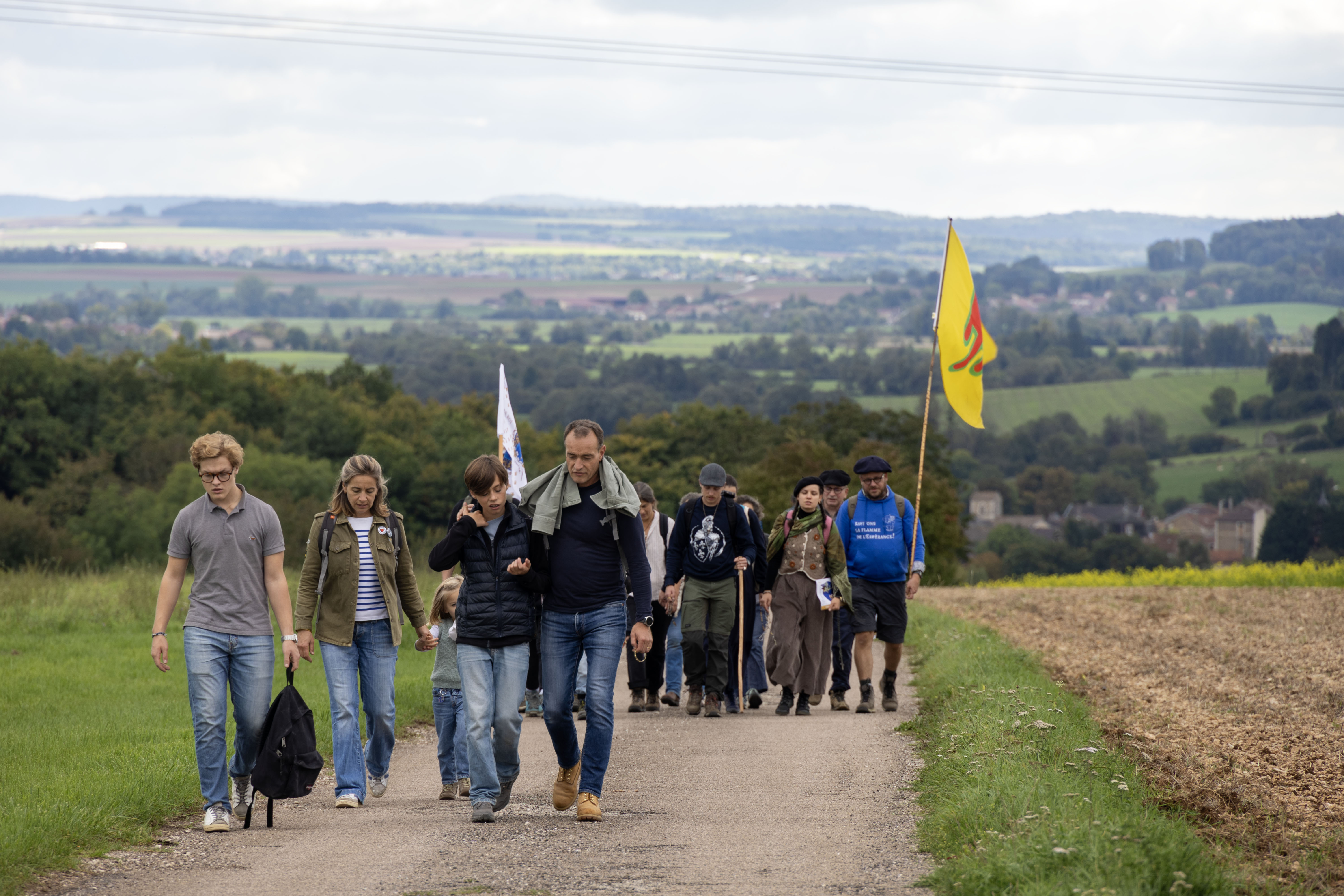
A Pilgrimage-Festival à la Carte
The pilgrimage was intended to combine an original blend of prayer with festivity. “It was a ‘pilgrimage-festival,’ with a route that people were free to organize as they wished, with many activities all around. They could go from one to the other in whichever order they wanted. And this flexibility was very appreciated,” de Maleissye said.
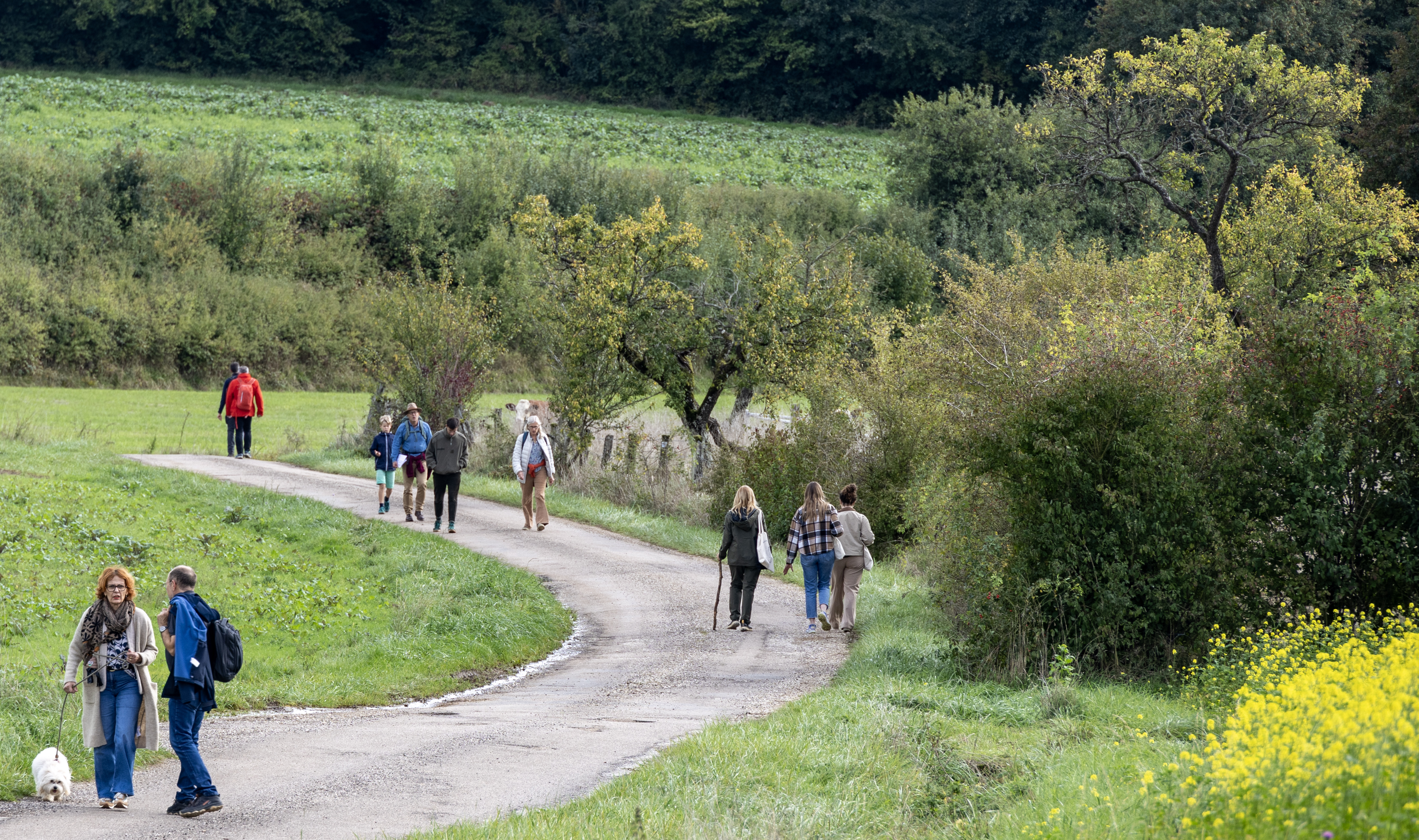
Concerts, a theater performance, times of adoration in St. Joan of Arc Basilica in Domrémy-la-Pucelle, as well as vespers led by Harpa Dei, a German Catholic vocal ensemble made of four siblings and known worldwide for its sacred polyphony and Gregorian chants, gave rhythm to the event.
Clarisse Chabut, a young pilgrim, remembered this performance with emotion:
“Hearing Harpa Dei’s celestial chants in the basilica touched the soul of so many participants. They really led us into prayer, and I was particularly struck by the purity of the sound.”
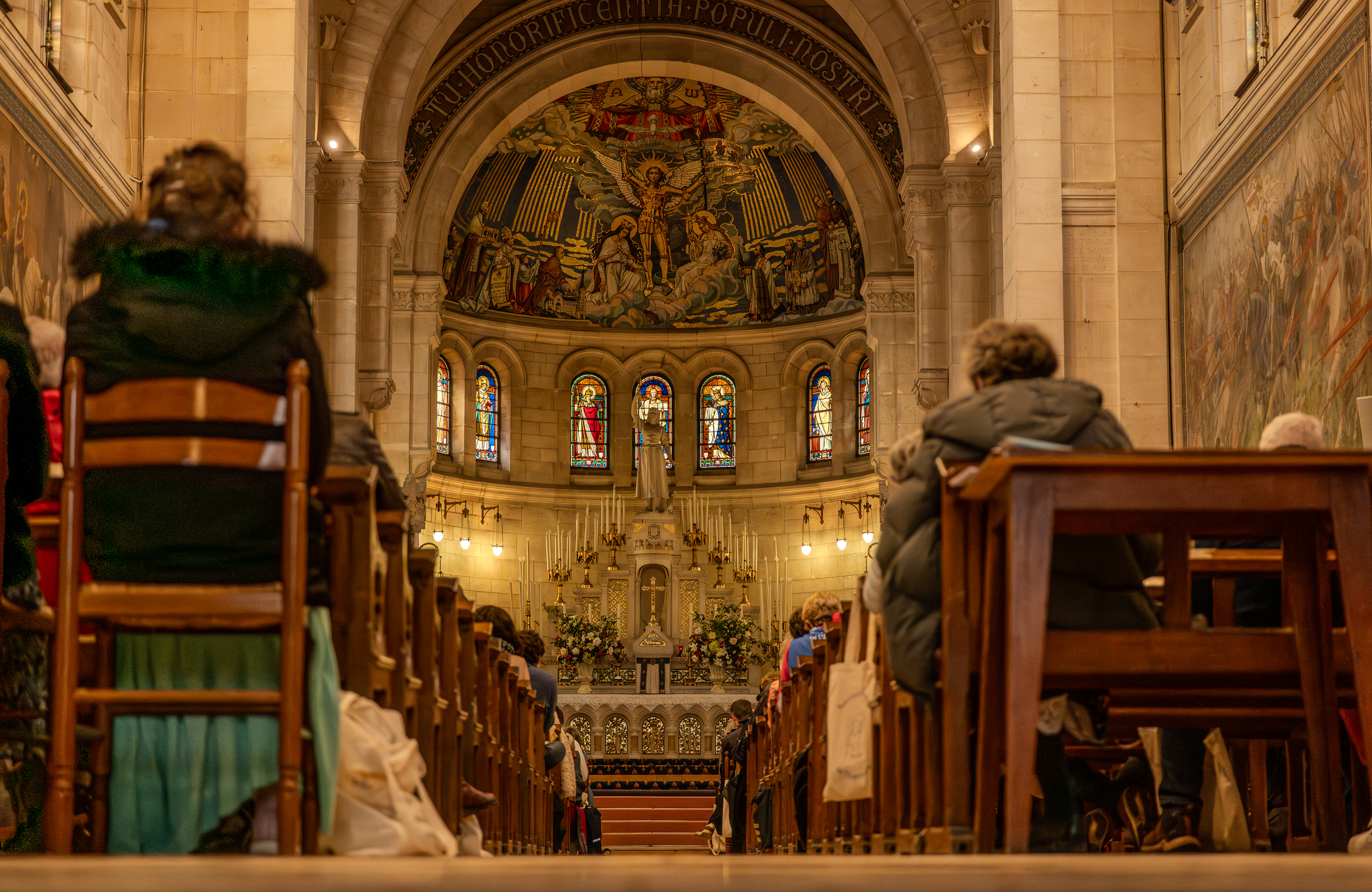
“Living even just 24 hours in Joan’s village, walking where she walked,” she said, “gave me a sense of renewal I had rarely felt before.”
Behind the scenes, the organization of the pilgrimage was itself a testimony of faith and dedication. In Domrémy-la-Pucelle and Greux (Joan’s place of birth), dozens of volunteers worked hand in hand with local authorities, the Order of Malta and parish communities to welcome the crowds. Bishops, priests and religious accompanied the faithful not only in the liturgies but also by sharing the daily rhythm of the pilgrimage, walking alongside the crowds and being present throughout the weekend to make a lasting impression. For two days, these small Lorraine villages became the beating heart of Catholic France.
Communion in Diversity
The highlight of the pilgrimage was the liturgy, above all because both the ordinary and extraordinary forms of the Roman Rite were celebrated side by side, allowing the whole assembly to come together in prayer and worship.
On Saturday evening, a great pontifical Mass in honor of St. Joan of Arc was held outdoors before the basilica, accompanied by solemn chants and a play of light that bathed the sacred edifice in a prayerful atmosphere. De Maleissye said he received feedback calling it “a moment of extraordinary grace.”
On Sunday, a traditional Latin Mass dedicated to St. Michael was celebrated by Father Emmanuel-Marie Lefébure, abbot of the Romanesque Abbey of Lagrasse in southern France. Priests from both forms assisted at each other’s liturgies, distributing Communion and hearing confessions.
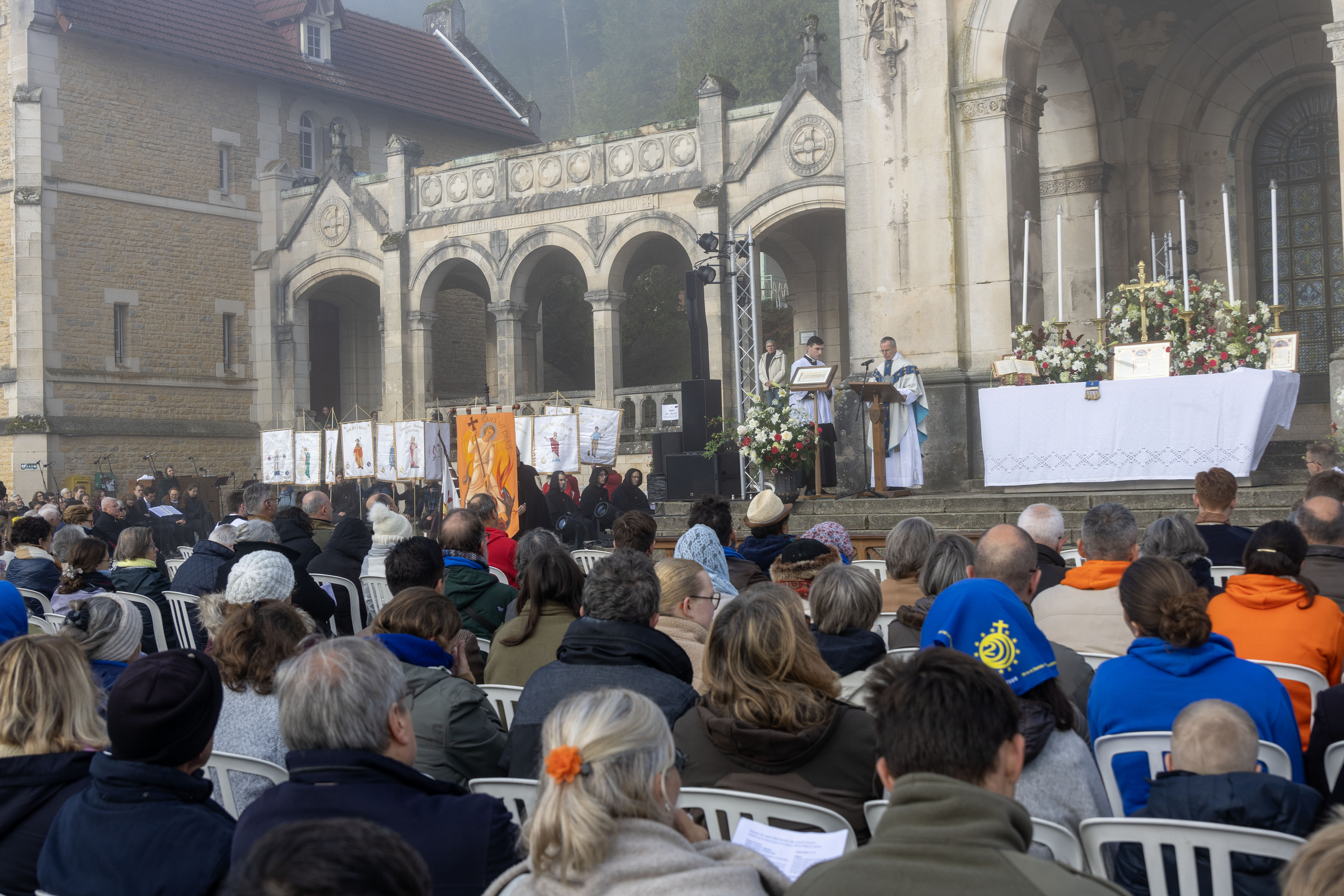
“All the pilgrims deeply appreciated the fact that the two rites could be celebrated together at Domrémy,” de Maleissye said. “It was a real moment of ecclesial unity.”
The Church of France is still marked by the tensions of the 2021 motu proprio Traditionis Custodes, so this peaceful coexistence of the two forms offered a powerful symbol of unity. The atmosphere stood in contrast to the liturgical tensions that arose earlier this year amid the traditional Chartres Pentecost pilgrimage.
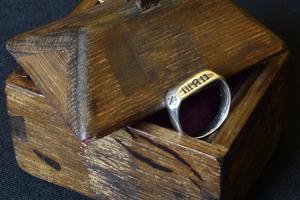
Another core feature was the unprecedented gathering of relics in Domrémy. For the first time in history, Joan of Arc’s ring (on loan from the Puy du Fou theme park) and a letter in her own hand were displayed alongside relics of St. Thérèse of Lisieux. Pilgrims walked to the chapel of Our Lady of Bermont to venerate them.
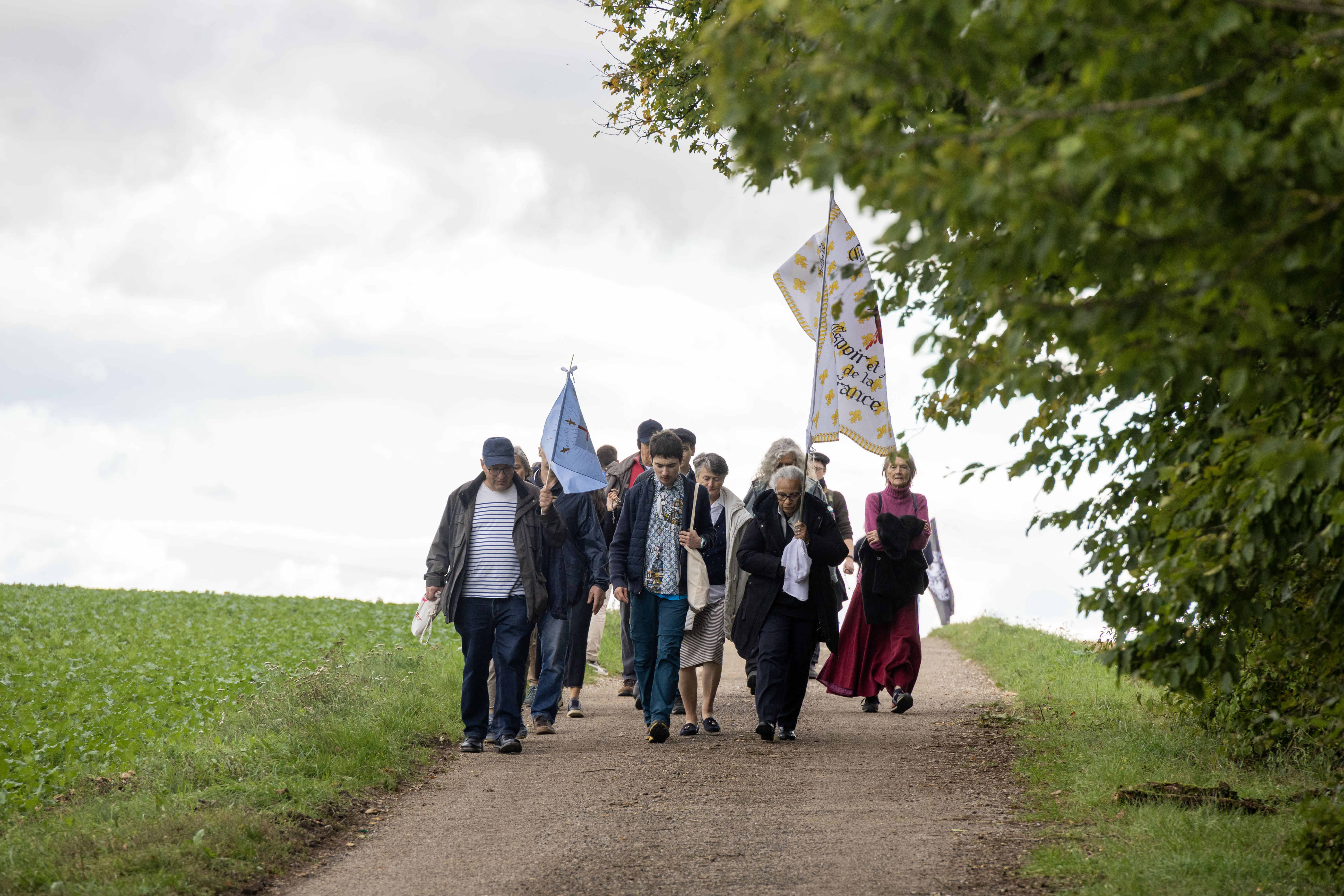
“For the first time, the relics of Joan and Thérèse were brought together. That sight drew an immense crowd and gave pilgrims a tangible sense of France’s spiritual heritage,” de Maleissye said.
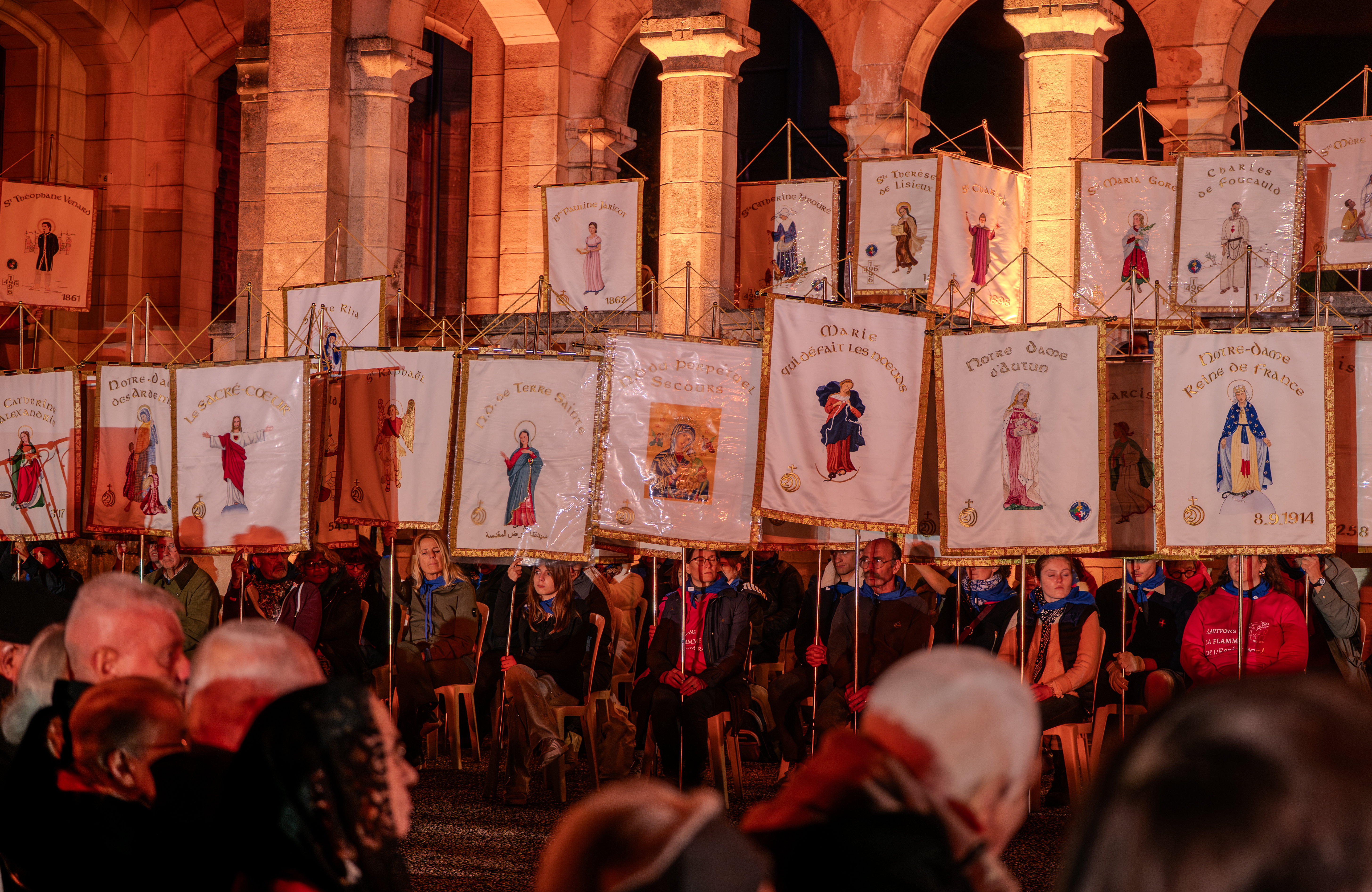
The pilgrimage also included a solemn entrance procession with 80 banners of the saints of France, a vivid reminder that the nation’s faith is sustained by the witness of countless holy men and women.
A Bridge Between the Old and the New World
The pilgrimage, though rooted in France’s history, sought to carry a message beyond its borders. Small groups from abroad joined the celebrations, among them Sri Lankan faithful living in France, a sign that Joan’s witness continues to touch the most diverse communities. “It is rare in history that a divine intervention manifested itself so directly for a country,” de Maleissye reflected, recalling how St. Michael revealed himself as the eternal protector of France. Six hundred years later, that call to hope still speaks not only to France but to the wider Church.
Bishop François Gourdon of the local Diocese of Saint-Dié, recalling in his invitation letter that this anniversary coincides with the wider Jubilee Year proclaimed by Pope Francis, linked Joan’s mission to today’s challenges: “Her testimony remains current: God must indeed be served first, and we are called to be, like her, signs of hope.”
In his homily during the Sept. 27 evening Mass in honor of St. Joan of Arc, Bishop Gourdon reminded pilgrims that they were “seekers of God,” true “signs of hope for our times,” inviting them to consider the Maid of Orléans a “model of faith and hope” of keeping God as one’s reference point.
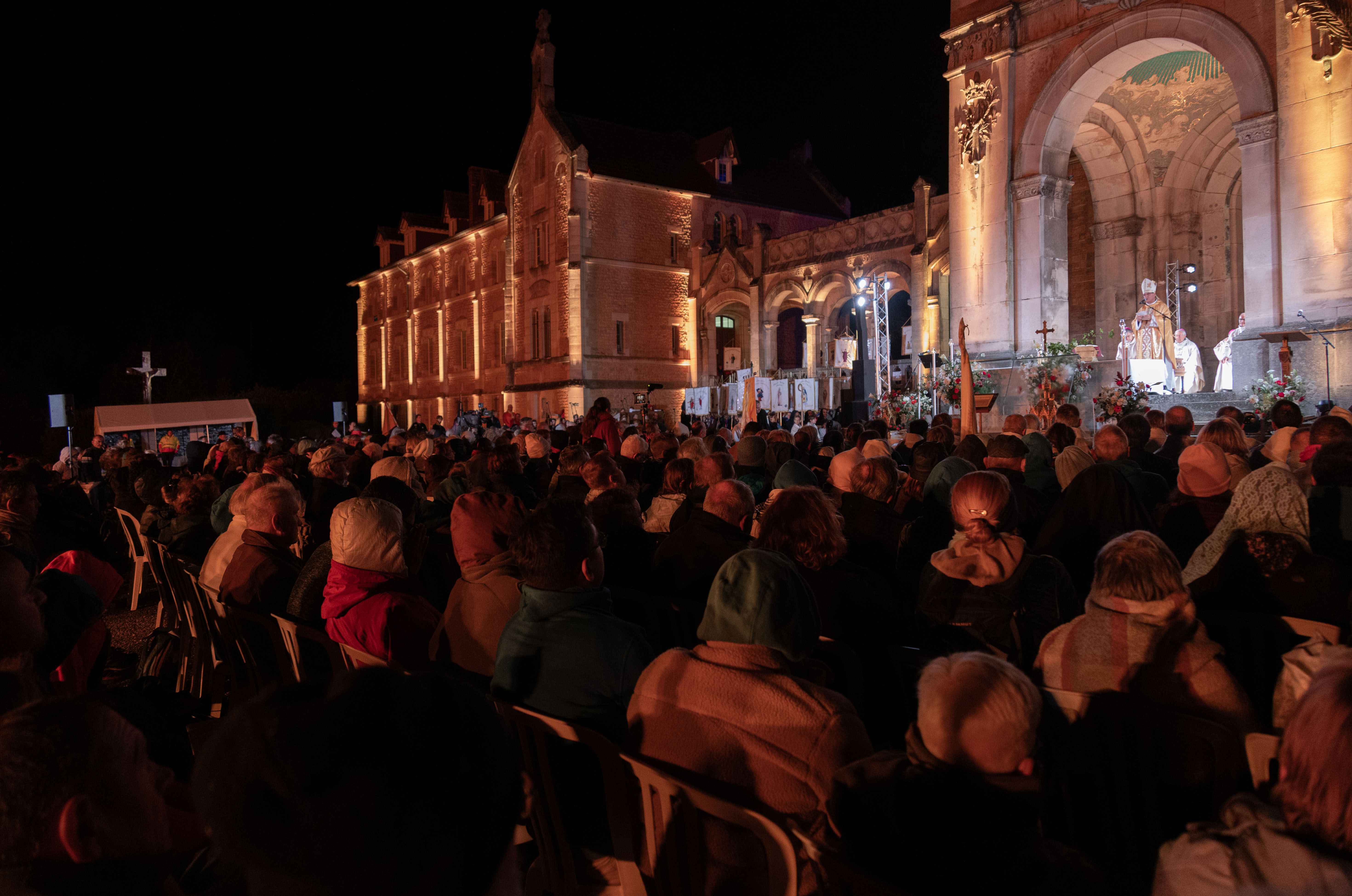
As the celebrations for Joan of Arc unfold through 2031 — the 600th anniversary of her martyrdom — Domrémy is remaining a living sanctuary, open to the whole Christian world.
Joan has long been seen, in fact, as a bridge between the Old and the New World, a figure who inspires believers on all corners of the world with her courage before trials, her power to unite across divisions, and her unwavering fidelity to God’s call.
Six centuries after the archangel first spoke to the young saint in Domrémy, the pilgrimage offered a reminder that Joan’s mission is not a story of the past, but a living and vibrant call that continues to guide new generations of Christians.