Southern Dioceses Confront the Challenges of Rapid Catholic Growth
As Catholic populations surge across the American Southeast, dioceses are racing to expand parishes, cultivate vocations and ensure growth becomes lasting renewal.
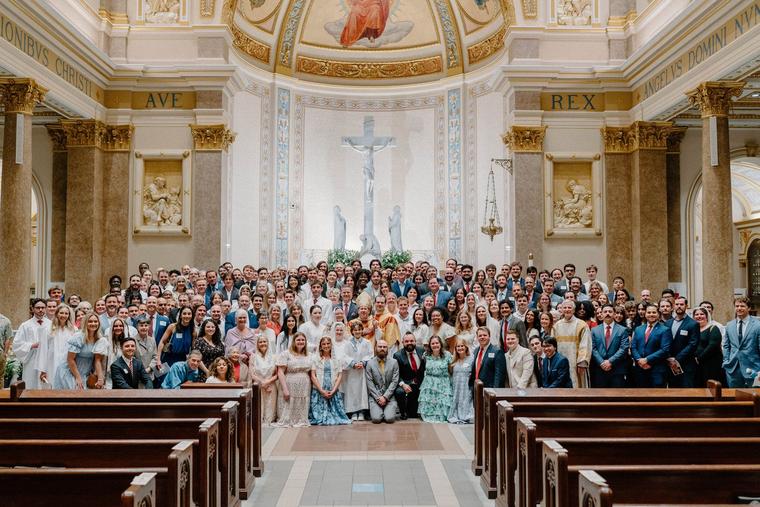
On a typical Sunday morning in parts of the Southeastern region of the United States, the challenge facing Catholic parishes is not finding enough people to fill pews — it is finding enough space for everyone who shows up for Mass.
In fast-growing communities, churches are implementing additional Masses, opening overflow areas and, in some cases, livestreaming liturgies for parishioners who cannot fit inside the sanctuary. In the Archdiocese of Atlanta alone, diocesan officials report that 30% of parishes have at least one weekend Mass at or above capacity.
Parking lots fill early. Fellowship halls become temporary liturgical spaces. Parish buildings designed for a smaller Catholic presence are being asked to serve communities that have expanded far beyond their original expectations.
That reality stands in stark contrast to much of the Northeast and Midwest, where many dioceses have spent the last several years navigating parish mergers, school closures and diocesan restructuring in response to declining Catholic populations.
Across much of the Southeast, however, Catholic communities are growing alongside broader population shifts driven by migration, new housing developments and economic opportunities.
During the U.S. Conference of Catholic Bishops’ spring plenary assembly in Orlando in June, the Register spoke with four bishops whose dioceses are experiencing the effects of sustained Catholic growth in the South: Archbishop Gregory John Hartmayer of Atlanta; Archbishop Mark Steven Rivituso of Mobile, Alabama; Bishop J. Mark Spalding of Nashville; and Bishop Jacques Fabre-Jeune of Charleston, South Carolina.
Although each leads a different local Church, they described remarkably similar priorities: expanding parish capacity, planning years ahead of growth and forming disciples who can sustain it.
Growth Meets Capacity
In Atlanta, home to one of Georgia’s two Catholic sees (the other being in Savannah), those demands are already visible every weekend.
Across the archdiocese, which serves more than 1.2 million Catholics, growth is concentrated in suburban areas where residential construction often precedes parish infrastructure by years. Parishes are adding Masses, using overflow seating or livestream participation simply to accommodate attendance.
According to diocesan officials, six parishes regularly operate between 120% and 150% capacity.
The archdiocese’s growth is also increasingly diverse. Alongside long-established parishes, Atlanta is home to a large and growing Vietnamese Catholic community, with two parishes and a community continuing to develop. That growth is reflected not only in parish life but also in leadership: one of the archdiocese’s three auxiliary bishops, Bishop John Nhàn Trần, is Vietnamese.
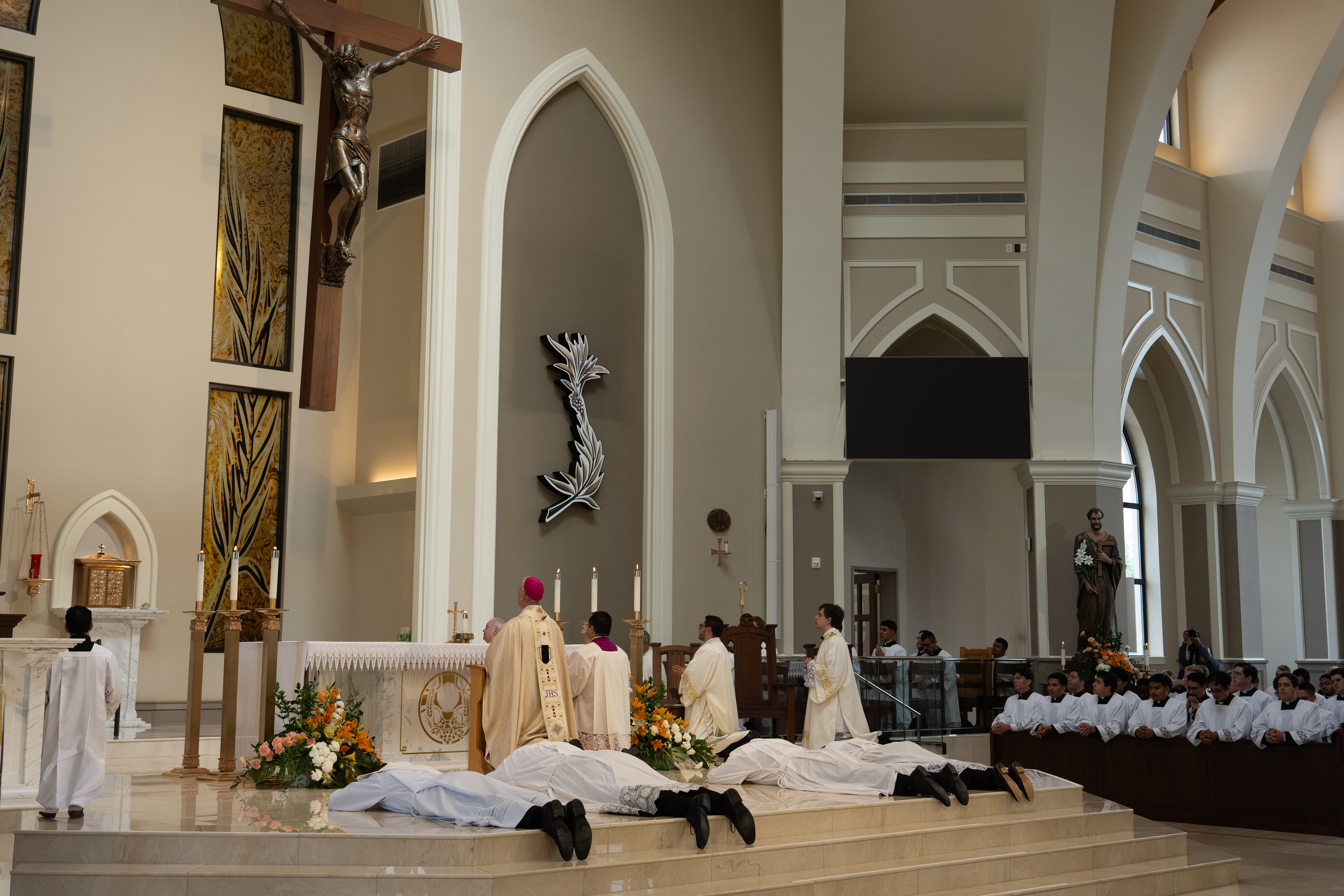
Meeting the needs of that expanding population also requires a strong focus on vocations. The archdiocese recently accepted 20 new seminarians, bringing the total number of men in formation to more than 70 for the upcoming year in an archdiocese with 325 priests ministering in some capacity.
“We have put our seminarians on notice that they’ve got to learn as much as they can with these languages in seminary to celebrate the Mass,” Archbishop Hartmayer said, noting that the archdiocese is “finding it difficult to keep up with [the] growth.”
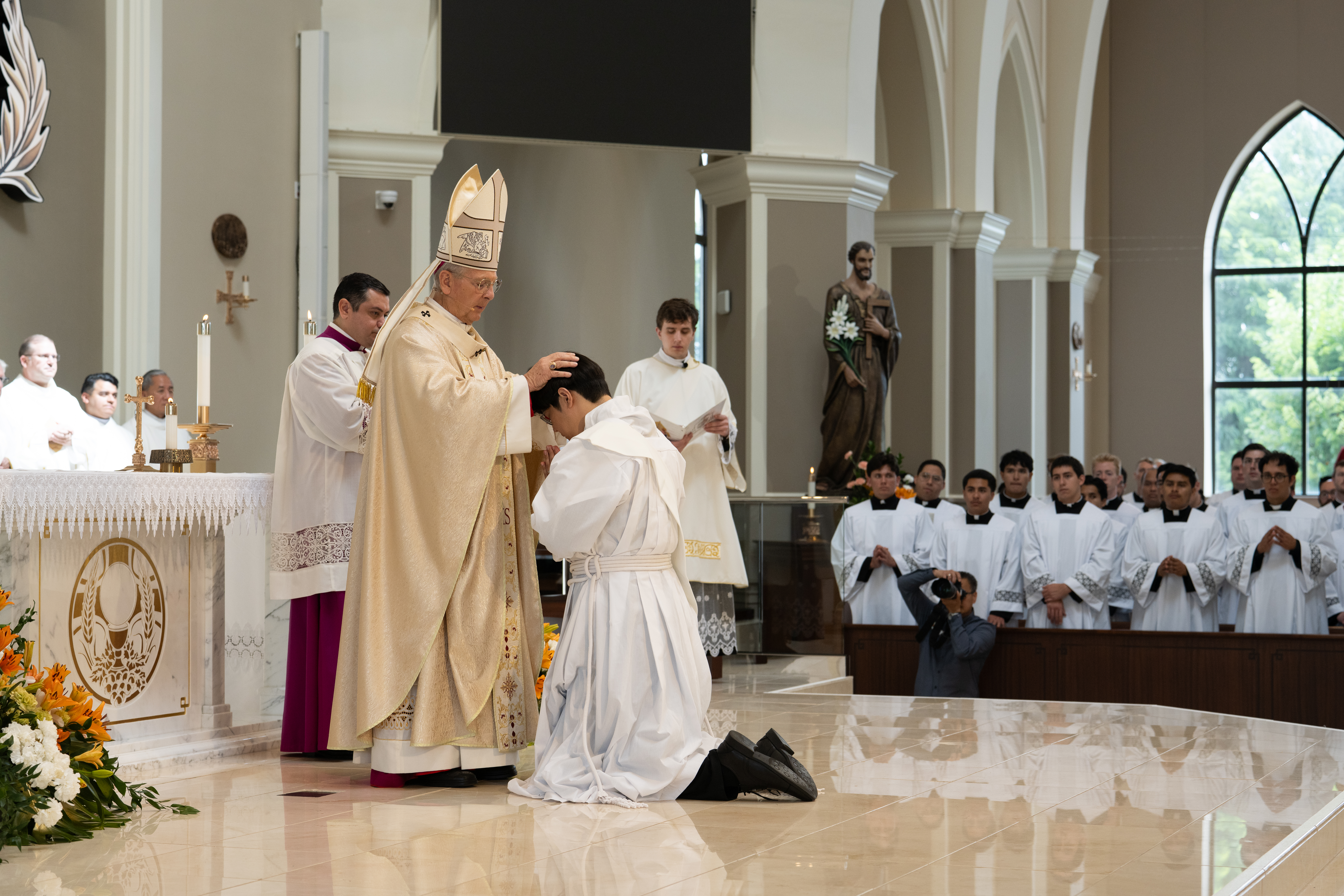
A native of Buffalo, New York — a diocese that has experienced numerous parish closures and mergers in recent years — Archbishop Hartmayer attributed much of Atlanta’s growth to migration, coupled with a vibrant parish life that many newcomers find unexpectedly welcoming.
“There is a spirit alive in the Church itself that draws people,” he said. “It’s an exciting time for the Church in the Southeast.”
Similar pressures are visible across the region.
In Mobile, the seat of Alabama’s Catholic archdiocese and one of just two Catholic jurisdictions in the state, Archbishop Rivituso said the influx of new Catholics is especially visible among young adults.
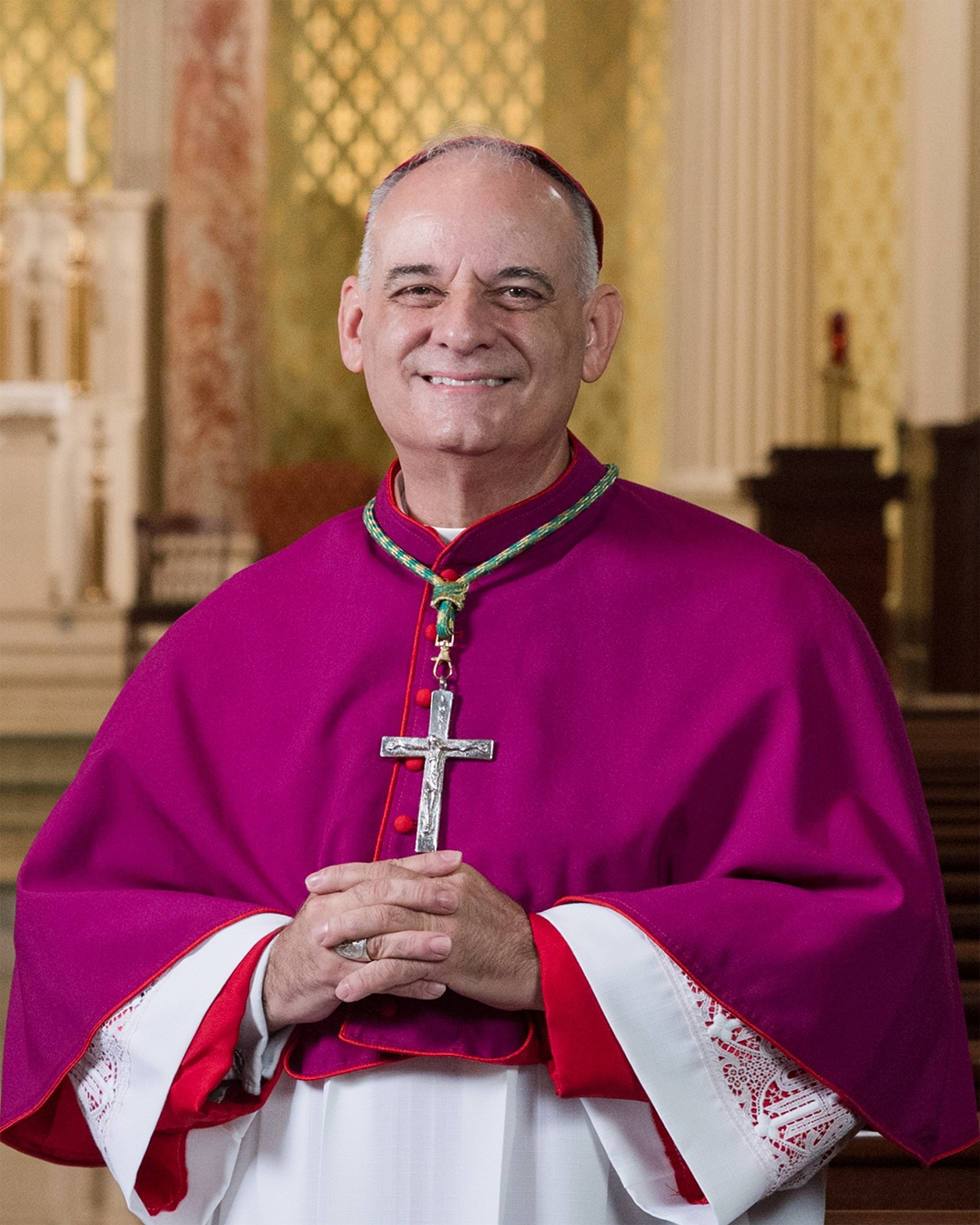
More than 600 people entered the Church this past Easter, a 36% increase over the previous year, many of whom were university students. The archdiocese serves more than 113,000 Catholics while preparing for future needs with 13 seminarians in formation. Yet demographic growth is occurring alongside an aging priesthood; of the archdiocese’s 84 diocesan priests, 50 are age 60 or older.
To prepare for continued expansion, the archdiocese has begun acquiring land for potential parish construction in several of Alabama’s fastest-growing communities. In Opelika, St. Mary of the Mission Parish is scheduled to open a new church and multi-purpose facility this December.
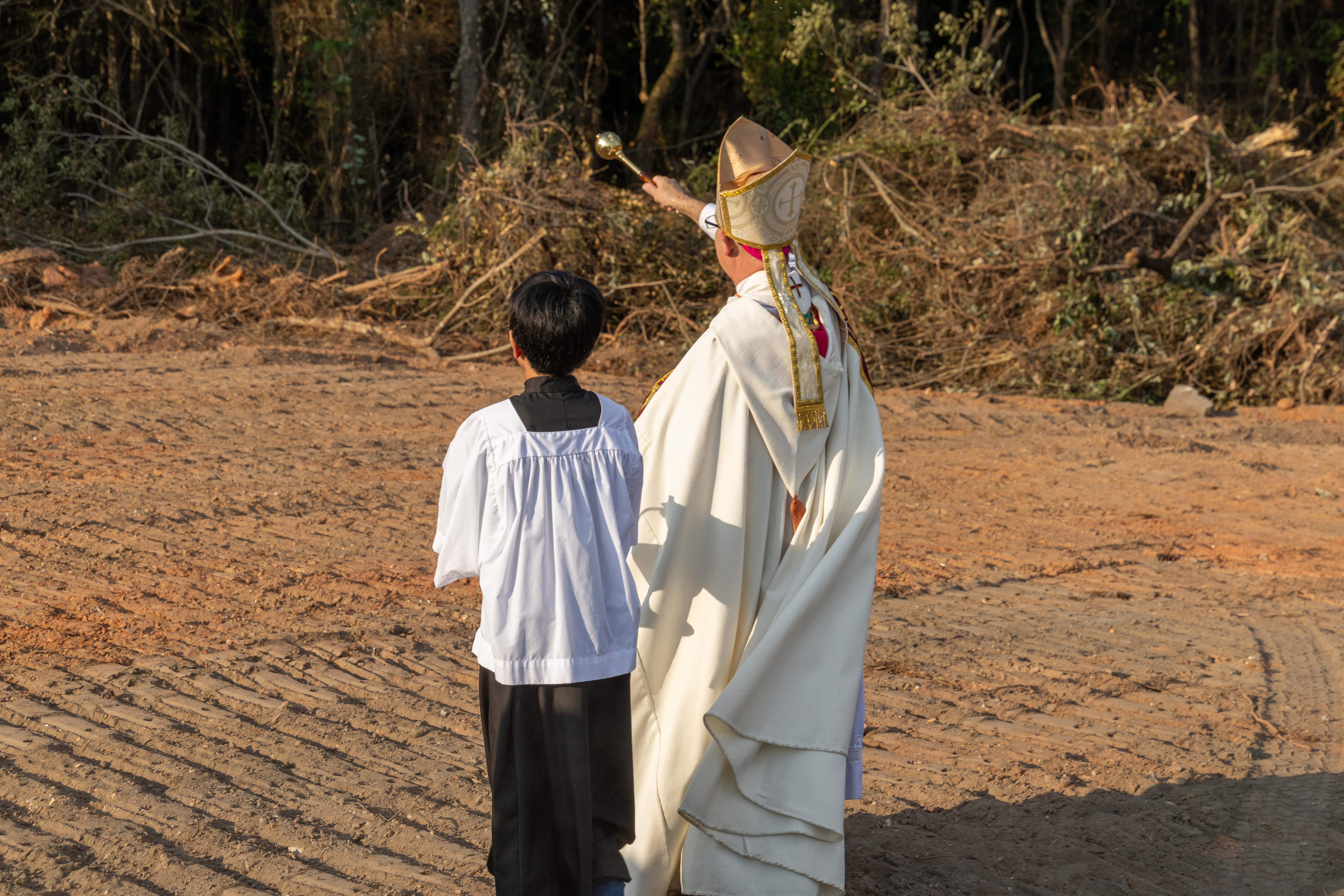
Meanwhile in Tennessee, Bishop Spalding previously told the Register that Nashville’s metro area is growing at about 1.5% annually, well above the national average — a pace that requires dioceses not only to respond pastorally but to anticipate structural and vocational needs years in advance.
That planning is reflected in the diocese’s priestly formation. According to diocesan officials, only a handful of priests are expected to retire over the next several years, while the diocese currently has 109 priests ministering to its faithful and 35 seminarians in formation.
The diocese serves more than 126,000 Catholics, while an estimated 279,000 Catholics live across Tennessee’s dioceses of Nashville, Memphis and Knoxville. Those figures reflect a Church that is continuing to grow, with parish expansions and capital campaigns underway, including the construction of the new Mother Teresa Catholic Church in Nolensville, while operating in a culture where religion remains socially embedded.
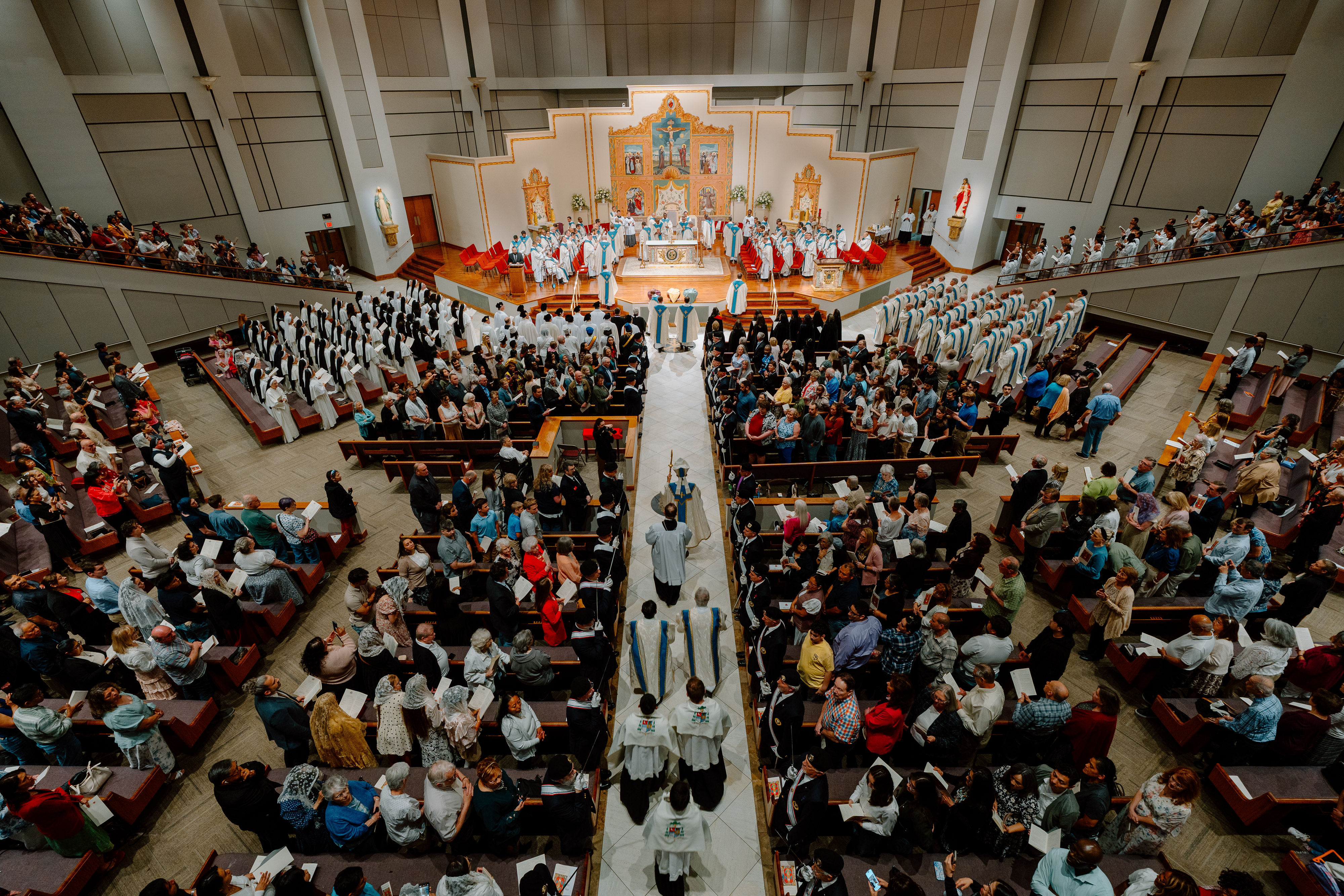
“When you come to Tennessee,” Bishop Spalding said, “they ask you where you were born, where you went to school, and then … where do you go to church?”
That familiarity, he said, often strengthens Catholic identity in a region still shaped by a strong Protestant culture.
“The Catholics in Tennessee have a chip on their shoulder,” he said. “They work hard in defending the Church and promoting the faith, and that draws people in.”
Across much of the Southeast, long known as the “Bible Belt,” Bishop Fabre-Jeune suggested a gradual cultural shift. With a smile, he said it could someday become known as the “Mary Belt.”
‘We Can’t Build Fast Enough’
But behind that optimism lies a shared reality: Growth brings pressure.
“We can’t build new churches fast enough,” Archbishop Hartmayer said. “We also can’t raise money fast enough to expand.”
To respond more quickly, the Archdiocese of Atlanta has developed internal financing structures that allow parishes to begin construction sooner rather than waiting years to accumulate the necessary funds. Through diocesan resources, parishes can access financial support for projects such as new churches and other facilities, with funds replenished over time as projects are repaid.
Covering the entire state of South Carolina, the Diocese of Charleston has taken a similarly forward-looking approach.
“The diocese hired a company to see where the areas of growth are happening throughout the state,” Bishop Fabre-Jeune said, “and from those results, [we found] six lots of land for future parishes.”
According to diocesan statistics, 1,754 people entered the Church this past Easter, while Catholic households in South Carolina have increased by 20.2% over the past decade. The diocese currently has 137 priests serving across the state, with 36 seminarians in formation.
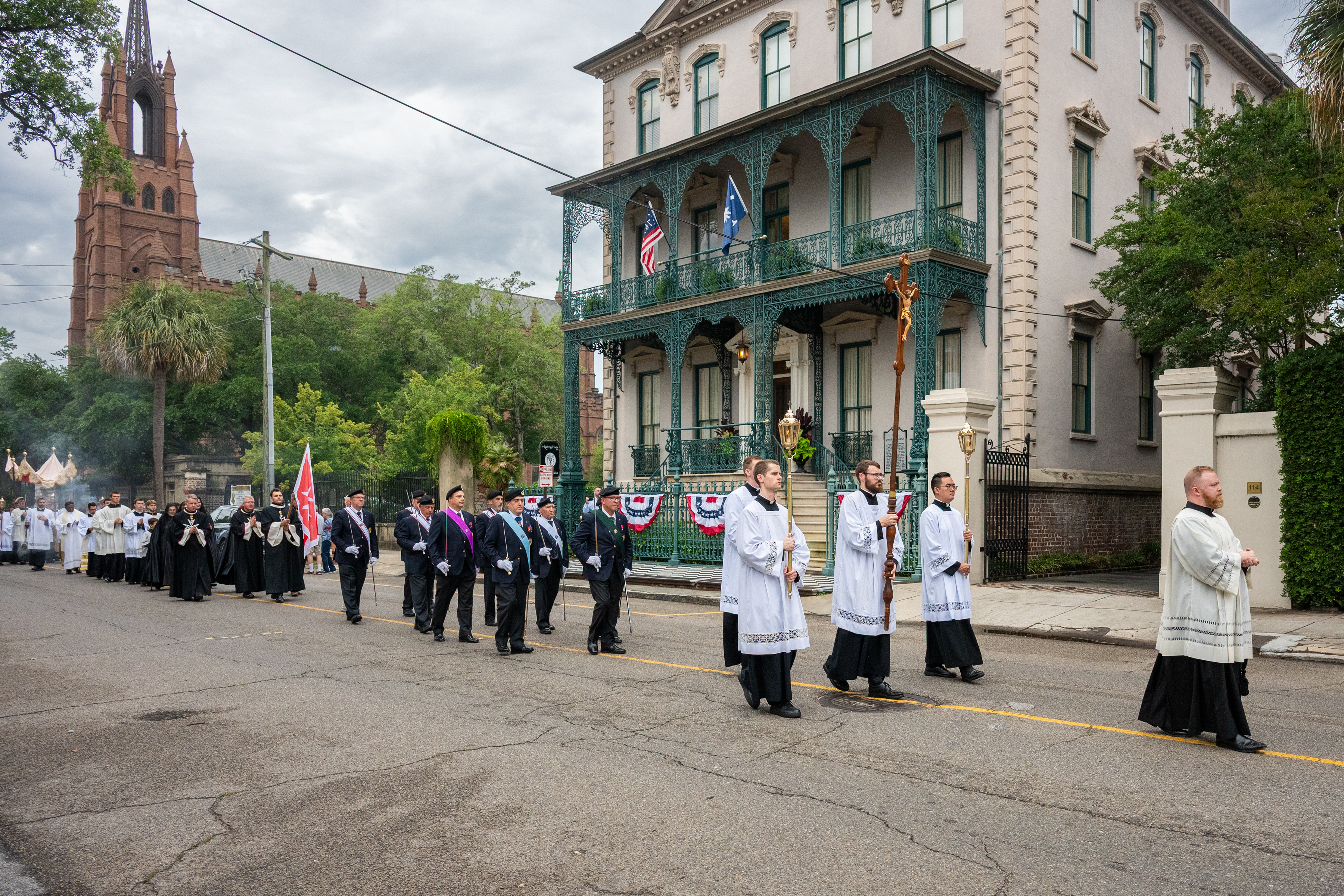
For Bishop Fabre-Jeune, responding to that growth means preparing not only for where Catholics will worship, but how they will be sustained in their faith. The diocese’s five-year pastoral plan, Via Fidelis, began with evangelization, moved into its second year focused on catechesis, and will continue through 2029 in sacraments, service and mission.
The catechetical focus of Via Fidelis takes concrete shape in what Bishop Fabre-Jeune described as mystagogy, the post-baptismal period of formation for new Catholics. “We are hoping to engage more deeply in that,” he said, “not only making sure [new members] receive the faith, but that they continue to grow and mature in it.”
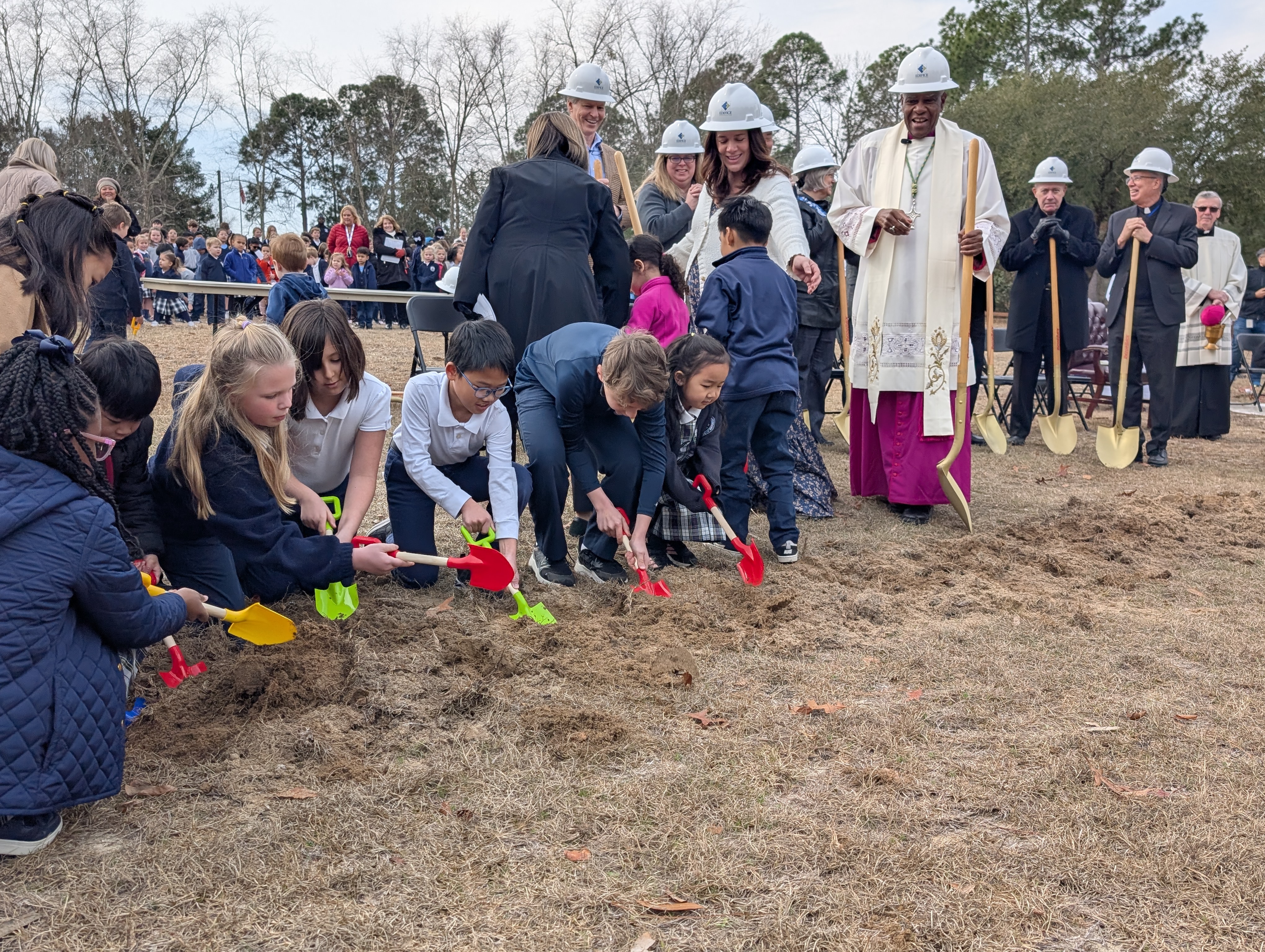
In Nashville, Bishop Spalding said dioceses are also adapting creatively as growth reshapes assumptions about available worship space.
“If another denomination’s church is up for sale, we at least look at the situation,” he said. “That can either be an initial church for our community or, with some work, can be made into a more permanent church for the parish to thrive in.”
Across the region, bishops emphasized that growth cannot be met by buildings alone.
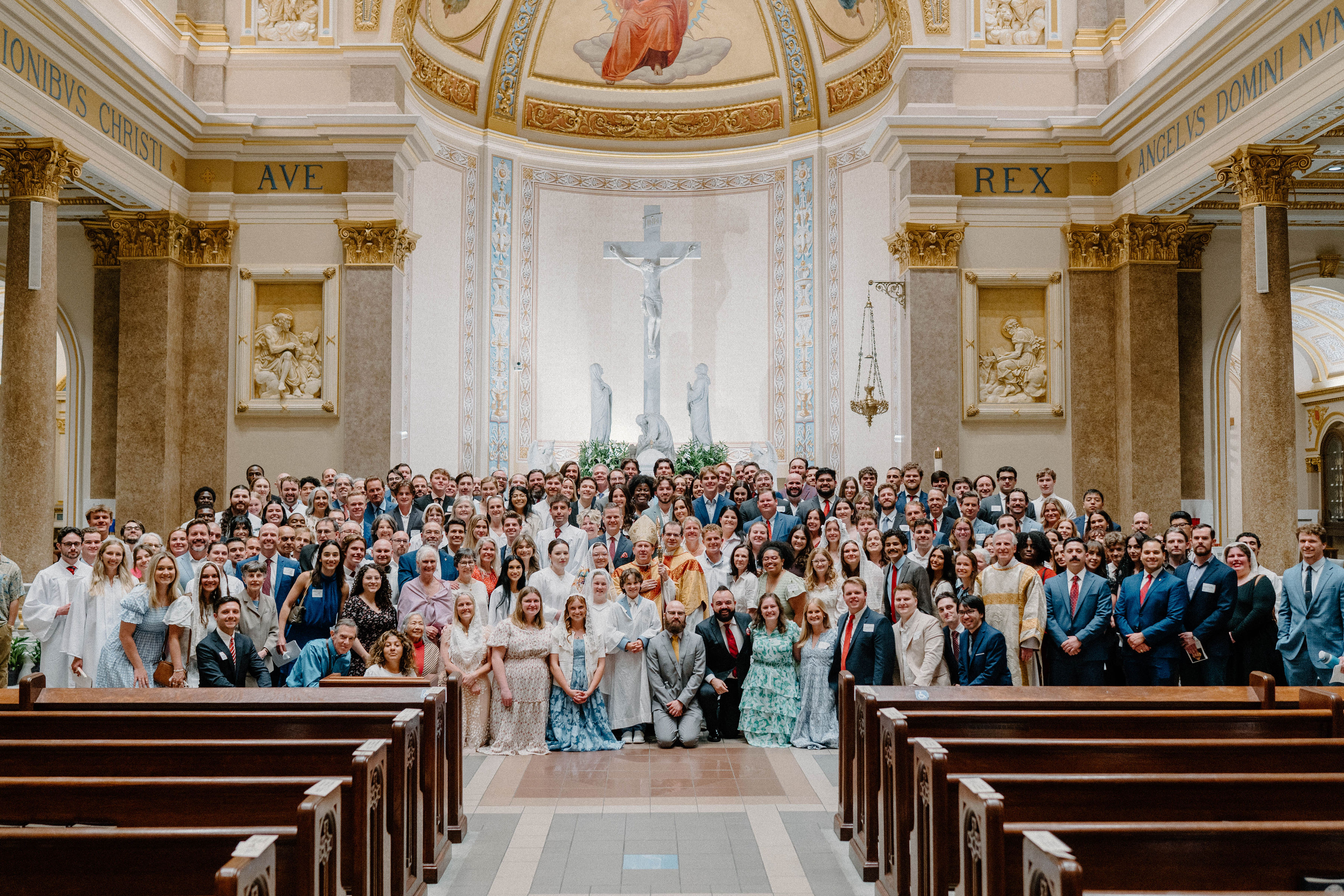
“We must focus on nurturing a culture of vocations,” Archbishop Rivituso added, pointing to the long-term challenge of sustaining parish life as Catholic populations expand faster than clerical capacity in some areas, “so that people who feel encouraged to say ‘Yes’ to God’s call can then give back to the growing Church communities.”
Integrating New Arrivals
The challenge, according to Archbishop Rivituso, does not end when people enter the Church.
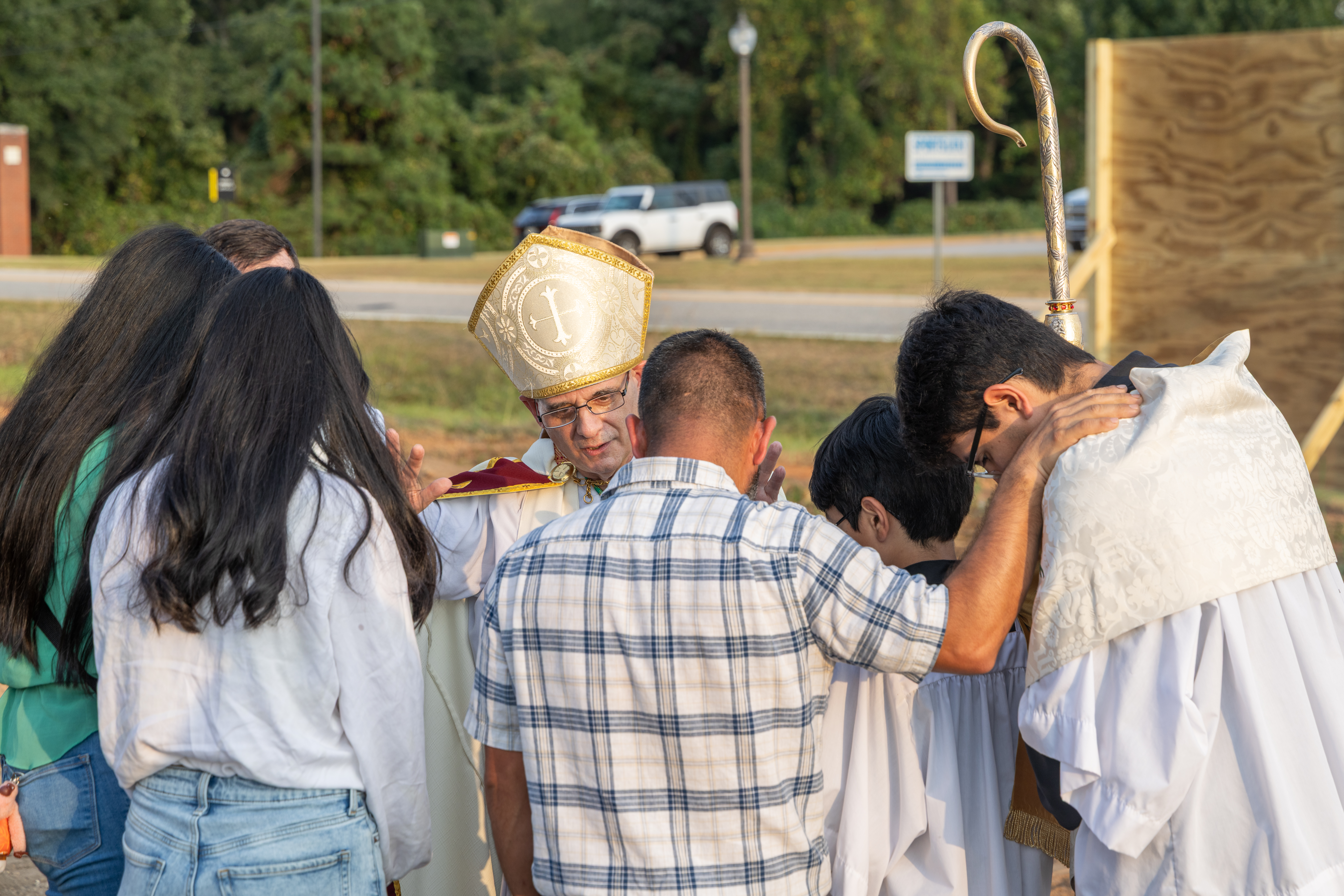
“When we see people come in on Easter Vigil,” he continued, “I want to be able to see them next Easter Vigil, still connected, still part of the life of the parish.”
He pointed to ministries serving the poor, immigrants and vulnerable communities as essential to integration into parish life throughout the Archdiocese of Mobile.
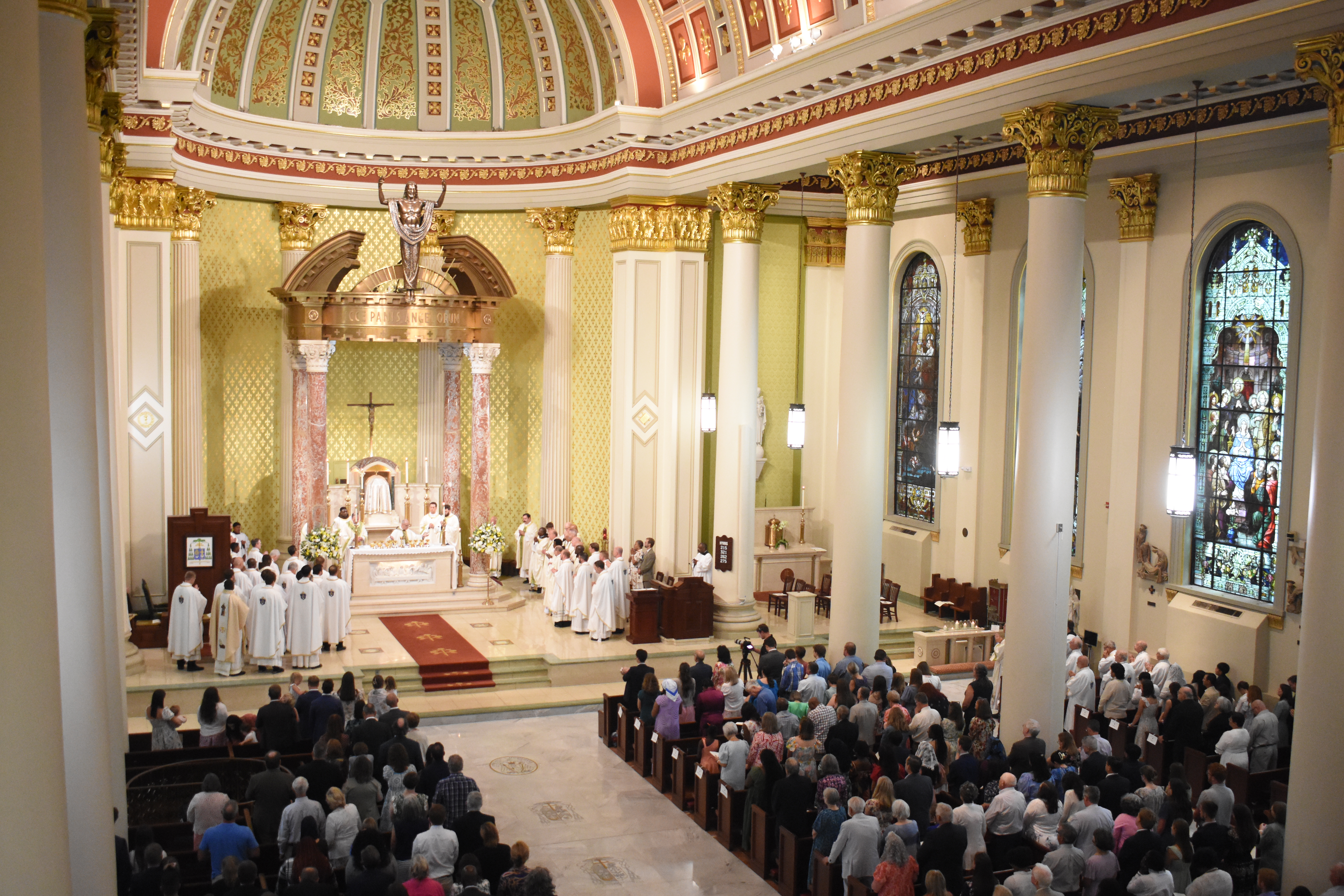
“We want to get the new members of the Church involved,” Bishop Spalding added. “Whether it be education, formation, charitable work, liturgical activity — giving people real ways to belong, not just attend.”
According to the region’s bishops, that emphasis on integration is increasingly central across dioceses experiencing rapid growth.
“It’s a good problem to have,” Archbishop Hartmayer noted. “We hope that it continues, but we cannot take any of it for granted. What’s happening in the Northeast can happen in the Southeast if we are not intentional about good liturgy, good music, good homilies and good pastoral care for the people in our parishes.”
Across dioceses, leaders stressed that success cannot be measured only by how many arrive, but by how many remain and deepen their faith.
The demographic shift has redrawn the map of American Catholicism, making the South its fastest-growing region. But bishops across the region consistently returned to the same concern: growth alone is not renewal.
Whether that growth becomes lasting stability will depend on how the Church responds — not only in buildings and vocations, but in its ability to integrate, form and sustain a rapidly changing Catholic population across the Southeast.
- Keywords:
- us dioceses