‘Something’s Happening’: Catholic Converts Surge in Many U.S. Dioceses
‘It’s the Holy Spirit,’ Bishop Frank Dewane told the Register. ‘Yes, we follow promptings, also. But I think it’s the work of the Holy Spirit right now in society and in the Church.’
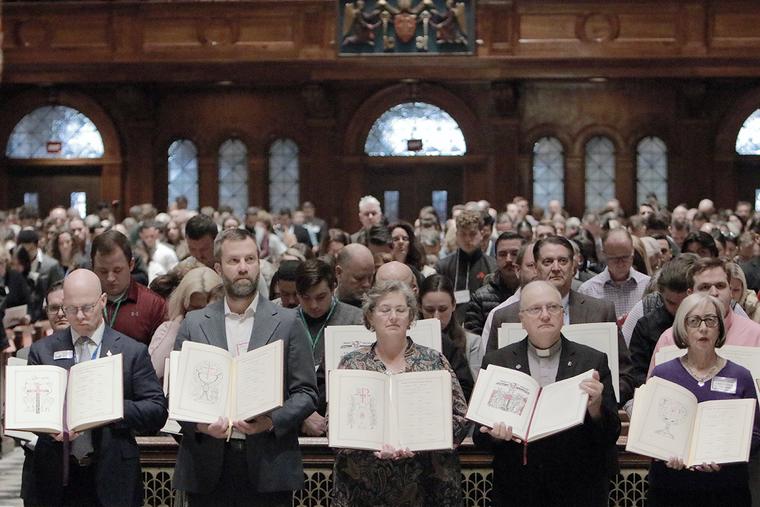
Many U.S. dioceses are expecting heavy increases in people joining the Catholic Church at Easter 2026, including some with record highs, a survey by the Register found.
“Something’s happening,” said John Helsey, director of communications for the Archdiocese of Oklahoma City, which is expecting a 57% increase in unbaptized people becoming Catholics at Easter — from 635 in 2025 to nearly 1,000 in 2026.
In most places, this year’s increases aren’t a one-off but follow significant increases in recent years.
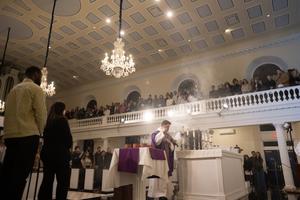
One example is the Archdiocese of Newark, New Jersey, which had record highs attending liturgies several weeks ago that were meant to welcome would-be converts who have been preparing to enter the Church in recent months and to formalize their status.
Newark is expecting a 30% jump in converts in 2026 (at 1,701) over 2025 (at 1,305). The 2026 figure is 60% higher than the 1,064 converts in 2019, the year before the COVID-19 pandemic.
“Last year, we had no idea where all the people came from then; 2025 eclipsed every year we had had up to then. We thought it might be an anomaly,” said Father Armand Mantia, director of the archdiocese’s OCIA (Order of Christian Initiation of Adults) program that prepares converts to become Catholics. “And then, all of a sudden, we had our rituals for 2026, and 2026 blew away 2025, which we didn’t think was possible.”
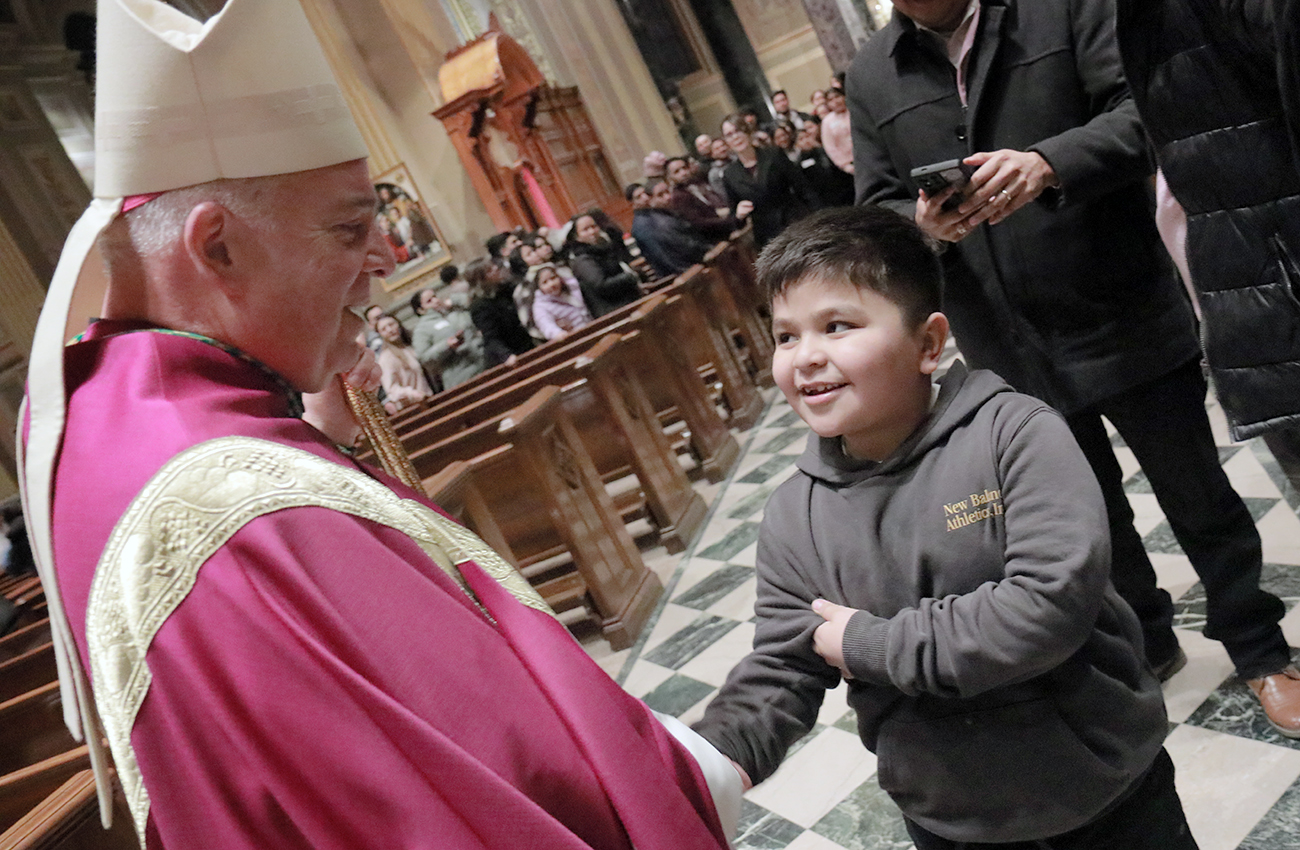
That’s also the case in the Archdiocese of Mobile, Alabama, where the number of converts in 2025 (447) was the highest since at least 2014, and the number in 2026 (603) is 35% higher than in 2025.
The Register recently contacted all 175 Latin-rite territorial dioceses in the United States, seeking numbers of people planning to join the Catholic Church at Easter 2026.
Seventy-one, or 40% of U.S. dioceses, responded. In some cases, the Register used published sources to supplement the data it used in its analysis.
Just five of the 71 dioceses expected a drop in converts this year, most of them slight. The remaining 66 are expecting increases — in many cases, significant ones.
Most dioceses that provided figures to the Register included both already-baptized Christians, known as “candidates,” and unbaptized people, who are known as “catechumens” for most of the preparation process and later termed “elect” at some point in early Lent.
Some dioceses track only unbaptized people before Easter. While the term “candidates” includes baptized Protestants, the figures may in some places also include people who were baptized in a Catholic church but weren’t catechized and didn’t receive Holy Communion or confirmation as a child.
In all cases, the Register has attempted to make apples-to-apples comparisons, with the caveat that 2026 numbers aren’t set yet.
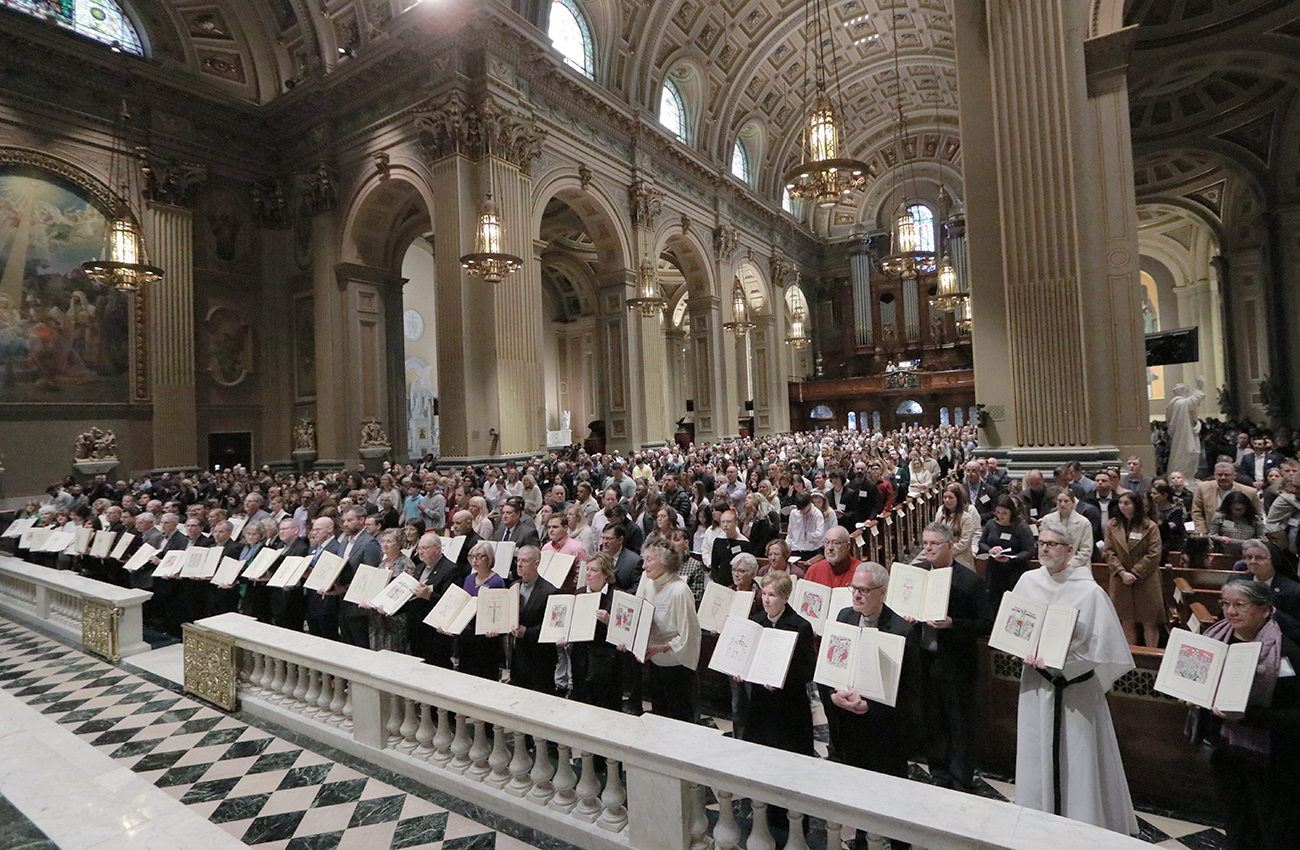
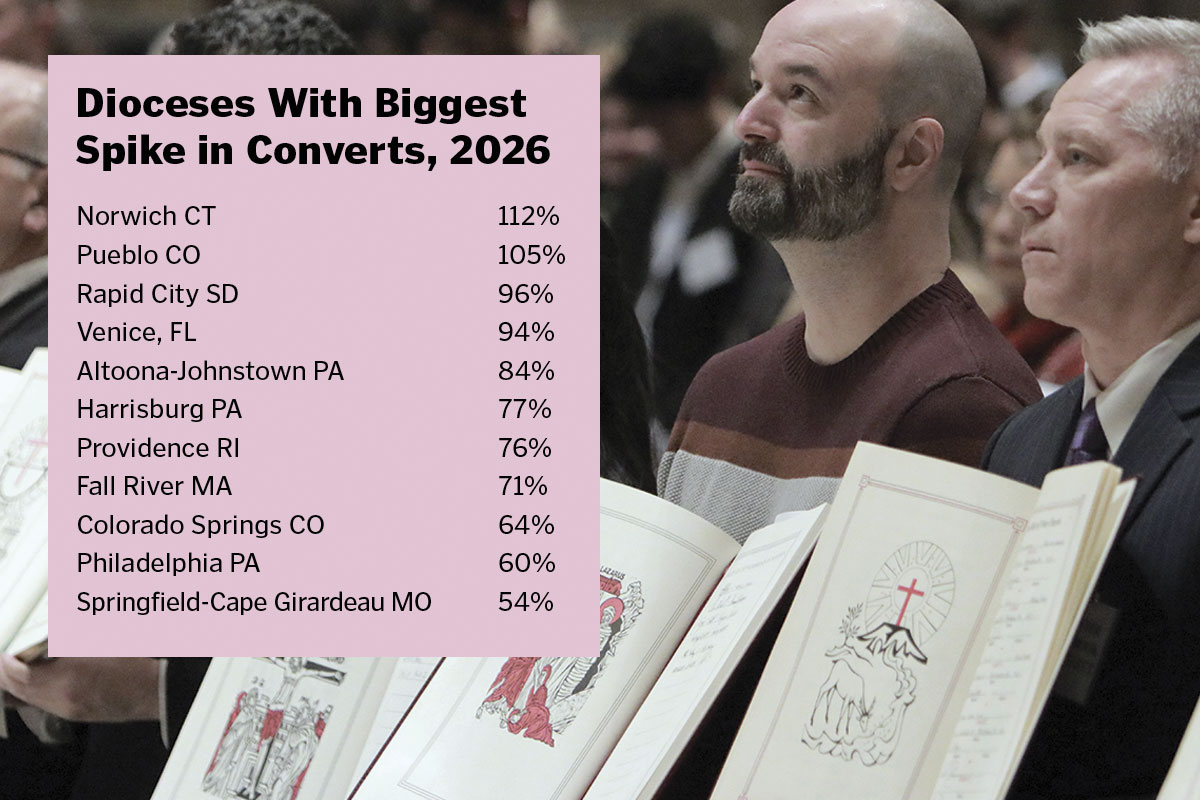
This year’s expected increases in converts in the United States include regions where the Church has been growing rapidly in recent decades, such as Florida, where the Diocese of St. Petersburg is expecting an 84% jump, and Texas, where the Diocese of Austin is expecting a 53% jump.
But it also includes highly secularized New England, where the Archdiocese of Boston has 55% more catechumens (unbaptized) this year than last year. The Diocese of Manchester, New Hampshire, reported a 54% increase (including already-baptized and unbaptized); the Diocese of Providence has 76% more converts; and the Diocese of Norwich, Connecticut, is recording a 112% spike.
In Pennsylvania, the dioceses of Harrisburg (77%) and Altoona-Johnstown (84%) are seeing big increases. Across the country, the Diocese of Pueblo, Colorado, is expecting a 105% increase.
In addition to the cold statistics, diocesan officials described to the Register anecdotes that illustrate a surprising level of interest in the Catholic Church among non-Catholics.
Edward Trendowski, director of the Office of Faith Formation for the Diocese of Providence, told the Register he has noticed an unusual spirit of inquiry among people he runs into, including the woman who cut his hair recently, who told him she was raised a Pentecostal but is thinking about joining either the Catholic or Orthodox Churches, and that she has been reading the writings of St. Thomas Aquinas.
“People seem to be more spiritually open,” Trendowski said. “We know deep down that there’s something more. I think people grasp that intuitively somehow. People are looking for something deeper.”
In the Archdiocese of Philadelphia, which is expecting a 60% increase in converts in 2026 over last year, a priest who oversees conversion programs said people seeking to join the Catholic Church tend to come to Mass and have an active prayer life before they ever attend formal sessions with catechists, and that they tend to accept Church teachings earlier in the process than their predecessors did.
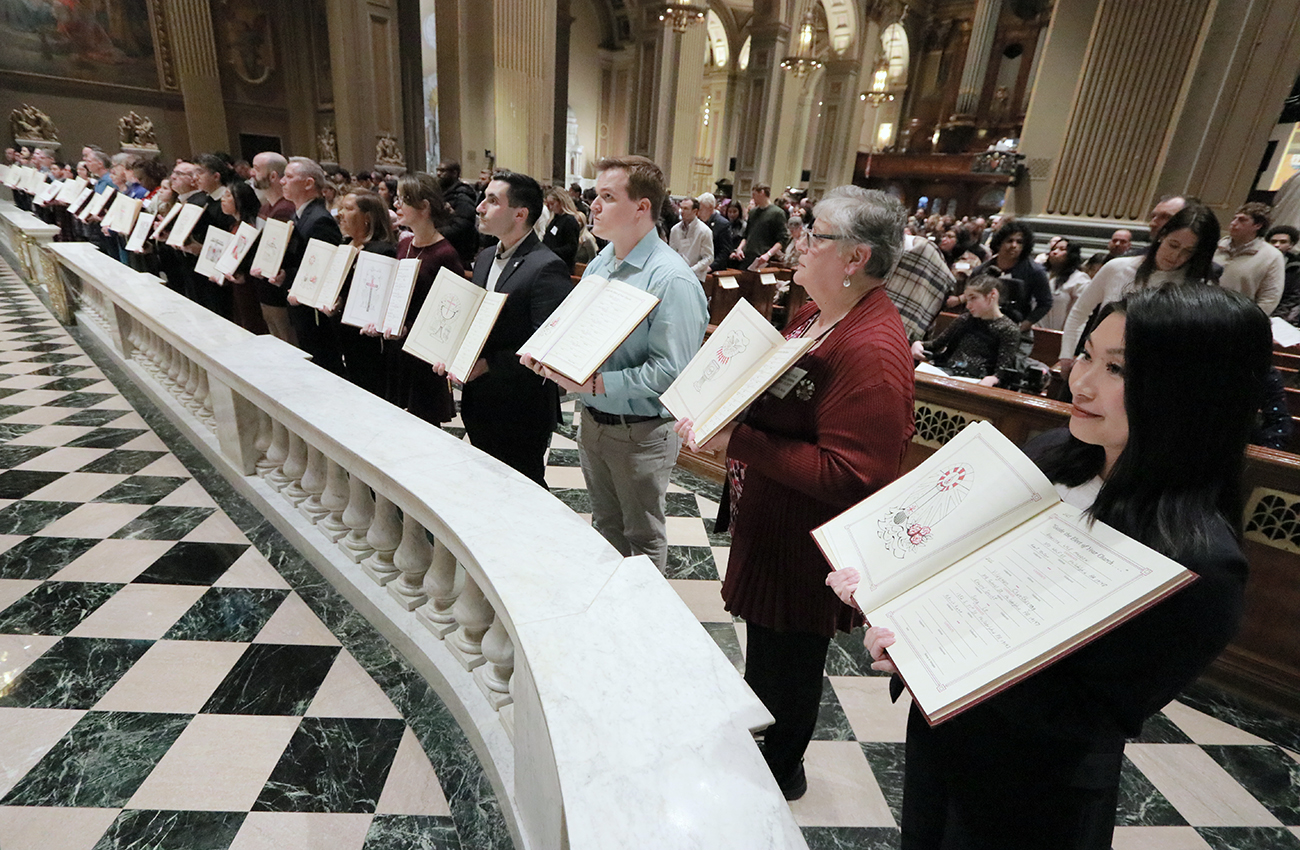
“I have noticed over the last several years that there is a greater commitment to conversion, a greater commitment to the Church, when they arrive,” said Father Dennis Gill, director of the Office for Divine Worship for the Archdiocese of Philadelphia and rector of the Cathedral Basilica of Sts. Peter and Paul.
‘Our Numbers Exploded’
Most dioceses hit their lowest numbers in recent times in 2021, the year after the coronavirus shutdowns, when Church activities saw a sharp decline. But the increases in the years since the virus suggest higher rebound than might have been expected.
“Everyone was worried, ‘Will we get back to pro-COVID numbers?’” said Laura Nelson, director of faith formation for the Diocese of Fort Worth, Texas, which is expecting a 37% jump in converts this year. “We are not just back to pre-COVID numbers. We’ve exceeded them.”
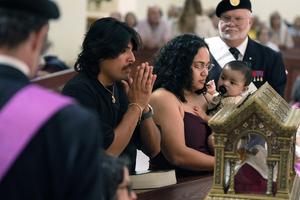
At Sacred Heart Catholic Church in downtown Tampa, Florida, this year the parish’s program that prepares people to become Catholics for the first time had to split sessions into unbaptized people and already-baptized people because there were so many.
“Our numbers exploded this year,” said Barbara Ferreris, director of faith formation at Sacred Heart.
In early February, the parish received 35 Protestants into the Church (up from five in 2025), in addition to 15 people who had been baptized in a Catholic church but never confirmed.
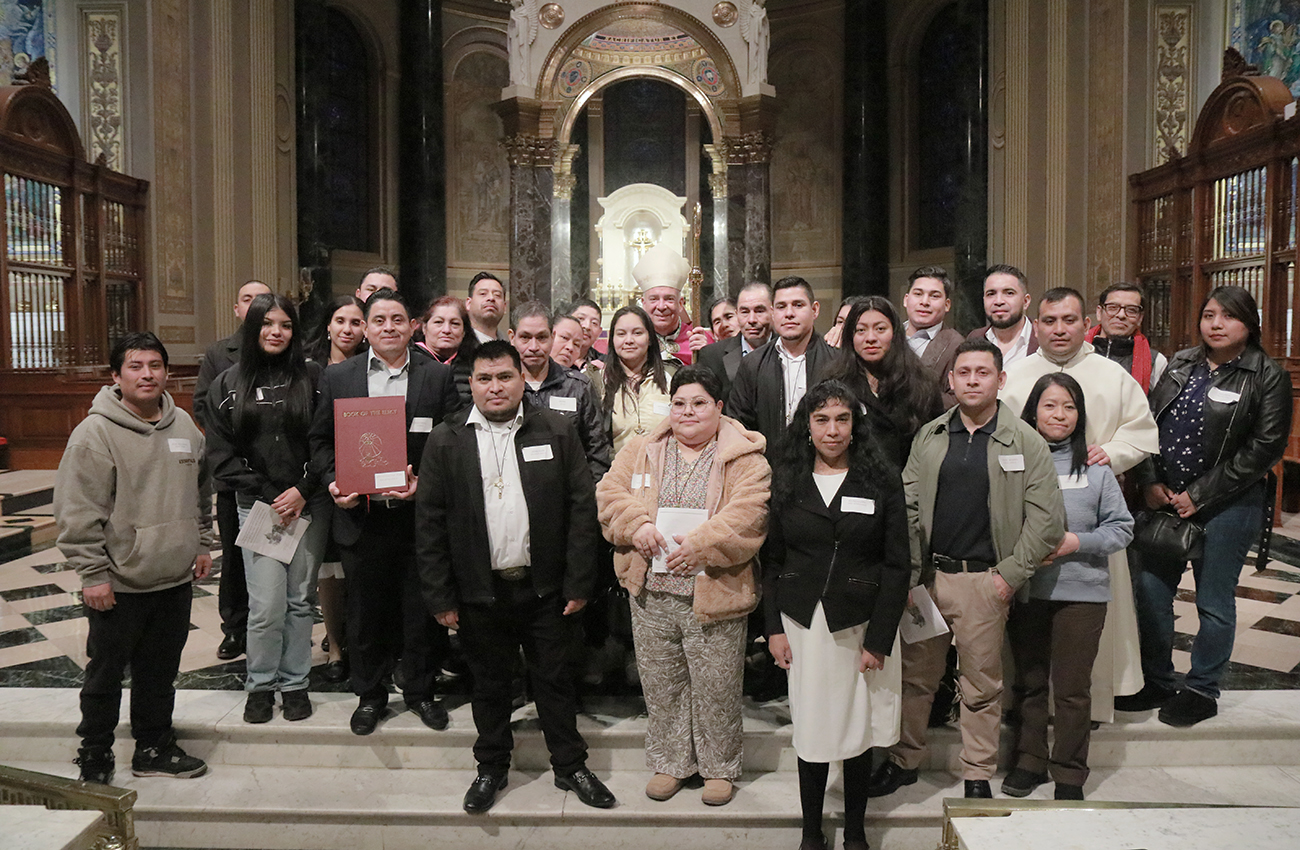
Twenty-six unbaptized people are expected to be baptized at Easter (up from 21 in 2025, and 13 in 2019, the year before the virus). Many of them are in their 20s and 30s, most of them single, Ferreris told the Register.
“They have the career. They have the home, the car. They’re searching for more,” Ferreris explained. “They want more, and they know God is calling them. God is calling them and they’re responding.”
The young-adults theme came up repeatedly in interviews with diocesan officials.
“There’s especially in young adults a strong desire for solidity, stability, and objective truth. We live in a world where truth is evasive,” Nelson, of the Diocese of Fort Worth, told the Register. “Even if you don’t know and love Jesus, you can see that the Church has a solid foundation. We don’t change with the times.”
Other Factors
As for why it’s happening, diocesan officials offered various theories.
Immigration, particularly from the surge during the Biden administration, is a factor in some places. Some suggest the election in May 2025 of Pope Leo XIV, the first American pope, who describes Church teachings with a native accent unfiltered by translation, might also be a draw for some non-Catholics. Some diocesan officials shared a new emphasis on outreach to non-Catholics.
Bishop Frank Dewane, who leads the Diocese of Venice, Florida, which is expecting a 94% increase in converts, noted that some places outside the United States are also seeing big increases this year, including England and France.
He told the Register the Church is enjoying what he called “a golden age of Catholic resources,” including podcasts and other online sources that get information about the Church to people who would ordinarily never set foot in it, and yet come to find Catholicism unexpectedly attractive.
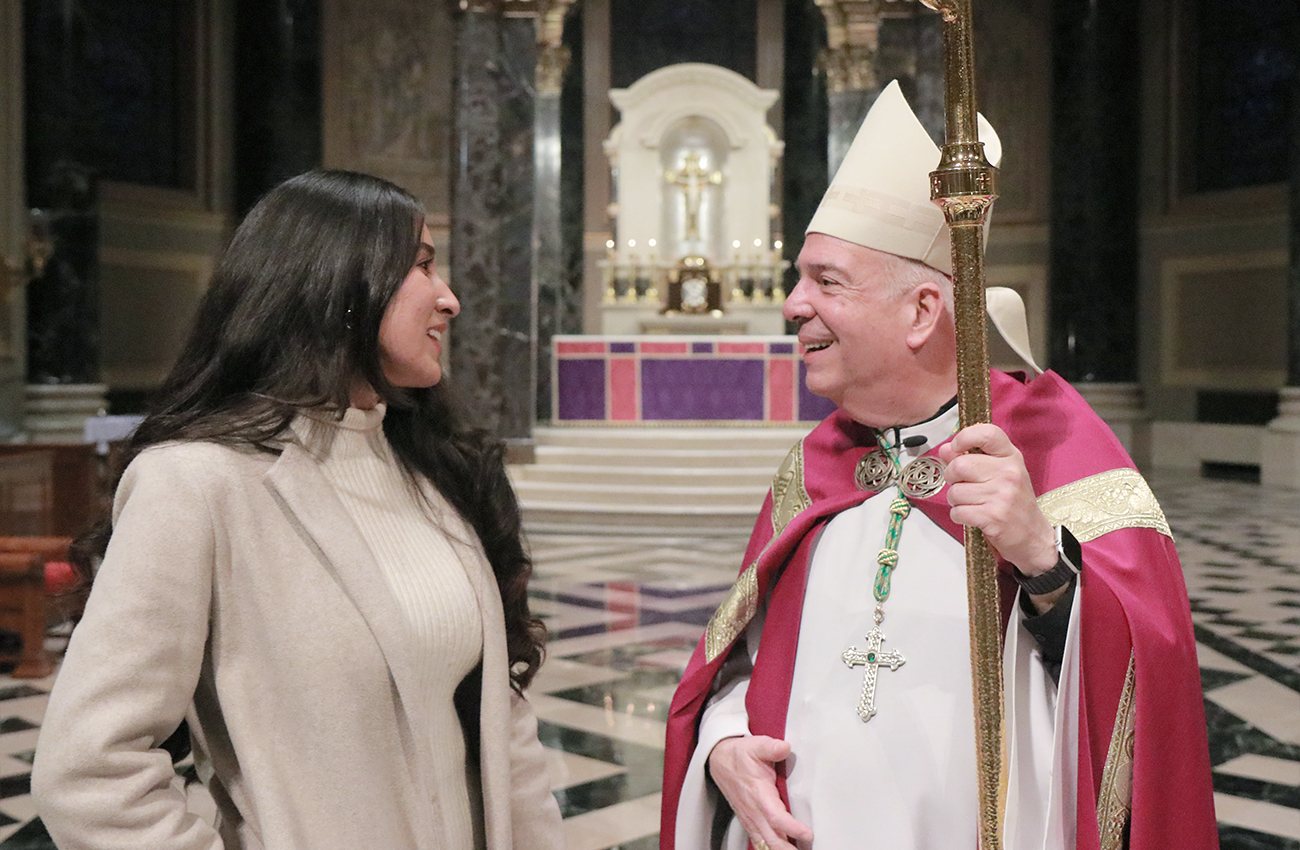
“Our modern culture has not borne good fruits, and I think people see that. They recognize that. They know that,” Bishop Dewane said.
But ultimately, he and other Church officials the Register spoke with attributed the bountiful harvest to God.
“It’s the Holy Spirit,” Bishop Dewane emphasized. “Yes, we follow promptings, also. But I think it’s the work of the Holy Spirit right now in society and in the Church.”
Long Easter Vigils
The recent increase in converts in certain places doesn’t mean the Catholic Church is growing in America. Indeed, surveys suggest it’s shrinking, which is borne out by declines in recent decades in baptisms, Catholic weddings, confirmations, and church attendance among young people. In December 2025, Pew Research reported significantly more people leaving the Catholic Church than entering it.
But it’s not all shrinkage. Like a north-south divided highway in a busy city at rush hour, a lot of people are coming and going at the same time.
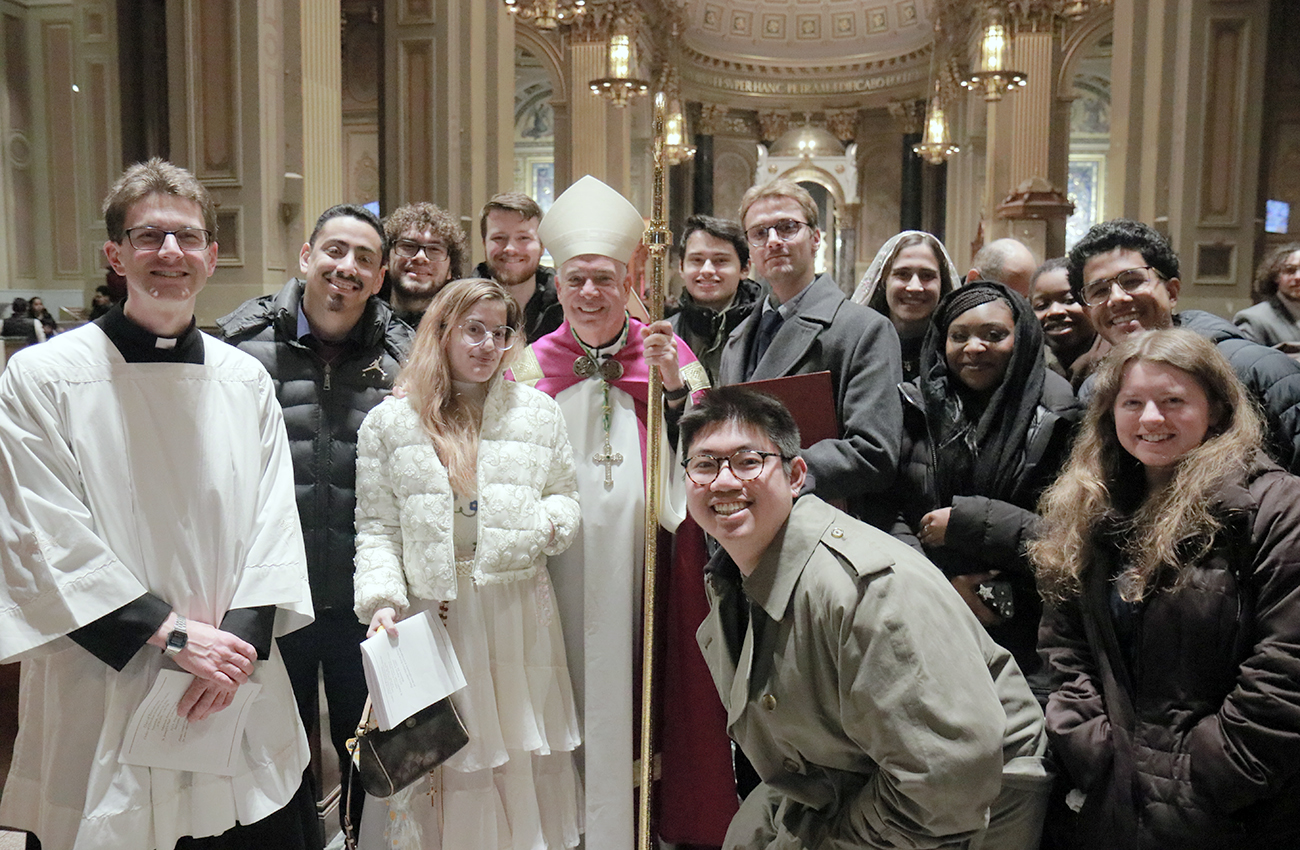
“While we may see a decrease in cultural Catholicism, we see an increase in people becoming Catholics by personal choice,” said Father Juan Ochoa, director of the Office for Divine Worship for the Archdiocese of Los Angeles, which is expecting a 54% increase in converts this Easter. “The cultural Catholics in the United States may be decreasing, but the life of the Church in a different way is emerging.”
The high numbers suggest long Masses on Saturday, April 4 for the Easter Vigil, the liturgy when the highest number of converts join the Catholic Church, either through baptism or by being formally received into the Church by a priest or bishop.
Trendowski, from the Diocese of Providence, made a reference to the papal apostolic exhortation Amoris Laetitiae, which is nearing its 10th anniversary April 10.
“Pope Francis said the Church is a family of families,” Trendowski said. “So when you have people coming to the family, so to speak, it’s a joyous occasion.”