Witness to the World: Stories of the Religious Sisters Who Wear the Habit to Serve the Lord
‘We do love our habit very much.’
Do you wear pajamas?
I used to be Catholic, but I’m not anymore.
Can you pray for me?
These are not the sorts of things the average person hears from complete strangers, but for Catholic religious women wearing habits, it’s not unusual.
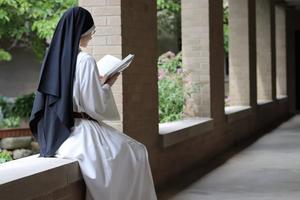
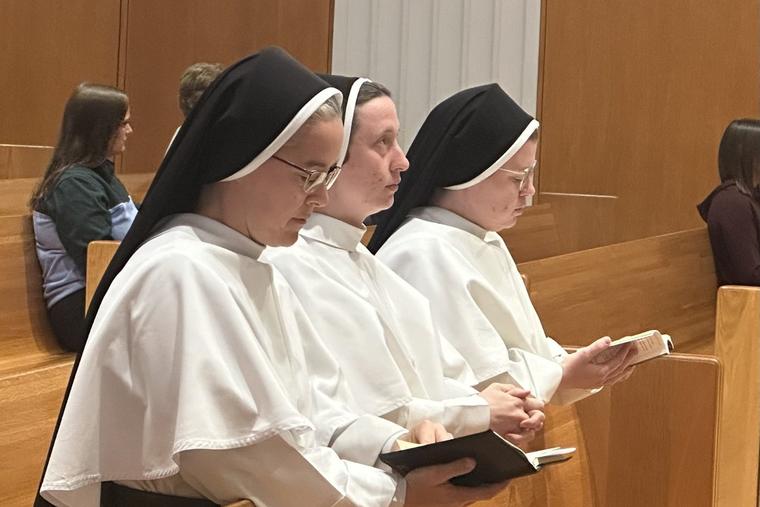
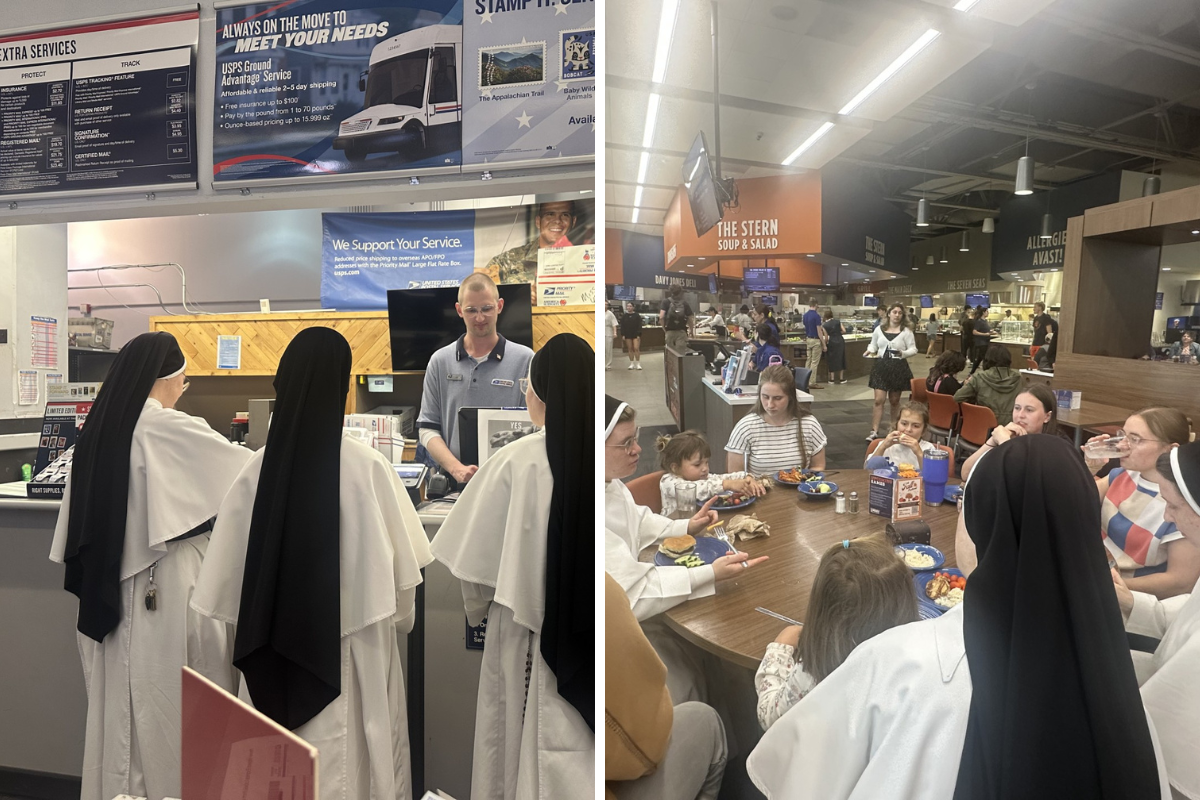
What is it like to walk around publicly in the habit of a Catholic sister? According to sisters who shared their experiences with the Register, they are treated differently because their habits are a silent witness to a public commitment to die to self and live for Christ.
There are many orders of women religious in the Catholic Church, each with its own special charism. The terms “nun” and “sister” are often mistakenly used interchangeably. Technically, nuns live a cloistered, contemplative life focused on prayer within a convent or monastery, while sisters have a more active life, combining prayer with work outside the convents. Both take vows of poverty, chastity and obedience.
When the orders were founded — many of them centuries ago — the “habit” was usually the simple clothing worn in that era, like a peasant dress or widow’s attire, that became uniform for the order. After Vatican II, some relaxed the habit or dropped it completely by dressing like the ordinary people of their day. Some orders, however, never abandoned their habits.
Public Reaction
Ironically, the silent witness of a habit evokes many spoken reactions. “Wearing a habit is like an invitation,” according to Mother Mary Joseph Campbell, major superior of the St. Mary Sisters in Bismarck, North Dakota. “People are comfortable talking with us.”
Most reactions are positive, but Mother Mary Joseph has also received occasional crass or strange comments. “I was sitting at a dealership waiting for an oil change one day and a guy plopped down and said, ‘So you know that the Catholic Church killed a lot of people during the Inquisitions.’ I told him that the pope put the Dominicans over the Inquisitions. It was the kings and queens that were doing the killing. The Inquisition was basically a court. People preferred the religious as their judges because they were more merciful, like giving fines. The burnings were done by the kings and queens.”
One person told her, “Do you know you are following the whore of Babylon?” She also recounted a woman saying to her: “I’m a witch; what are you going to do about it?”
“Pray for you,” Mother Mary Joseph answered before the woman walked off.
“I stopped going to church a long time ago,” one woman blurted out. Mother Mary Joseph responds to such comments by saying, “Maybe you should go back.”
Other encounters have been less antagonistic, however. While in Ireland, Mother Mary Joseph had ordered a hamburger at a pub. Standing and waiting for her order, a server approached. “This is a sign,” the woman cried. “My dad died a month ago and I’ve been meaning to get to church to pray for him. Sister, will you pray for him?” The lady came up a second time to say, “I can’t tell you what it means to me that you are here.”
Coming from a family of 10 children, Mother Mary Joseph is one of two religious sisters, while a brother is a priest. During a family get-together in northern Michigan, thinking they were following directions for a coffee shop for sandwiches, it turned out to be a bar. “My brother goes in, then my sister, then I walk in, and a guy shouts out, ‘Woah, woah, woah! What just happened? Is this a religious event?’”
By wearing the habit, Mother Mary Joseph said people often stop swearing when they notice her. “At stop lights, lots of time, if I look around, the person next to us will fold their hands in a prayer symbol and point to themselves to ask for prayers. I nod and point up.” Sometimes a car driving by will slow down and take a picture.
Mother Mary Joseph has taught in 14 schools in seven states. “Our habits signify that we are safe,” she said. “When a kid runs up to me, I’m not a stranger.” She noted that even in schools where they served, students were comfortable going to the sisters with their problems.
Helping Trafficking Victims
A religious sister wearing her habit is more than a public novelty — it is a visual witness of her mission, especially to those who have had little contact with sisters previously. At Metanoia Manor, a faith-based residential facility in Zachary, Louisiana, offering healing to adolescent victims of human trafficking, Father Jeff Bayhi brought in religious sisters to help care for the girls. He told the Register that he could not do that kind of work without the sisters, who give 24/7 love and care to the girls to help them heal from unimaginable suffering.
Sister Norma Nunez, with the Hospitaler Sisters of Mercy, has served at Metanoia for 10 years. “My vocation is to love the girls and help them to know they are loved by God through us,” she said. Since most of the girls are not Catholic, some have never seen a religious sister outside of the movies.
“Almost instantly, the girls know they are safe with us, maybe because we are wearing habits,” Sister Norma said. “After a few weeks, they often ask questions like, ‘Why do you wear a habit?’ and ‘Why aren’t you going to get married?’”
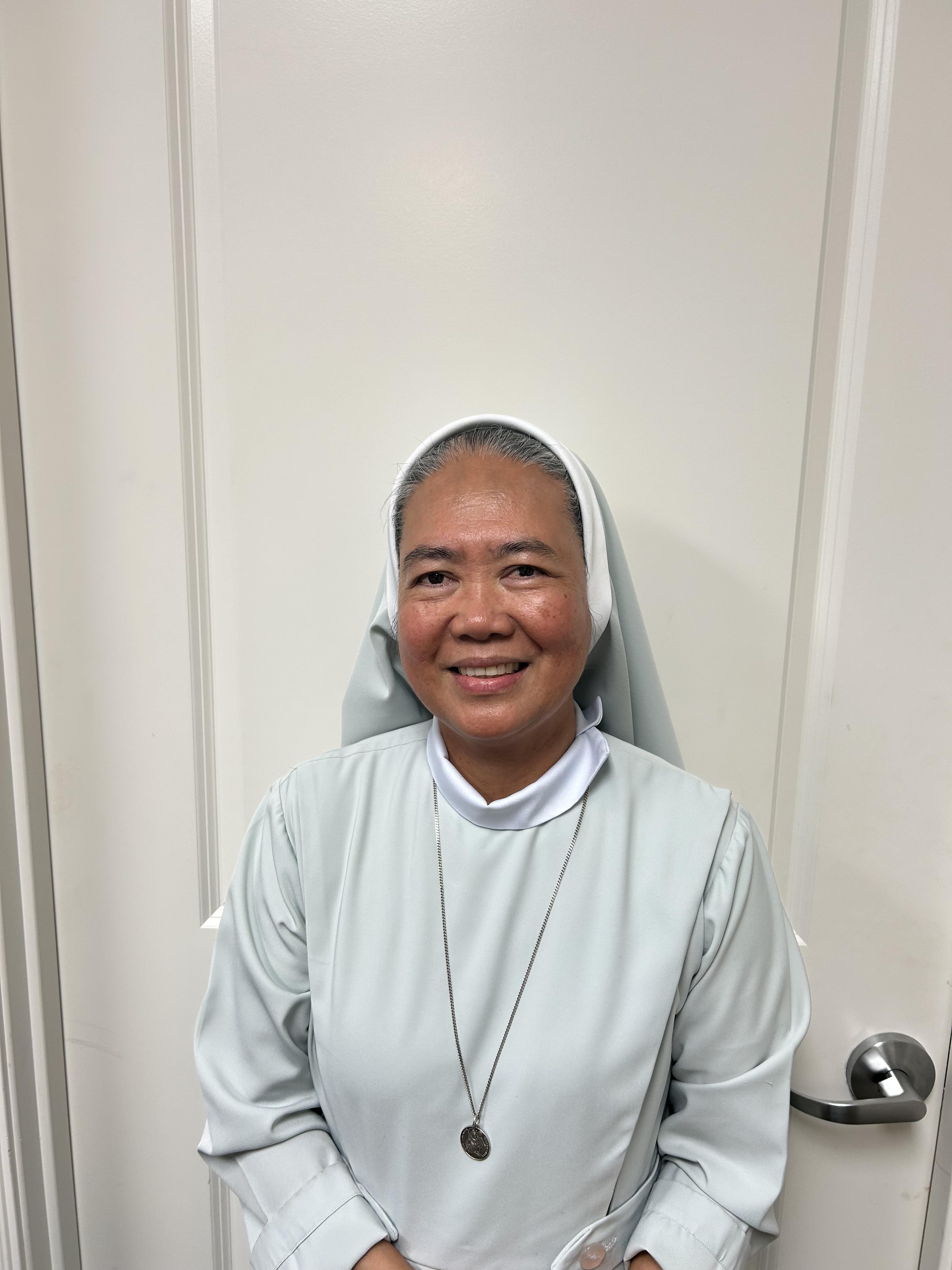
She tells them: “We are sisters; we serve the Lord. The habit that you see is a reminder that we are set apart, that we have a special mission to be with you, and to help you, and love you.” She explains further that God’s love and mercy are given to her for this mission. “And I try to convey to the girls that God’s love and mercy extend to them in their lives, too,” she said.
In public, Sister Norma is often greeted with friendly smiles. “For me personally, wearing a habit is a message to say to the world that I am consecrated, that I am set apart, and I am very happy for that.”
Back in the Habit
Sister Mary Kathleen Ronan with the Religious Sisters of Mercy transferred from an order that had dropped the habit. It was the classic form of religious life, community living, sharing and obedience that drew her to the new order.
“The habit is an outer manifestation of an interior reality,” she said.
She recalled a fellow sister seated on a plane next to a man who announced, “This is what my mother has been praying for me.”
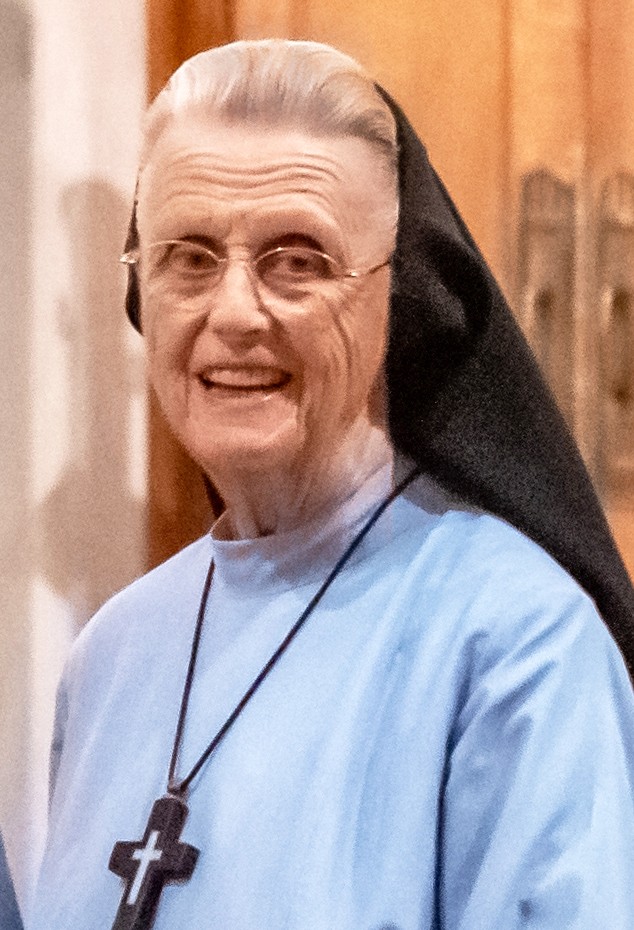
“It was the most delightful story,” Sister Kathleen, who serves as the director of religious education for the Diocese of Lake Charles, Louisiana, told the Register. “Seeing a sister in a habit reminded him of his mother praying for him.”
“It’s all a moment of grace,” Sister Kathleen said. “People generally say thank you for what you are doing. I say to myself, ‘Thank you, God, for such a grace you fostered in that person. It’s a gratefulness to you.’ They understand we are a big family in God.”
Serving the Infirm and Dying
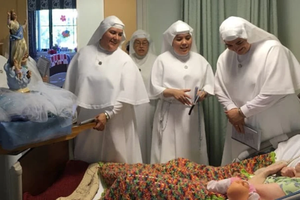
Carmelite Sister M. Paul Anthony Videtich, with the Carmelite Sisters for the Aged and Infirm, has been wearing a habit for 53 years and serves at St. Teresa’s Motherhouse in Germantown, New York. She was a nurse before joining her community and later attended school in New York City for health-care management. “I noticed that people would often ask me for directions. If I didn’t know the answer, I’d ask someone else for help. People know we are safe and are willing to help them.”
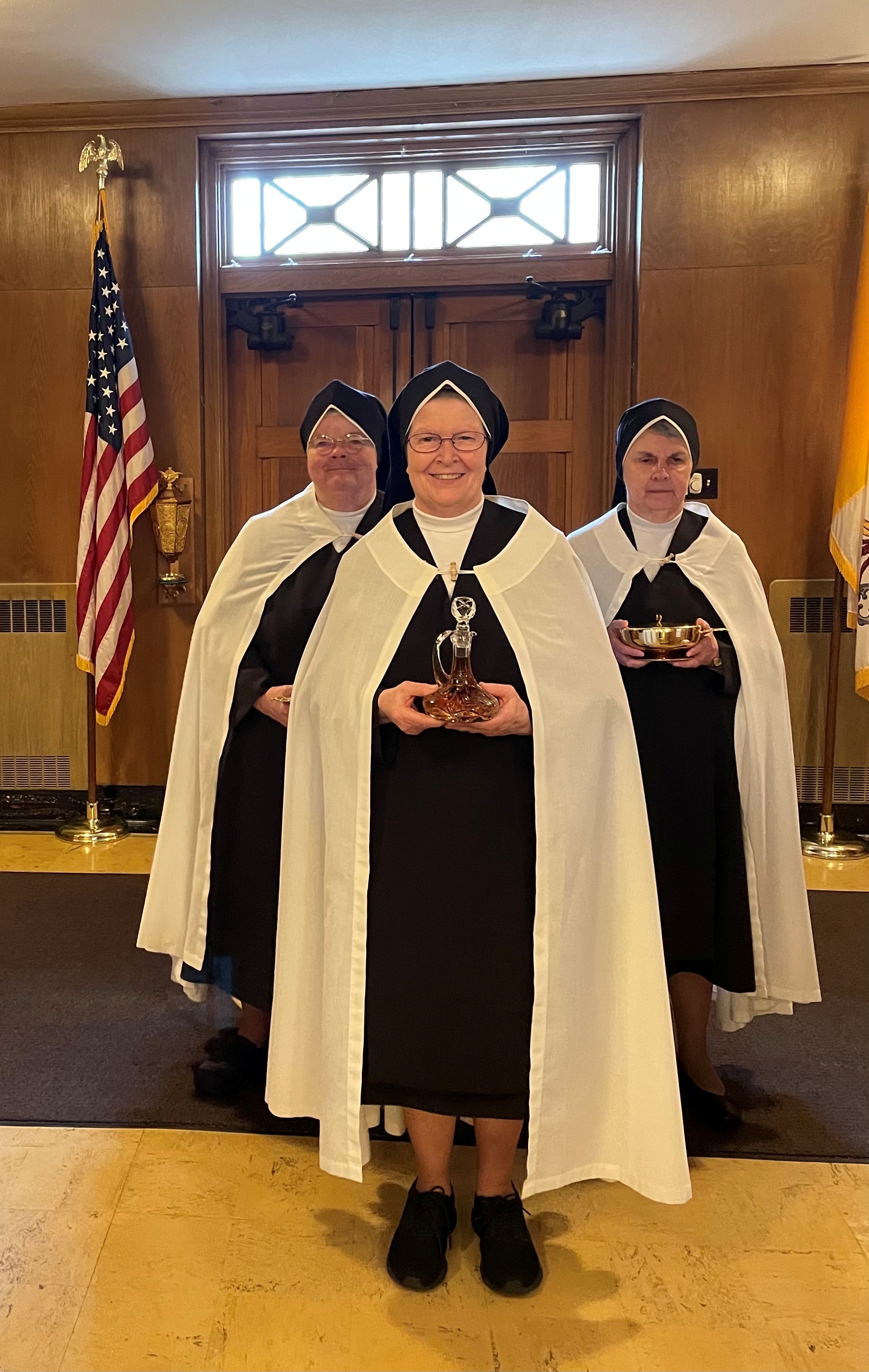
“People often smile and say, ‘Good morning, Sister,’ or ask for prayers,” she shared. “And it’s not uncommon to be in a restaurant and have someone reach over and take your bill. That’s not why we do it, but people know we’ve embraced this lifestyle and that we take a vow of poverty.”
At work, Sister Paul cares for the seniors and the infirm and interacts with medical staff. “This is our professional work, but it goes deeper, so we wear the habit every day as a witness to our total life commitment,” she said.
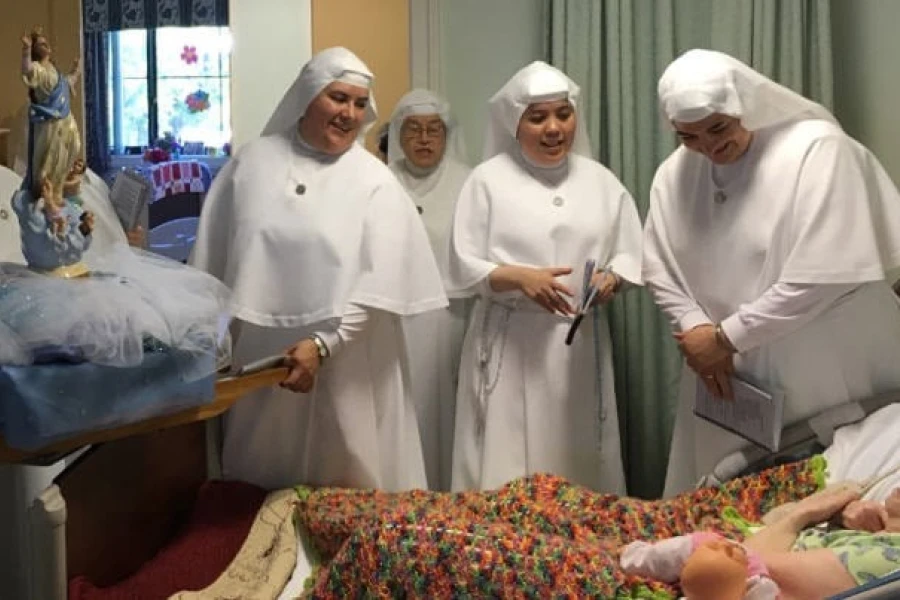
Sister Catherine Bussen is a member of the Sister Servants of Mary, Ministers to the Sick, who serve on four continents and five locations in the U.S. They care for the sick and dying in their own homes, which includes supporting families, such as giving them a chance to rest, regardless of their religious association. While caring for their physical needs, the sisters also look for ways to support them spiritually, which might include praying the Rosary or Chaplet of Divine Mercy or arranging for last rites for a Catholic family or finding common ground to pray together with families of other faiths.
When they are out in public, Sister Catherine said their habits represent who they are. “People are grateful for the physical sign reminding them of something higher; it reminds them of God,” she said. “People know they can come to us and ask us to pray for them because of the exterior sign of the spiritual reality. They expect us to pray for them, which is very humbling.”
The order was founded with a black habit in the early 1900s but later added a white habit for their nursing ministry or in warm climates. “In our white habit, we are often affectionately called ‘angels,’” Sister Catherine explained. When serving at the home of a non-Catholic, the habit might be foreign to them, but she explained that once they get to know the sisters, they like it.
Reflecting on the habit, Sister Catherine said, “It also helps us to remember our role and who we are as consecrated women.”
She added: “We do love our habit very much. All of our sisters would tell you that.”

Patti Maguire Armstrong Patti (Maguire) Armstrong is an award-winning journalist and was managing editor and co-author of the bestselling Amazing Grace Series. Her latest books are the humorous and inspirational second-edition Dear God, I Don't Get It, Dear God, You Can't Be Serious!, What Would Monica Do?, Holy Hacks and Michelle Duppong: Hope in the Depths of Suffering. Patti worked in social work and public administration before staying home as a freelance writer while she and Mark raised their 10 children in North Dakota. Follow her on Twitter at @PattiArmstrong and read her blog at PattiMaguireArmstrong.com.