What This Connecticut Cloistered Community Teaches a Hurried World
Dominican nuns provide a witness to the value of stillness and quiet contemplation.
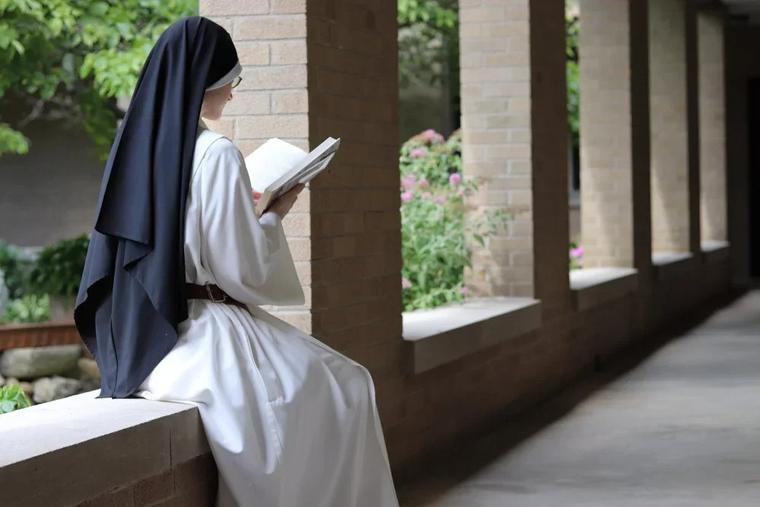
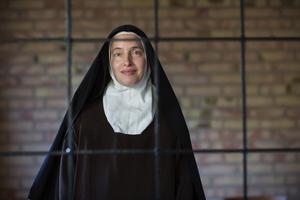
Sister Maria of the Angels was enraptured by the silence when she arrived more than 40 years ago at the Dominican Monastery of Our Lady of Grace in North Guilford, Connecticut.
Though growing up nearly a half-hour away, she had never heard about the 200-acre monastery, nestled in a rural area on the southern coast of the Nutmeg State, until adulthood. After moving to Guilford for work and becoming active in a local parish, several friends — who would visit the cloistered community on Sundays — invited her to join them.
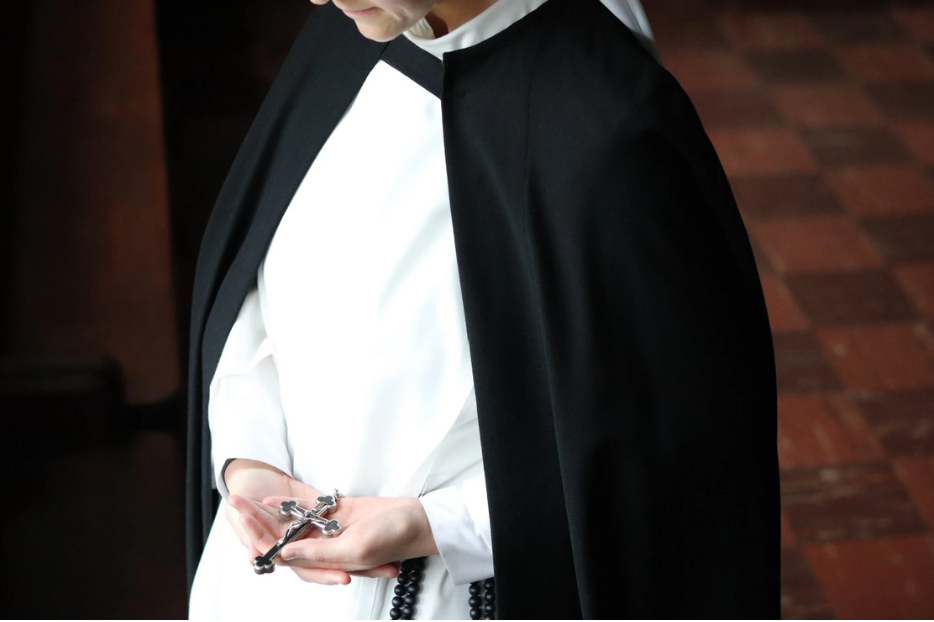
Until then, Sister Maria’s life had been “quite tumultuous” after her mother died when she was young. Her faith remained strong, despite the challenges, but Susan (her given name) never considered a contemplative vocation until a parishioner asked if she had. To Sister Maria, it felt as though “the Lord intervened.”
“Eventually, I drove up; and as soon as I pulled up in front of the monastery, the silence of the place was tangible and I was captivated,” she told the Register. While sitting in the public chapel on one occasion, Sister Maria was “blown away” by the nuns’ witness of worship.
Now in her second three-year term as prioress, Sister Maria oversees the administrative details of the community and the practical rhythms of monastic life — working in the kitchen, cleaning the bathrooms, and helping with general property maintenance along with more than 20 nuns whose ages range from 27 to 95.
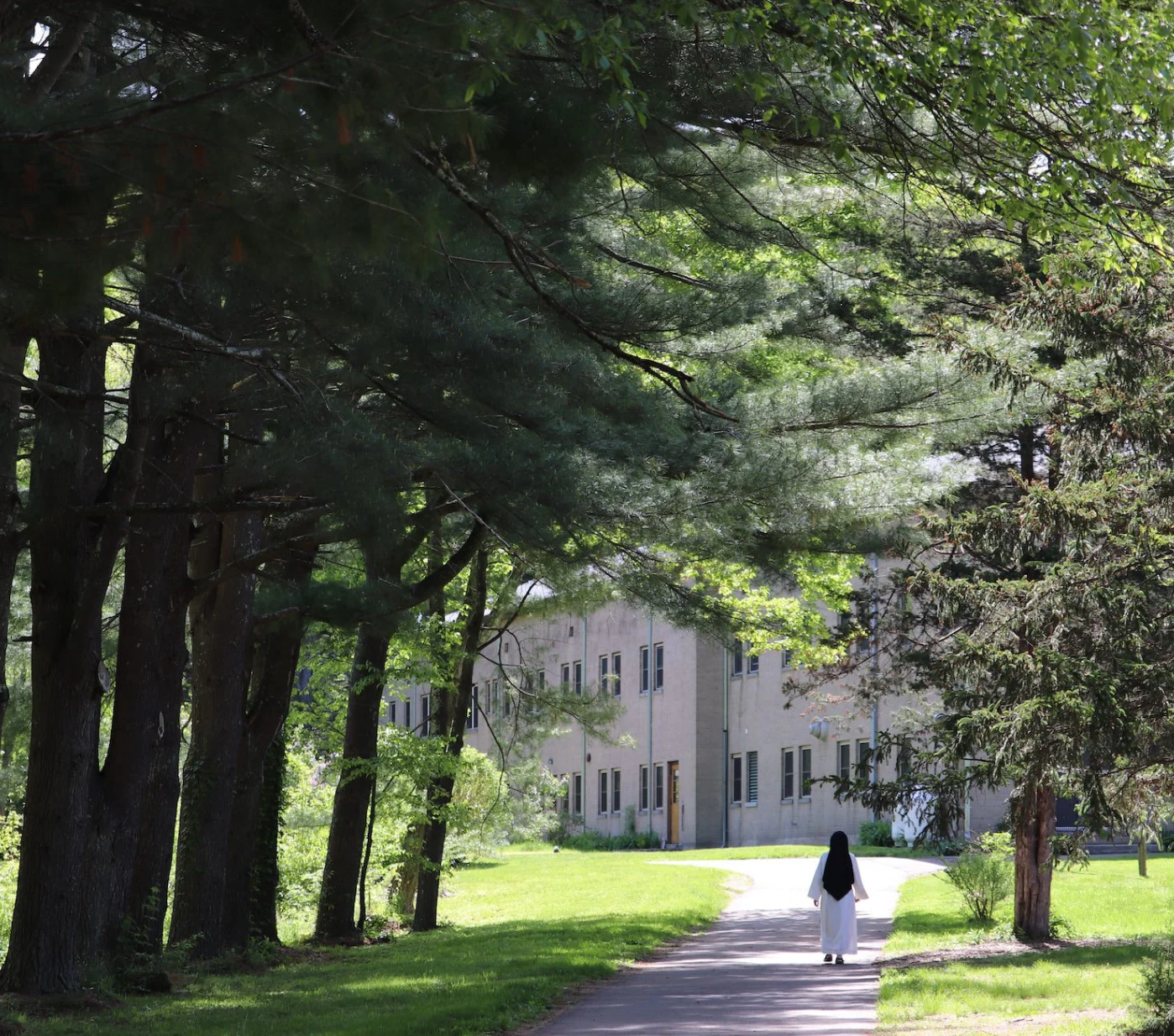
The monastery upholds a spiritually rigorous schedule — known as the Horarium — centered on prayer, work, study, adoration of the Blessed Sacrament, recreation and, above all, silence. In the 21st century, this secluded existence stands in stark contrast in an age accelerating toward increased individualism, connectivity and technological leaps like virtual realities and artificial intelligence.
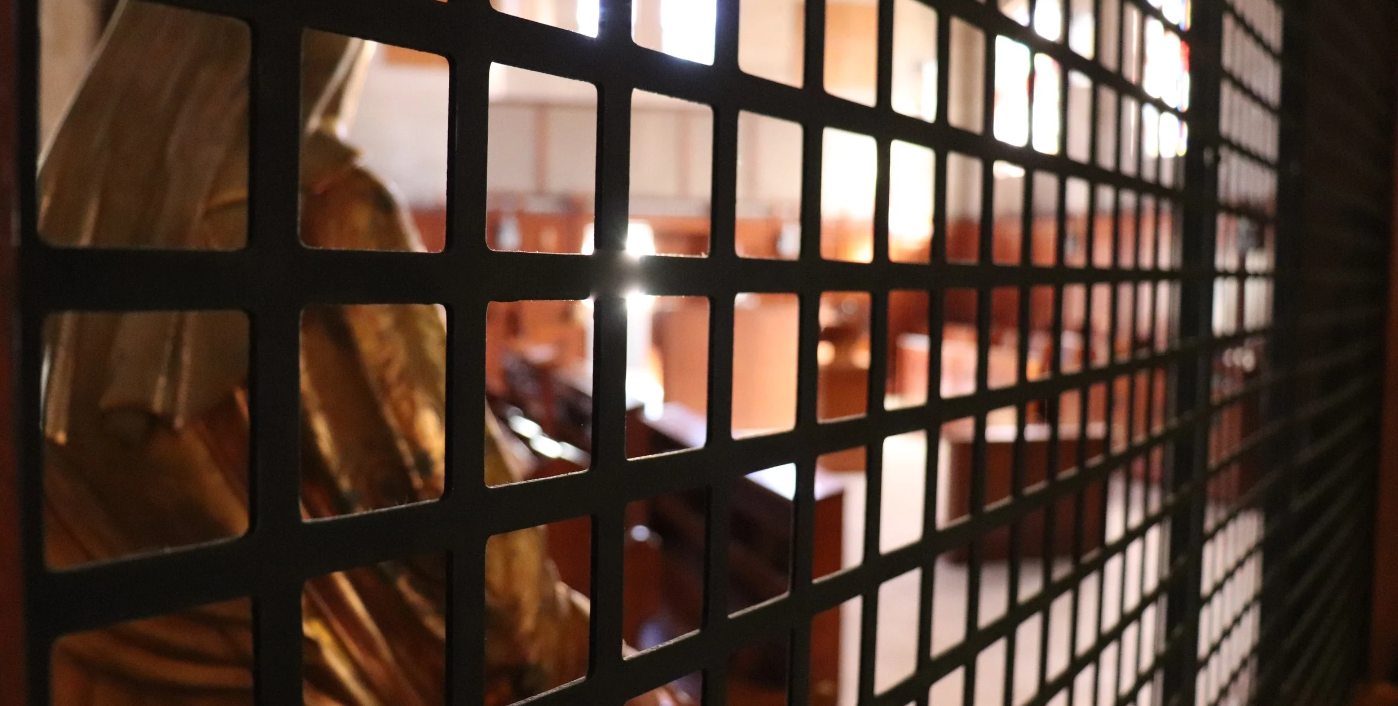
To outsiders, a cloistered life may appear like self-imposed confinement.
But to these Dominican nuns, it is the opposite: Within the monastery’s walls and grounds, they find liberation — and a deeper relationship with the Creator and his gift of creation.
“By withdrawing from the world, by limiting our space and the contacts we have, we are freed from empty preoccupations and paradoxically are free to enter more fully into what is really the ‘real world,’” Sister Maria told the Register. “A contemplative life well lived means living in reality, in truth, relating to the world as God knows it to be.”
A Life of Worship
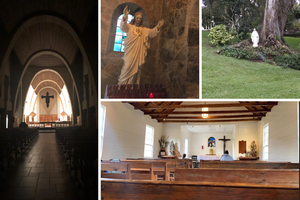
For more than 75 years, the Dominican Monastery of Our Lady of Grace has called North Guilford, in the Archdiocese of Hartford, home. Its foundress, Mother Mary of Jesus Crucified (1892-1978), who had established Our Lady of the Rosary Monastery in Summit, New Jersey, was gifted the Connecticut property that once belonged to early settlers of Guilford, the Chittenden family.
With an old farmhouse and two barns on the property, Mother Mary and 14 other nuns transformed the site into a “makeshift monastery,” moving into the area on Jan. 21, 1947. By 1955, the community also expanded with nearly 50 nuns; but their efforts were almost dashed. That same year, on Dec. 23, a fire burned the entire building and killed three nuns: Sister Mary Dolores, Sister Mary Constance and Sister Mary Regina.
In the tragedy’s aftermath, the Dominican nuns spent several years at the Walter House in West Haven, Connecticut, until the partial completion of a new monastery — a rectangular building of four wings around a cloistered court — on Easter Sunday, April 7, 1958.
In the following decades, the nuns’ contemplative witness reached far beyond Connecticut. Alongside the Dominican Fathers at St. Thomas Aquinas Regional Seminary in Nairobi, Kenya, they helped establish the Corpus Christi Monastery on a 50-acre plot — the first monastery of perpetual adoration in East Africa, according to the order’s website.
After the Second Vatican Council concluded in 1965, the monastery received new constitutions — finalized in 1986 — that renewed their commitment to “a more authentic and traditional exercise of Dominican government and a reclaiming of roots in the ancient monastic tradition.” This contemplative lineage traces back to St. Dominic, who founded the first community of nuns in 1206 in Prouille, France.
“Our life is at the heart of, and at the service of, the mission of the whole order, which is preaching and the salvation of souls,” Sister Maria told the Register. “Everything is ordered to the one end — salvation of souls. We are called to live the reconciliation of all things that the brethren preach.”
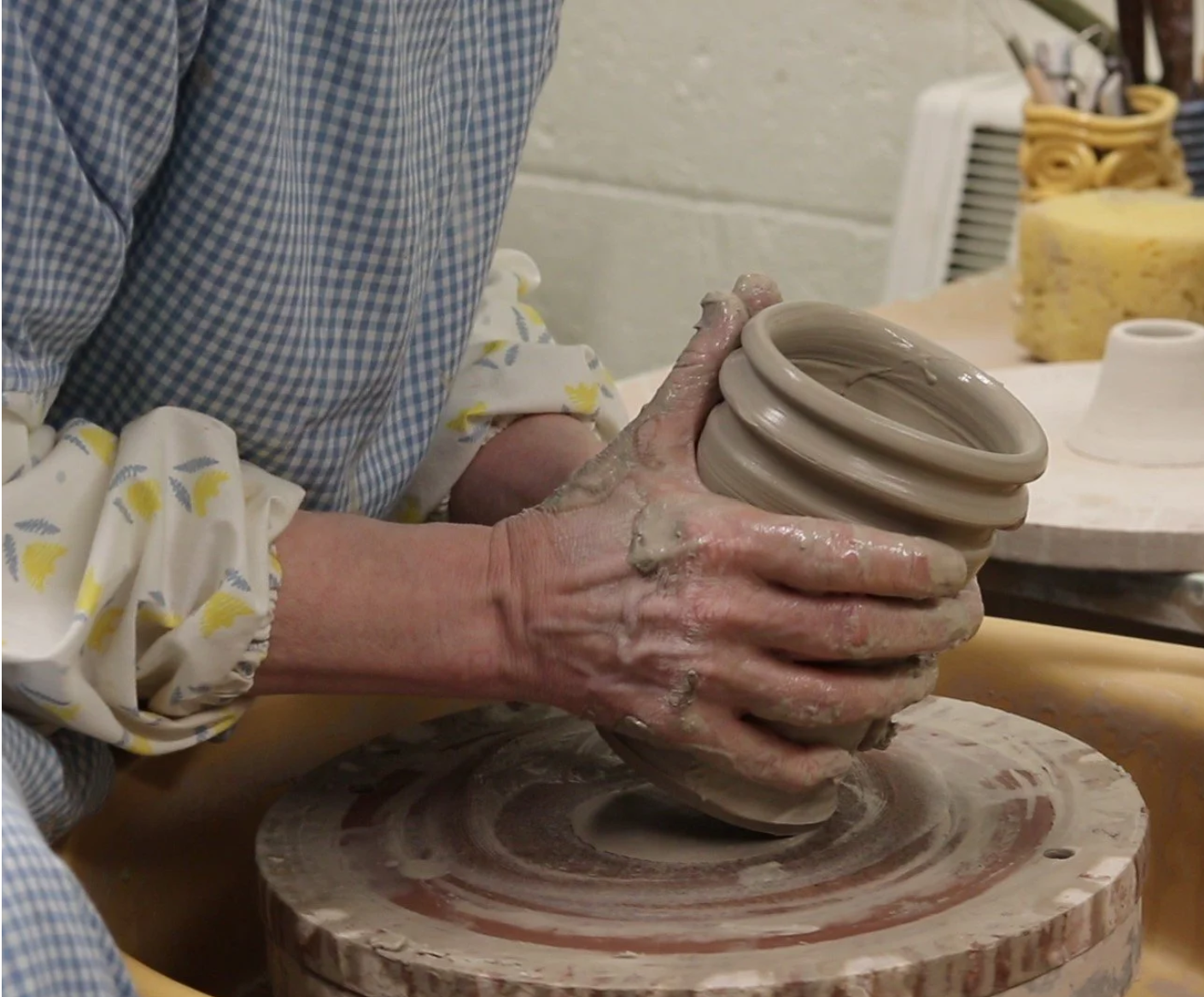
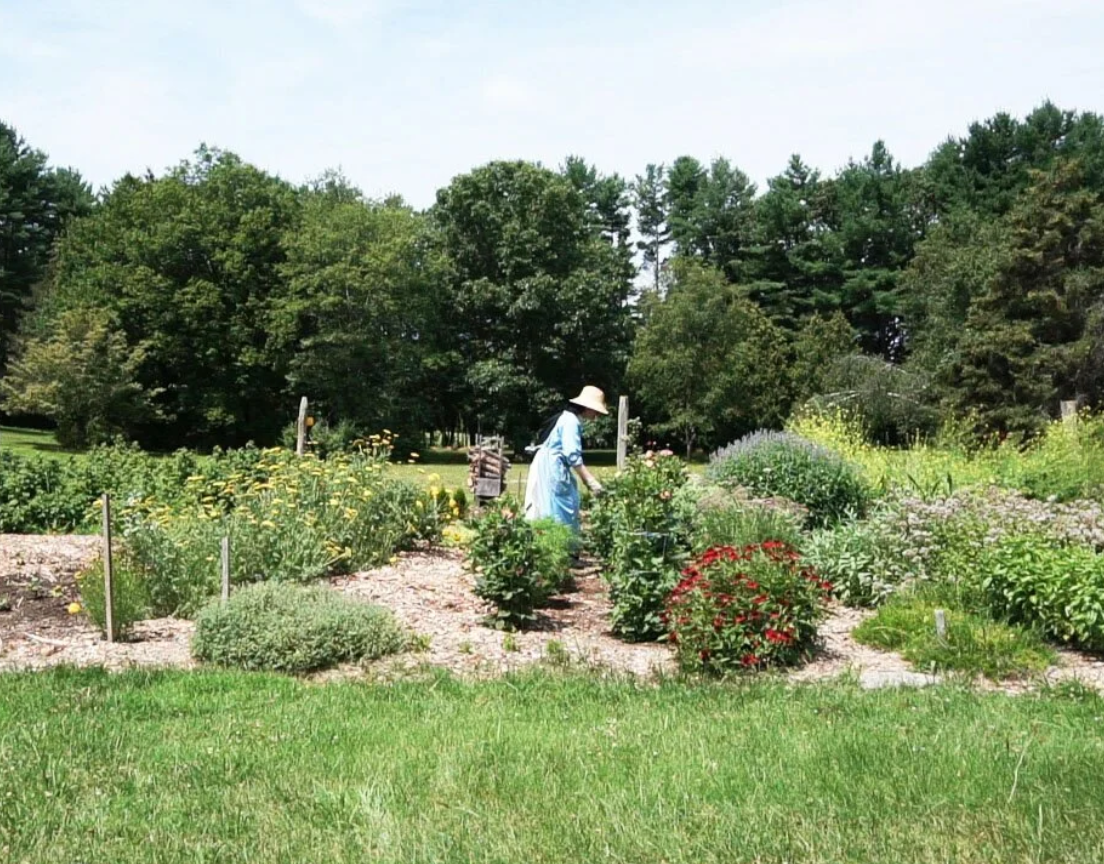
In practice, this translates into a life that balances both manual and intellectual work. The nuns handle daily tasks such as laundry, sewing, cleaning, cooking, gardening, fudge and candle making, while also engaging in editing, indexing and theological study. Each task, however, presents opportunities to give oneself fully to Christ and the community, Sister Maria explained.
Typically, the nuns’ days start at around 5 a.m., and end with “profound silence” at 9:30 p.m., during which no one speaks or works, to promote not only rest, but an “intimacy with the Lord,” Sister Maria told the Register. In between, there are periods of prayer, Mass, work, meals, recreation, lectio divina (prayerful reading of Scripture) and study, which is “essential” to their lives, as Sister Maria described. This schedule is relatively consistent throughout the week, with small variations on weekends, federal holidays and certain solemnities — such as the feast of St. Dominic.
The monastery also regularly holds nocturnal vigils, with nuns taking turns in adoration throughout the night, “bringing before [Christ] the cries of our broken world,” Sister Maria told the Register. Until the pandemic, perpetual adoration continued unbroken; today, those efforts are being “gradually” reinstated.
Such a “culture of obedience,” however, is not about rigidity but spiritual transformation, which “conforms us more closely to Jesus in his obedience to the Father for the life of the world,” Sister Maria said. “Gradually, the structure is internalized and the rhythm of the day, centered around the Sacrifice of the Mass and the Liturgy of the Hours, becomes inscribed in our bodies and souls, freeing us for a life of worship.”
Spouses of the Word
For Sister Maria, monastic life has brought her “innumerable joys,” especially the experience of “living a life of worship” in which “everything is shaped by the liturgy and the liturgical cycle,” she told the Register. From accompanying dying nuns to welcoming new members (of which six women are in the application process), her days are filled with blessings, including even harvesting crops like their recent winter squash.
“The whole emphasis of our life is on receiving the Word of God,” Sister Maria told the Register. “Being available to the Word, having the maximum receptivity and attentiveness, requires silence — exterior silence but above all silence of the heart.”
This silence helps strengthen one’s faith, she said, adding, “This holy restlessness can happen in the depths of a heart already quieted by hope and charity.”
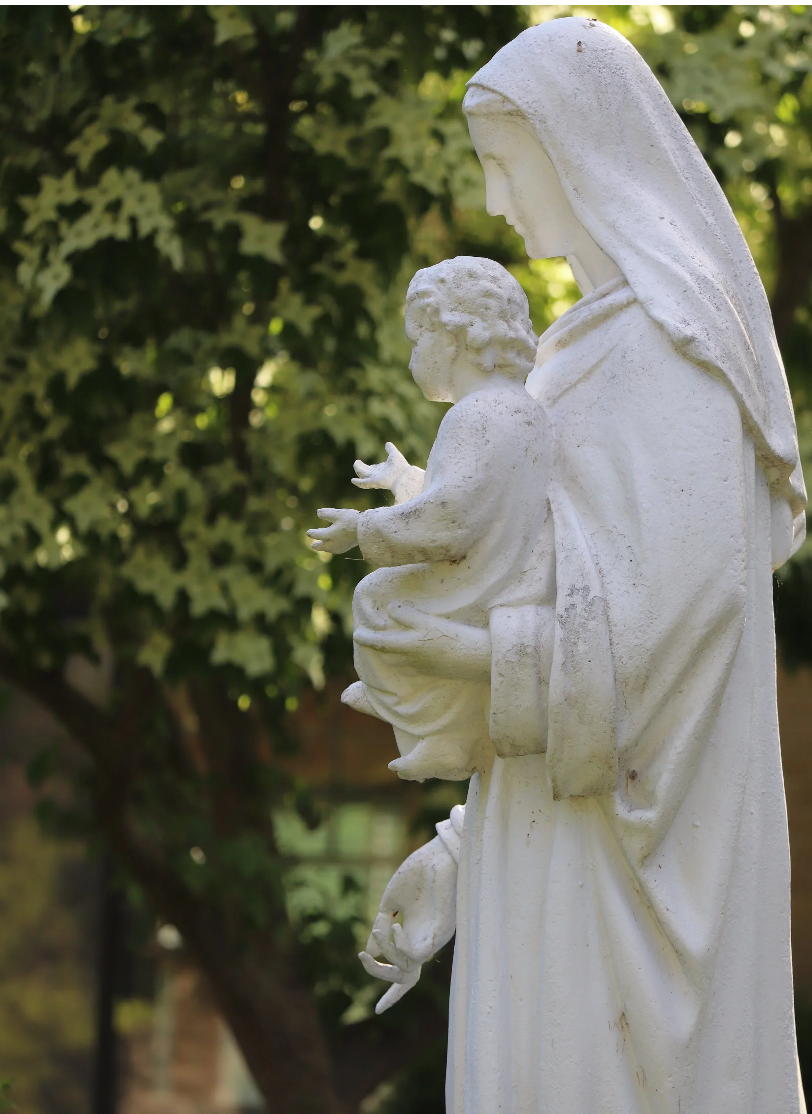
Still, there are challenges. The pandemic hit the community hard — one nun died — and maintaining the grounds also presents some difficulties. Nevertheless, the monastery recently expanded with the purchase of nearly 70 acres across the street from the enclosure, providing an added “buffer to protect our silence, our privacy,” Sister Maria told the Register.
To assist with the upkeep, the monastery has two full-time maintenance employees, one part-time infirmary aide, and another part-time employee who helps with housekeeping for guest areas. The community also supports itself through a gift shop — selling books, handcrafted items, maple syrup and fudge — while donations and retreat rentals further supplement their needs.
Though cloistered, the monastery continues to welcome the public for adoration, Mass and the Liturgy of the Hours. Moreover, twice a year, the nuns have a special Marian devotion: in May a “Crowning of Our Lady” and in October the Rosary pilgrimage (vespers, the Rosary, Benediction and procession to the Shrine of Our Lady of Fatima across the street from the monastery). The silence and, indeed, the countercultural nature of the monastery has resonated with pilgrims — both religious and nonreligious alike — over the years.
For instance, Father Henry Hoffman of the nearby Diocese of Bridgeport has visited for more than two decades, finding that “this special time away with the Lord to nourish me” as reinvigorating toward his pastoral mission.
“This is indeed a special place, where one can escape the overwhelming stimuli of our daily life in the world, so that we can find that quiet time and place to meet the Lord,” the priest said.
Similarly, Maryann Santos of Meriden, Connecticut, expressed in a testimonial that the monastery’s silence in “the age of noise and notifications” as a “divine blessing,” which has been “truly life-changing for me.”
Yet in a life completely dedicated to worship as a “spouse of the Word” — as the Church refers to cloistered nuns — what do they pray for?
For Sister Maria, in her heart is often a prayer of thanksgiving to God’s mercy and generosity; but the community continually prays for “peace in the world, the revitalization of our culture, the Pope, each of the nuns and their families, our benefactors, the faithful departed,” as well as for more vocations and other intentions sent to the monastery.
As for the faithful, she hopes the outside world prays for the nuns to “grow in fidelity and zeal” and “for the young women God is calling to our community.”
After more than four decades in the contemplative life, Sister Maria remains as devoted as ever. While modernity effortlessly tries to drown out silence, the community provides a living witness.
“Our constitutions speak of the witness we bear to the reality that in Christ alone is true happiness to be found — here by grace, afterward by glory,” Sister Maria told the Register. “I think our lives bear witness, as one famed Dominican friar puts it, that ‘God is worth a life.’”