From Desert Heat to Holy Ground: A Eucharistic Pilgrimage Finds Its Way
From California’s first mission to a nation longing for Christ, today’s Eucharistic pilgrimages bring Him to a weary, searching America.

“I wonder if it’s poisonous?” asked Charlie, the team lead for the “Perpetual Pilgrims.”
Capuchin Franciscan Father Christopher Iwancio didn’t miss a beat. “Most aren’t … if they don’t have a rattle."
That was all I needed to hear. Anything resembling a snake was reason enough to keep my distance.
At least this one — a 3-foot tan blur — was slithering away from the Church of Christ the Redeemer in the Diocese of San Bernardino.
Maybe he heard the Gospel.
I had just left the Navajo Nation after a nine-hour drive that felt longer. It was 111 degrees, three whole degrees warmer than the previous day. “Out of the pan and into the fire” had never felt more literal. Palm Desert, a stone’s throw from the Mojave, certainly lived up to its name.
But change was coming. The pilgrimage was heading west toward cool salt air and the Pacific’s edge, toward San Diego, where the sea breeze meets the Mission territories.
If the heat hadn’t already disoriented us, the landscape would have. The shift from desert mesas to coastal cliffs delivered a kind of geographical whiplash — not just in climate, but in meaning.
This wasn’t merely a change in scenery. It was a return to origins.
Where California’s Story Began
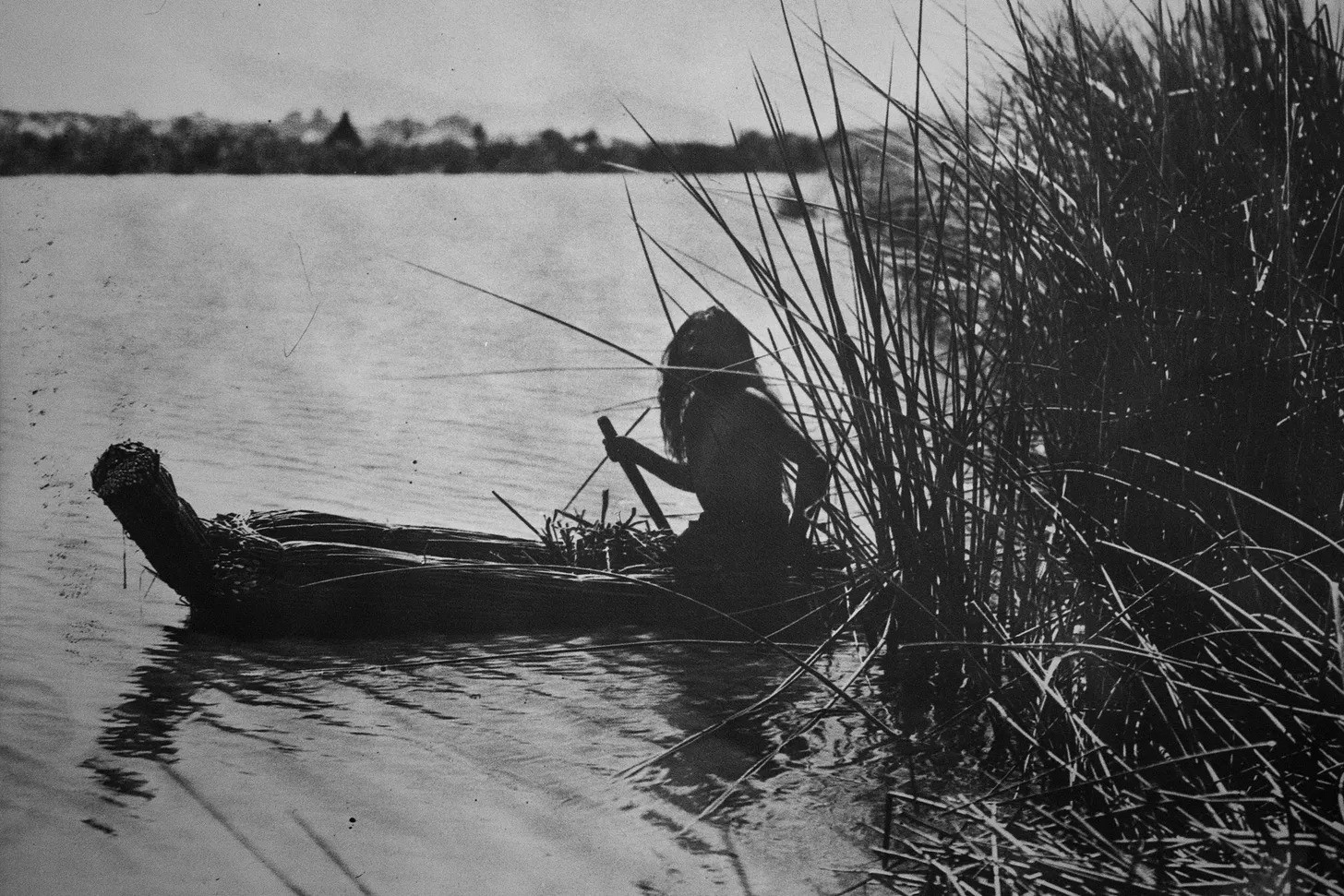
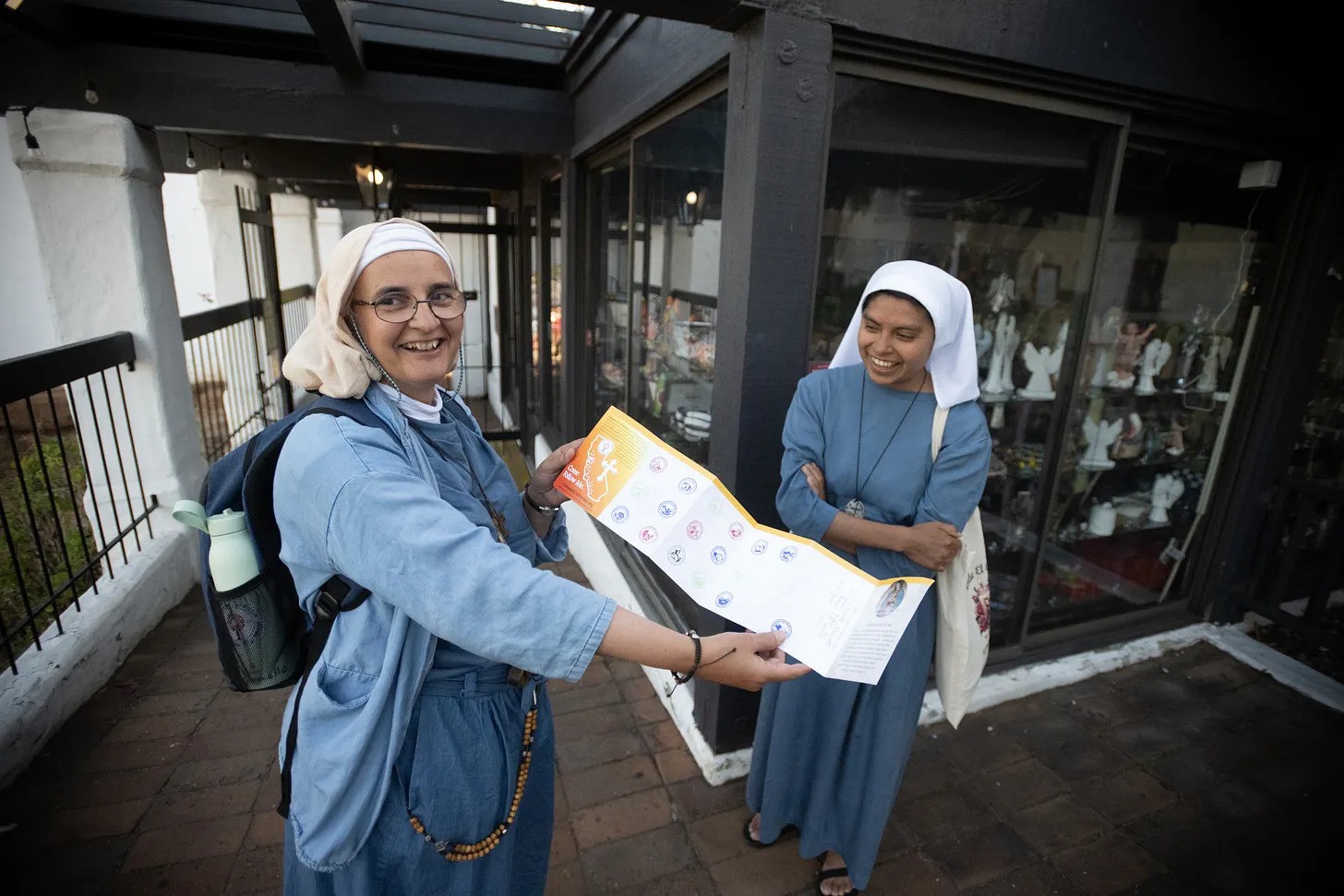
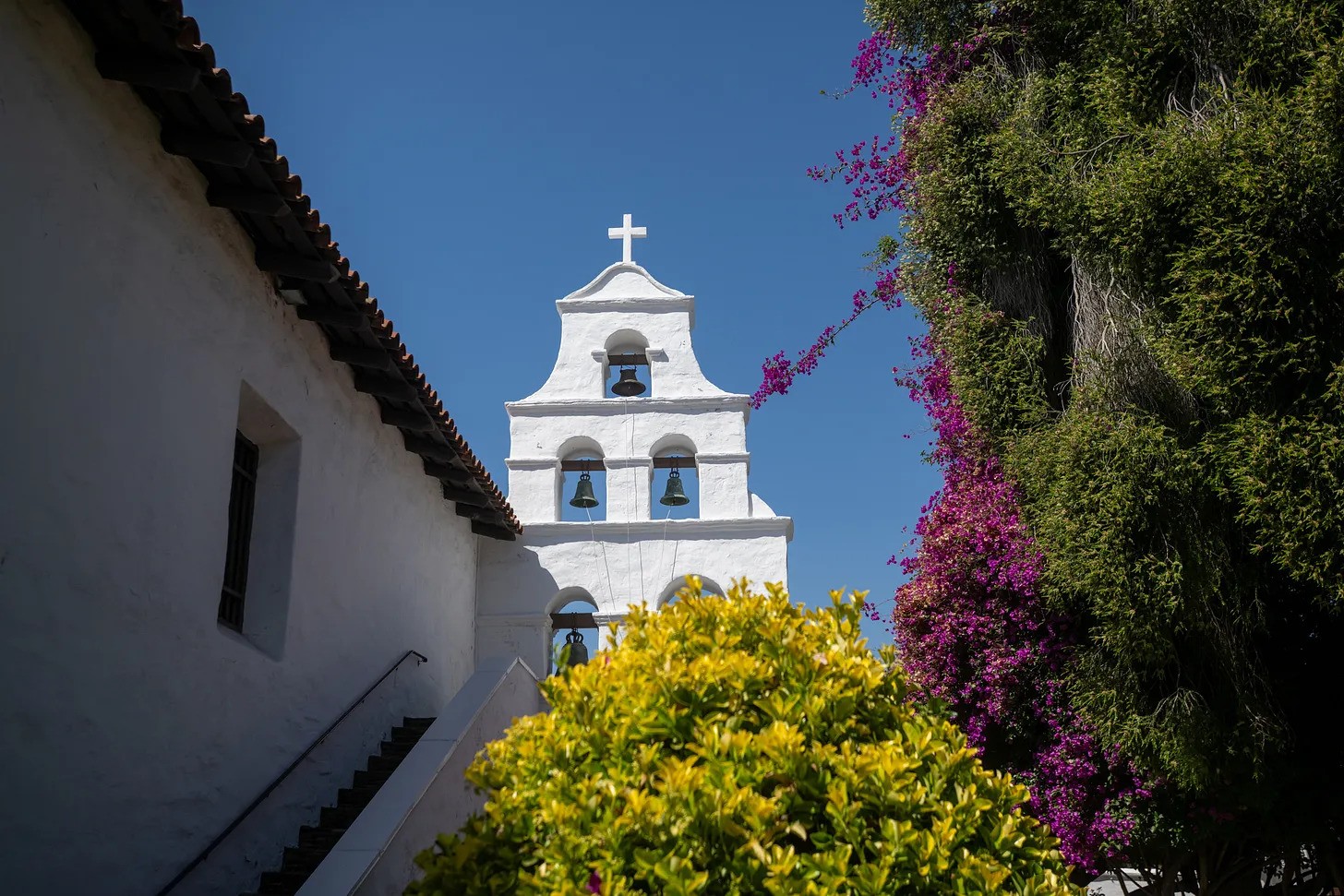
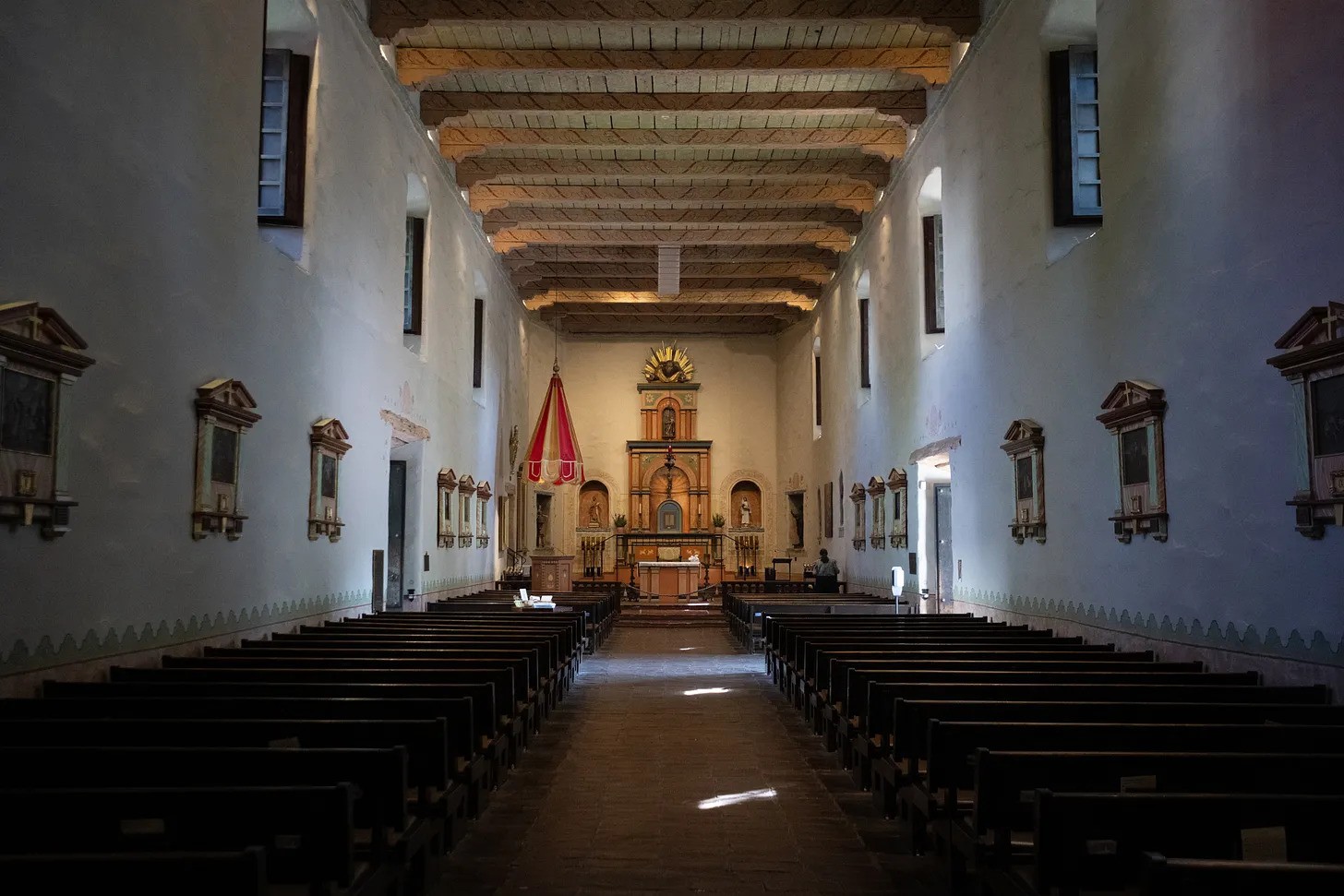
San Diego — named for Saint Didacus of Alcalá — was the gateway to Catholic California. Here, in 1769, Franciscan missionary St. Junípero Serra founded the first of the state’s missions: Mission San Diego de Alcalá. The chapel still stands, and on this pilgrimage, it would once again become a place of encounter, hosting Mass and adoration for the pilgrims from both the National Eucharistic Pilgrimage and the Camino de California, who had traveled hundreds of miles bearing Christ across this land.
California’s story began here, not with gold or governance, but with grace. Serra and those early missionaries weren’t driven by conquest but by his Presence, by the desire to make known the Real Presence of Jesus Christ to a people who did not yet know him.
Today, that mission continues. But the terrain has changed.
Mission
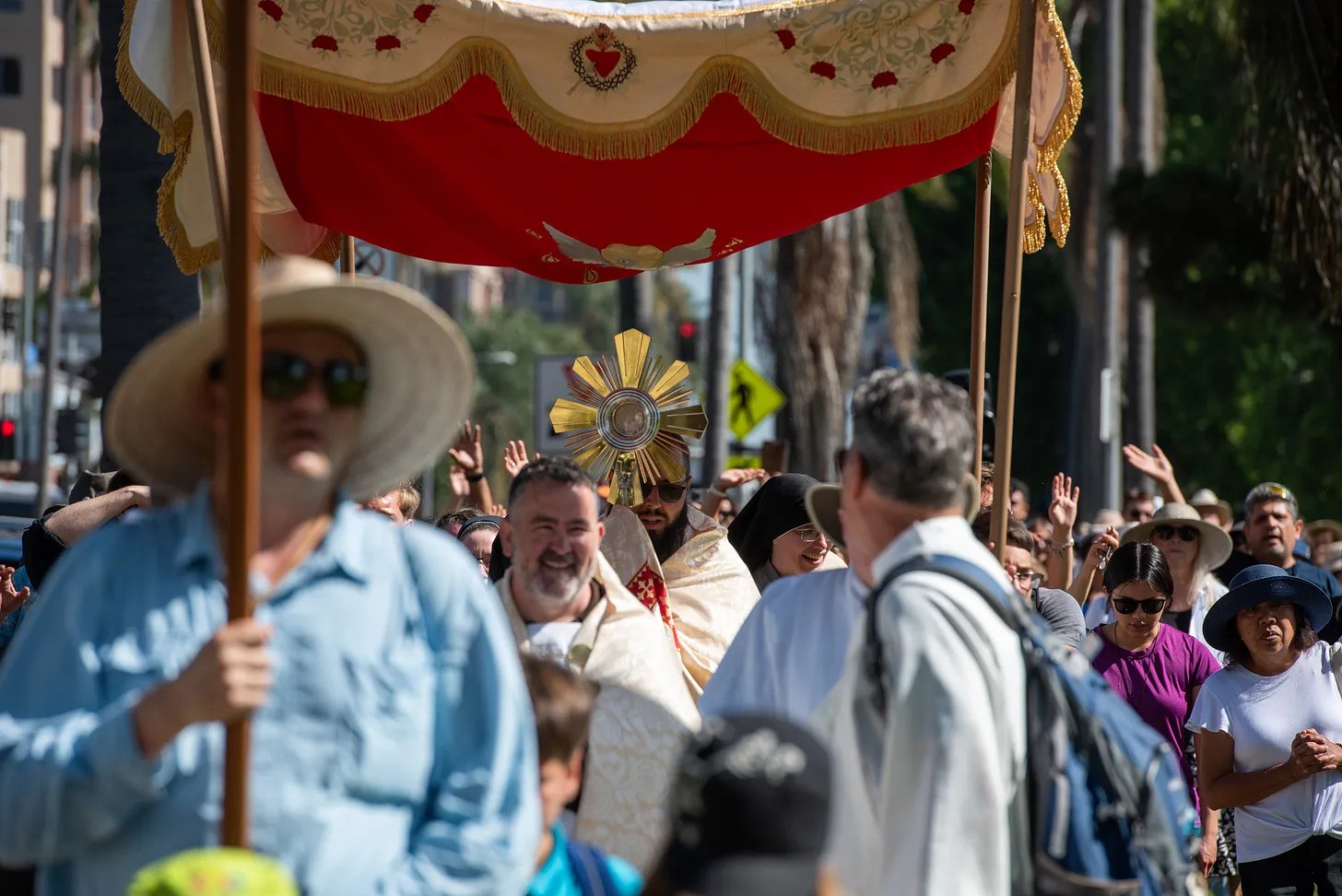
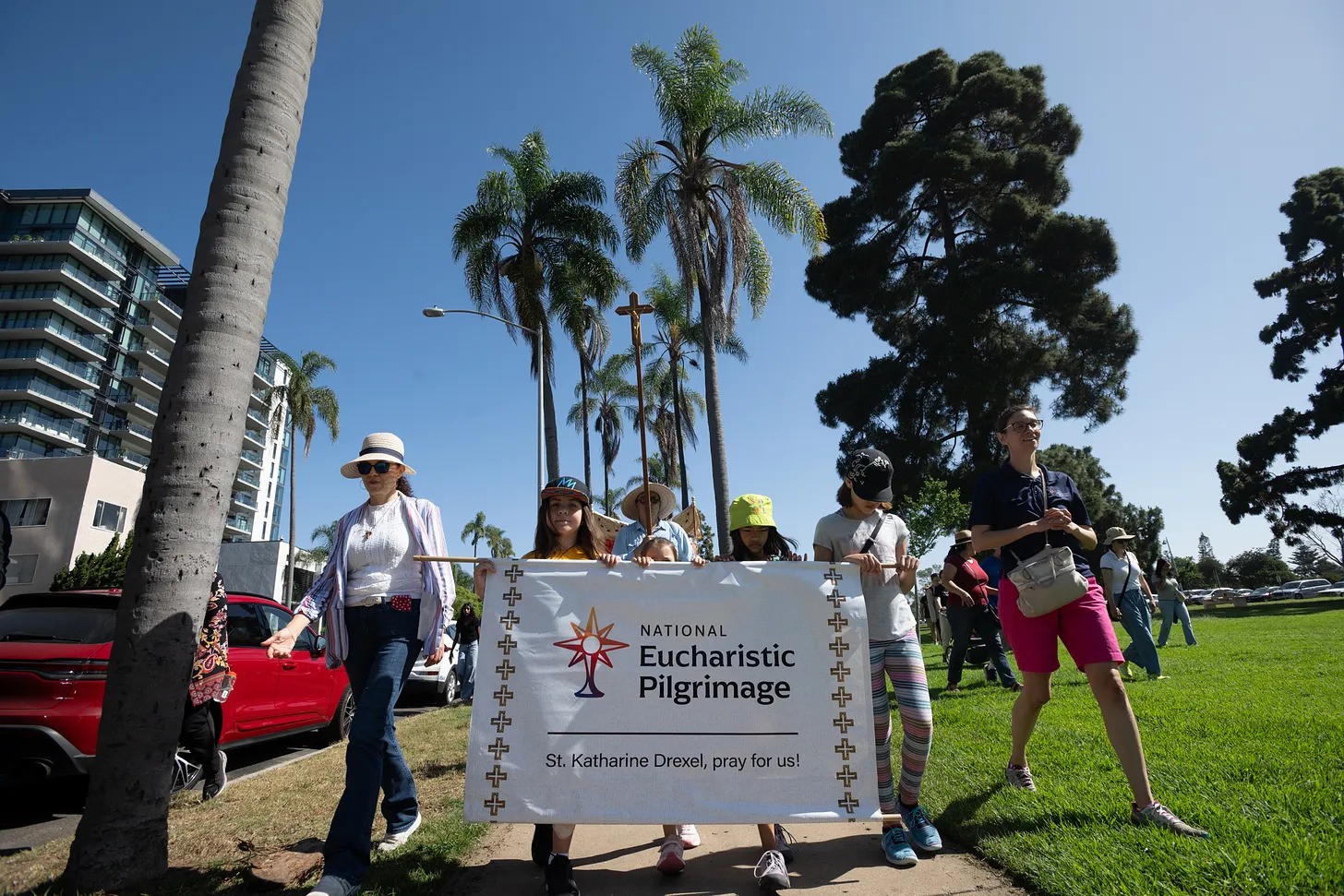
The National Eucharistic Pilgrimage, the Camino de California, and countless other Eucharistic pilgrimages are not a spectacle or publicity stunt. They are, at the very core, a mission.
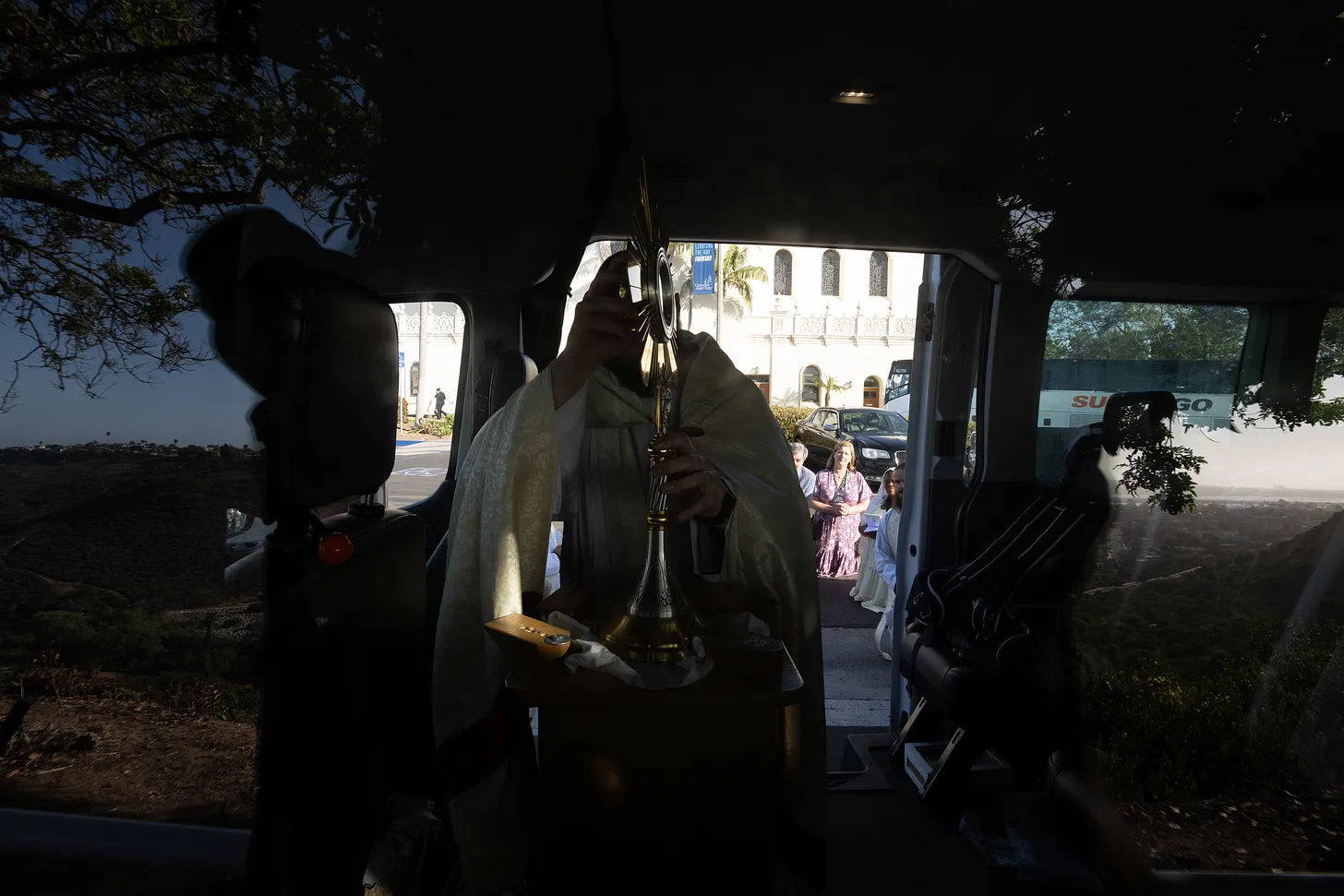
Like the first missionaries who arrived on this coastline centuries ago, these modern pilgrims carry Christ across unfamiliar terrain. But this time, the challenge isn’t reaching those who have never heard the Gospel, it’s reaching those who have heard it and no longer understand.
We live in a time saturated with information, flooded with screens and voices and distractions, where the sacred has been flattened by everyday noise. The Gospel message hasn’t been lost to history; it’s been drowned out.
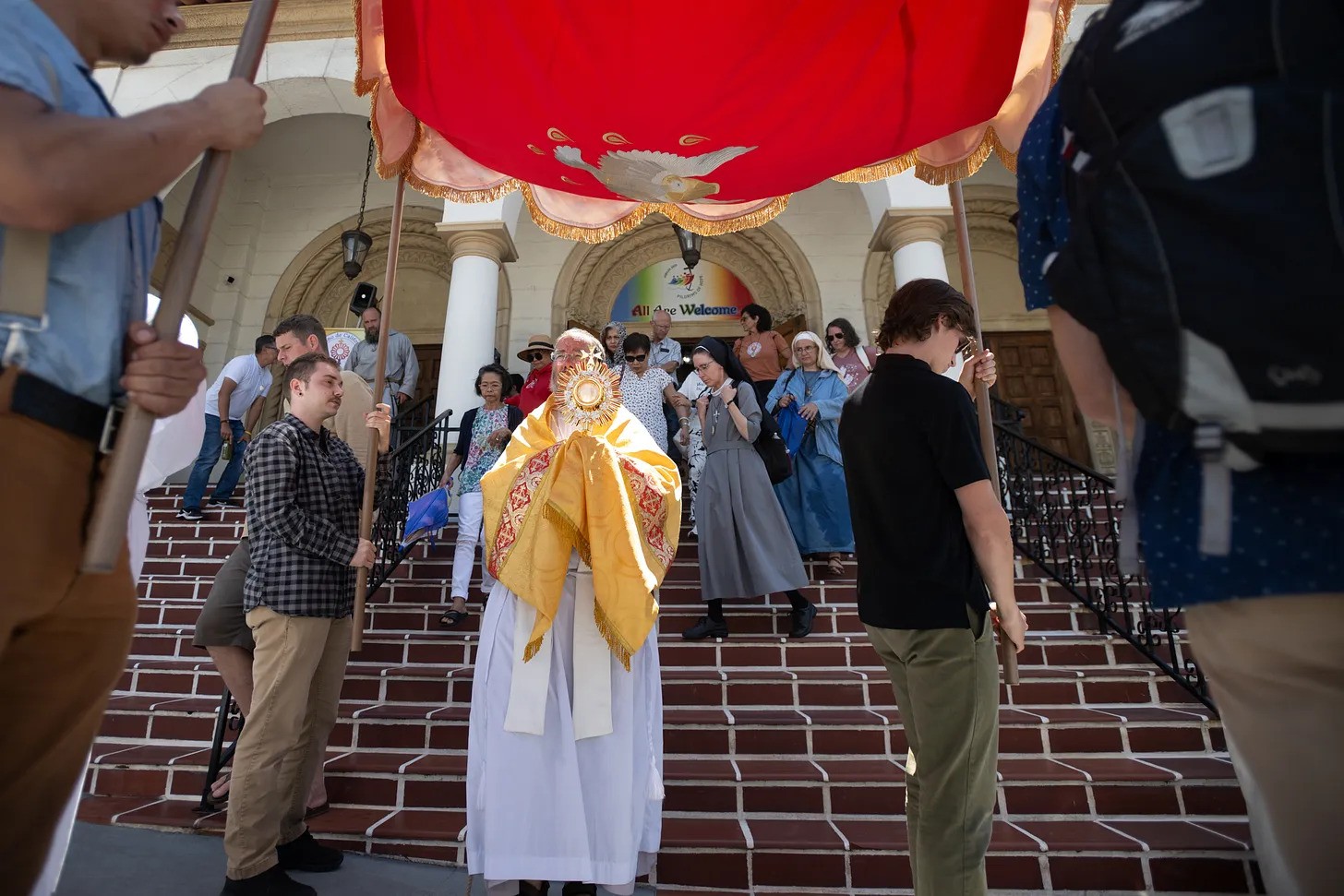
But the Church has never stopped proclaiming it. And now, in this strange, beautiful age, the Eucharist is being brought into the streets again. Not to draw attention, but to draw souls.
The Heart of It All
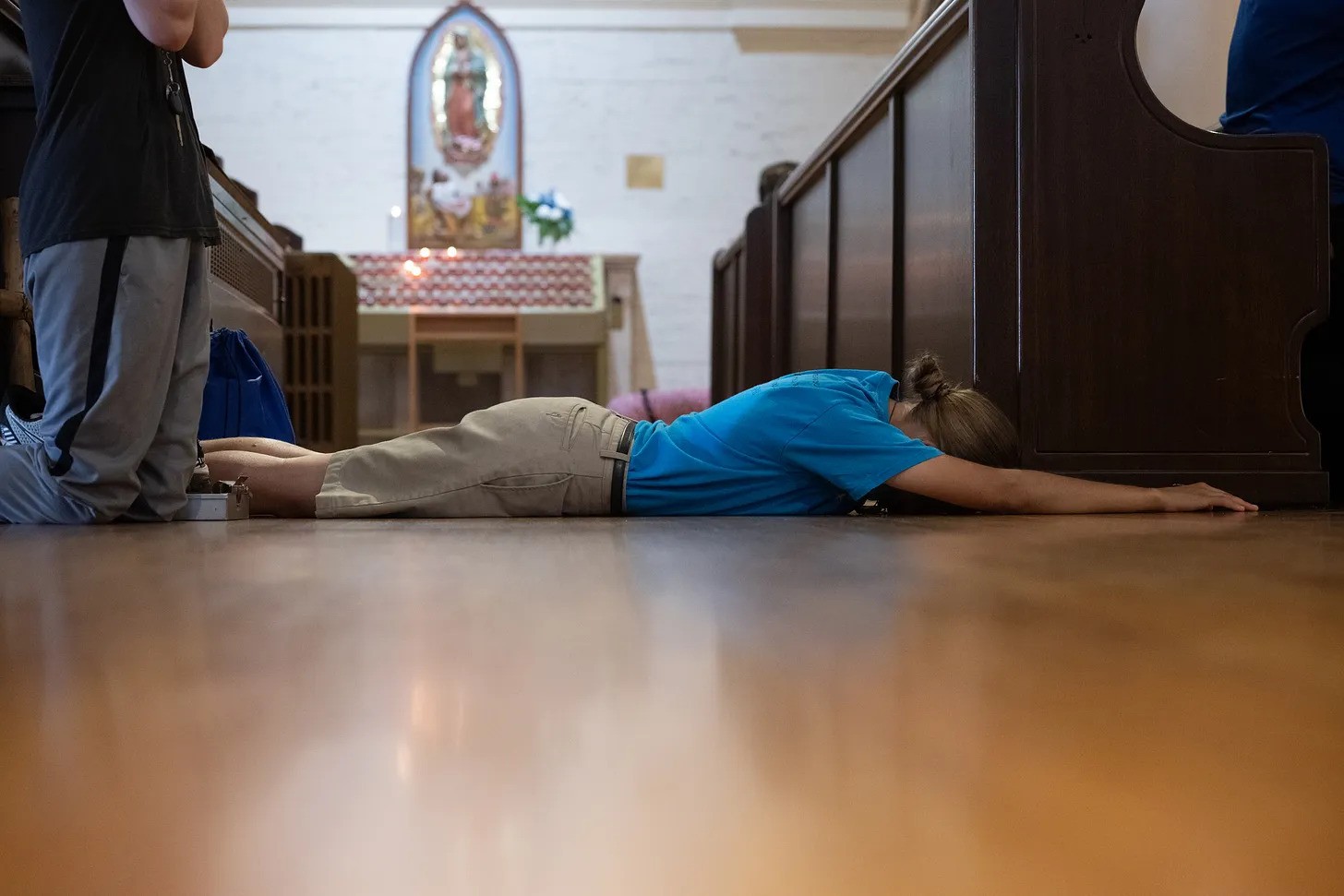
Here’s the heart of it: Catholics believe that Jesus Christ — the Lord of all creation — is truly made present at every Mass: Body, Blood, Soul and Divinity.
If we truly grasped this … nothing else would matter more.
Once this is understood, then churches would be full. There would be lines out the door. There would be awe, and tears, and trembling joy. There would be conversions, and confessions, and miracles, and, sometimes, there are.
But so often, there aren’t. Because the Truth hasn't pierced through the noise. Not yet.
That’s why the pilgrimages must grow.
St. Katharine Drexel understood. She poured out her life and fortune to bring the Eucharist to those who had been forgotten, believing that his Presence is enough.
St. Junípero Serra understood. He risked his health, comfort and legacy because he knew that bringing the Blessed Sacrament to new ground meant bringing heaven itself.
The apostles understood. They were there at the Last Supper. They heard Him say the words.
And today, the pilgrims, the modern missionaries, understand. They walk in the footsteps of saints, bringing Jesus into a weary world that has been told about him but maybe never truly met him.
The Real Miracle
We live in a world of wonders — satellites in our pockets, AI assistants in our ears, self-driving cars and voice-controlled homes. Miracles, all of them, until you encounter the Real One.
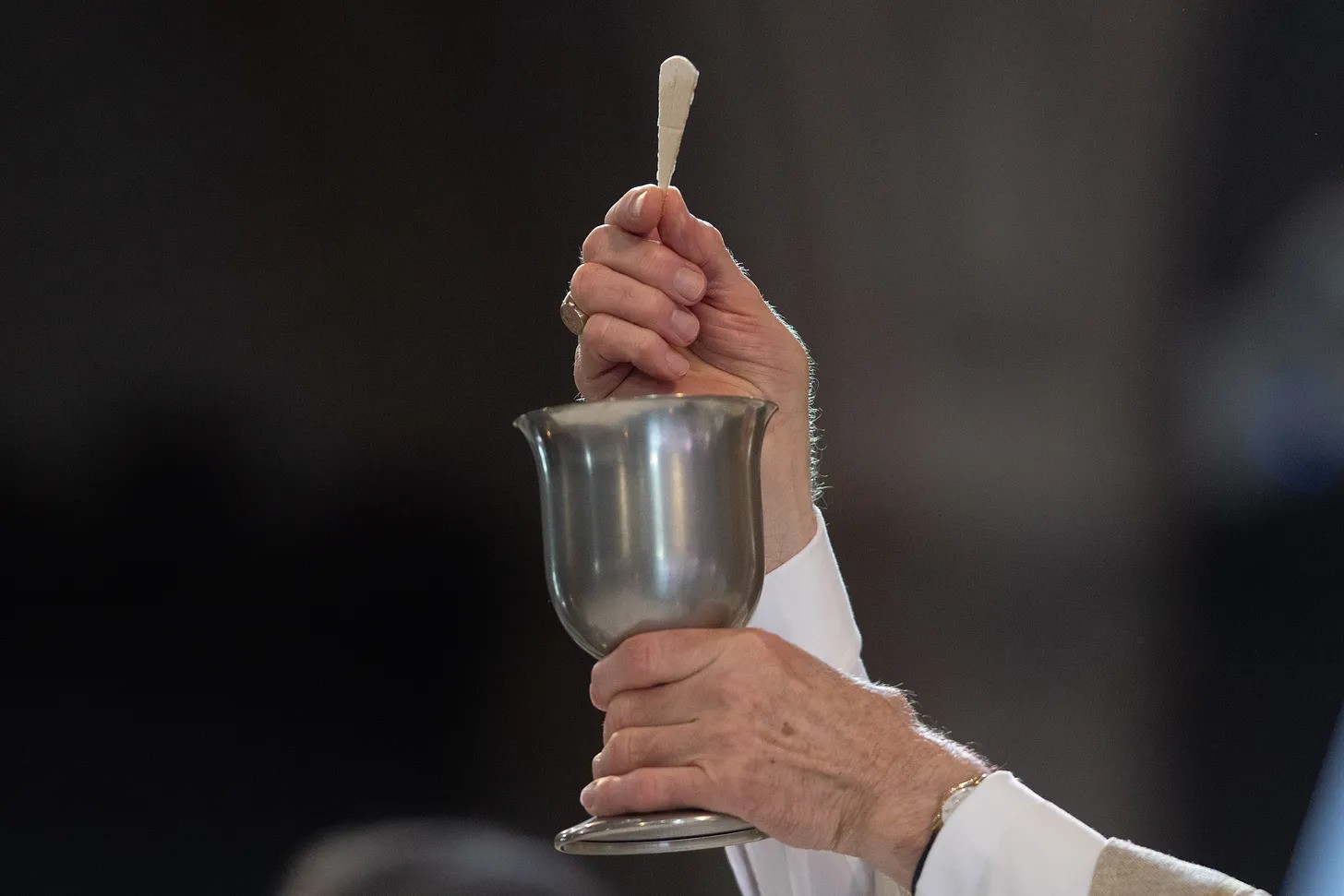
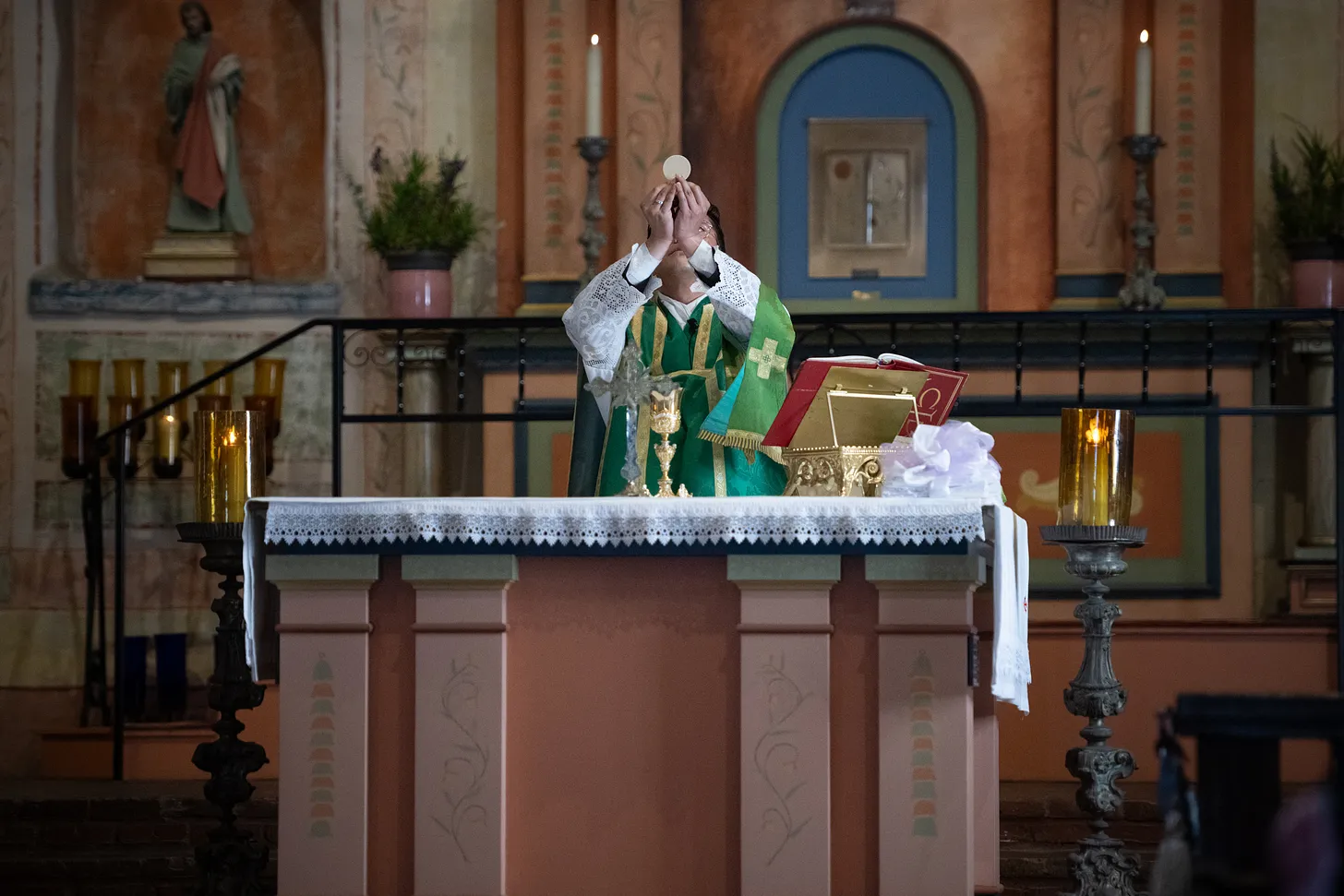
Because when the priest breathes the words of consecration, eternity breaks into time. The Word becomes flesh again … both near … and Real.
And He waits there — silent and eternal — offering Himself again and again and again.
This is the miracle at the center of it all … the Presence that calls the world back to Himself.
The Missionary’s Reception
But it’s not always an easy road. Not everyone welcomes the arrival of a missionary. It was true in the days of Serra and the apostles, and it remains true today. As the Eucharistic Revival moves across the country, responses vary, like the terrain itself.
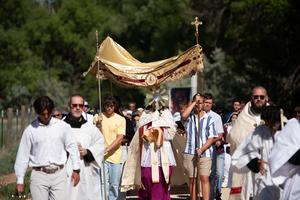
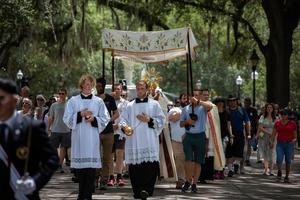
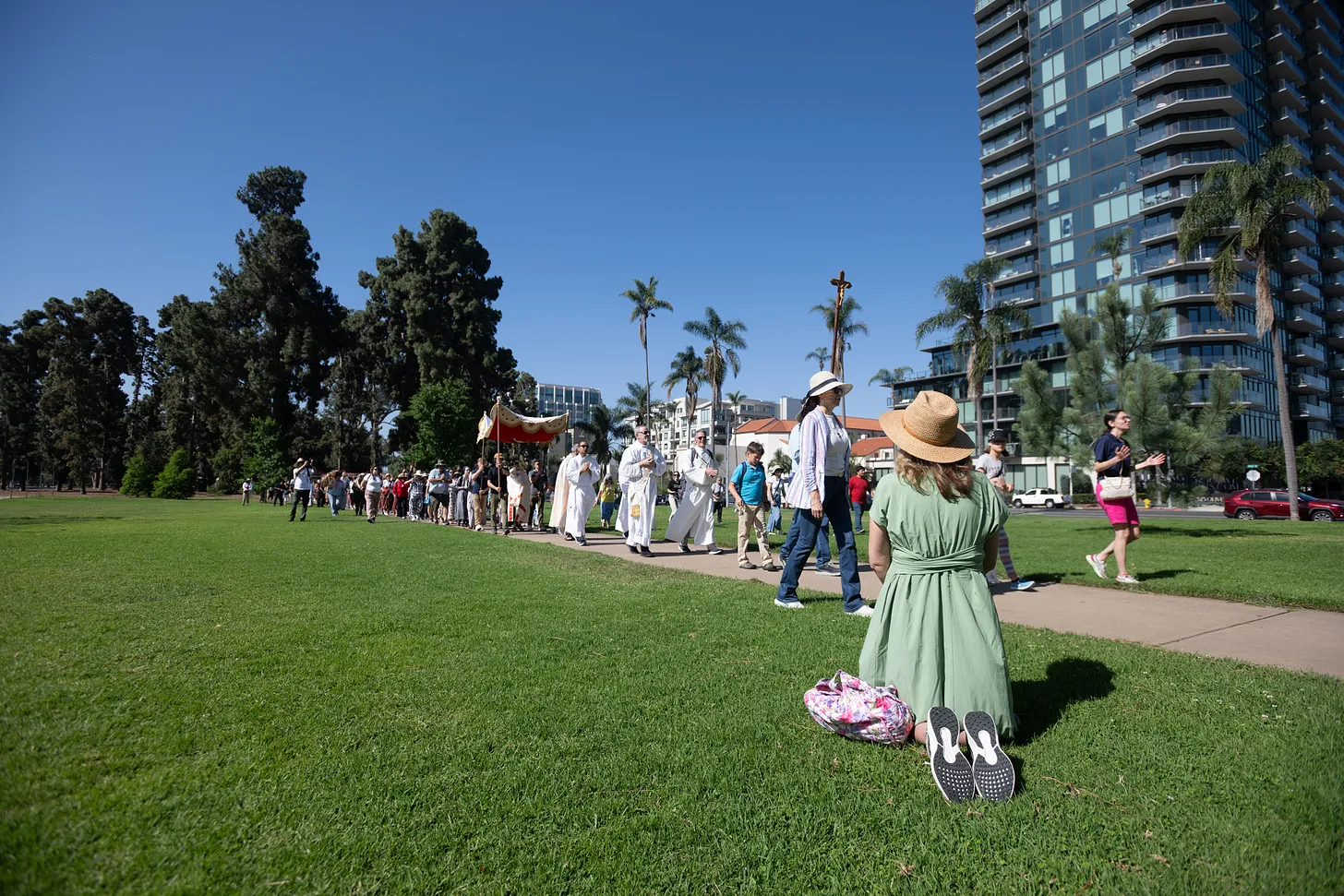
Some towns erupt in joy, parishes rallying, families lining streets, children tossing flower petals before the Blessed Sacrament. People kneel on hot pavement. They sing. They weep. They wait for Him.
Others reject it; sometimes with indifference, sometimes with hostility. That, too, is part of the missionary’s journey.
The missionary isn’t called to comfort; he’s called to fidelity, a reality that St. Mother Teresa’s words echo: “God has not called me to be successful; He has called me to be faithful.” He brings Christ not just to the curious and converted, but to the confused, the cynical and the closed-off; because love carries Christ where he is most needed, whether or not he is received.
The Harvest to Come
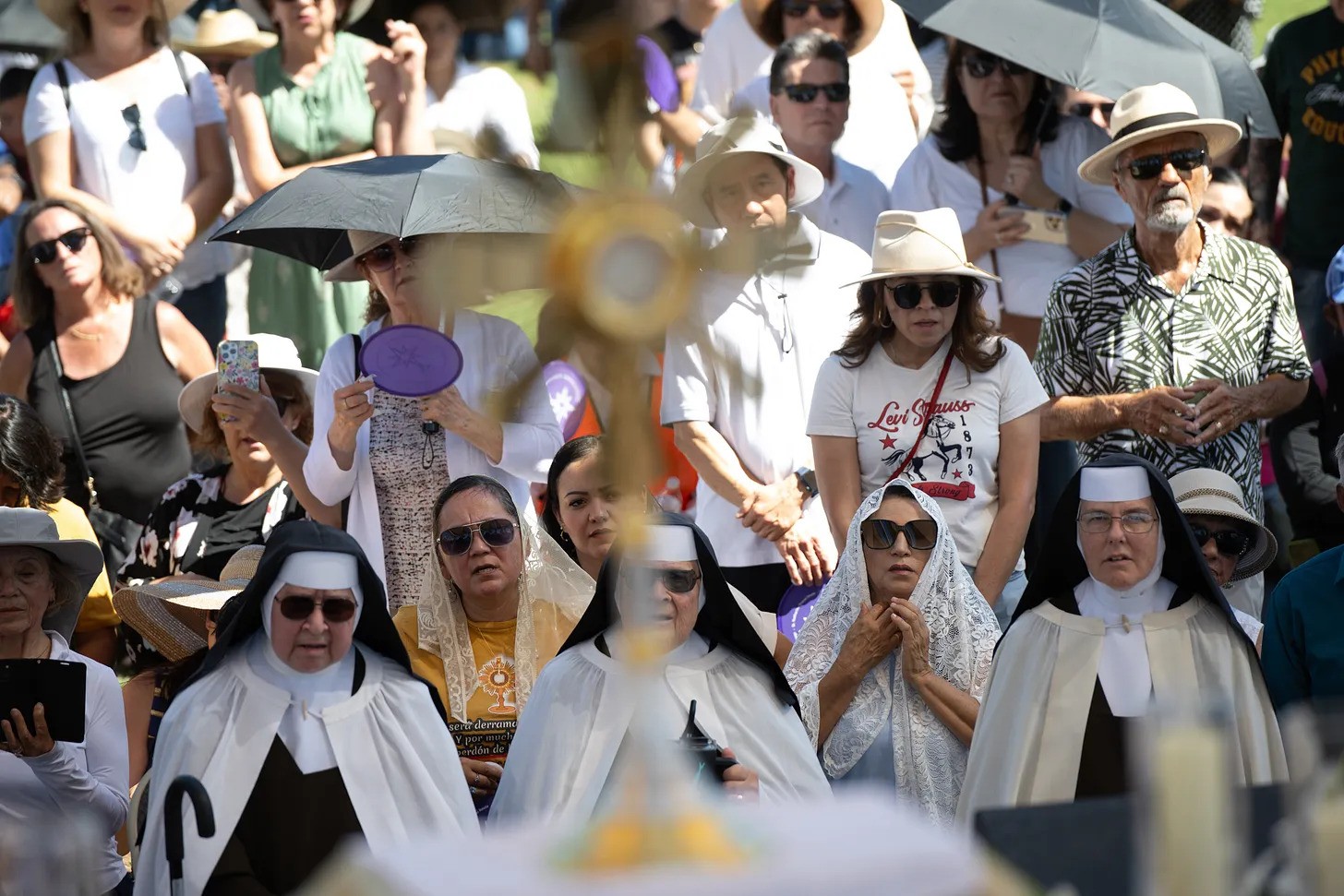
The Revival is bearing fruit — but not always in big, dramatic ways. Sometimes it’s quiet. A tear during adoration. A confession after 20 years. A couple deciding to try again. A seminarian who finally says, "Yes!" These things are happening all across the country. Grace is moving, often unseen, but unmistakable.
Though we may never see the full harvest, we walk in the light of faith.
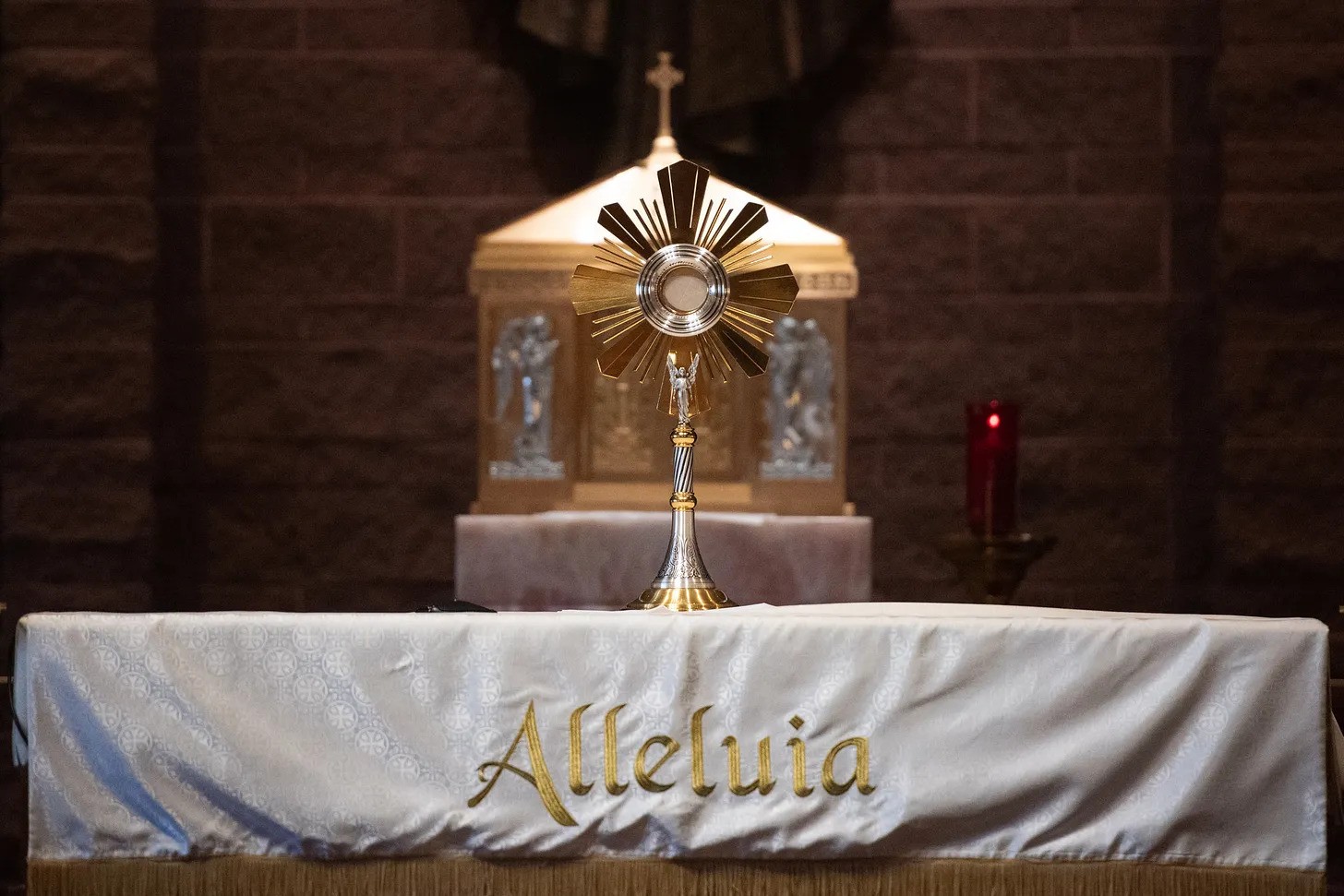
Perhaps, in time, seminaries will overflow again. Perhaps the tabernacles will no longer be lonely. Perhaps this land — tired, divided, distracted — will once again become a beacon of Eucharistic faith, lit by the quiet fire of the Real Presence.
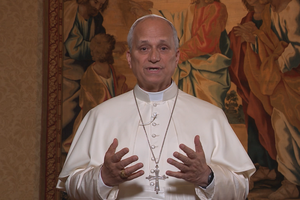
And who knows... perhaps, one day, there’ll be an American Pope.
Oh.
Wait.
- Keywords:
- national eucharistic revival