Vatican Commission Seeks to Address Legal Loophole Facing Women Religious Suffering Abuse
Efforts to address the abuse crisis in the Church have focused on minors and vulnerable adults, leaving unaddressed the abuse suffered by women religious. Efforts are underway to rectify that.
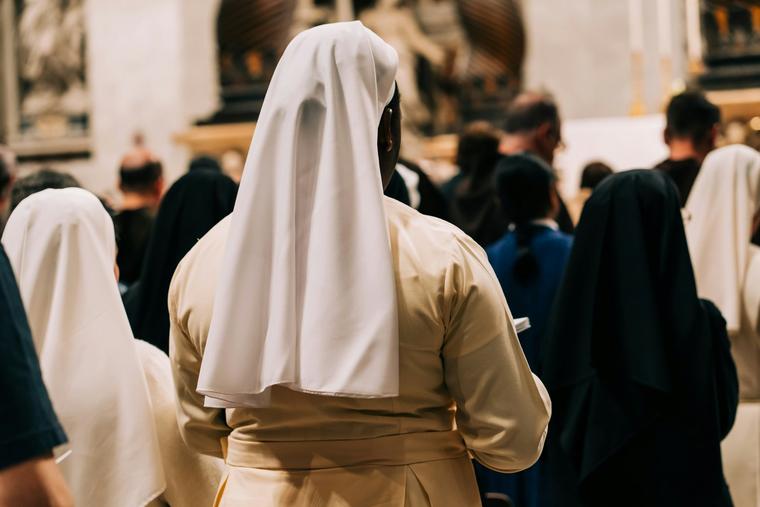
Consecrated women and women religious who have suffered abuse face a significant legal loophole: Canon law and specialized commissions focus primarily on minors and adults with disabilities, leaving these women outside their scope of protection.
In practice, this means that if the victim is an adult who has received formation, it is assumed she can defend herself or that she consented. However, signs of change are beginning to emerge from the Vatican.
In addressing this issue, “it cannot simply be a label of ‘vulnerable adult,’” said Claudia Giampietro, an Italian canon lawyer working at the Pontifical Commission for the Protection of Minors (PCPM).
“We must understand that there are situations of imbalances of power … and situations involving abuse, and so it is these situations of vulnerability that we need to examine more deeply,” she told EWTN News on July 1.
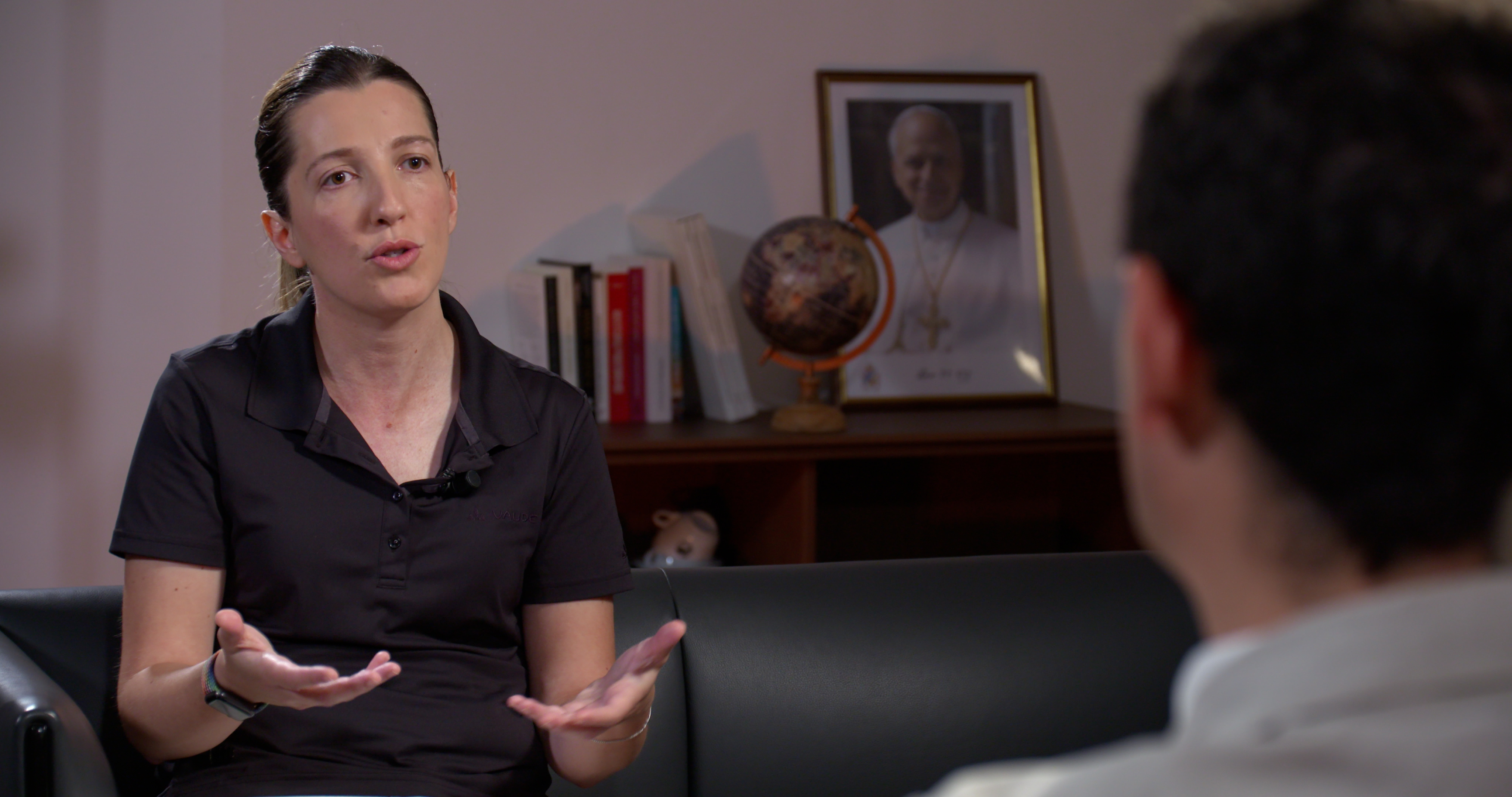
One of the functions of the PCPM is to collaborate with the various dicasteries of the Roman Curia, the conferences and unions of religious men and women, and the institutes of consecrated life.
This enables them to gain firsthand knowledge of a complex reality: “There are a great many circumstances, situations, and people that can also affect women religious, including older ones, and so it is necessary to understand the contexts in which they work and carry out their ministry, both within their communities and also outside them,” Giampietro said.
The Situation in Latin America
The Vatican helped break the taboo surrounding abuse against women religious by dedicating an extensive report to it in January 2020, published in “Donne, Chiesa, Mondo” (“Women, Church, World”), the monthly women’s supplement to L’Osservatore Romano. Issues covered include abuse of power, sexual abuse, and the difficulties faced by many nuns both within and outside consecrated life.
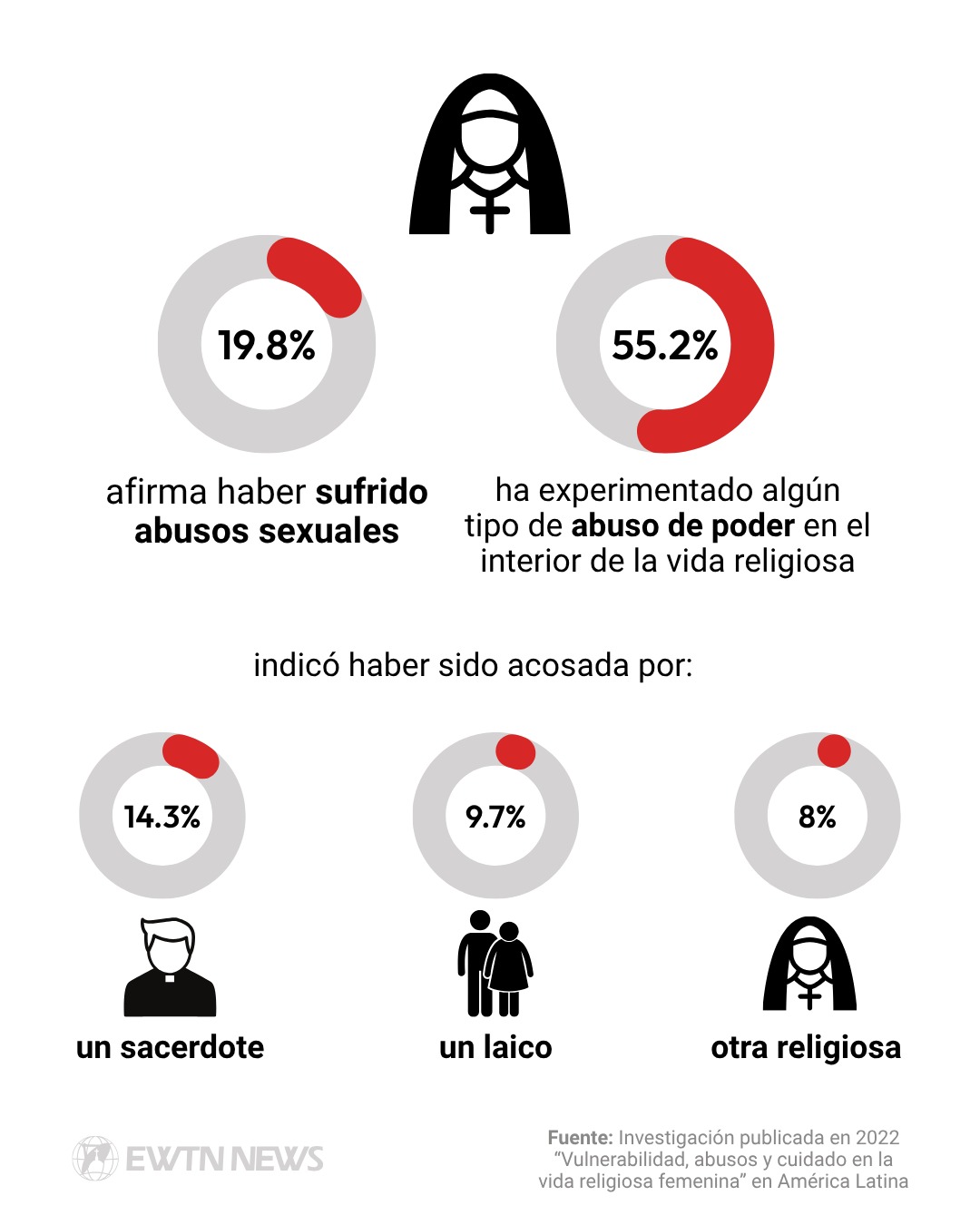
In subsequent years, there has been a proliferation of studies aimed at gauging the scale of a phenomenon that was traditionally hidden. Notable among them is the research published in 2022 in the Spanish-language book Vulnerability, Abuse, and Care in Womenʼs Religious Life, edited by Sister María Rosaura González Casas, who at the time was coordinator of the Commission for the Care and Protection of Minors and Vulnerable Persons for the Latin American and Caribbean Confederation of Religious.
Based on a survey of 1,417 women religious, the study revealed that 19.8% reported having suffered sexual abuse, and more than half stated they had experienced some form of abuse of power at the hands of superiors, priests, formators, or bishops. Additionally, 14.3% of respondents indicated having been harassed by a priest, 9.7% by laypeople, and 8% by other religious women, figures that highlight the scope and complexity of an issue that remained largely silenced for decades.
Sister María, dean of the Institute of Anthropology at the Pontifical Gregorian University, explained that since the study was published four years ago, “greater awareness of what abuse entails has grown at all levels” in the region.

“The sisters are more aware, and bishops and priests are also more alert to it. When we conducted the survey, many women religious did not want to respond, even though it was anonymous. There was fear of speaking out. Now there is greater awareness, although clear codes of conduct are still lacking. Unconscious and internalized machismo persists in society and has permeated religious and priestly life,” she explained in comments to EWTN News.
A Conference in Rome on Abuse Prevention
In order to promote dialogue to prevent abuse against women religious, the PCPM will organize the second annual Meeting on Abuse Prevention, focusing on consecrated life. It will be held in Rome on Dec. 9–11, centering on the theme “Communion, Care, and Justice: Mutual Relationships for a Shared Mission.”
This is not an academic conference but a synodal “learning lab” geared toward concrete results. Over the course of three days, bishops, representatives from institutes of consecrated life and societies of apostolic life, conferences and unions of major superiors, officials from Roman Curia dicasteries, and experts in abuse prevention will collaborate through roundtables, sessions on canon law, and working groups.
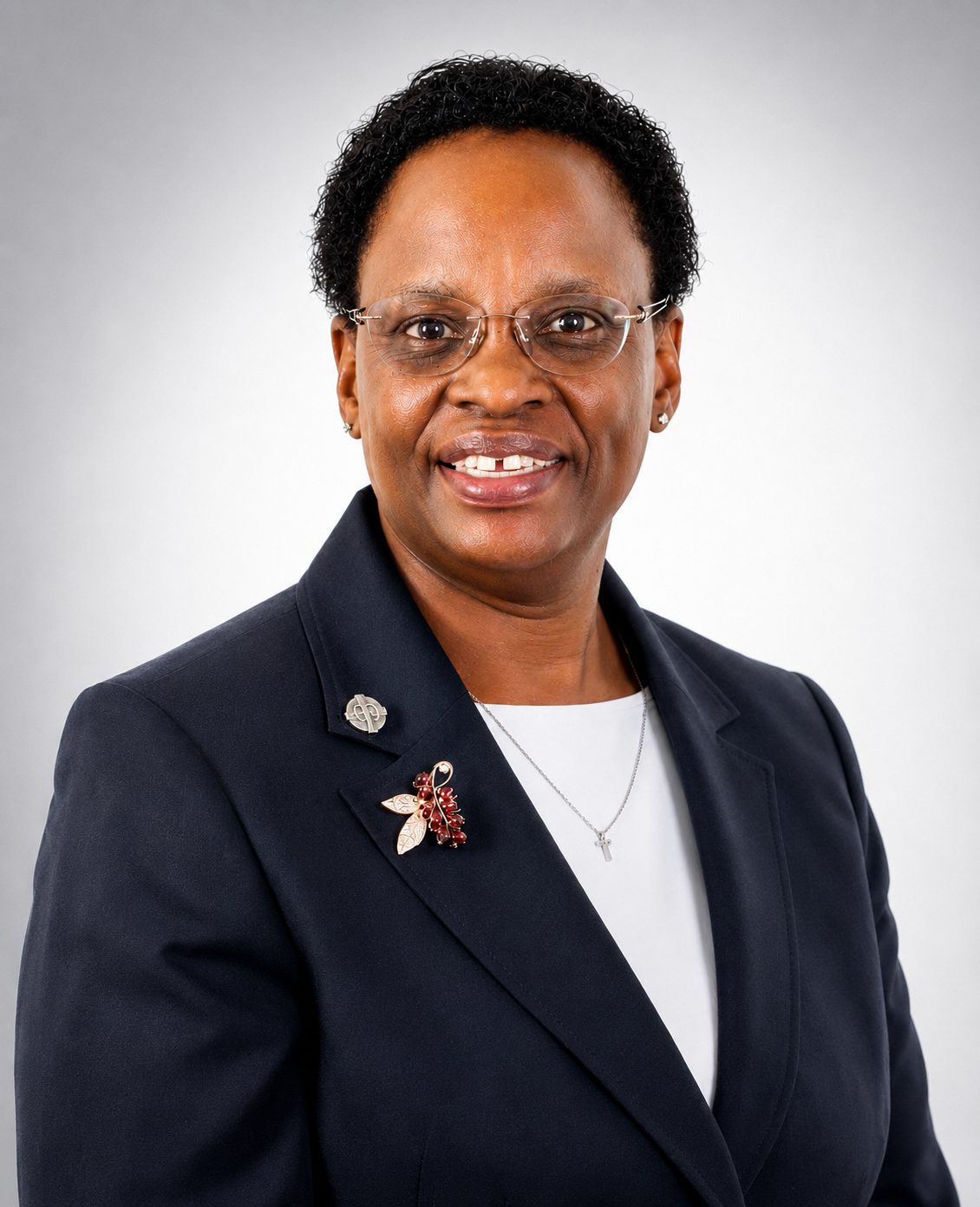
“The Pontifical Commission for the Protection of Minors has already taken up this issue, and with their involvement, superiors and women religious will take it more seriously,” said Sister Jacinta Ondeng of the School Sisters of Notre Dame in Kenya, who has been invited to participate in the forum.
“Safeguarding must be an essential part of community life,” emphasized the religious sister, director of the Safeguarding Initiative for Catholic Sisters, a project based at Tangaza University in Nairobi that provides training on abuse prevention across various African countries.
Many Situations Are Covered Up Due to a Lack of Oversight
Ondeng emphasized the need for effective case follow-up. “It’s important for the relevant Vatican offices to oversee these situations because cases from Africa, and perhaps other parts of the world, are often covered up precisely due to a lack of oversight. If the relevant bodies of the Holy See intervene and evaluate cases when congregations fail to resolve them, that will help.”
She also proposes developing clear guidelines for handling abuse cases within consecrated life — similar to those established by Pope Francis in Vos Estis Lux Mundi for allegations of abuse against minors — which require bishops and superiors to take action when faced with complaints or concerning indications.
“Once it becomes clear that the Vatican is involved in matters affecting members of consecrated life, there will be changes. Human nature responds to clear rules: when they exist, people tend to act with greater prudence,” she observed.
The sister also led a revealing, as-yet-unpublished study in Africa that brought to light harrowing testimonies from consecrated women, such as:
- “Sisters leave not because they lack a vocation, but because of abuse; superiors are abusing their authority.”
- “Sisters suffer in silence rather than reporting it because they love the Church and fear damaging the reputation of a priest, bishop, or superior.”
- “I told my superior what was happening, and since the sister in question was her friend, she did nothing.”
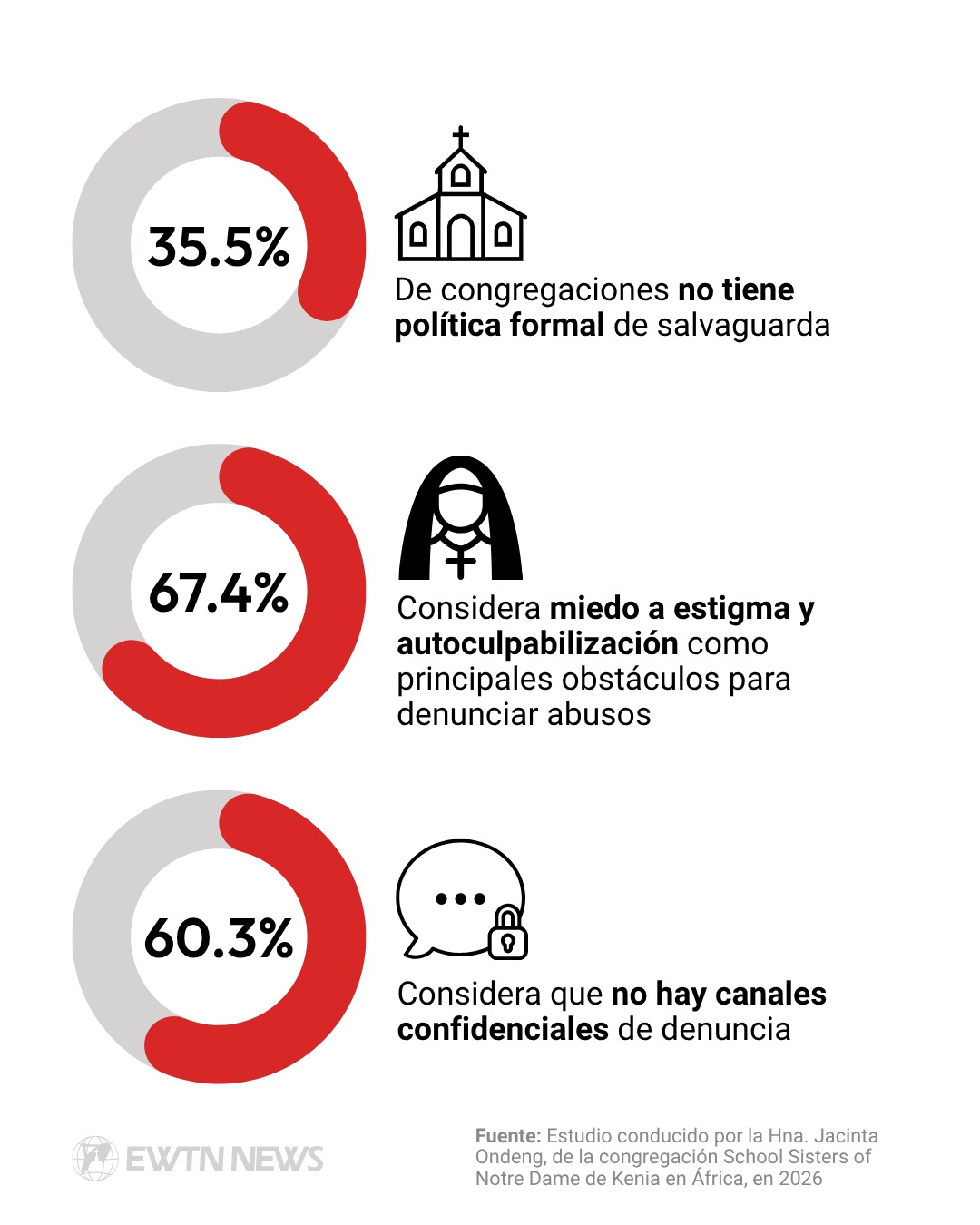
The study’s results were presented at the Pontifical Gregorian University in Rome during the 2026 International Safeguarding Conference, held June 16–19 under the theme “One Commitment, Many Contexts: Safeguarding Across Cultures.” The study was based on an anonymous online survey conducted between February and March in which more than 140 religious sisters from various African countries participated.
Fear of Stigma and Self-Blame
The findings are revealing: 35.5% of congregations lack a formal safeguarding policy; 67.4% of those surveyed identify fear of stigma and self-blame as the main obstacles to reporting abuse; and 60.3% point to the absence of confidential reporting channels.
Personal factors such as “shame, guilt, and self-reproach are very prevalent among many women religious who wish to take the step of reporting abuse,” explained Ondeng, who dedicates her ministry to conducting workshops and training on safeguarding in Africa, with a particular focus on Catholic women religious.
Her goal is to raise awareness about abuse and its consequences, empower consecrated women to break the culture of silence, and promote safe environments for all. She also emphasized the importance of transparency and accountability as fundamental pillars for the success of safeguarding policies within the Church.
The religious also warned of the tendency toward cover-ups that can arise in certain ecclesial contexts.
“As numerous studies on abuse and the abuse of authority have shown, the Church hierarchy commands immense respect in many African societies,” she noted. While this is a positive cultural value, it also helps explain why individuals in positions of authority are rarely reported when involved in abusive behavior.
This phenomenon is reflected in several of the testimonies gathered during the investigation:
- “Many sisters do not want to air dirty laundry. They do not wish to publicly expose these problems, in order to protect the institute’s reputation.”
- “Some fear that if they speak out, they will be expelled from religious life, and they do not want to leave,” Ondeng added.
Lack of Training in Abuse Prevention
Ondeng’s study also reveals that, when faced with situations of injustice or abuse, some women religious choose to leave consecrated life. Abuse can take many forms — sexual, spiritual, physical, emotional, or institutional — and, in certain cases, becomes unbearable.
However, the majority of victims remain in their communities, often out of fear of the social stigma or rejection they might suffer if they returned to their families.
Others are aware that leaving the convent could entail serious financial difficulties, as they lack employment or the means to support themselves, the religious explained.
Of the 141 women religious surveyed, more than 95% stated they had received some form of training on the prevention of sexual abuse. However, in many cases, this preparation proves insufficient.
“Most have taken short courses, but we cannot say that this 95% has received comprehensive training in safeguarding. At most, some have participated in one- or two-day sessions. That is very little, and it poses a problem,” the Kenyan religious sister noted in a statement to EWTN News.
For this reason, she insists on the need to strengthen safeguarding training as a true ministry within the Church.
“Much more preparation is needed for Catholic women religious to have the courage to speak about their experiences in their communities. Currently, training is very limited and must be ramped up to empower consecrated women,” she stated.
Added to this challenge is a significant cultural component. “People do not want to make their problems public. It is something deeply rooted in African culture, although it also occurs in European and American contexts,” she stated.
For its part, the Dicastery for Institutes of Consecrated Life and Societies of Apostolic Life does not publish aggregate figures on apostolic visitations conducted worldwide, as these are carried out on an occasional rather than a systematic basis.
The only large-scale investigation for which detailed data exist was the one conducted in the United States from 2008 to 2014, which involved 341 institutes of consecrated life and about 50,000 religious women.
“The entire Church must understand that safeguarding is a Gospel value. It’s not something imposed from the outside. The Gospel calls us to promote the dignity of every person, support those who suffer, and care for those who are hurting,” Ondeng pointed out.
This story was first published by ACI Prensa, the Spanish-language sister service of EWTN News. It has been translated and adapted by EWTN News English.
- Keywords:
- religious life
- abuse survivors
- pontifical commission for the protection of minors
- women religious