‘Triumph of the Heart’ Offers Tribute to the Heroic Witness of St. Maximilian Kolbe
FILM REVIEW: Father Kolbe died a martyr at 47 years old, executed on Aug. 14 and cremated there on Aug. 15, 1941, the Solemnity of the Assumption, a day honoring his beloved Our Lady.
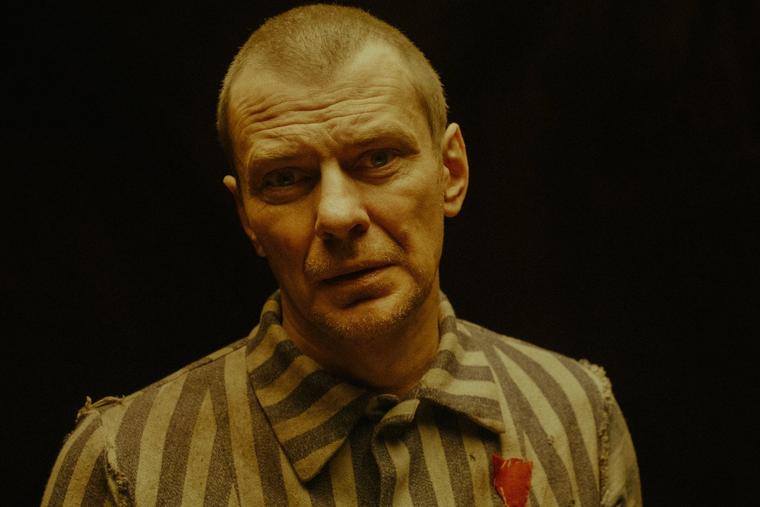
Triumph of the Heart is truly a masterpiece of hope, an affirmation of life amid the horrors of a death camp.
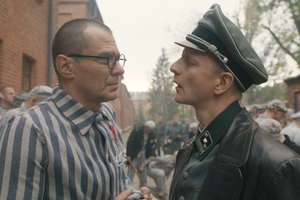
The title affirms that idea, but so does the subject — St. Maximilian Kolbe’s last days in the Nazi death camp of Auschwitz and how he led his fellow inmates also sentenced to death by starvation to triumph over their heartless and barbaric jailers.
Screenwriter and director Anthony D’Ambrosio has made a tour de force.
To say the story moves from a somber opening to the ultimate triumphal conclusion is not giving away the plot, as the horrors of what happened to St. Maximilian at Auschwitz are well known. The steps along the way build the intensity, the emotion, and the glimmer that grows ever stronger that love and hope triumph over hate.
How in the world is that going to happen as the sadistic SS commandant of the death camp picks 10 men to starve to death because a prisoner escaped? The key is Father Kolbe, who decides to offer himself in place of one of those men who has a wife and children.
The film then switches to the confines of the cell for the 10 men. Much of the film is spent there, with them. But it does not become claustrophobic for viewers because the seamless camerawork and editing keep viewers on the move. More importantly, the men’s initial reactions, their degrees of change to accepting their dire condition through Maximilian Kolbe’s words and actions toward them, become the fascinating focal point.
We get to know each man as he shares his feelings and slowly reveals bits of his life. A wise use of flashbacks — whether the men are recollecting or starting to hallucinate as the starvation takes its toll — makes understanding their suffering all the more intense: seeing what could have been an idyllic family life in the country now erased amid the suffering in Auschwitz.
As hopeless as the situation seems, Father Kolbe brings out that it is never without hope for each of them. In an early poignant scene, the imprisoned begin to introduce themselves to each other because, he explains, if they’re going to die together, they should know each other’s names. They are no longer merely the numbers on striped prison clothes.
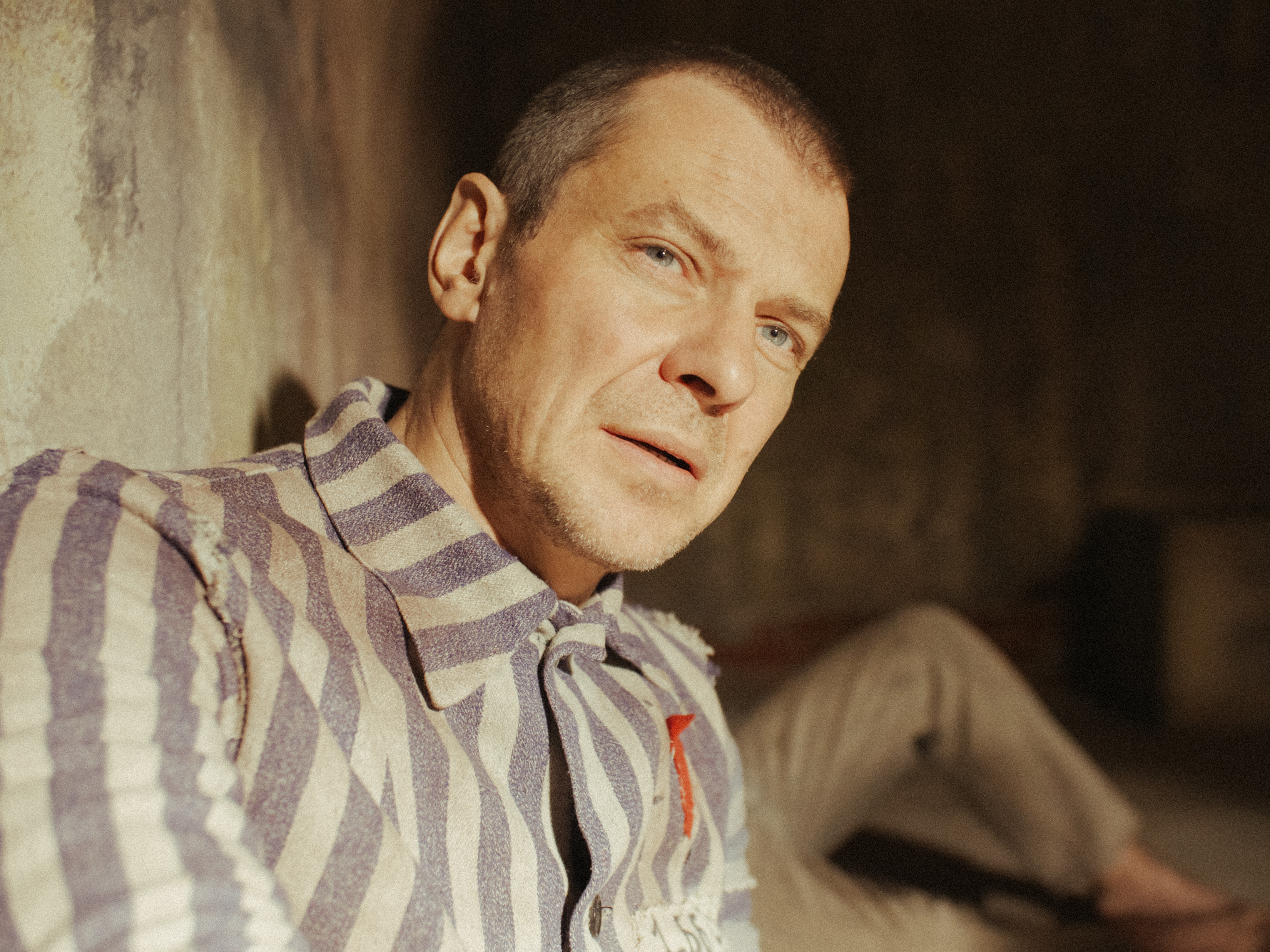
Kolbe gets the men to become human again, even lightening the load with a touch of humor, as he prompts them to speak about their favorite meals. He begins describing his favorite Polish food made by his mother. As they share their favorites, the irony does not escape them, being starved to death.
Such scenes emphasize how Kolbe brings out their humanity, little by little. He wants them to die as precious people who Our Lord suffered and died for.
His encouragement, of course, involves praying “till we can’t pray anymore, so we die with our eyes on God, as men and not as cattle.”
At first, none of the prisoners answers. They are crunched up in their corners, isolated from their world and each other. But in those two weeks, Kolbe’s example inspires.
D’Ambrosio gets credit not only for directing but for writing this exceptional screenplay. Obviously, much is conjecture about what the conversations were during those stark days of starvation. Only those trapped in that cell know what was said. Historic accounts chronicle that a fellow Polish prisoner overheard Kolbe leading the men in praying and singing hymns; and at inspections, Kolbe cheerfully faced the guards.
Though much was surmised for the film’s storytelling, the conversations seem as genuine and real as if a tape recorder captured the exchanges among the men, day to day. It is an inspired screenplay.
The flashbacks the men have aid to the poignancy, conveying their suffering even more, knowing what they are missing: loved ones and happier times before the German invasion. For some, the memories mean coming to terms with the past — even Father Kolbe.
In addition, beautiful flashbacks show Kolbe seeing statues of our Blessed Mother in a church, a mural of Our Lady of Czestochowa, and recalling his vision of the Blessed Mother at 9 years old, when Mary put a martyr’s crown on him. He starts singing Hail Holy Queen, as one by one others join him, all remembering the song from their youth. He gets them to sing Polish songs, stirring those prisoners outside who hear them and throwing the Nazis into a frenzy.
D’Ambrosio increases dramatic tension further with scenes of the Nazi commandant at his manor house as his obsession with breaking Kolbe and the other men takes a devastating toll on his family life with his wife and children.
This story moves hearts, bringing the intended message of hope and triumph in the worst of conditions.
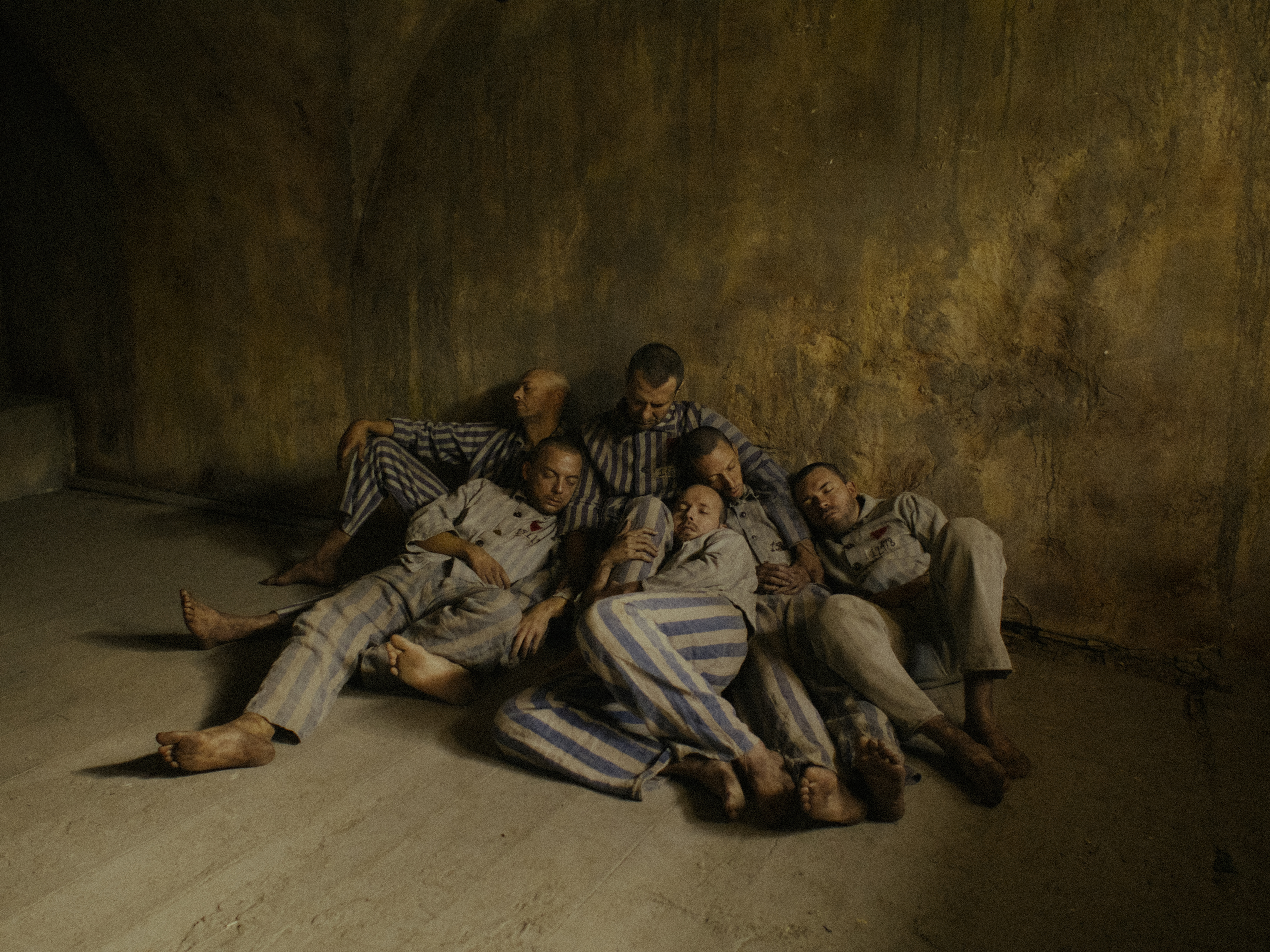
Filmed in Poland predominately with Polish actors, Triumph of the Heart works tremendously as a force to focus on the all-important story and message. (Award-winning Polish actor Marcin Kwaśny deserves mention for playing St. Maximilian Kolbe superbly.) Thus the story becomes that much more realistic and moving to see the change that comes about as the men slowly die — and how Kolbe keeps their hope alive and helps the men see the supernatural.
One most moving scene focuses on how some of the prisoners, finally accepting their grave situation, want to confess their sins. To be sure, the cynic emerges amid the circumstances, yet eventually not totally unmoved.
When the starvation really sets in, and the men begin to hallucinate, they are comforted by thinking back to the past. The director discreetly uses visions, including the quick one of Kolbe with the Blessed Mother. The men’s memories easily bring tears for the viewer.
Father Kolbe died a martyr at 47 years old, executed on Aug. 14 and cremated there on Aug. 15, 1941, the Solemnity of the Assumption, a day honoring his beloved Our Lady.
The scenes chronicling the men’s last days are heart-wrenching. Together with all that they build upon (and an addition of lovely vignettes visualizing what takes place four years later), the beautiful ending should go down in the annals of filmdom.
Triumph of the Heart is a film that will touch Catholic hearts — and one that will move any viewer, inspiring them to never give up hope and belief.
WATCH
Triumph of the Heart is scheduled to open in theaters on Sept. 12. (See the trailer.) MPAA Rating: No rating; Viewer Caveat: Nazi concentration-camp and Holocaust themes
- Keywords:
- maximilian kolbe
- catholic movies