‘Jesus Would Ask Us to Stay’: Christian Village in West Bank Resists Settler Attacks
The village of Taybeh — identified in the Gospels as Ephraim, where Jesus withdrew before his Passion — now faces a new kind of trial.
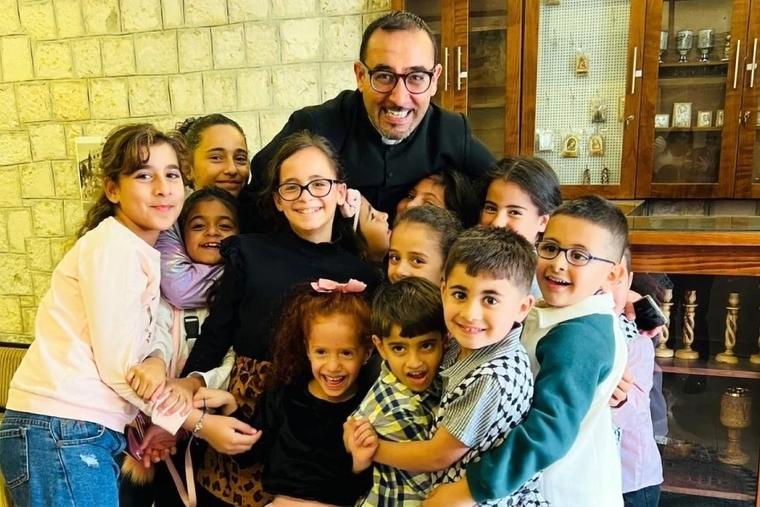
According to the Gospel of John, after raising Lazarus from the dead, the Lord Jesus “no longer walked openly among the Jews, but withdrew to the region near the desert, to a town called Ephraim” (John 11:54).
Ephraim is now known as Taybeh — the only entirely Christian village in the West Bank, Jerusalem and Gaza, and home to a well-known local brewery.
In recent weeks, this small village has come under attack by Israeli settlers, in what local pastors describe as an attempt to “undermine the dignity of its residents and the sanctity of its sacred land,” according to a joint statement from the priests of the village’s three Christian churches.
On July 8, the priests of Taybeh’s Latin, Greek Orthodox and Melkite churches denounced the settler attacks, which have included setting fires in the village, damaging historic buildings and essential crops, and spreading fear among the population.
Father Bashar Fawadleh, the Latin pastor in Taybeh since 2021, recounted how settlers set fire to the Church of St. George, a historic Byzantine-style church dating back to the fifth century, where he regularly celebrates Mass. Some local youth rushed to the scene and managed to keep the flames from completely destroying the church and its adjacent cemetery.
Today, between 250 and 300 people remain in Taybeh, as most residents have emigrated in search of a safer and more prosperous future, far from violence and harassment. Those who remain depend primarily on olive cultivation, producing extra-virgin olive oil for export.
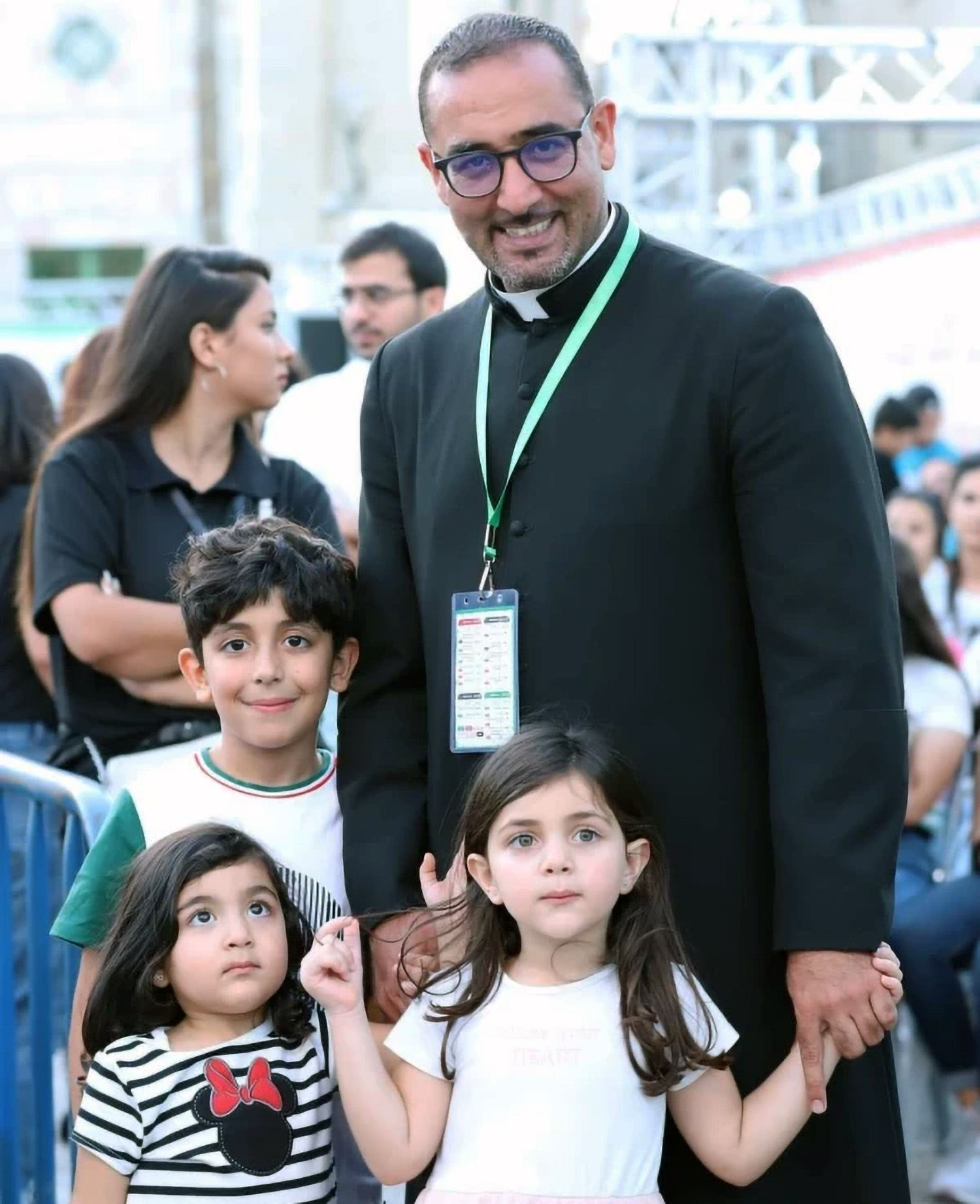
Since the attacks began, workers have been too afraid to go out and tend the land, having been assaulted on numerous occasions. Father Bashar, who was born in the nearby village of Aboud, near Ramallah, says that even before becoming pastor in 2021, he had never witnessed violence of this scale.
“Their main goal is to take more land. They want to tell us: ‘This land is ours, not yours.’ They do it to steal everything from the land. They also want to push us to leave the country, to leave the land of Taybeh. They do it to spread fear among the people,” he said.
“We are a peaceful people. We don’t cause trouble. We have no weapons. We don’t have anyone who causes problems, difficulties or unrest,” the pastor added.
Since the start of the conflict between Israel and Hamas, the situation in Taybeh has worsened dramatically. Unemployment affects a large portion of the population, and as Palestinians, residents are barred from entering Jerusalem, where many once worked.
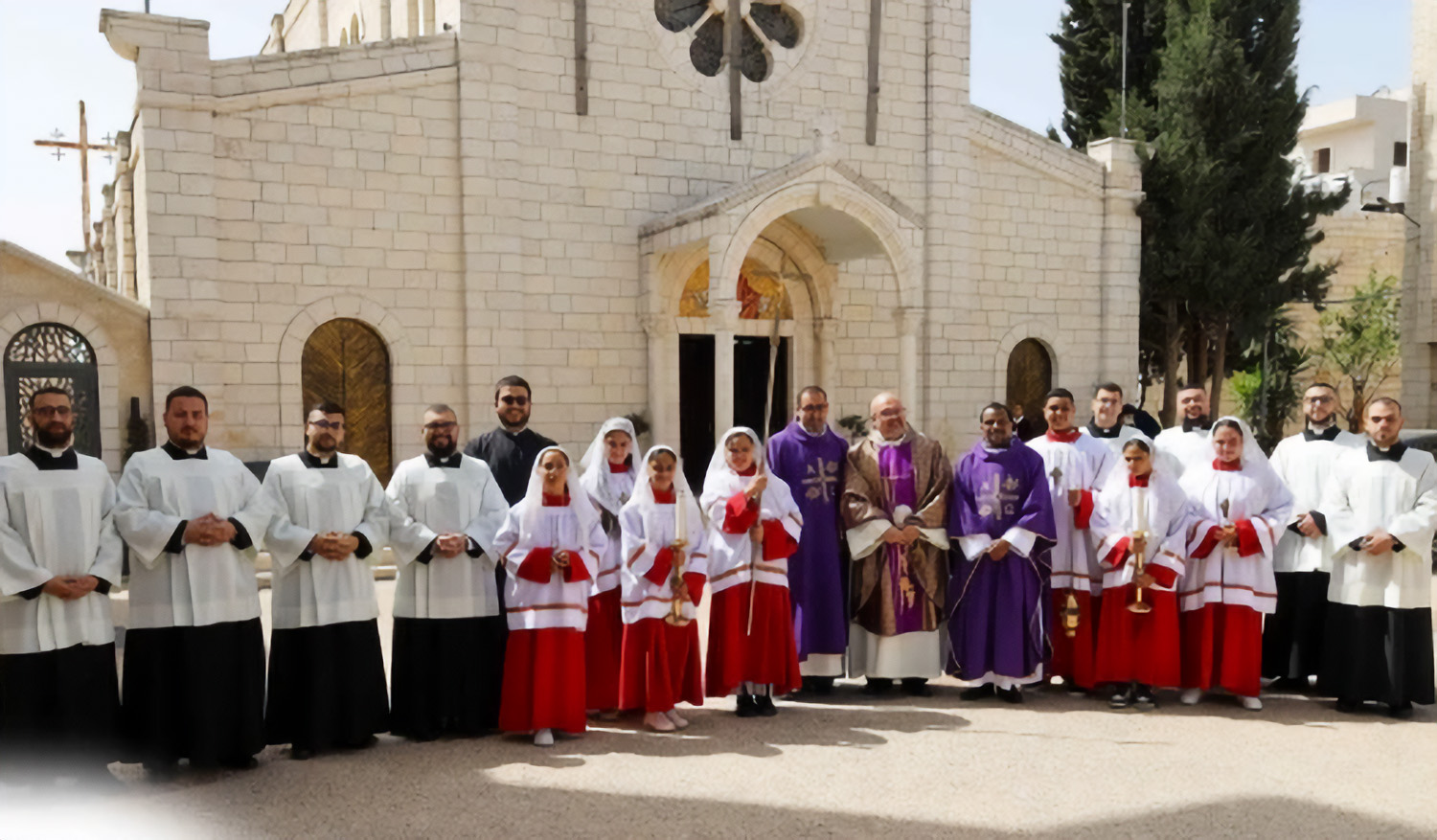
The Latin Patriarchate of Jerusalem is trying to ease the suffering by distributing essential supplies and providing cash assistance so families in Taybeh can pay for basic services and school and university tuition. Still, Father Bashar says, it’s not enough.
“What we need now is to put an end to this war, to this conflict — to pray for peace, to seek peace, and to pray for justice, so that the fruit of justice may be peace,” he said.
Looking Beyond Suffering
Despite the attacks and suffering in Taybeh, the community still holds on to hope, joy and happiness.
“We are Christians, and our hope and faith are in the resurrection of Jesus Christ — in the empty tomb,” Father Bashar affirmed.
The priest asks people of all religions to join in prayer on behalf of the village.
“May they continue to pray for justice and peace,” he said.
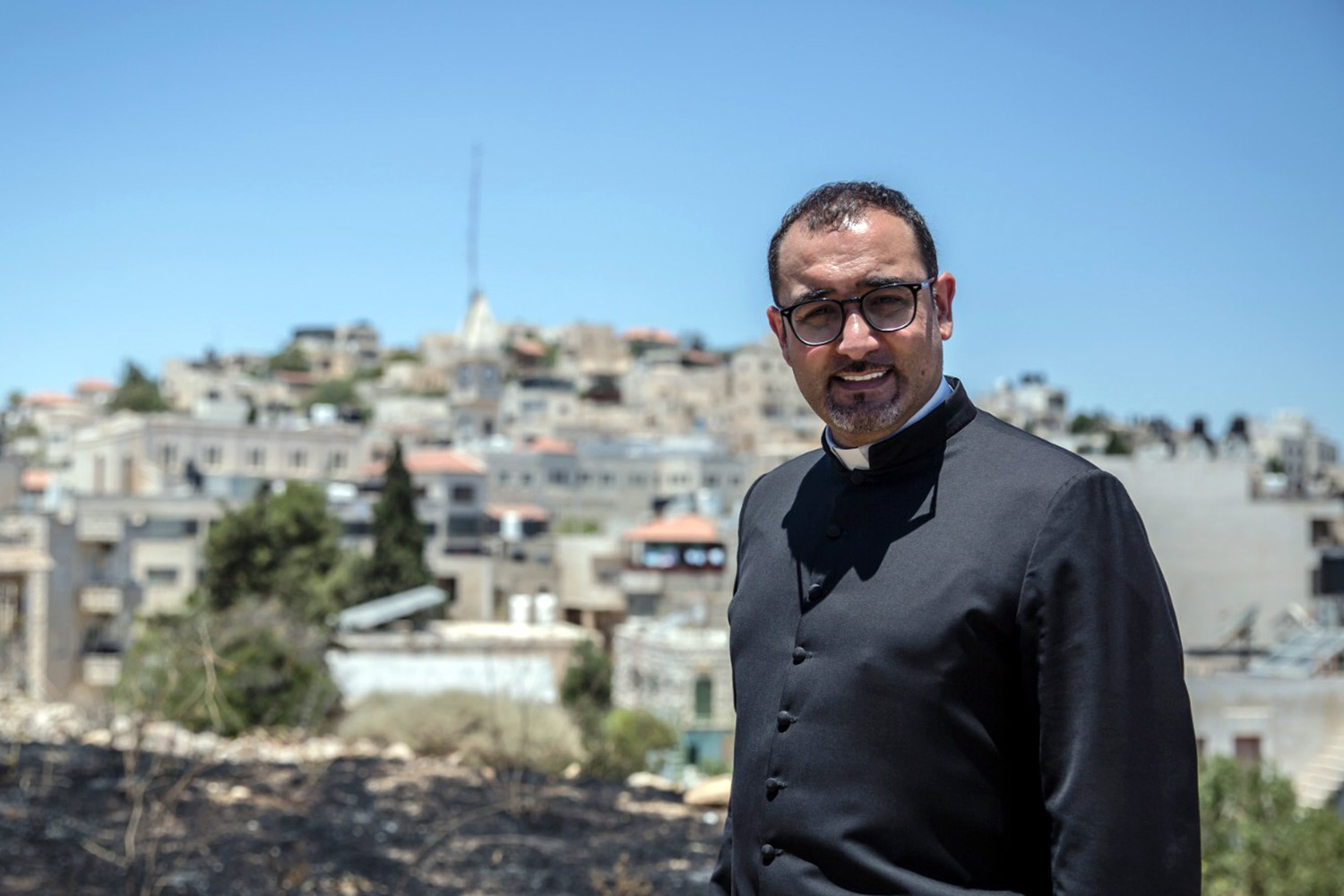
He also called on people to put pressure on the governments involved in the Holy Land’s conflicts “to stop these attacks and open all checkpoints and military barriers in the West Bank.”
Likewise, he invites all people of goodwill to “come and see” the reality of Taybeh, echoing the first words Jesus spoke to the apostles Andrew and John.
“You can come and see, and stay in our homes,” said Father Bashar, also highlighting the importance of tourism for the village.
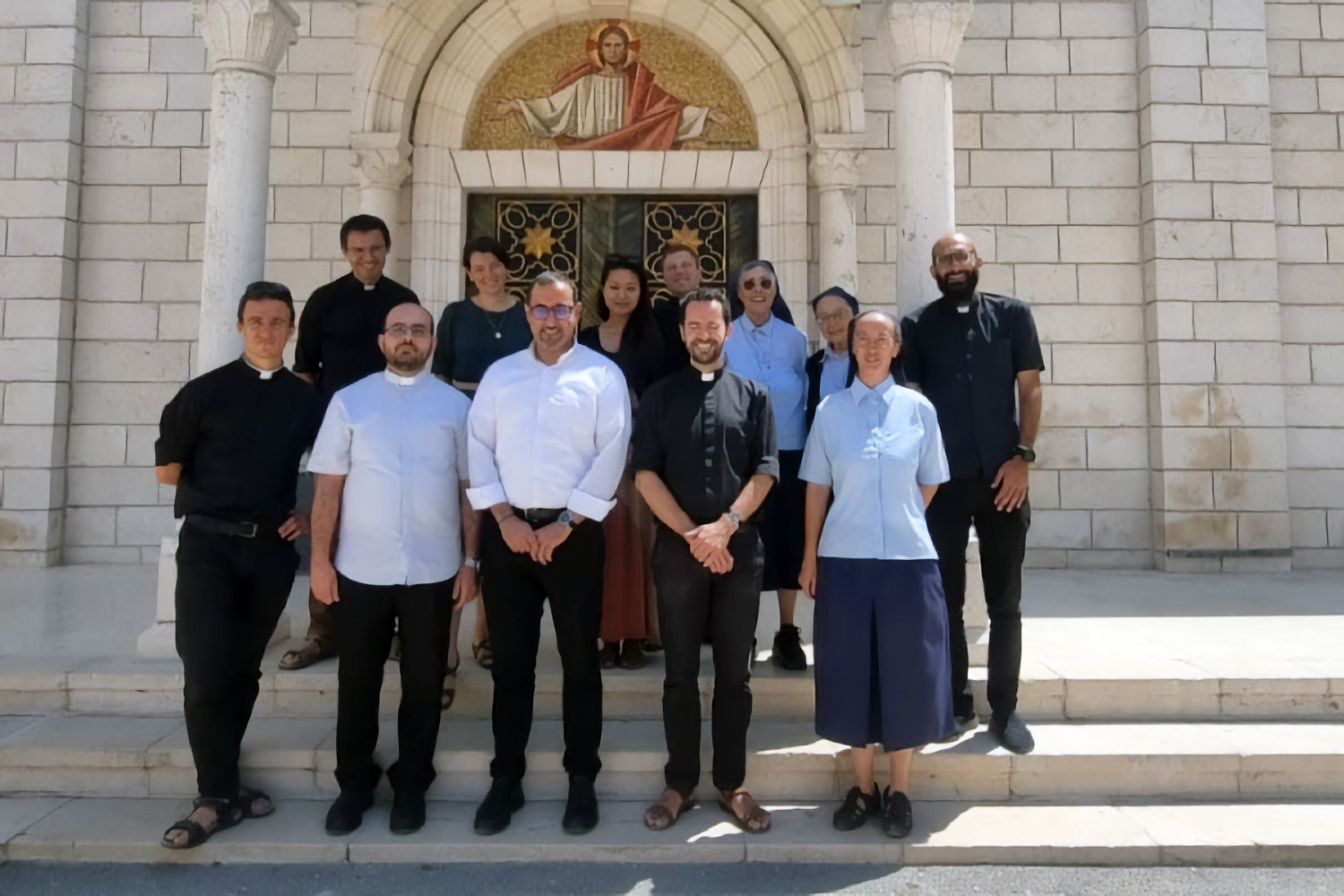
“We are living stones. You need to visit us to encourage us to stay, to encourage us to remain present in our land, because this is the homeland of Jesus,” he said.
This is what makes Taybeh unique: Its identity was forged by the visit of Jesus 2,000 years ago.
“By visiting us, he planted in our hearts that we are his disciples — in other words, we are Christians. So we must preserve our culture, our traditions, our church, and the first flame of Christianity that was lit in Jerusalem,” he said.
All pilgrims who come to witness what is happening in Taybeh, Father Bashar added, “can go back and tell the truth” about what the village needs.
On July 14, the heads of the Christian Churches of the Holy Land visited Taybeh to show their solidarity and support — a clear sign, according to Father Bashar, that the Lord had not abandoned this small village.
“Jesus would ask us to stay and remain present in our land,” he said.
“From Taybeh, we seek peace and ask for it for everyone — not only for Palestine, but for all nations and peoples of the world. When we are united and love one another, we can hear the voice of God,” he concluded.
Click here to read the full letter from the pastors of Taybeh: