How You Can Live a ‘Monk Mindset’: App Brings the Monastic Tradition to the Laity This Lent
‘It’s a curriculum that will be forming you all around instead of overemphasizing one muscle in your human spiritual formation,’ says one user.

From a secular perspective, “detachment” evokes images of yoga retreats, YouTube-bro stoicism, and bookstore shelves laden with self-help guides — all resources busy people seek out to achieve peace amid the chaos of life. What they don’t know is that Catholic nuns and friars have been perfecting systems of life aimed at peace and productivity since the third century.
“Monk Mindset,” a new app grounded in the Catholic monastic tradition, is helping laypeople find authentic detachment this Lent through the example of St. Francis of Assisi and St. John of the Cross. The theme of the app’s 40-day Lent challenge borrows a lesson from the latter: Seek nothing to find everything.
“Detachment doesn’t exist by itself,” Monk Mindset founder John Cannon told the Register. “Detachment is an opportunity to grow in love and needs to be saturated in prayer to be successful.”
Launched in January, the Monk Mindset app helps laypeople of all ages and faith backgrounds find peace and productivity by integrating seven principles from the Catholic monastic tradition into their daily lives.
“Many theories of change start with how we can go out there and change society and change the world, and they focus on the externals,” Cannon says in the app’s welcome video. “The monastic spirituality and the monastic tradition really start first with what we have the most control over, and that’s ourselves and how we can allow ourselves to be transformed. And then it pushes outward from there.”
Through video content featuring Catholic nuns and friars, the app introduces users to four principles for daily life: meditation and prayer, community and family life, personal wellness, and work and study. These four habits are paired with three principles for transformation: recognizing love as the purpose of life, cultivating detachment, and making decisions well.
“We all need these things in our lives,” Cannon said. “It’s not just for monks and nuns. This is anthropologically how God designed us to have a harmonious lifestyle.”
For example, learn “3 Ways Monks Win the Day Before It Starts”: Get up right away (“heroic minute”); say a prayer before leaving your room; write a simple to-do list (or journal). (Another social-media post offers more “ways to win the day.”)
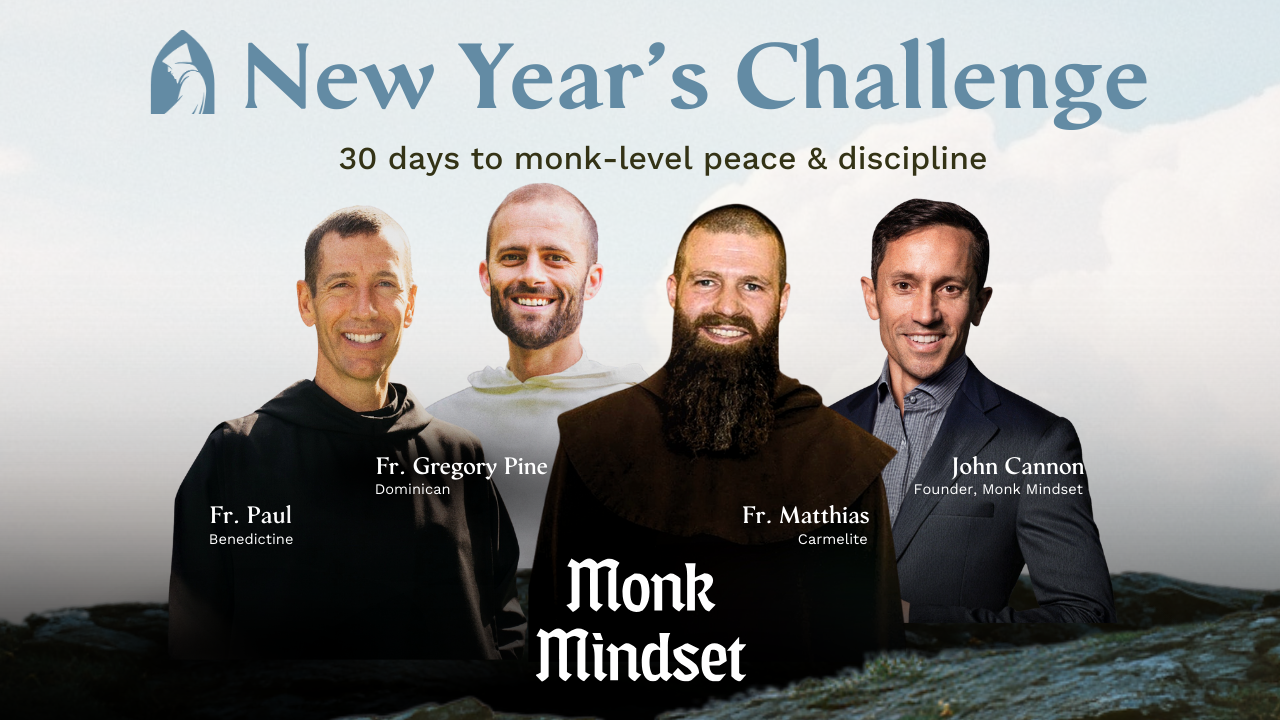
Cannon learned the principles of monasticism firsthand when he stepped away from a successful career in investment banking to enter a Carmelite monastery. After more than seven years of formation, he discerned out of the monastery and founded SENT Ventures — a network that helps Catholic founders and CEOs achieve both success and peace in their careers and personal lives. Now, he is bringing those same lessons to a wider audience.
The app is simple. Guided short-form video and audio content designed by Cannon and featuring nuns and friars from several orders introduce the user to the practices religious keep every day to help achieve harmony in their lives.
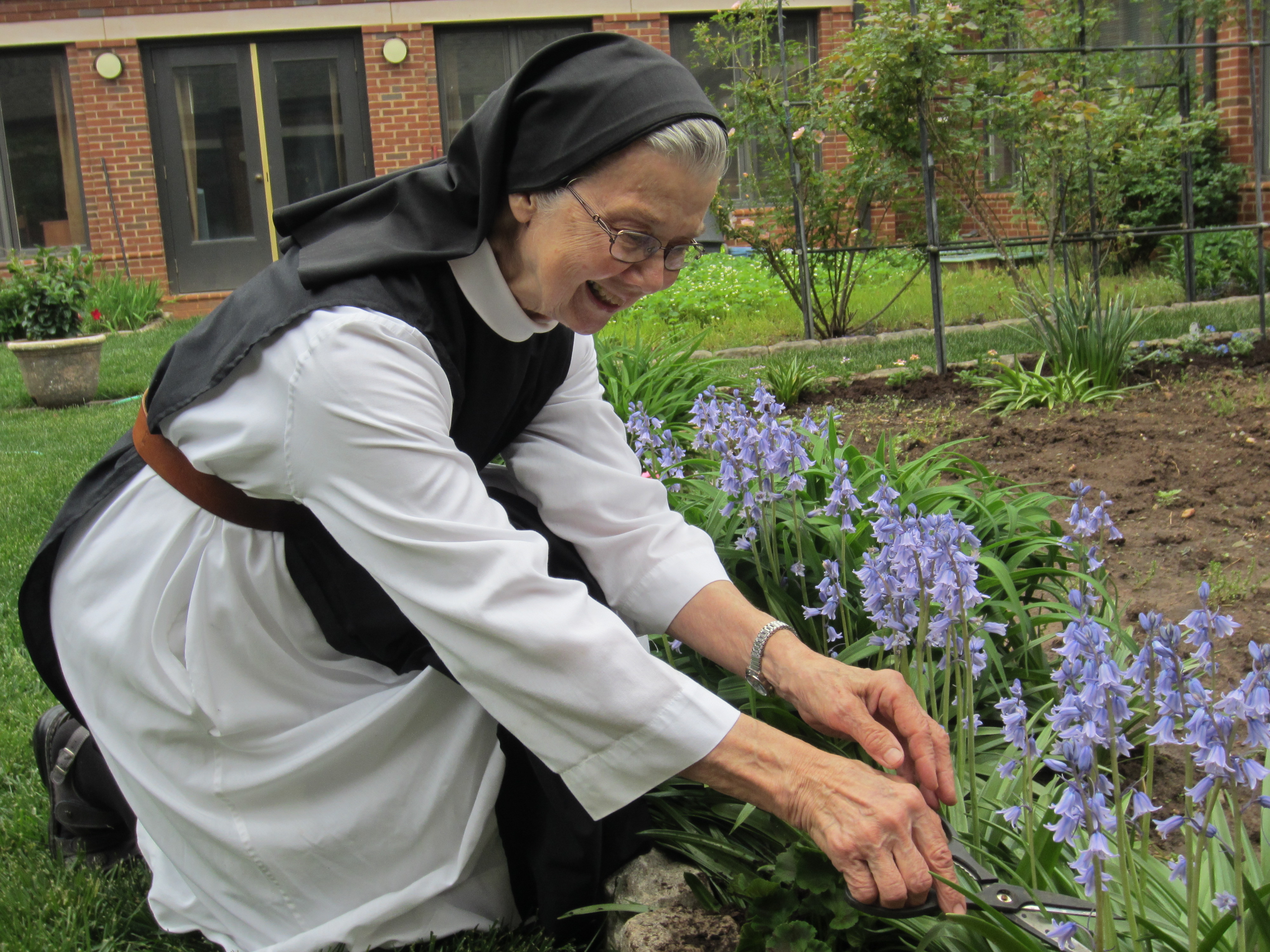
Franciscan Sister Katherine Caldwell offers a series of meditations for the Lent challenge on how to pray with Scripture and cultivate a spirit of unceasing prayer. Her meditations center on the conversion and writings of St. Francis of Assisi and emphasize the importance of integrating Scripture and daily life.
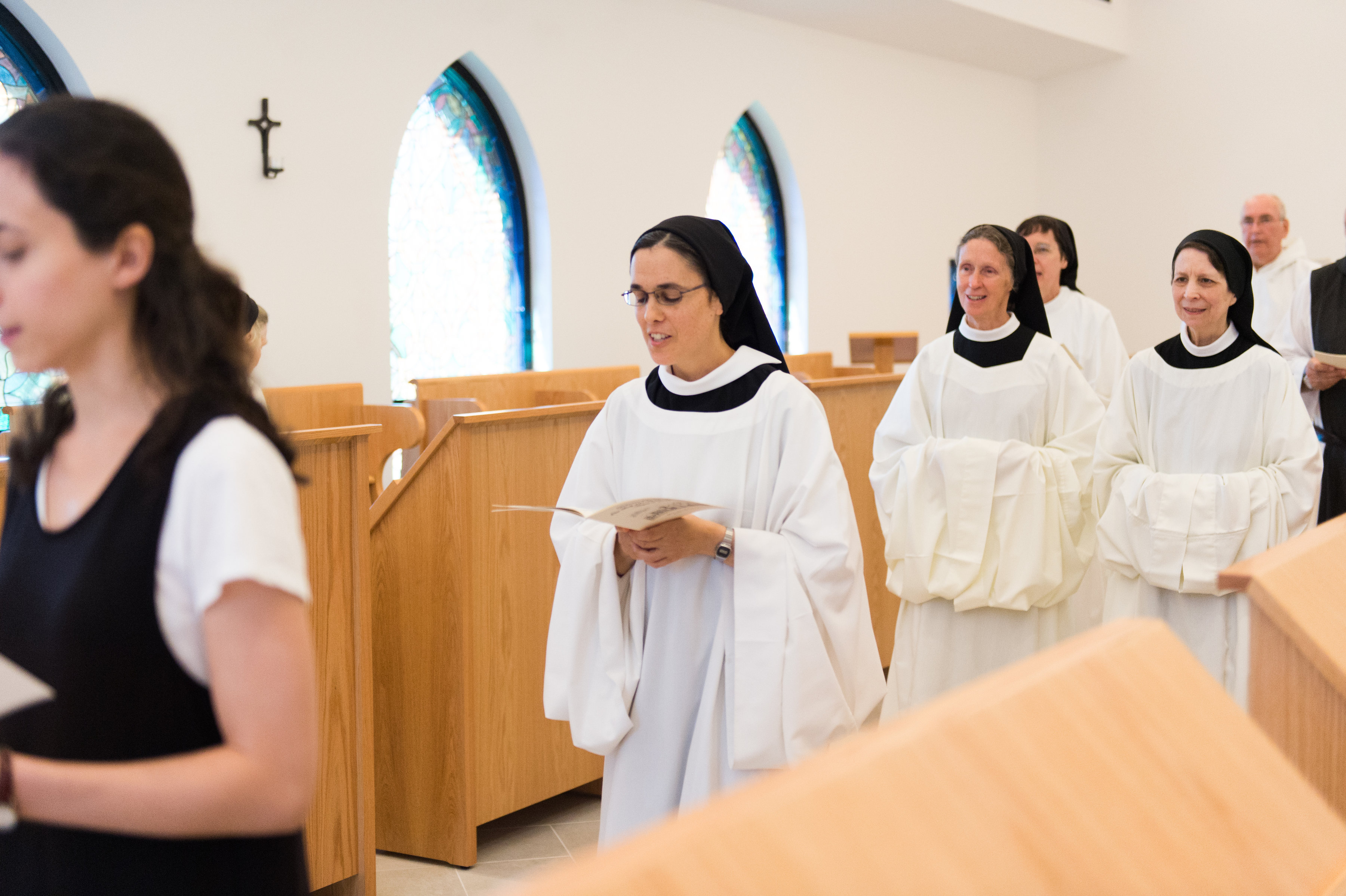
“When we allow God to love us in prayer and receive that, then we bring that love out into the world,” Sister Katherine told the Register. “And as we bring that back to the world, there are going to be challenges, and then we bring those challenges back to prayer. And then it’s a gradual transformation of our life. We grow in virtue and holiness.”
In addition to the Lent challenge, the app offers a 30-day “intro challenge” as well as several smaller modules that include lectures from Cannon and short videos on such themes as “How Do Nuns Overcome Procrastination?” with a Trappist-Cistercian sister and “What to Do When Prayer Feels Awkward” with a Carmelite brother. Each module falls under one of the seven monastic principles.
But offering content alone is not enough, Cannon said. Content must lead to action.
In the next tab, the user can build a customized monastic plan of life and track his or her progress with designated time blocks for actions aligned with the four principles for daily life.
A simple schedule of commitments may look like:
● Silent Prayer, 6:15-6:30 a.m.
● Run, 7-7:30 a.m.
● Focused deep work, 9-11 a.m.
● Email catch-up, 1:30-1:45 p.m.
● Visit with friends, 7-8:30 p.m.
By setting commitments and living them out, users build monastic practices and rhythms into their daily lives. To further help the user cultivate detachment, the app can automatically block other distracting apps during designated times.
Tyler Vasco, a young professional and a beta tester for the app, said designing his own monastic plan of life helped him keep track of his daily practices and stay consistent.
“I already have a routine of prayer every day and going to Mass,” Vasco said. “But I appreciated that there is more accountability in the app. I was able to be more honest with myself and how I am sticking to my spiritual commitments.”
At the end of each week, he looked back over his weekly log to see where he had struggled or succeeded in his commitments: a blue check mark for days where that commitment was complete and a white dot when that commitment was missed.
Because the internet often offers conflicting or disjointed advice for spiritual growth, Vasco said he appreciated the coherent design of the app’s content.

“It’s a curriculum that will be forming you all around instead of overemphasizing one muscle in your human spiritual formation,” he said.
According to Vasco, the character of the nuns and monks involved comes through in the app’s content. He said it was clear each of them participated because he or she is also on the road to holiness and wants to help others along that path.
“My hope is that people would fall in love with Jesus more deeply so that they want to pray,” Sister Katherine said when asked what she wanted her audience to receive from her Lenten meditations on prayer.
For Cannon and the Monk Mindset team, the app is not just about adding another product to an already saturated productivity space. Rather, Cannon said he hopes to give religious like Sister Katherine a platform so they can help laypeople seeking detachment and peace to find spiritual richness and an ordered life with Christ.
“It is really for anyone that wants to grow as a human and learn from the monastic tradition and spirituality,” Cannon said. “It is all taught from the Catholic framework, but we try to frame things in a way that is accessible to people who may not be Catholic or may be searching in some way.”
- Keywords:
- benedictine monks
- lenten devotions
- catholic apps