America’s Greatest Birthday Gift
At the conclusion of the third of National Eucharistic Pilgrimage, Philadelphia’s heat made the lesson unmistakable: a pilgrimage isn't a vacation, and Christ is still leading the way.
108.
At least that’s what my car told me the temperature was.
Well, at least it’s consistent.
After all, it was 101 in St. Augustine when the 2026 National Eucharistic Pilgrimage kicked off. And at every stop I’d covered along the way, it was either north of 90, or raining, or both.
There was Savannah. Rain-soaked, swampy Savannah. There, as the pilgrimage moved through sheets of rain and Southern humidity, the road stripped away any illusion that this was simply a beautiful Catholic event. Wet socks, soaked shirts, fogged lenses, and water running down ones back have a way of clarifying things.
Anyone can walk when the weather’s pleasant.
But it takes a pilgrim to keep walking when comfort’s left the room.
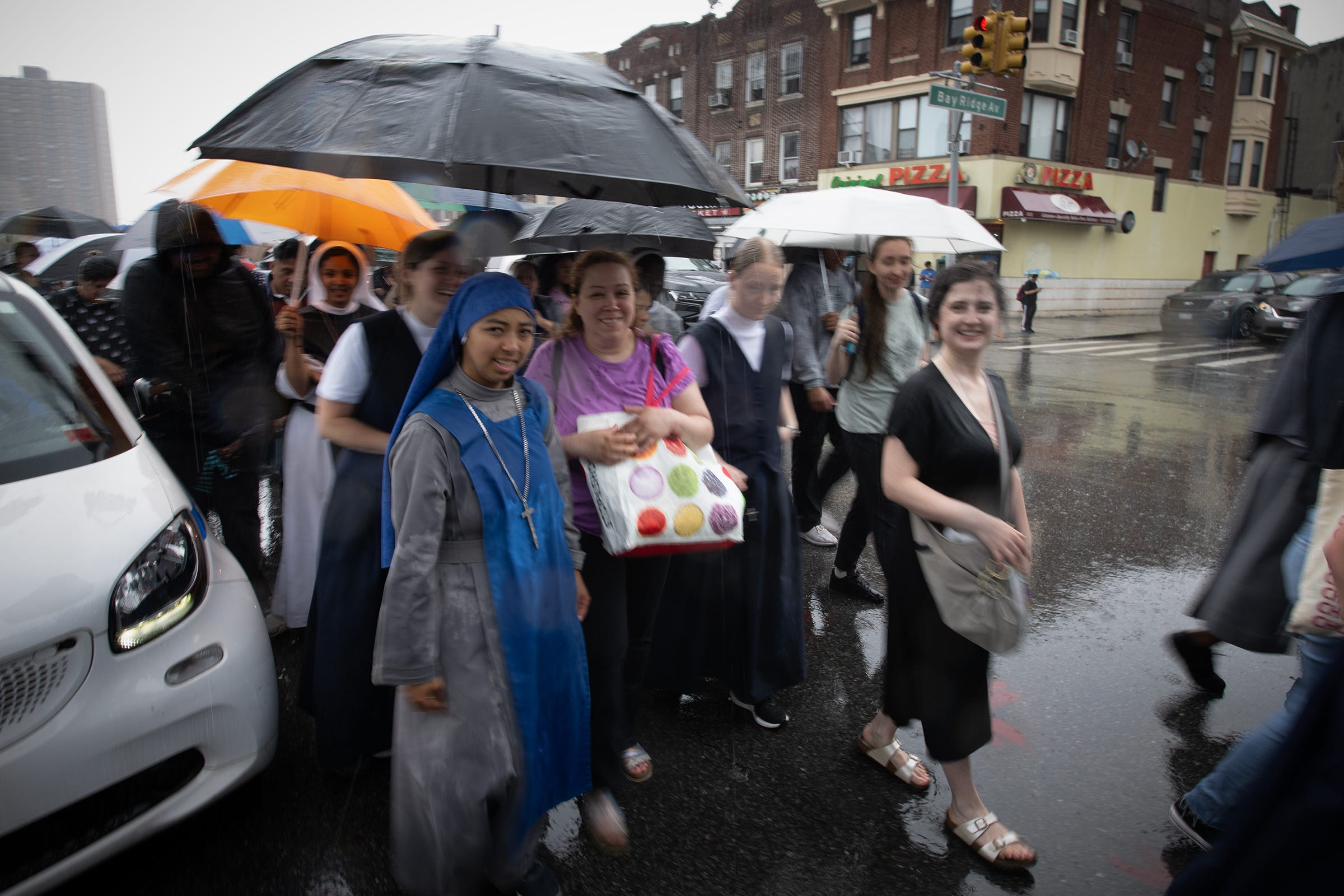
Baltimore brought the rain again. In the nation’s first Catholic diocese, with the old stones of Catholic America underfoot, the pilgrimage moved through water, prayer, history, and the particular peace that rain brings to city streets.
And in Annapolis, the procession began in rain and ended in sunset adoration beneath a rainbow which seemed like a gift, or perhaps a brief reprieve.
Rain has a way of stripping an event down to its essentials. The decorum relaxes. The polished edges disappear. People stop worrying about looking dignified and start helping one another keep going.
Then came Washington, D.C., and the return of the heat. In the capital, where marble and monuments seem designed to project permanence, the day became another lesson in human frailty as pilgrims once again endured the sweltering heat.
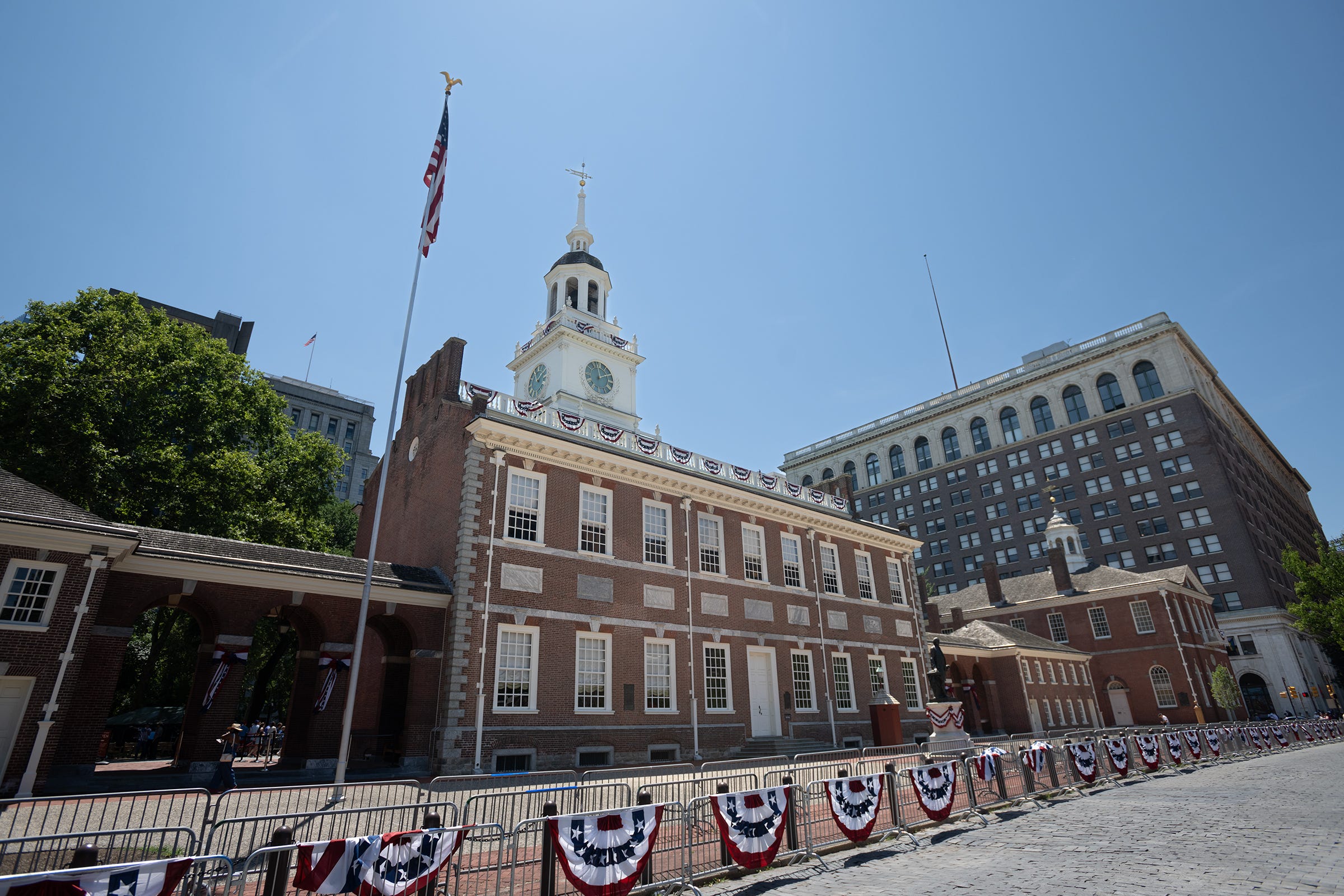
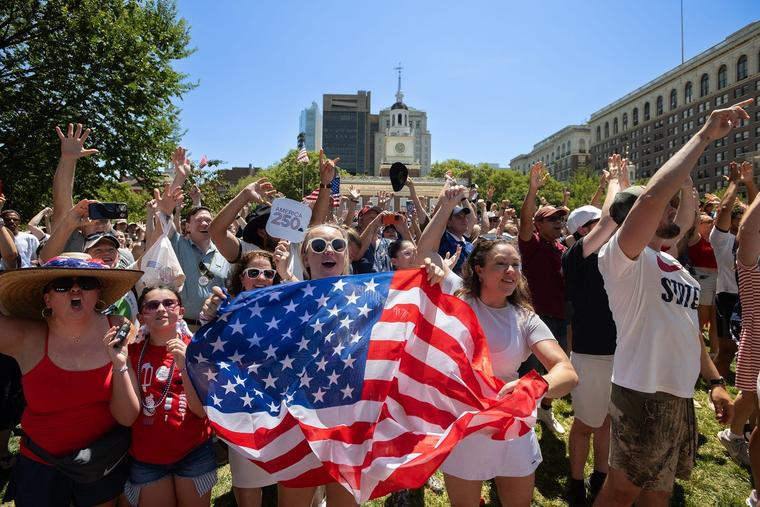
So by the time the Pilgrimage reached Philadelphia on Independence Day weekend, all I could do was smile. 108.
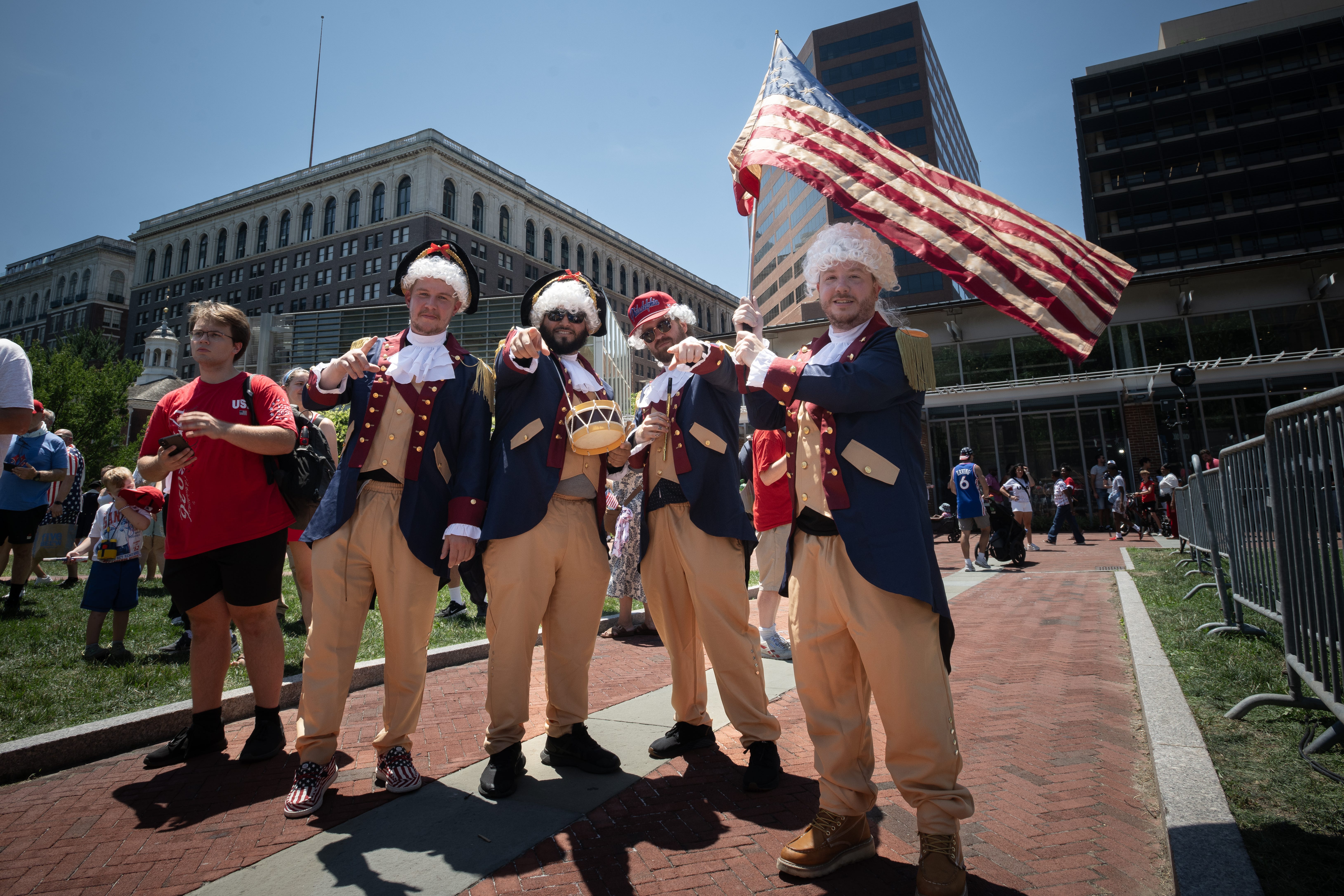
The city had canceled its big parade for America’s 250th. Streets that would normally be overflowing with tourists sat empty and still beneath the burning summer sun. But the pilgrims came.
And it became crystal clear that the weather wasn’t an interruption to the story.
It was part of the story.
And a very distinct reminder that a pilgrimage isn’t a vacation.
It’s an act of love made visible through effort.
For three years, the National Eucharistic Pilgrimage has made that effort visible across the American landscape. Across cities and deserts, bridges and fields, mission churches and cathedrals, highways and coastlines, the Eucharist has moved through the country not as a symbol, but as the living Presence of Jesus Christ.
That’s why its arrival in Philadelphia on Independence Day weekend felt so fitting.
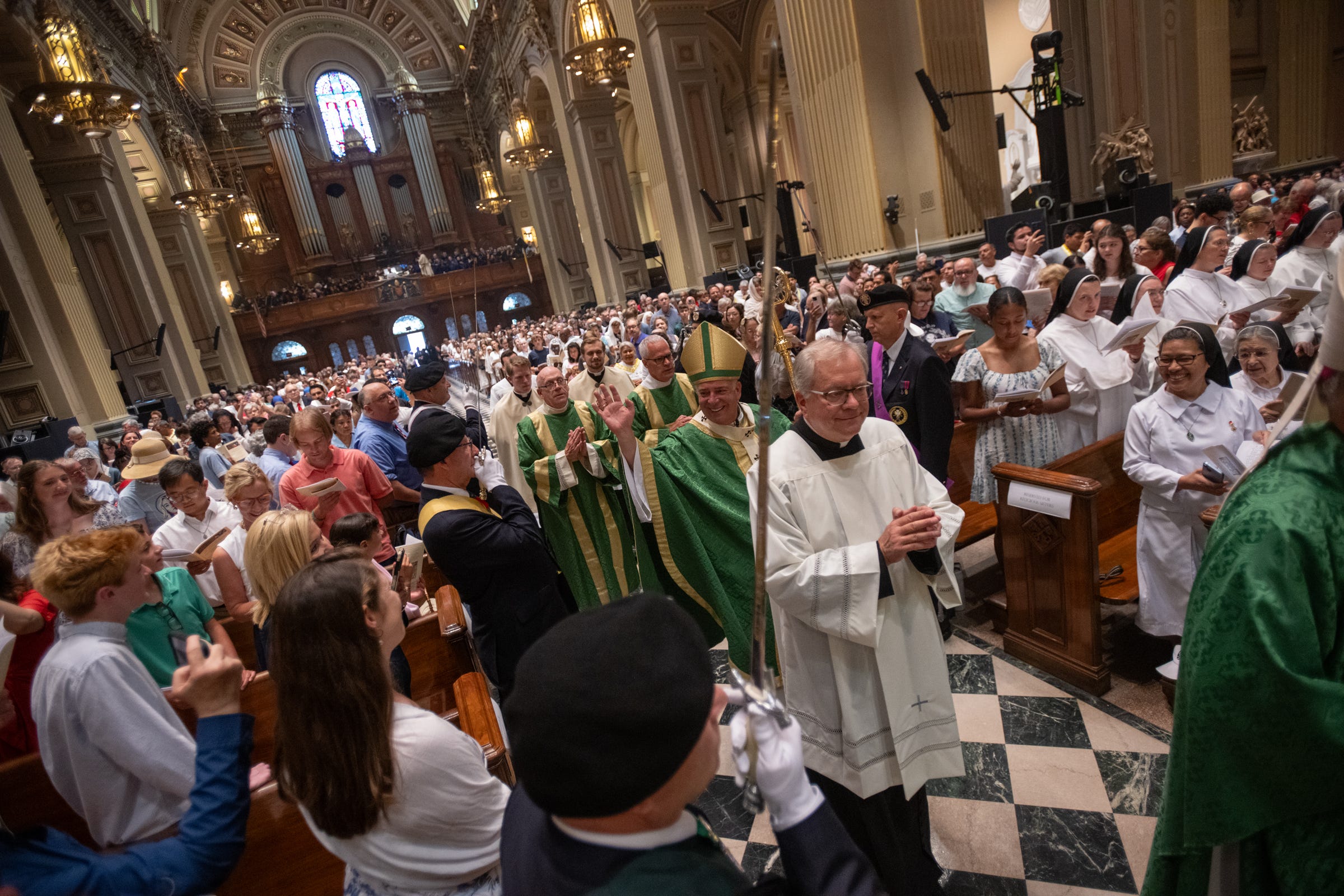
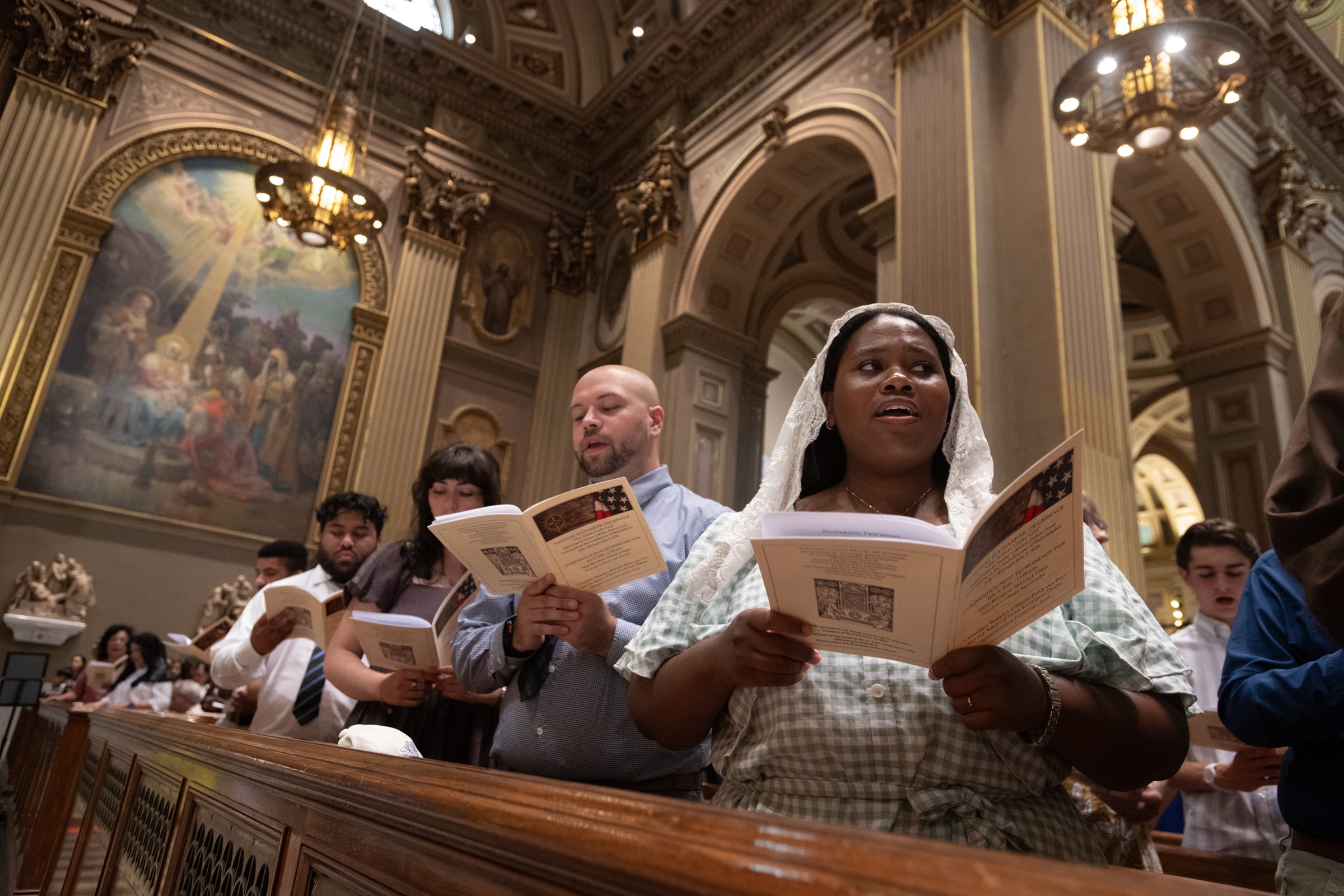
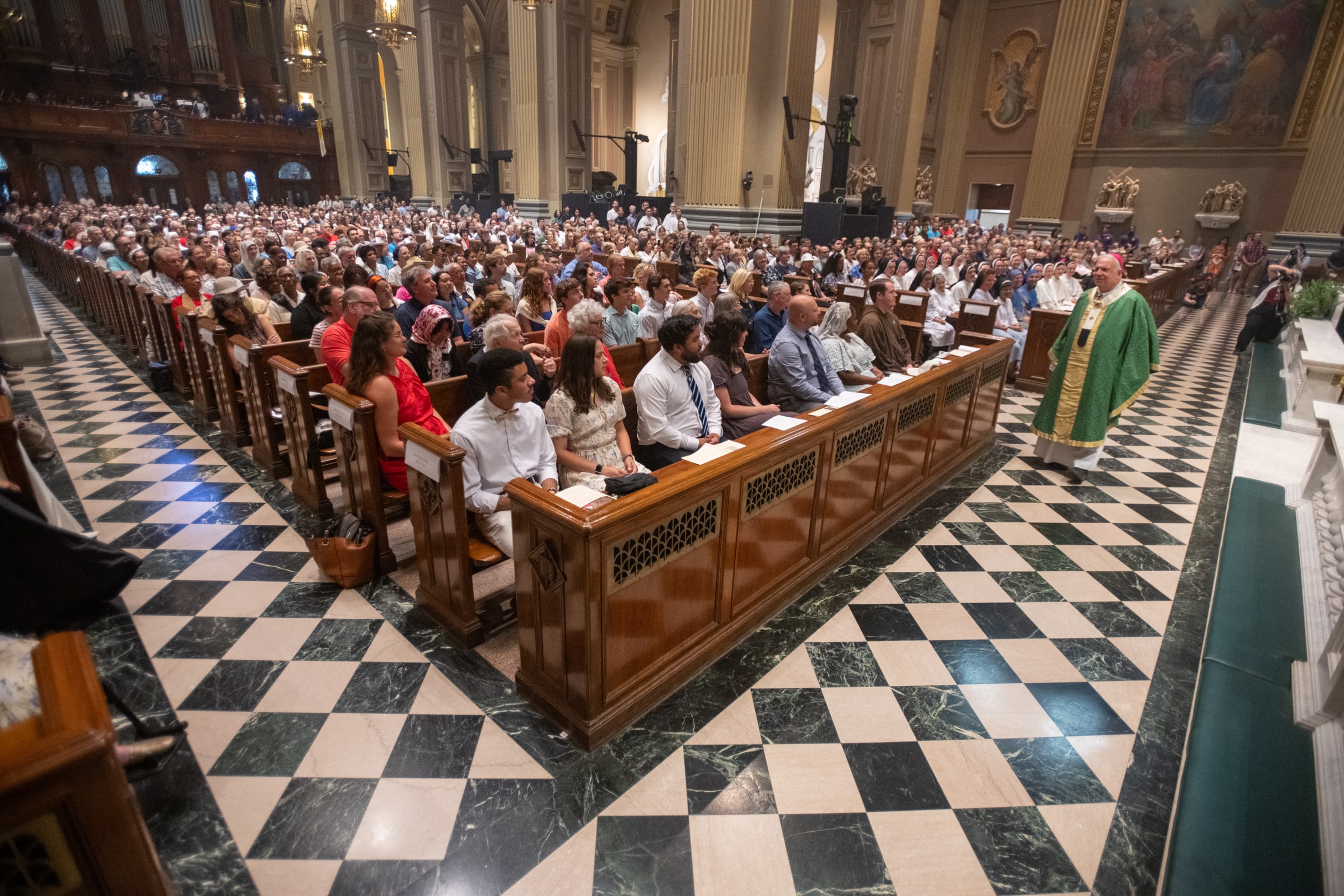
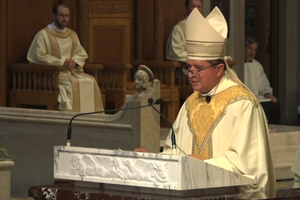
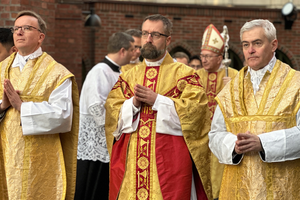
At the Independence Day Mass at the Cathedral Basilica of Saints Peter and Paul, Bishop Keith Chylinski, an auxiliary bishop of Philadelphia, spoke of a nation founded by courageous men and women who dreamed of liberty. But he also pointed beyond any merely civic understanding of freedom.
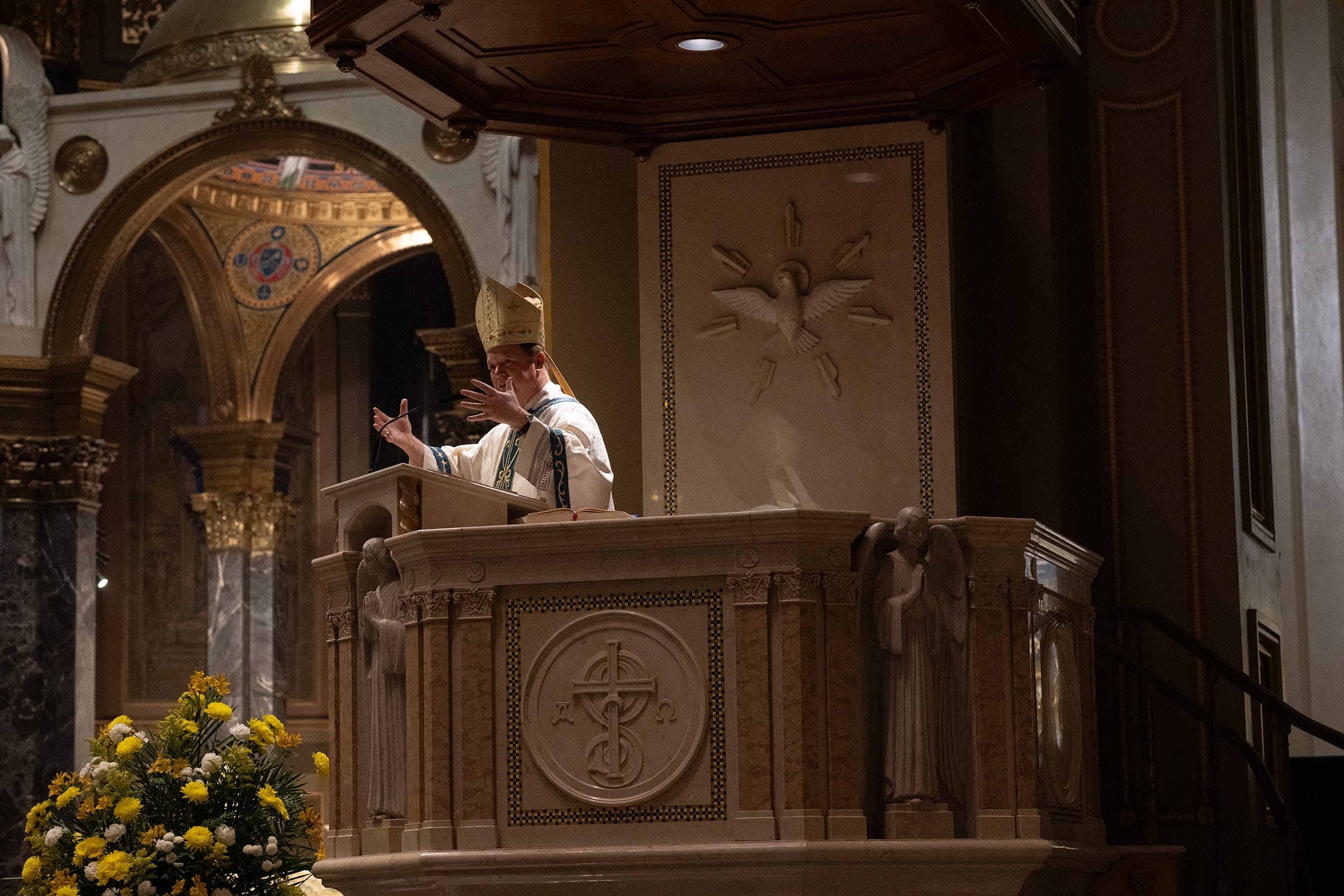
Freedom, he said, is not simply the ability to do as one pleases. The Church sees something deeper: an interior freedom rooted in Christ. A freedom that makes us capable of love, forgiveness, peace, and seeing the dignity of every person.
That’s the freedom that Jesus Christ offers.
And it’s the freedom every nation needs.
America knows how to celebrate its founders. Their names are carved into stone, repeated in speeches, preserved in paintings, and taught to children.
And on the streets of Philadelphia, at the end of three years of Eucharistic pilgrimages across the nation, the question isn’t only what America has been.
It’s what America is willing to become.
A country can receive many gifts on its birthday. It can receive fireworks, concerts, speeches, medals, parades, and pageantry.

But a nation that receives Christ receives the one gift that doesn’t fade when the music ends, when the flags are folded, when the crowds go home, and when the heat finally breaks.
It receives the One who is still pursuing it.
The One from Whom all freedom flows.
And the only One who can heal what we have broken, gather what we have divided, and take our highest ideals and make them flourish.
The only One who can turn “One Nation Under God” from a phrase we recite into a reality we live.
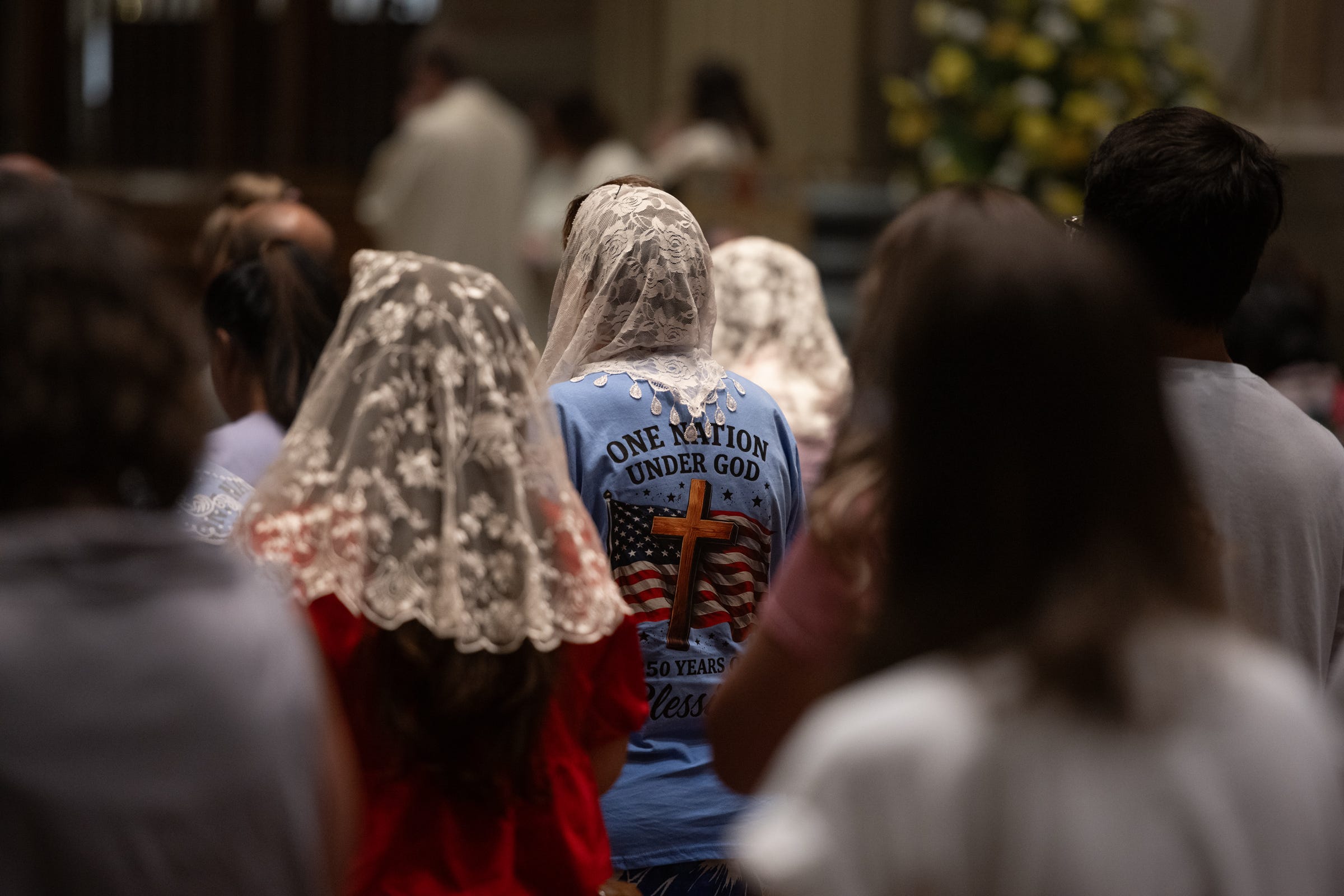
The Lord who has crossed bridges, deserts, fields, cities, rivers, rainstorms, coastlines, and overheated streets in the Blessed Sacrament isn’t finished pursuing the nation He loves.
He is still walking with us and is offering us the Greatest Gift of all.
Himself.
So, Happy 250th, America.
May your best days lie ahead, as truly one nation under God, because with Him, your greatness knows no bounds.
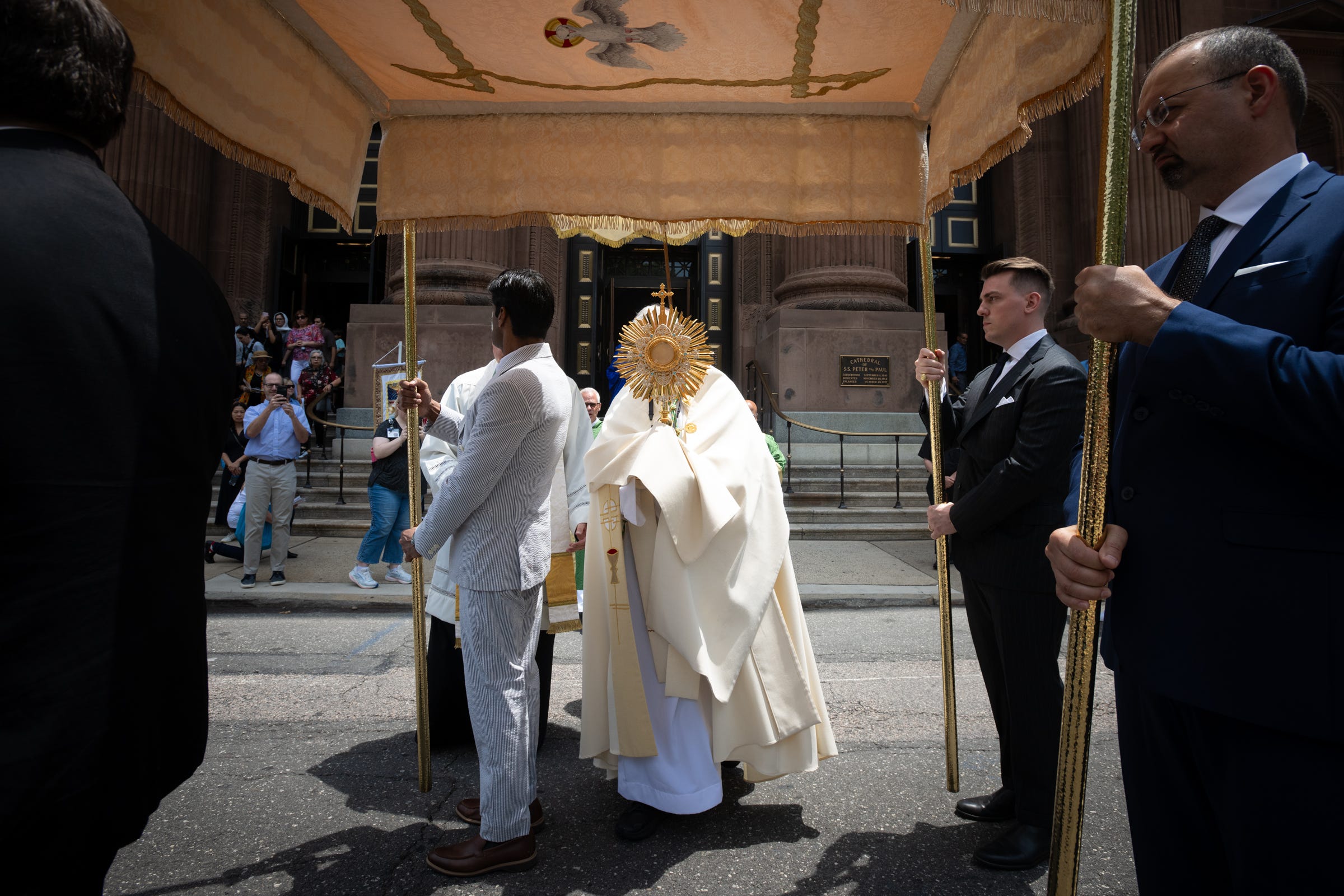
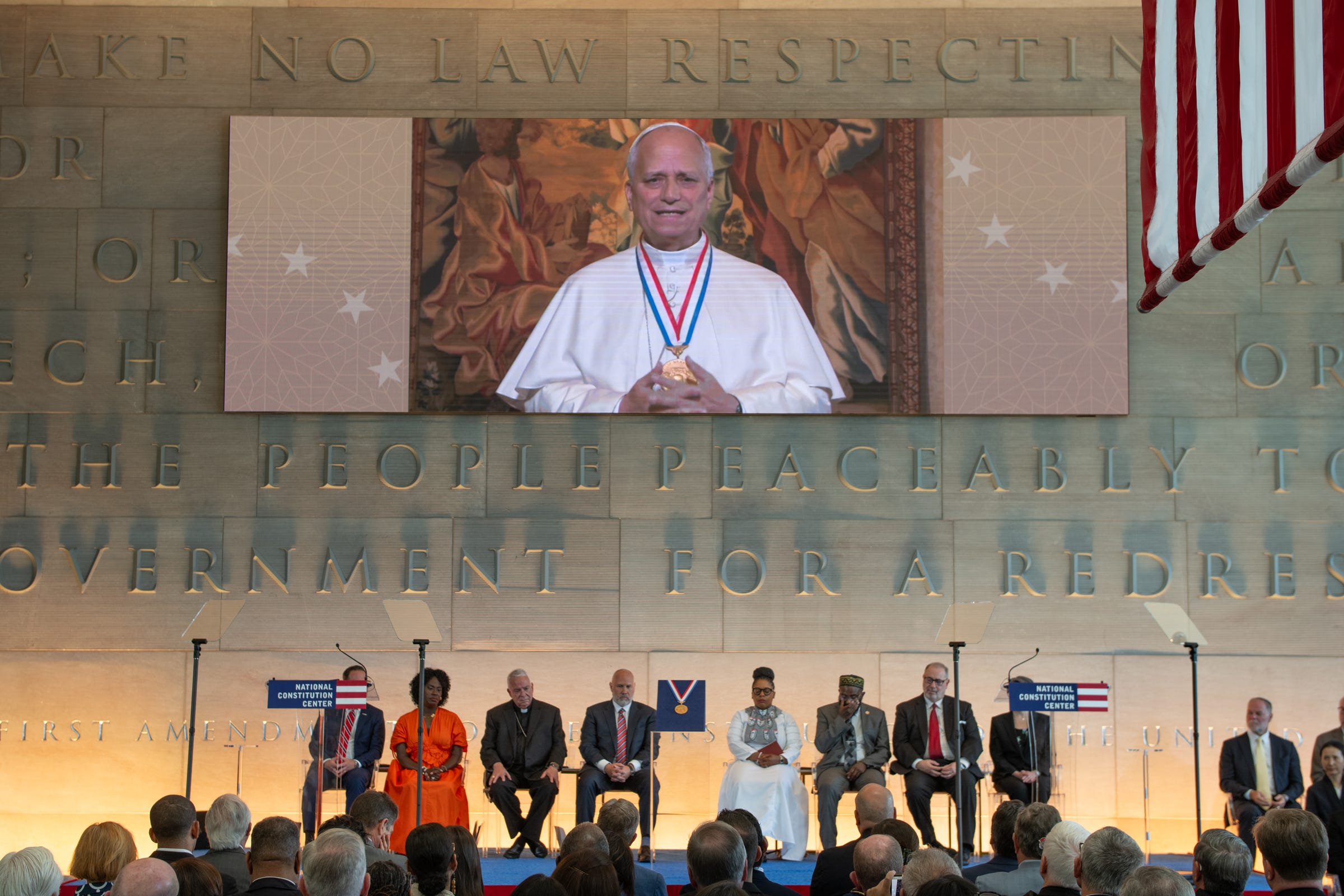
A few photos from the weekend…