Date the Catholic Way: Practical Guidance for Young Catholics Navigating Relationships, Discernment and God’s Timing
Drawing on her experience as a therapist and ministry leader, Elizabeth Busby offers tips and reassurance: ‘God has not forgotten you.’

For many young Catholics, discerning marriage has become one of the most pressing questions they face today. In a culture often uncertain about love, commitment and identity, the Church continues to offer a steady invitation to holiness through the sacraments and the discovery of one’s vocation.
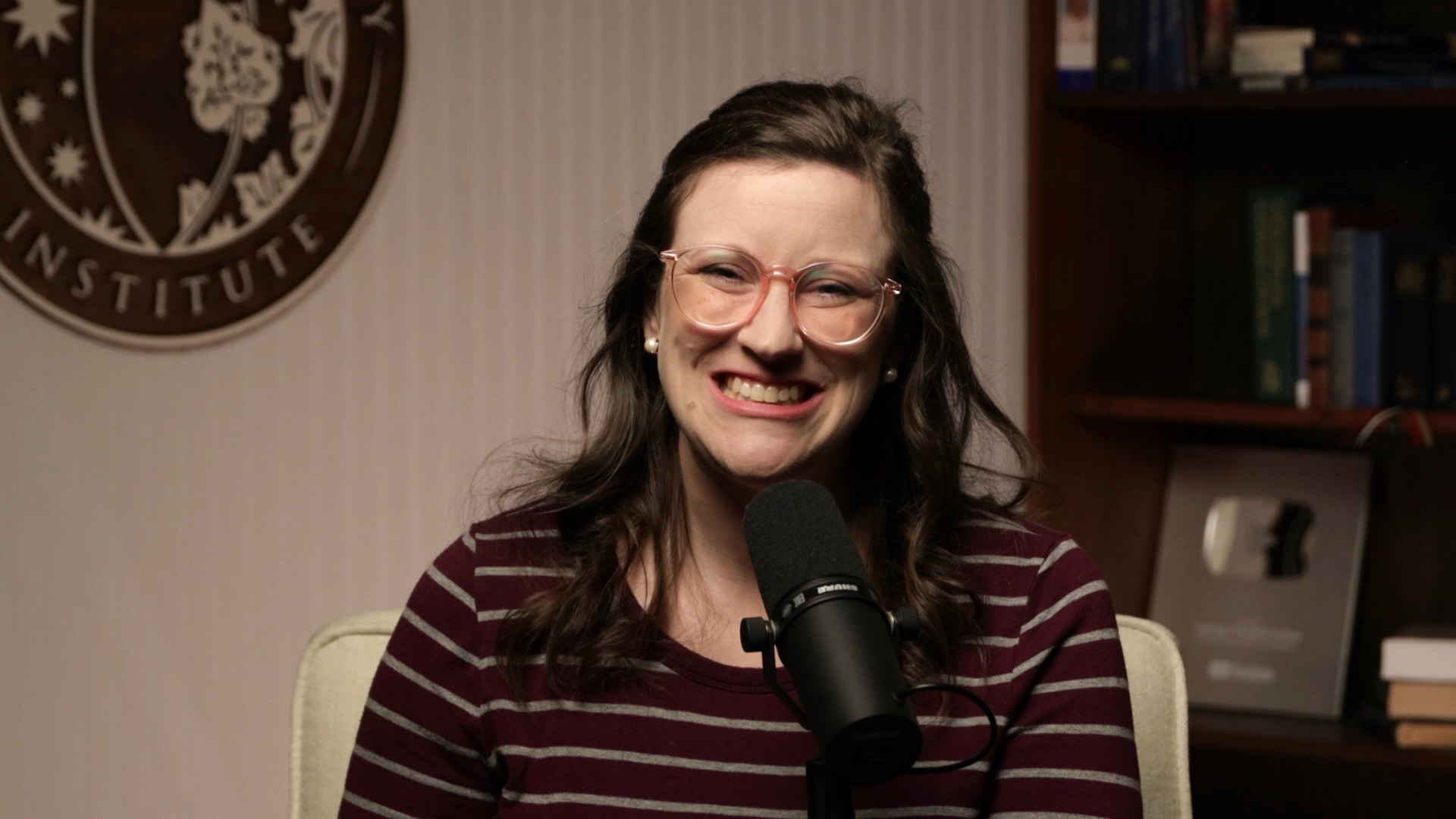
For Elizabeth Busby, this question is one she engages regularly through her work in marriage and family therapy and Catholic ministry. A wife and mother, Busby is also the founder of Discerning Marriage, an initiative of the Theology of the Body Institute.
Through her work, Busby is passionate about helping young people encounter Christ and discern God’s plan for marriage and family life. Her ministry’s vision is also expressed in “Ignite Hope,” a Catholic retreat for young adults discerning marriage through prayer, formation and community. The retreat, which regularly attracts strong interest, offers three tracks for participants in different stages of discernment.
The Register spoke with Busby about the Church’s call to intentional vocational discernment, the challenges young adults face in discerning marriage today, and how prayer, healing and formation help clarify God’s invitation to love.
Vocational discernment today can feel very overwhelming for many young Catholics. From your perspective as a therapist and ministry leader, what makes discernment of marriage particularly confusing in today’s culture?
The two biggest obstacles I see are a misunderstanding of who God is and a misunderstanding of what it takes to make a vocational choice.
First, many people fear that God will ask something miserable of them, particularly that he might call them to celibacy. But God wants us to be happy. If someone is called to religious life or priesthood, they are deeply fulfilled there. If we discern out of fear, we’re not free, and if you’re afraid God will take marriage away, you’re not free to say “Yes” to it.
Second, people often overcomplicate marriage discernment by believing there is only one perfect person, which can paralyze them. But God respects our freedom. There are many people who could be a good, holy fit for you — you have to choose and then love concretely.
How do Pope St. John Paul II’s teachings on the theology of the body shape the way a young person should understand love, dating and discernment of marriage as a vocation?
Theology of the body is not just one area of Catholic teaching; John Paul II treated it as a lens through which the whole tradition of the Church can be seen.
Through this lens, you see that God created us male and female, and from Genesis we see this spousal theme woven throughout Scripture. Paragraph 221 of the Catechism says, “God himself is an eternal exchange of love, Father, Son and Holy Spirit, and he has destined us to share in that exchange.”
Theology of the body gives us freedom to see the goodness of the body, the goodness of the Church and the mercy behind the Church’s moral teaching. It shows that morality is not arbitrary but rooted in who we are and who God is as the Trinity, a communion of life-giving love we are invited into.
This applies directly to marriage, but also to every vocation. It helps us see how to date, how to discern marriage and how to live single or consecrated life as a gift of self.
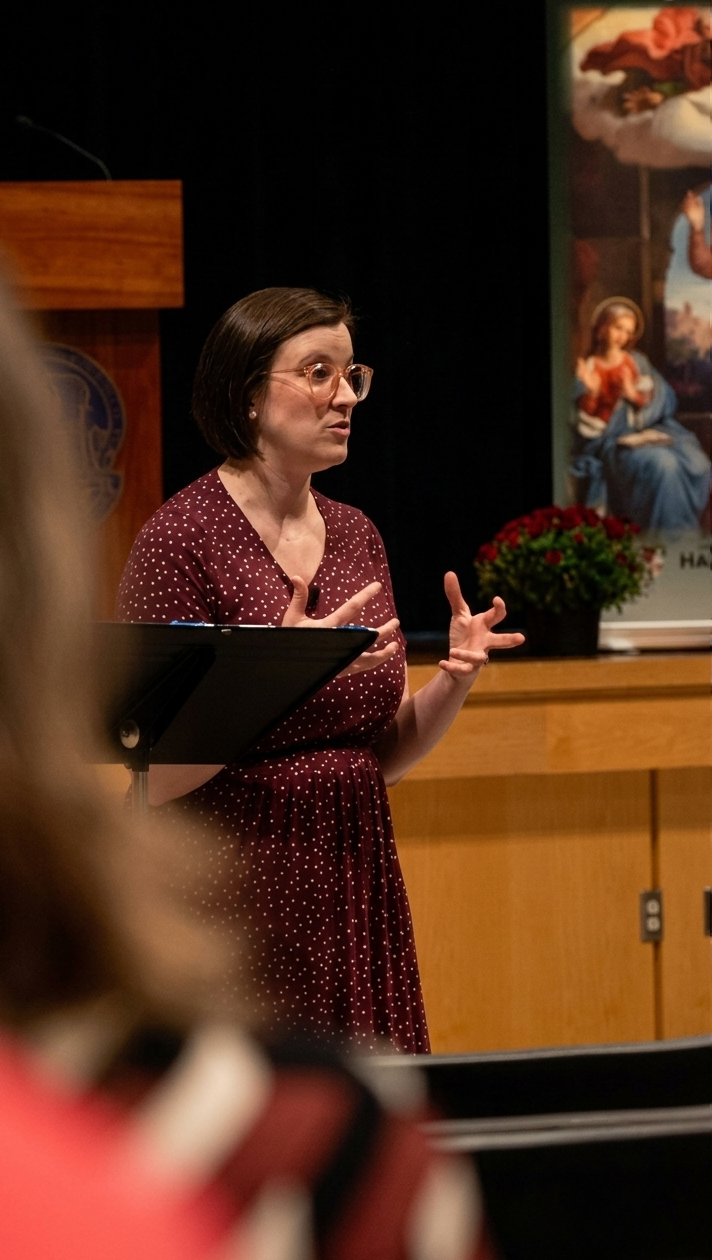
What are some early signs of a healthy relationship that point toward long-term compatibility, and what are some signs people often overlook or rationalize too quickly?
Are they a person of integrity? Are they a person of their word? You can see this in something simple like, “I’ll call you at six o’clock,” and they call at six. How do they treat people like servers at a restaurant? Are they kind and respectful? And are they a person of respect — do they uphold your dignity and their own dignity in how they speak, dress and behave, including how they speak about you and your body? These are early indicators of character.
It is also very important to have someone who is in love with the Lord and shares your faith as a Catholic, or at least as a Christian. The Church does allow mixed marriages, but there are very intentional restrictions around it because of the risk it can pose to your soul. Ultimately, you want someone who will be faithful to their vows and not walk away when things get hard.
On the flip side, one of the biggest red flags is a lack of authentic chastity. Before marriage that means abstinence, but also not repressing the gift of sexual desire. The Catechism calls chastity an “apprenticeship in self-mastery.” In dating, this becomes concrete in whether someone respects boundaries and the dignity of the other person. If someone cannot exercise self-control now, it is a serious warning sign about their ability to live marital fidelity later.
Discernment is often described as “listening to God’s voice,” but, in practice, many young people struggle to know what that actually means. How do you help young people distinguish between emotional attachment, fear and genuine spiritual discernment?
You must be a person of prayer — not just someone who knows how to say prayers, but someone who really knows how to pray. Pope Benedict spoke of the saints seeing prayer as becoming a longing for God.
From there, it’s important to remember that God is not trying to trick us or withhold happiness from us. He wants us to be happy and to serve him with joy. As St. Augustine said, “Love and then do what you will.” When we are truly praying and living in a state of grace through the sacraments, we can begin to trust our desires as part of discernment.
I always recommend having a spiritual director, if possible, or at least staying close to a consistent confessor who knows you well. Discernment is not meant to be done in isolation. You need someone who knows your life and can help you interpret what is happening in your heart.
How has living out marriage and family life in your own home deepened or refined your understanding of vocational discernment?
Marriage can be really hard. It’s such a phenomenal ask of the Lord to take two very different people, place them under the same roof and entrust them with raising children while navigating everyday life together. The choice of who you marry matters so much.
My husband is Catholic, and, for me, that was very important. I really felt the Lord confirm it. I cannot imagine marriage without that shared foundation.
My husband and I are otherwise very different — introvert and extrovert, different personalities and preferences — but that shared foundation has been enough. I’m grateful I chose that over things I once thought mattered more, like personality compatibility.
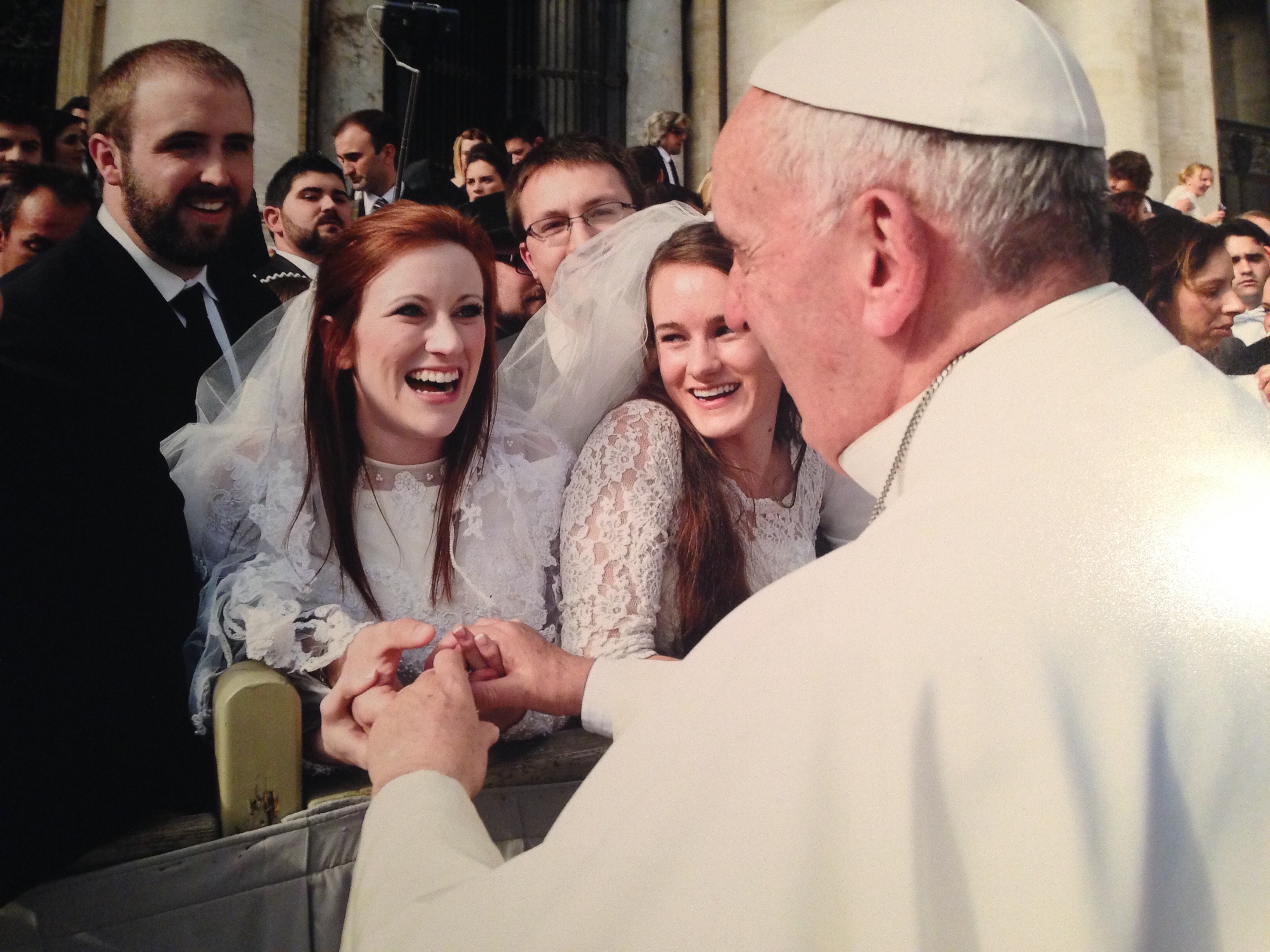
You created the “Ignite Hope” retreat with three distinct tracks: foundation, matchmaking and dating. What specific gaps in formation or support for young adults were you trying to address?
When I was discerning marriage back in 2009, I really wanted to enter a religious order, but the vocations director told me she believed I had a vocation to marriage. I then asked my spiritual director, “How do I discern marriage?” and was told, “Just date a little.” That answer brought more questions than clarity.
At the same time, I didn’t have the formation at home to understand dating or discernment. At the Theology of the Body Institute, we are trying to create the retreat I wish I had — something that actually helps people learn how to discern marriage.
The Foundation Track is for those not ready to date yet, or coming out of a breakup, a shift in discernment or even seminary or religious formation. It focuses on becoming the kind of person who can discern well and become a good spouse.
The Matchmaking Track is for those ready to date but struggling to meet people or date well, offering practical tools for initiating relationships and discernment.
The Dating Track is for couples already dating who want to do it well, with clarity and freedom, as they move toward marriage or discern that it’s not the right fit.
At the heart of the retreat is helping people realize they are not alone and that discernment can be learned and lived well in community.
For a young person who genuinely desires marriage but feels behind, what encouragement would you offer them about how God works in vocational discernment?
We created “Ignite Hope” because it’s such an intimate space for people who are struggling to have hope or feeling discouraged. The image that comes to mind is the Good Samaritan. The Samaritan stops, has mercy and brings the traveler to healing. That’s what I think God does with us in those places of hurt.
What I would say briefly is this: God does love you. He has not forgotten you, and he has not abandoned you. You can unite that suffering to Christ on the cross. Bring it honestly to prayer; tell God exactly how you feel. Jesus literally said from the cross, “My God, my God, why have you forsaken me?” There is nothing too messy for him. He is not afraid of your honesty, and from there, prayer becomes a real relationship where God can meet you and speak into your heart.
This interview was edited for clarity and length.
- Keywords:
- vocational discernment
- catholic marriages
- catholic singles
- theology of the body
- catholic dating
- dating and courtship
- catholic teaching on marriage