Trump Is Aiming for Mount Rushmore. Why Not Heaven, Too?
EDITORIAL: When the president of the United States says he doesn’t think ‘anything’ can get him into heaven, it’s a teachable moment — a chance to remind him, and ourselves, that Divine Mercy is greater than any human achievement.
We tend to sell ourselves short, all too aware of our limits and weaknesses. Donald Trump is not like the rest of us in this regard.
Not ordinarily, anyway.
Trump possesses such heaping reserves of self-confidence that there isn’t a skyscraper on the planet tall enough to contain it. This exasperates his critics, of course. Even some of his most ardent supporters occasionally cringe at his braggadocio.
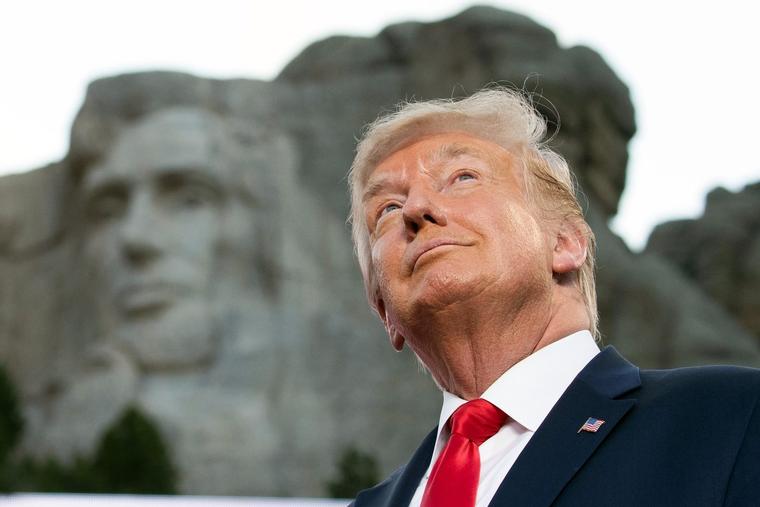
There is, to cite one example, his expressed wish to have his likeness added to Mount Rushmore. “Outrageous!” we might think. But, really, is it such a terrible thing for a president to aspire to be one of the all-time greats? Would we like it better if the leader of our country aimed for the mean?
Trump’s bid to someday join Washington, Jefferson, Lincoln and Teddy Roosevelt on the iconic South Dakota monument may have inched a little closer this past weekend after he secured a peace deal in Gaza. The agreement is fragile and complicated, and there are a thousand things that could still go wrong.
But the scenes of jubilation in Gaza and Israel are extraordinary; watching the last 20 surviving hostages embrace their incredulous loved ones seems nothing short of miraculous. That may not merit Trump a spot on Mount Rushmore, but it has already prompted some observers to suggest his name for the Nobel Peace Prize.
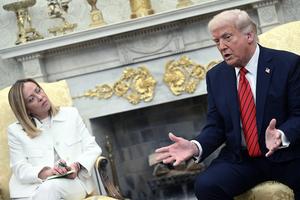
Amid the celebration and praise for Trump’s triumph, the president, speaking to reporters en route to Tel Aviv aboard Air Force One, was asked about even higher pursuits. Trump had once remarked that ending the Ukraine War might help get him into heaven. Did he think that bringing peace to Gaza could do the same?
“I don’t think there’s anything going to get me in heaven,” Trump responded, grinning. “I think I’m not maybe heaven-bound. ... I’m not sure I’m going to be able to make heaven, but I’ve made life a lot better for a lot of people.”
Trump said he was being “a little cute” when he made the comment about Ukraine, so it’s hard to know how serious he was in appraising his chances of paradise. No matter. As a Catholic newspaper, we know a teachable moment when we see one.
“Heaven,” the Catechism of the Catholic Church explains, “is the ultimate end and fulfillment of the deepest human longings, the state of supreme, definitive happiness” (1023).
It’s a safe bet that Trump was winking at some of the things he’s done that he’s not proud of. What the president may not fully appreciate, however, is that we all fall short. We are all sinners. None of us is entitled to heaven. It is only because of Christ’s death and resurrection that those who “die in God’s grace and friendship and are perfectly purified” can go to heaven, where they will see God “face-to-face.”
When we confess our sins with sincere remorse in the sacrament of reconciliation and resolve to amend our lives in accord with God’s laws, we regain the state of grace we received at our baptism and can be assured of God’s forgiveness and mercy. This is the essence of Christian hope.
Hope is something President Trump has brought to Gaza, against every expectation. Unfortunately for him, engineers have said it’s structurally impossible to add another president to Mount Rushmore, even if he were to notch many other historic achievements like this one.
But we can pray that he will set his sights on a truly monumental reward — the “goal of human existence” (1719) that’s “beyond all understanding and description” (1027). That may seem a lofty hope, but “for God, all things are possible” (Matthew 19:26).
- Keywords:
- donald trump
- heaven
- hope
- grace