Miracle Recipient Knows Why Saint John Henry Newman Is Newest Doctor of the Church
‘Seek his guidance to grow in faith,’ says Chicago mother of seven whose 2013 cure raised the English cardinal and convert to sainthood.
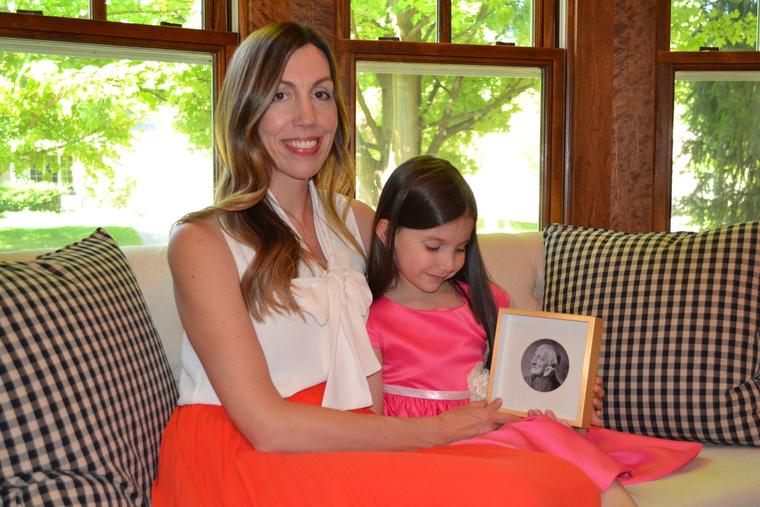
In 2013, Melissa Villalobos’ heartfelt prayer amid dire pregnancy complications, marked by severe bleeding — “Please, Cardinal Newman, make the bleeding stop” — prompted the miracle that made St. John Henry Newman a saint. That prayer stopped her bleeding instantly; the mother and her unborn daughter, Gemma, were saved through Newman’s intercession.
The Chicago area family’s devotion has only grown since that blessed day. Gemma remains healthy. After Gemma, aptly named John Henry was born in 2016, with Blaise following in 2019 — to bring seven children into Melissa and David’s family.
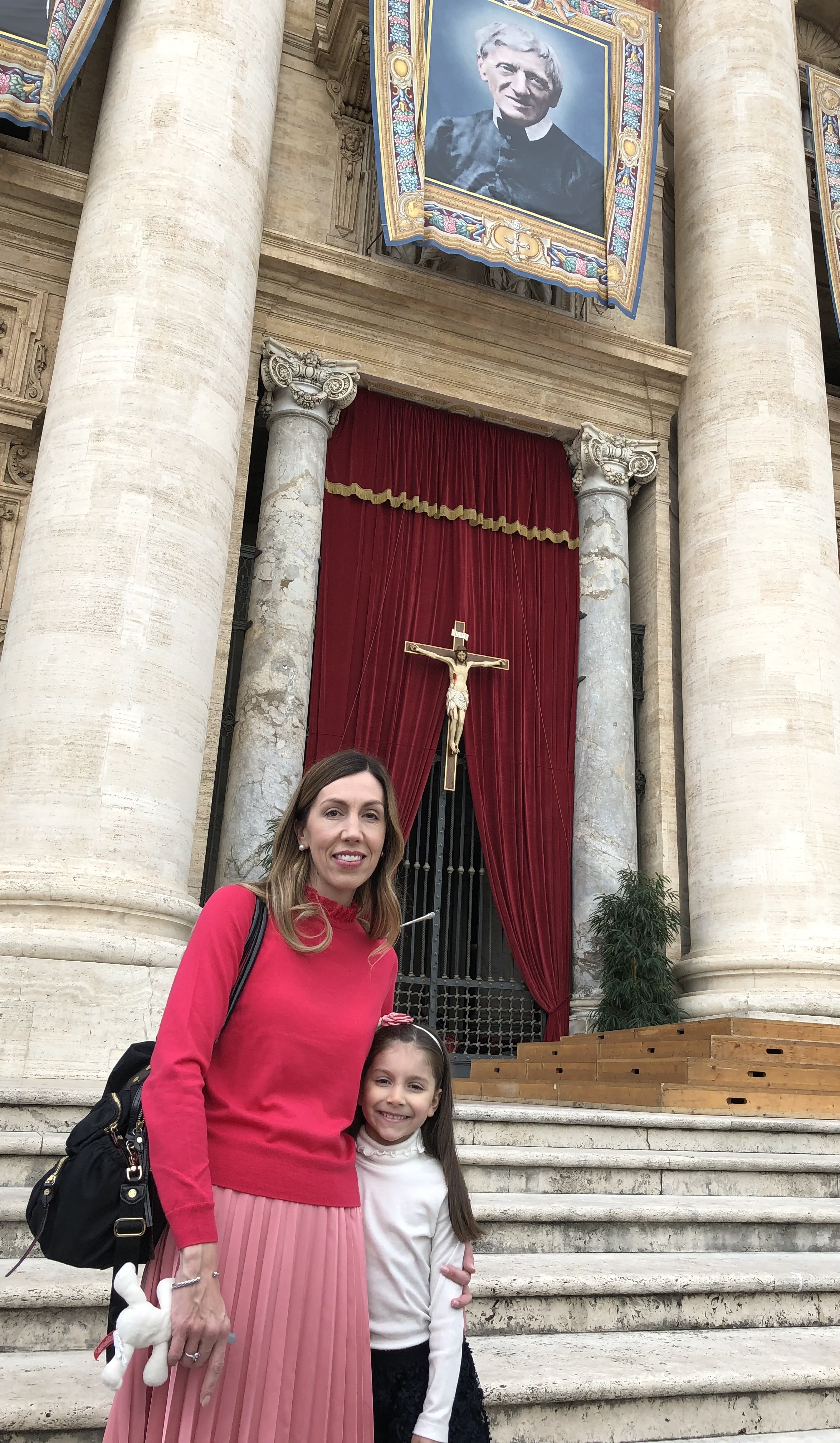
“I became very close to him starting in 2011,” Melissa Villalobos recounted to the Register of Newman on Oct. 10, referencing how the devotion began with prayer cards and explaining how, after being cured, she and her family have remained devoted to him. They began fervently praying for his canonization, which they witnessed in 2019.
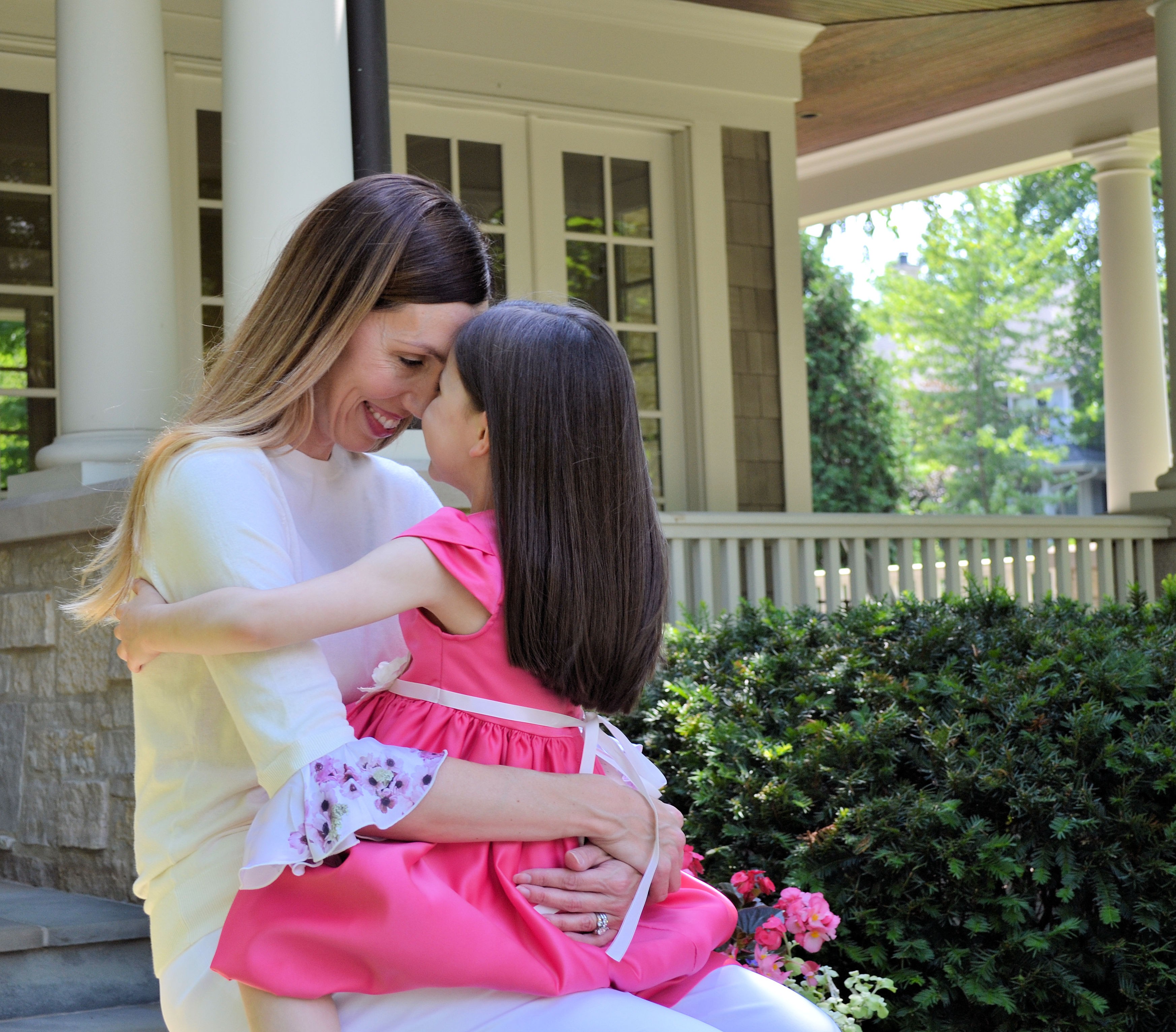
“We have such a deep and personal relationship with him; it’s a blessing to have his help,” she explained.
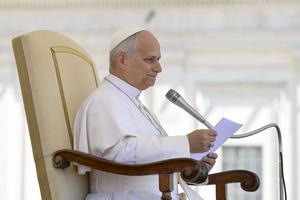
Post-canonization, they looked ahead to a new designation — one that will be official on Nov. 1, with a proclamation from Pope Leo XIV, who cited Newman’s “decisive contribution to the renewal of theology and to understanding Christian doctrine” in his announcement.
“My whole family is devoted — we changed our prayers from praying for him to become a saint to praying for him to be a doctor of the Church since the day of his canonization,” Villalobos said.
“I still feel like a spiritual daughter of his,” she said, in reference to her comments in a past Register interview, noting now how she “often opens up his writing for guidance or inspiration, and he never disappoints.”
Those Newman insights aid her in her duties of daily life, helping her to fulfill her vocation as a wife and mother with “greater joy and purpose.”
As the official proclamation of Newman as a doctor of the Church approaches, with excitement, she hopes that other faithful will “seek his guidance to grow in their faith.”
Daughter Gemma also looks to Newman.
“She’s very close to him as well,” reported her mother, adding, “We pray to him every day and give thanks for the cure. She’s so sweet — perfectly happy and healthy, thanks be to God.”
Villalobos was certain Newman would be declared a “doctor” but didn’t know when.
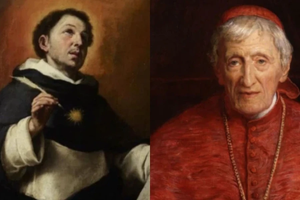
“I was surprised by the announcement but not surprised that he would be named because of his tremendous contributions to the faith,” she observed, adding that he is already cited alongside St. Thomas Aquinas and St. Augustine in the Catechism of the Catholic Church and referenced in many homilies and studied at seminaries.
Having a hometown connection with the Pope who is honoring Newman is particularly special.
“It is absolutely amazing. I wish that he would want to meet us and speak with my children,” she said, adding: “And chat with us about Chicago and Cardinal Newman over deep dish. Funny how God works — Chicago has become a profound part of history.”
Looking ahead to All Saints’ Day, the family routine will remain: Mass and reflection on the saints, including St. John Henry.
“We’re very mindful of his days: We celebrate his birthday in February, my miraculous cure in May, his October feast day and canonization day, and the date of his death in August. We’re always looking for a good reason to celebrate the life of Newman, seeking his guidance and thanking God for him in our lives.”
Worthy of Reading
In terms of his impressive catalogue, Villalobos said that Newman’s writing has a heartfelt quality.
“His writing touches our hearts while enlightening our minds,” she said, adding that she wants other people to know the soul-stirring effects of his erudite prose. “You’ll be educated, and your heart will be moved.”
She recommends going online to read from Newman’s canon, which encompasses everything from personal letters to the Apologia Pro Vita Sua, starting at NewmanReader.org, a resource from the National Institute for Newman Studies.
“I encourage you to see what you will find. If you’re like me, you’ll find something wonderful,” she said, explaining that the plethora of pieces offers “so much that you won’t run out.”
She admitted that she has reflected on just one paragraph for an hour, to take in the words’ full essence, including Gospel reflections that offer “deeper and more beautiful meaning” to Jesus’ teachings.
“You can’t make a bad choice — anything he’s written is a real gem,” she explained.
Perhaps her favorite writing of Newman’s is his description of Mary as our nursing mother. The impactful passage focuses on the Assumption and mentions the growth of lilies.
“We gave Gemma her middle name Lillian after that passage; I was really moved by how lovingly and tenderly he vividly describes Mary,” Villalobos said.
Newman writes:
“O my dear children, young men and young women, what need have you of the intercession of the Virgin-mother, of her help, of her pattern, in this respect! What shall bring you forward in the narrow way, if you live in the world, but the thought and patronage of Mary? What shall seal your senses, what shall tranquillise your heart, when sights and sounds of danger are around you, but Mary? What shall give you patience and endurance, when you are wearied out with the length of the conflict with evil, with the unceasing necessity of precautions, with the irksomeness of observing them, with the tediousness of their repetition, with the strain upon your mind, with your forlorn and cheerless condition, but a loving communion with her!
“She will comfort you in your discouragements, solace you in your fatigues, raise you after your falls, reward you for your successes. She will show you her Son, your God and your all. … It is the boast of the Catholic Religion, that it has the gift of making the young heart chaste; and why is this, but that it gives us Jesus Christ for our food, and Mary for our nursing Mother? Fulfil this boast in yourselves; prove to the world that you are following no false teaching, vindicate the glory of your Mother Mary, whom the world blasphemes, in the very face of the world, by the simplicity of your own deportment, and the sanctity of your words and deeds. Go to her for the royal heart of innocence. She is the beautiful gift of God, which outshines the fascinations of a bad world, and which no one ever sought in sincerity and was disappointed. She is the personal type and representative image of that spiritual life and renovation in grace, ‘without which no one shall see God.’”
In another excerpt, Newman highlights Our Lady and the white Marian flower:
“It became Him, who died for the world, to die in the world’s sight; it became the Great Sacrifice to be lifted up on high, as a light that could not be hid. But she, the lily of Eden, who had always dwelt out of the sight of man, fittingly did she die in the garden’s shade, and amid the sweet flowers in which she had lived. Her departure made no noise in the world.
“The Church went about her common duties, preaching, converting, suffering; there were persecutions, there was fleeing from place to place, there were martyrs, there were triumphs; at length the rumour spread abroad that the Mother of God was no longer upon earth. Pilgrims went to and fro; they sought for her relics, but they found them not; did she die at Ephesus? or did she die at Jerusalem? reports varied; but her tomb could not be pointed out, or if it was found, it was open; and instead of her pure and fragrant body, there was a growth of lilies from the earth which she had touched.”
Another personal favorite of Villalobos’ is the poem widely known by its first line — Lead, Kindly Light — about, she said, “light amid the encircling gloom when despair or doubt come. I love that one.”
She appreciates how Newman remains relevant today, as his writing “warns of dangers of liberalism in religion … with the erroneous ideas of religion having ‘no positive truth,’ or being a ‘matter of opinion’ — he warned against this for decades — and how there’s one true Church of Christ, and everyone’s invited.”
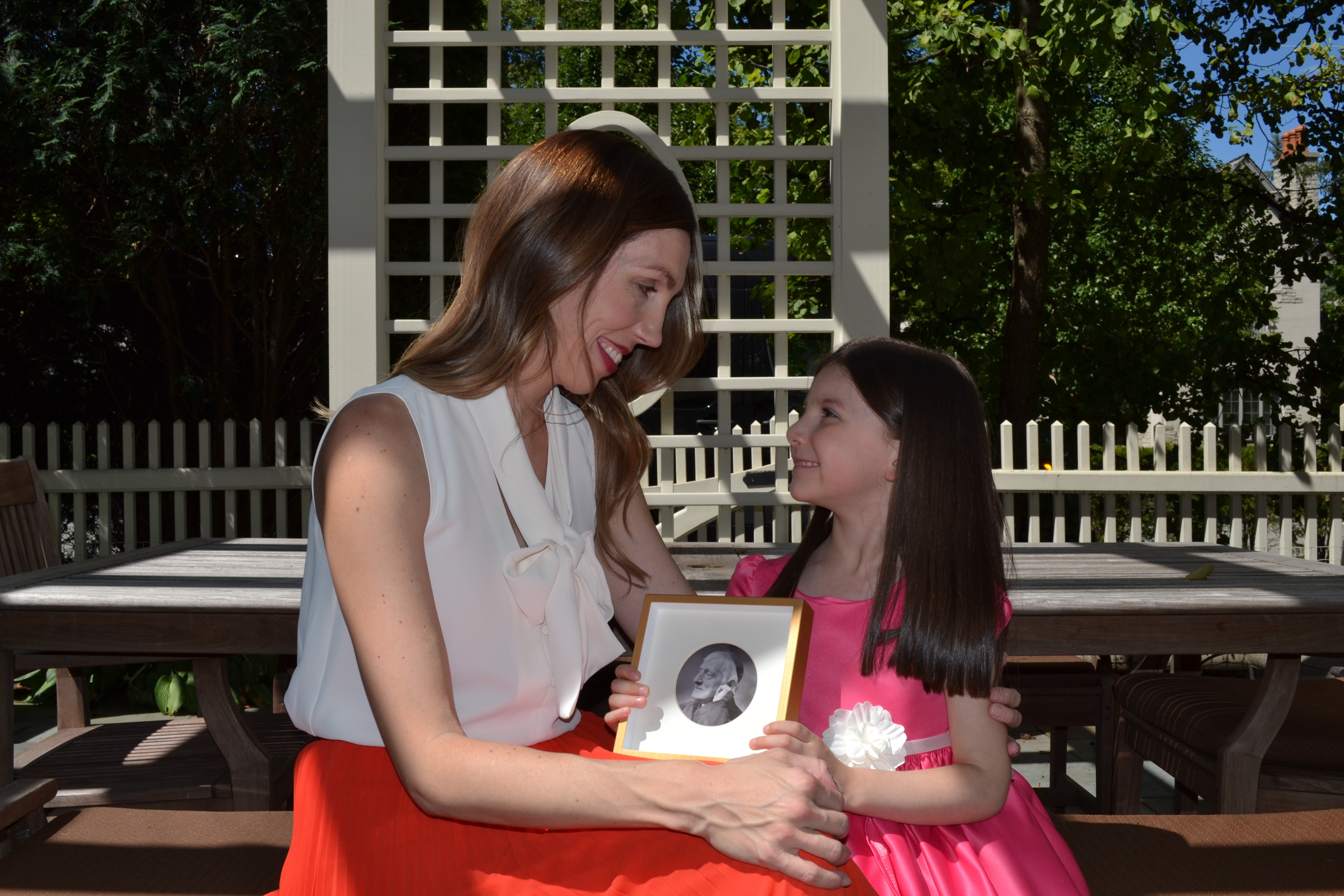
The line “Thou alone” (“Thou alone, my dear Lord, art the food for eternity, and Thou alone”) was another turn of phrase Villalobos highlighted, explaining that it’s reminiscent of St. Augustine: “It’s a simple line but a beautiful line.”
She also referenced Newman’s Christocentric description of “never less alone than when alone” (which is attributed to Cicero):
“ … the Christian has a deep, silent, hidden peace, which the world sees not, — like some well in a retired and shady place, difficult of access. He is the greater part of his time by himself, and when he is in solitude, that is his real state. What he is when left to himself and to his God, that is his true life. He can bear himself; he can (as it were) joy in himself, for it is the grace of God within him, it is the presence {70} of the Eternal Comforter, in which he joys. He can bear, he finds it pleasant, to be with himself at all times, — ‘never less alone than when alone.’ He can lay his head on his pillow at night, and own in God’s sight, with overflowing heart, that he wants nothing, — that he ‘is full and abounds,’—that God has been all things to him, and that nothing is not his which God could give him.”
She is also moved by his reflection as a young man experiencing his first conversion and about being more aware that God existed than he was certain of his own physical self:
“I believed that the inward conversion of which I was conscious, (and of which I still am more certain than that I have hands and feet,) would last into the next life, and that I was elected to eternal glory. I have no consciousness that this belief had any tendency whatever to lead me to be careless about pleasing God.”
Now, Villalobos aims to encourage students at Newman Centers to pray a novena to the newest doctor of the Church, hoping they too will be inspired by their centers’ namesake to seek the Light.
“His writing is beautiful, thoughtful and helpful, and so full of insight and inspiration,” she underscored. “It’s really hard to put down.”
WATCH RELATED INTERVIEW ON EWTN

Amy Smith Amy Smith is a Register senior editor who edits devotions and features for print and online. Fueled by prayer and coffee, she enjoys writing about everything from Jane Austen to saints for the Register. She is the author of The Plans God Has for You: Hopeful Lessons for Young Women (Emmaus Road Publishing). Her writing has also appeared in various other Catholic publications. She has a master’s degree in journalism and a B.A. in English.