The Lazarus Blueprint: 7 Stages of How God Acts in Your Life
'Untie him and let him go free...'
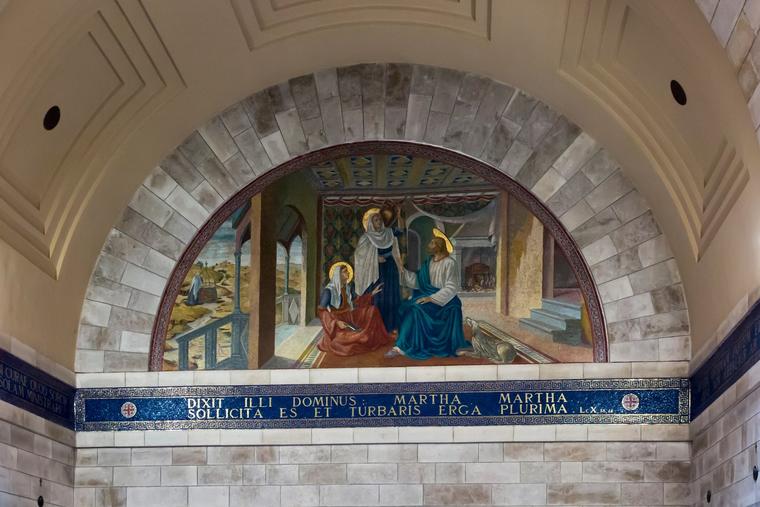
The raising of Lazarus is not merely a historical event of some two thousand years ago. Rather, we must recall that we are Lazarus; we are Martha and Mary. So, this is also the story of how Jesus is acting in our life. Let’s look at this Gospel in seven stages and learn how the Lord acts to save us and raise us to new life.
1. He permits.
Sometimes there are trials in our life, by God’s mysterious design, to bring us to greater things. The Lord permits these trials and difficulties for various reasons. But, if we are faithful, every trial is ultimately for our glory and the glory of God. When informed of Lazarus’ grave condition Jesus says, “This illness is not to end in death, but is for the glory of God.” The Lord permits it temporarily in order that something greater, God’s Glory in Jesus may be seen and the faith of many be strengthened.
2. He pauses.
Here, too, we confront a mystery. Sometimes God says, “Wait.” We read; Now Jesus loved Martha and her sister and Lazarus. So, when he heard that he was ill, he remained for two days in the place where he was. Note that the text says that Jesus waits because he loved Martha and Mary and Lazarus. This of course is paradoxical, because we expect love to make one rush to the aid of the afflicted. Yet Scripture often counsels us to wait. Somehow our waiting is tied to strengthening us and preparing us for something greater.
3. He pays.
Despite the design of God and His apparent delay, He is determined to bless us and save us. Jesus is determined to go and help Lazarus even though He puts himself in great danger in doing so. Notice how the apostles are anxious about going to Judea; some there are plotting to kill Jesus. To help Lazarus, Jesus must put himself at great risk. We must never forget the price that Jesus has paid for our healing and salvation.
4. He prescribes.
Jesus says to Martha: Whoever believes in me, even if he dies, will live, and everyone who lives and believes in me will never die. Do you believe this?” Jesus prescribes faith because there is no other way. And so, before raising Lazarus, Jesus elicits an act of faith from her. How will you answer? We know how we should answer, but how do we really and truthfully answer?
5. He is passionate.
Coming upon the scene Jesus is described as deeply moved, as perturbed, as weeping. The Greek word literally means to snort with anger, to express great indignation. Jesus is on the front lines of the battle and has a focused anger against Satan and what he has done. Scripture says, by the envy of the devil death entered the world. (Wisdom 2:23). Jesus’ wrath is His passion to set things right.
6. He prevails.
In the end, Jesus always wins. He can do anything but fail. Jesus can make a way out of no way. He cried out in a loud voice, “Lazarus, come out!” The dead man came out, tied hand and foot with burial bands, and his face was wrapped in a cloth.
7. He partners.
So Jesus said to them, “Untie him and let him go free.” Although Jesus raises Lazarus, and gives him new life, Jesus also commands the bystanders to untie Lazarus and let him go free. Christ raises us, but He has work for the Church to do: untie those He has raised in baptism and let them go free.
- Keywords:
- sunday guide