‘Beauty Leads to God’: Michigan Parish Marks 500 Years of ‘Pope’s Musician’ With Liturgical Festival
Choirs from the U.S. and abroad joined series presenting sacred masterworks by Palestrina in their intended setting — the Holy Mass.
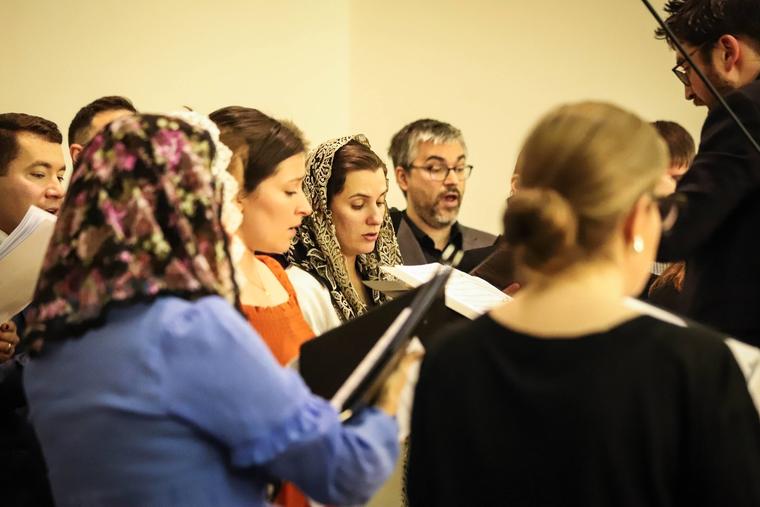
The moving melodies of Giovanni Pierluigi da Palestrina regularly fill the sanctuary of Sacred Heart parish in Grand Rapids, Michigan.
The parish is drawing acclaim for sponsoring a series of Masses featuring glorious 16th-century choral works, while fostering traditional liturgy focused on the beauty of the faith.
Music Director Jonathan Bading told the Register that the year-long series of liturgies at Sacred Heart, featuring works by Palestrina, the “first among equals” among Italian composers, serves as an “evangelization of beauty” through sacred music, restored to the traditional liturgy.
The series commemorates the 500th anniversary of the birth of Palestrina (1525-1594), who, with his contemporaries Tomás Luis de Victoria and Orlando di Lasso, had an enduring influence on subsequent composers, including the Protestant Johann Sebastian Bach.
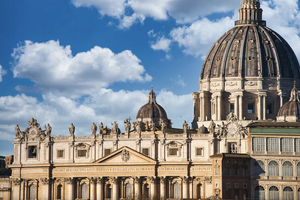
Palestrina — known as the “Pope’s musician” — was the music director at St. Peter’s Basilica at the Vatican under Pope Julius III and also served at other churches in Rome. His vast output included more than 100 Masses, dozens of motets and other works for choirs. His most famous motet is Sicut cervus (“Like a Deer”) from Psalm 42:1.
“Palestrina’s music was made for the Mass, along with incense, the clinking of the thurible, and the priests’ prayers,” Bading said.
The anniversary events will conclude on Dec. 8, the Solemnity of the Immaculate Conception, and feature the debut of the parish’s new $1.4-million organ.
A highlight of the series came in April 2025, on the Friday after Easter, when the world-renowned Tallis Scholars sang three Palestrina compositions, including his Missa Papae Marcelli. The complex work is the most famous Palestrina’s polyphonal Masses and was long performed at papal coronations, the last for Pope Paul VI in 1963.
Bading was determined that the series would not become merely a concert program. He said inspiration for the festival came in 2022, during a conversation with Sister Mary Daniel Jackson, of the Sister Servants of the Most Sacred Heart of Jesus, at Sacred Heart parish. He undertook fundraising, planning and promoting the Palestrina series, with help from the pastor, Father Ronnie Floyd, and generous donors. But Bading did not want what he called a “concertization” of the series.
This meant performances of sacred music before the liturgy, without interruption or applause, followed directly by a sung Mass. The result astounded Catholics and non-Catholics in attendance, many of whom had never heard such a performance.
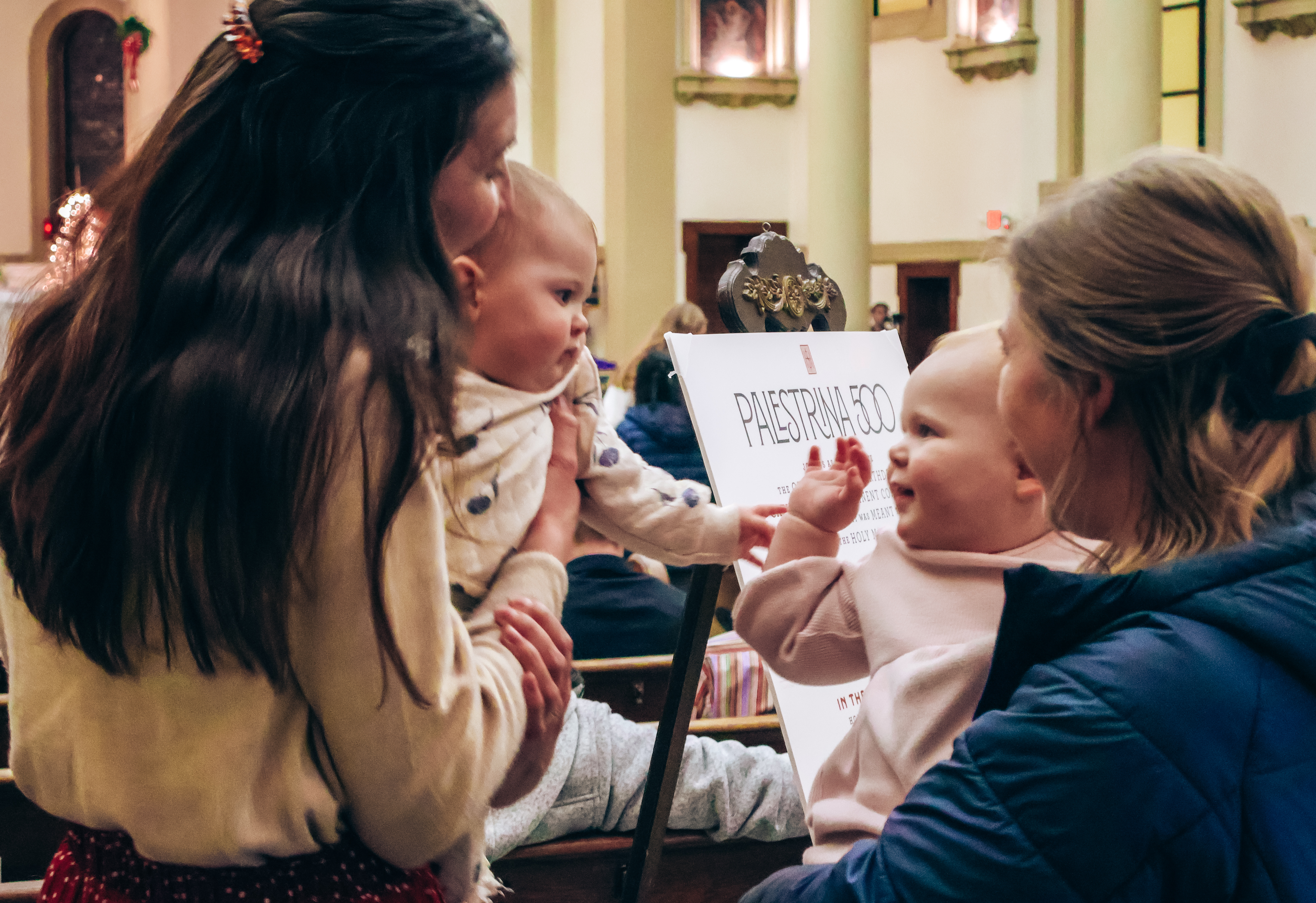
Bading said the Masses were for “the glory of Our Eucharistic Lord and evangelization through beauty, which was the aim of Palestrina and the Counter-Reformation.” Bading said that the world-renowned Tallis Scholars, for example, despite singing Catholic sacred music for decades, had never sung during the celebration of a Mass.
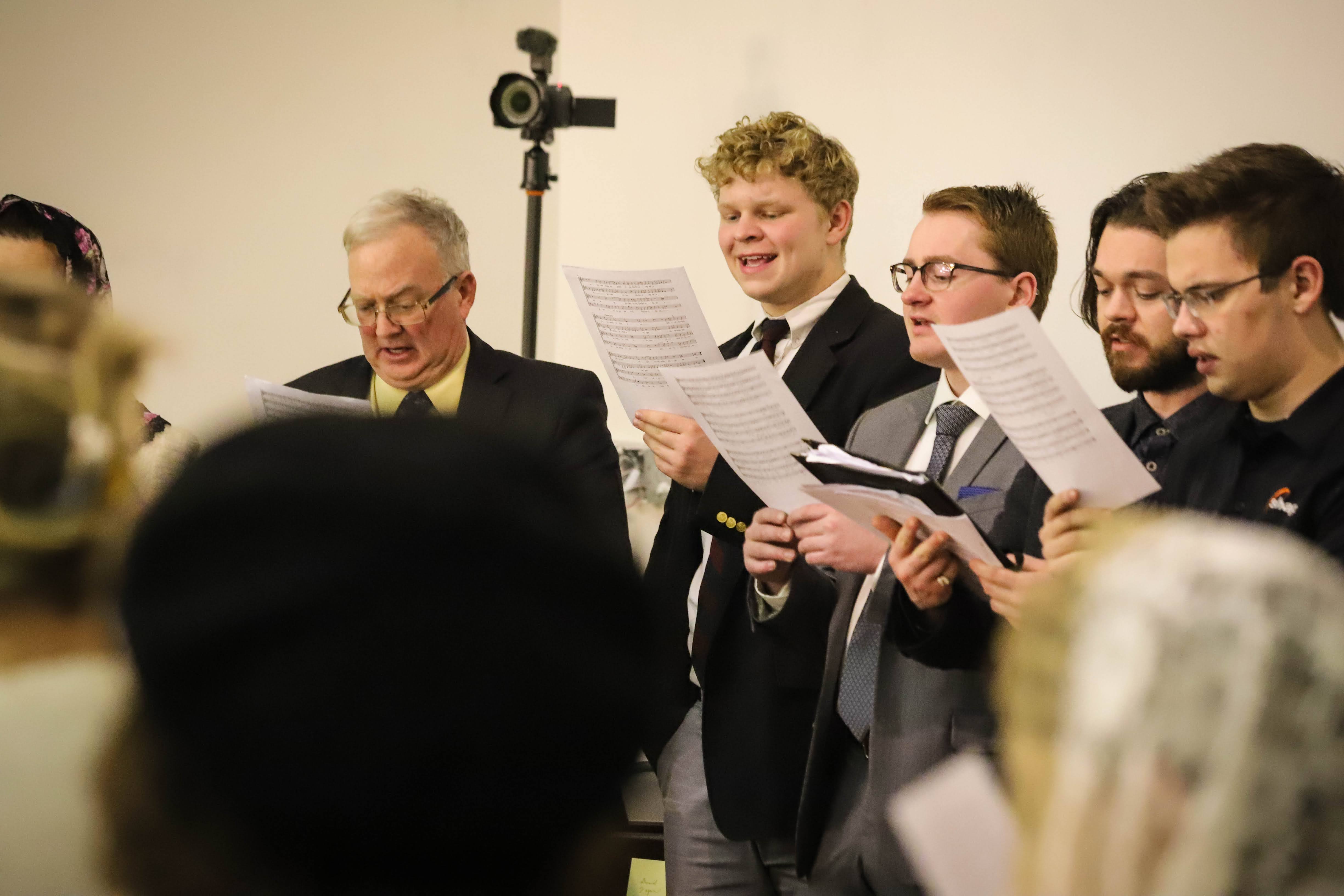
Other ensembles in the series included the Gesualdo Six (U.K.), Schola Antigua (Chicago), Floriani mens ensemble (Phoenix), and the Hope College Choir (Holland, Michigan). Their contributions enriched major feasts, including Epiphany, Ascension and Annunciation.
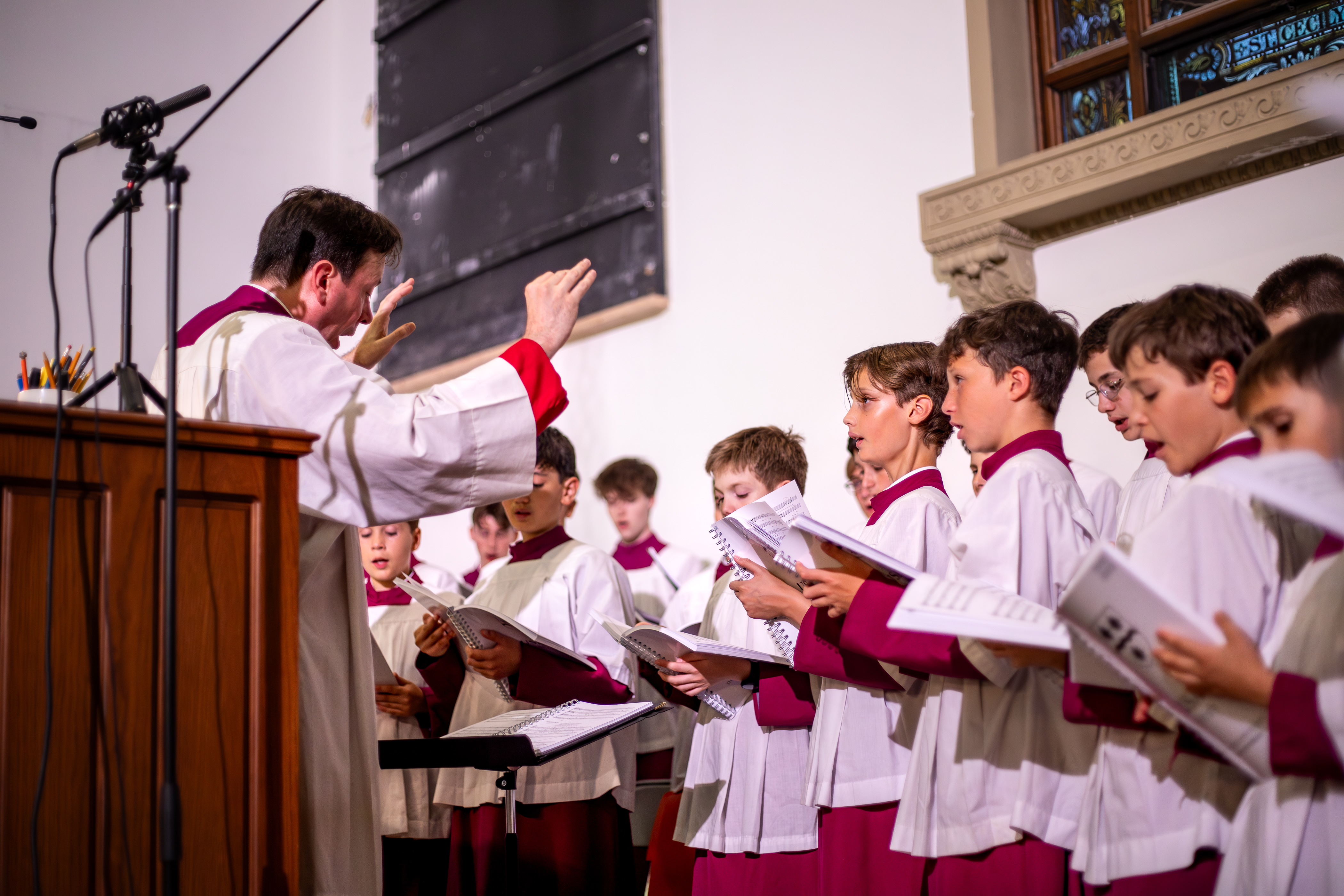
Father Robert Sirico, pastor emeritus of Sacred Heart parish, said the anniversary offered a moment to “reassert the beauty of the liturgy, reverence and the whole tradition of polyphony.”
Beauty, he said, has the power to lead the human heart to God. “Real, authentic beauty is recognized innately by human beings and can point us to the truth of the universe, as can any point in the material universe,” he told the Register. “Even the physical things we do are the extension of God in us, and they have to be beautiful,” he said.
“We apprehend the truth through reason and also through aesthetics: the knowledge and appreciation of beauty,” he added.
For Bading, 29, the father of four children, beauty played a pivotal role in his faith journey.
Raised in a devout Presbyterian family, he grew up surrounded by church music but became disenchanted as contemporary, informal music and worship replaced tradition. Drawn to Catholic composers such as the English William Byrd, he realized that liturgical music should be “regal, beautiful and set apart, as are the trappings of the Church, for divine worship.”
Questioning whether just any music is enough, Bading said, “God is the perfection of beauty.”
While attending Hope College, a Reformed Christian institution in Holland, Michigan, Bading’s “Damascus moment” came at Sacred Heart, where he heard a Protestant choir sing a Mass composed by Tomás Luis de Victoria.
“I wept while witnessing this liturgical synthesis of hearing the Kyrie while the priest incensed the altar. Then I realized I was home. This is where my heart is leading me and where I find peace.”
Not long afterwards, he and his wife were received into the Church. He has worked at Sacred Heart since 2017, playing the organ at Masses and leading adult choirs.
Professor Michael Anderson of the University of Rochester, New York, artistic director of Chicago’s Schola Antiqua, performed at Sacred Heart in February. He told the Register that while choir members sing at their home parishes, the performance of an hour-long choral meditation “allowed Schola Antiqua to explore more deeply the musical breadth of Palestrina’s art. I particularly welcomed the chance to program one of his six litanies for the Virgin Mary.” Noting that the 16th-century compositions offer unique challenges, he stated in an email: “To offer this revered music, both within the sacred context of the Mass and at a festival marking the quincentenary of Palestrina’s birth, was a profound privilege for us all.”
- Keywords:
- michigan
- polyphony
- choir
- sacred music