Haarlem Renaissance: Dutch Youth Process Martyrs’ Relics Through Streets of Secular Europe
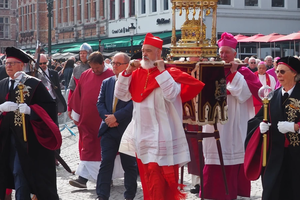
For the first time since the Protestant Reformation in the 1500s, Haarlem bore witness to a liturgical procession of relics, an event that marked both a historical turning point and a spiritual renewal in the life of the Church in the Netherlands.

When the Diocese of Haarlem-Amsterdam announced that its offices at De Tiltenberg would close and relocate, it wasn’t just an administrative shift.
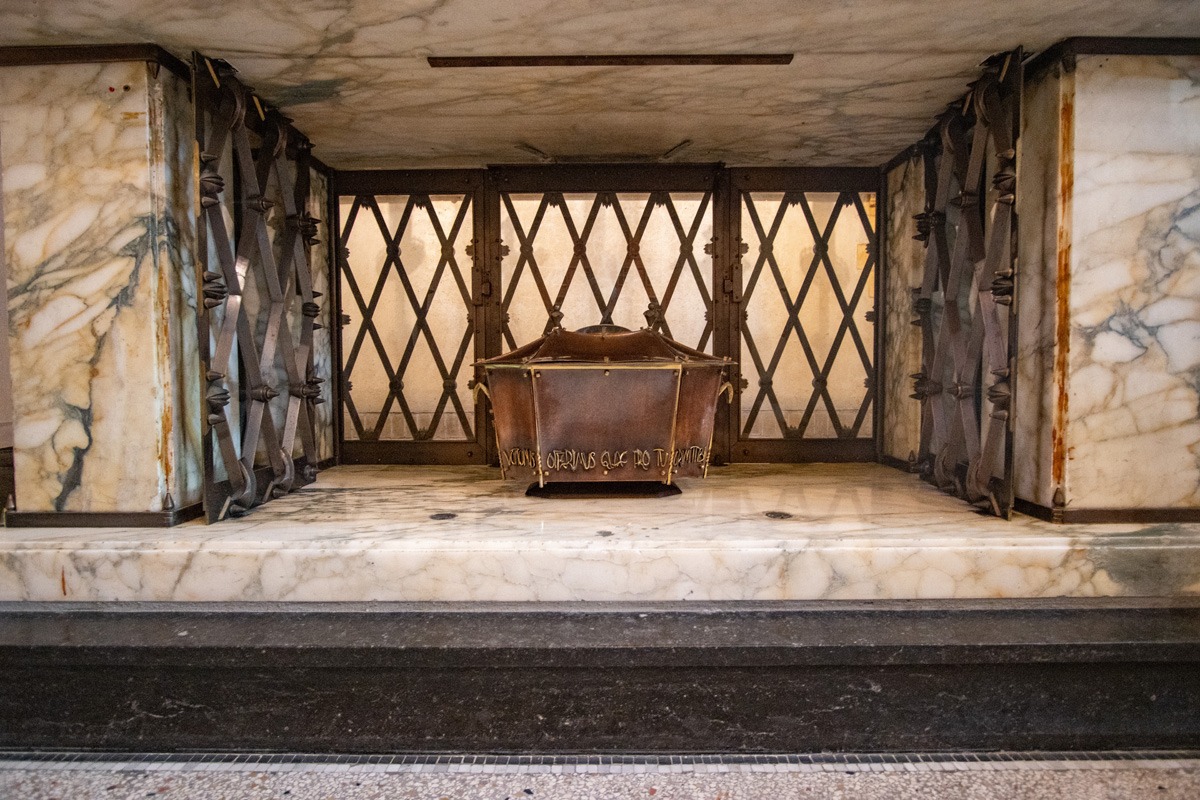
Held on Sunday, May 25, the procession was born out of necessity: the Diocese of Haarlem-Amsterdam announced that its offices at De Tiltenberg would close and relocate. Hidden within the altars of the chapel at the former diocesan seminary were precious relics, those of the Martyrs of Gorkum, canonized saints who had laid down their lives for the Catholic faith in the 16th century. Their transfer to the Cathedral of St. Bavo was not merely practical; it was providential.
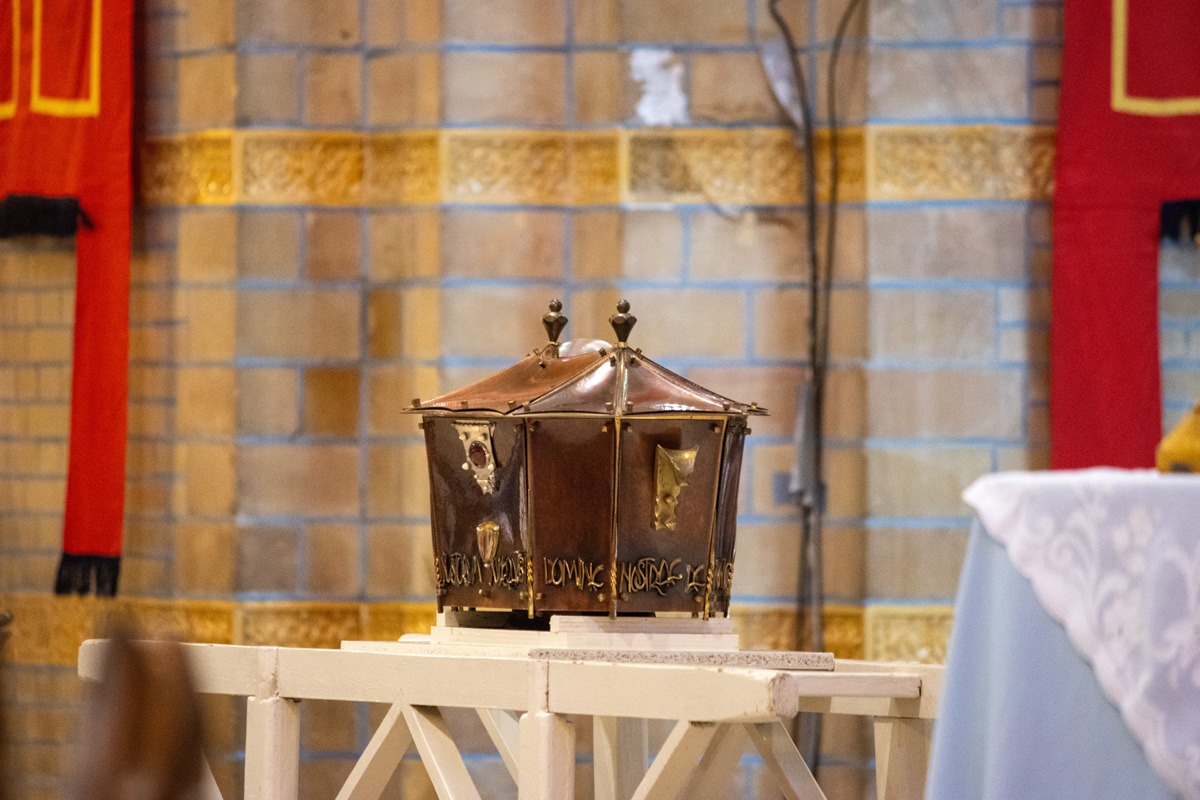
“I knew from the start that this couldn’t just be a quiet relocation,” says Jordi Joosten, 23, a youth ministry worker and key organizer of the procession. “This was something historic. Something sacred.”
Joosten, who holds a degree in history and wrote his thesis on Reformation-era ecclesiastical historians, saw the move as an opportunity to awaken faith and historical memory. Working with chaplain Teun and under the guidance of the cathedral rector, who had been asked by the bishop to create an event for youth during Cardinal Pietro Parolin’s visit, they envisioned a procession that would draw attention to the relics and to the heroic witness of the Gorcum martyrs.
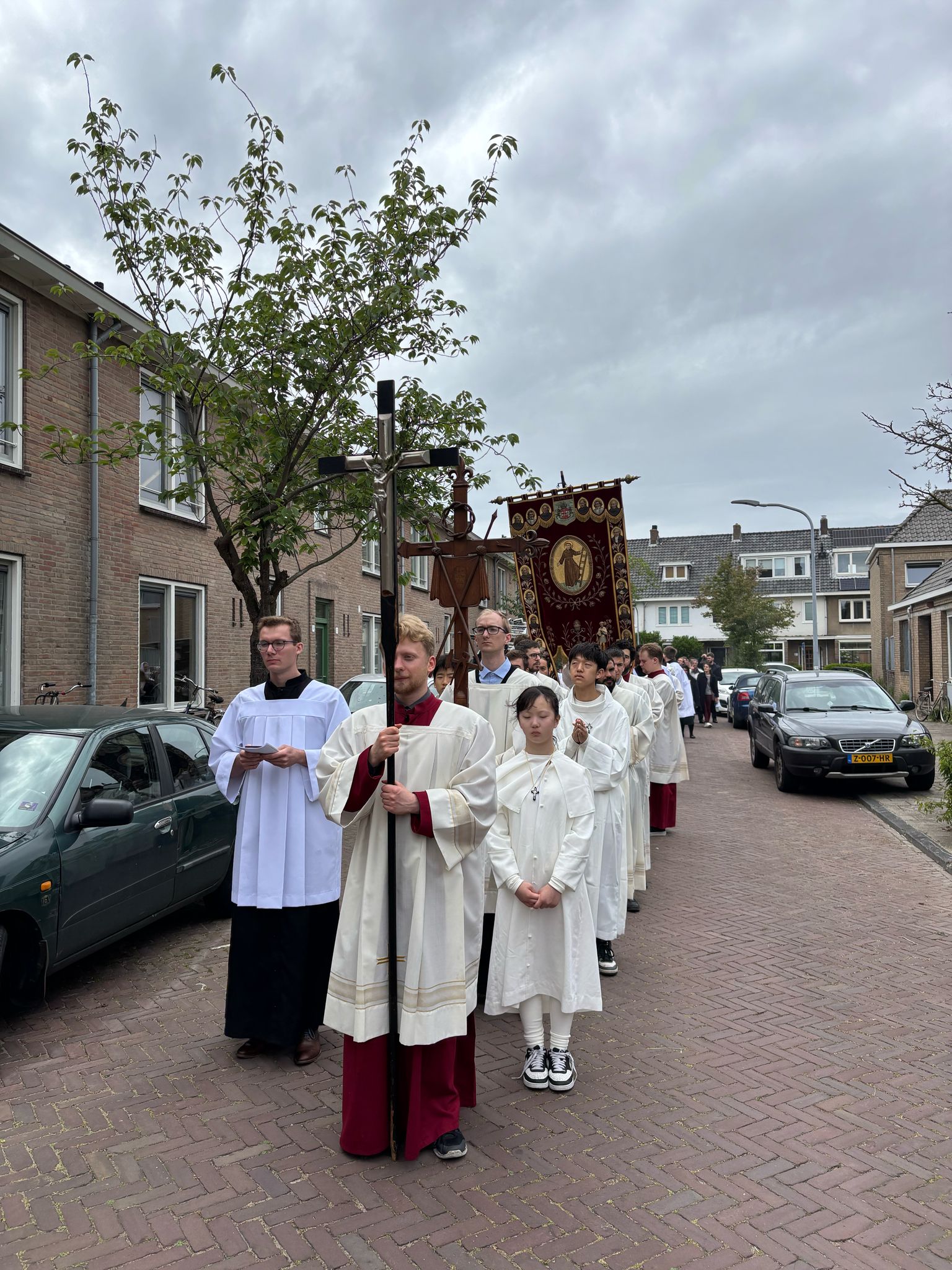
The event, held in Overveen and concluding at the Haarlem cathedral, brought together dozens of young Catholics, local clergy, and even elderly parishioners who had longed for the return of large-scale devotional processions. Despite only six weeks of planning and unpredictable weather forecasts, the day unfolded with grace, sunshine, unity, and the presence of the relics visibly moving through the streets.
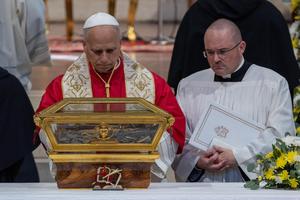
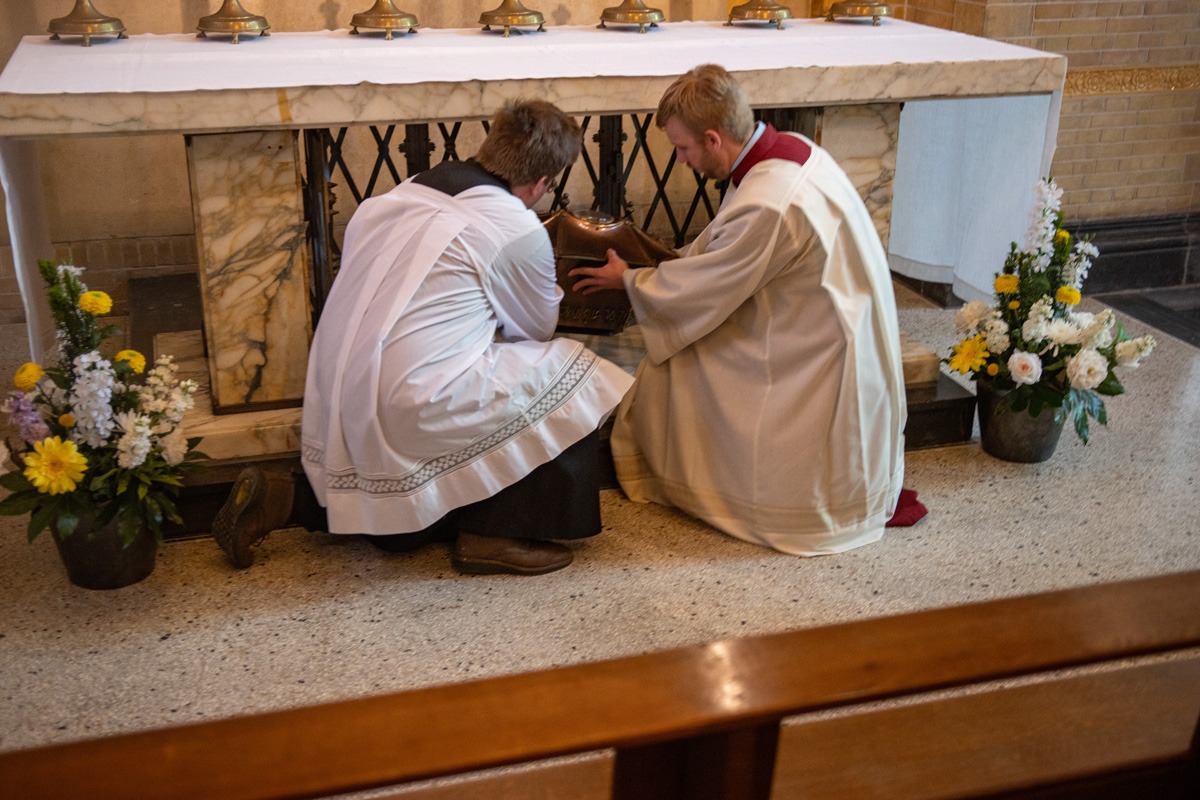
Among the participants was a missionary from The Relic Project, an international apostolate helping lead the relic renaissance through its global digital map of saints' relics. Wouter de Brie, the first missionary representing the organization in the Netherlands, not only had the privilege of carrying the sacred relics during the procession, but was also invited to assist in placing them beneath the cathedral’s altar, a profoundly moving moment that embodied the mission’s dedication to renewing devotion to the saints around the world.
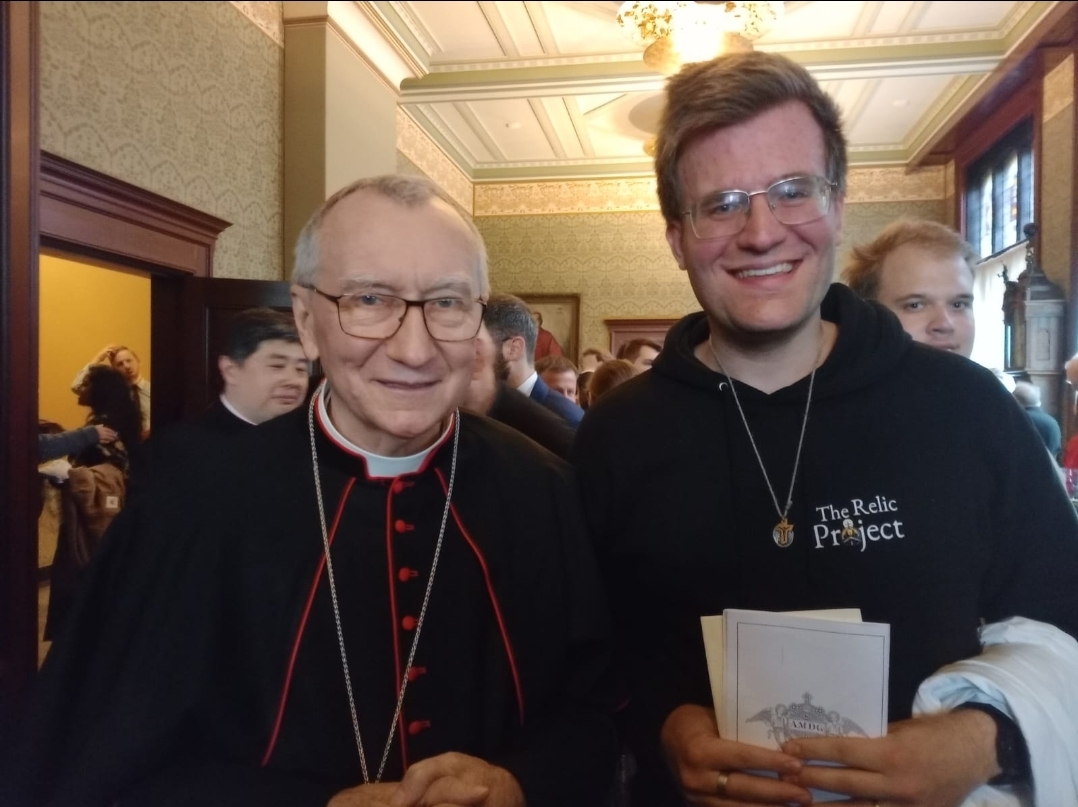
“I never imagined I’d be part of something so historic,” de Brie shared. “To carry the relics of the Martyrs of Gorcum and help place them beneath the altar was more than symbolic, it was a reminder that the saints are still very present, still guiding the Church, even centuries later. It was an honor to represent The Relic Project and witness the hunger for holiness returning to our land.”
The Martyrs of Gorcum, nineteen in all, were brutally executed during the religious upheaval of the 16th century. Their story is a testimony of courage: imprisoned, tortured, and ultimately hanged for refusing to renounce their Catholic faith. The group included Franciscans, Norbertines, Dominicans, and secular priests. Among them was Leonardus van Veghel, who famously used a coerced sermon to proclaim his love for the Virgin Mary instead of recanting. In the wake of their deaths, miraculous events and visions were reported, further embedding their story in the spiritual fabric of the region.
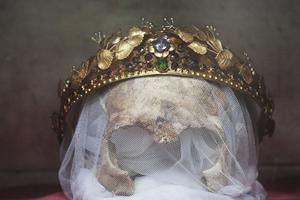
“The relics tell stories that transcend time,” Joosten explains. “They’re not just bones or fragments, they’re bridges to grace, living signs of God’s work through His saints.”
Joosten credits the unity and generosity of local parishes, clergy, and youth groups for the success of the procession. Participants came from across the diocese, many bringing their own vestments, others joining from Latin Mass communities. The relics were carried in a borrowed reliquary, accompanied by the historic banner of the Martyrs of Gorcum, provided by St. Joseph’s Church.
Perhaps most touching was the spiritual atmosphere during the event. “There was peace. A smile never left my face,” Joosten shares. “When it began to rain lightly, I recalled a saint who once sang the Gloria to stop the rain. I asked the chaplain, and we did it too. The rain stopped.”
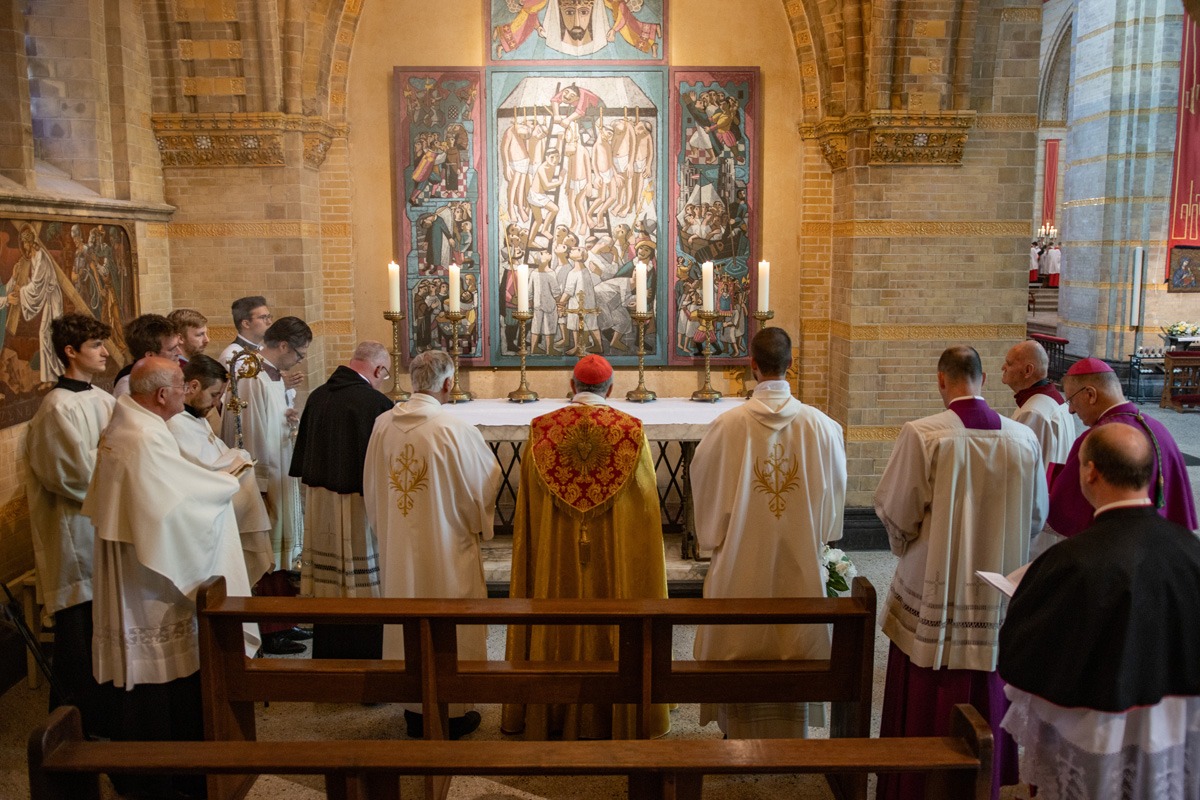
Cardinal Parolin’s presence elevated the occasion. The former Vatican Secretary of State’s participation was a strong gesture of support for the Dutch Church, especially its youth. “It affirmed that our local efforts matter to the universal Church,” says Joosten.
The hope now is that this will not remain a one-time celebration. While a decision on making the procession an annual tradition rests with diocesan leadership, Joosten is ready to help organize it again, and dreams of expanding its reach, perhaps even inspiring a traveling relic tour in the future.
To those unfamiliar with relics or hesitant about their purpose, Joosten points to Scripture: from Elisha’s bones in 2 Kings 13:21, to clothes touched by St. Paul in Acts 19:11–12, and the healing power flowing from Christ’s garment in Luke 8.
“Relics don’t hold power themselves. They are instruments through which God’s grace flows,” he emphasized.
As this procession in Haarlem reminds us, relics are not relics of the past, they are instruments of the present, calling believers to deeper faith, unity, and courage in the face of a secular age.
- Keywords:
- relics
- the netherlands
- cardinal pietro parolin