Men, Abortion and Healing the Hidden Struggle
Pro-life ministries are helping fathers break their silence and find healing after the loss of their unborn children.
For Nyles Pinckney, grief was not something he could easily show. In 2019, while playing college football, he faced an experience many men silently carry: abortion.
“For a long time, I wasn’t comfortable sharing my story at all,” Pinckney told the Register. “I grew up Christian, surrounded by Christians — I live in the Bible Belt of South Carolina — and I was afraid of being judged. I worried people would hear my story and respond with, ‘You’re a man. Get over it.’”
Pinckney’s Christian upbringing shaped both his initial silence and his path to healing. “I grew up in a two-parent Christian household, and my parents taught me to respect women — to respect their voices and their decisions. That was instilled in me deeply,” he said.
So, when his girlfriend asked what he thought about the abortion, he responded as many men do: “I’m here for you. I’ll support whatever you decide. It’s your body.”
Looking back, he recognized that his silence contributed to his grief. “I held my feelings back. I thought respecting her meant staying silent; but afterward, I realized my voice might have mattered more than I knew,” he said. “That silence became part of the grief I carried.”
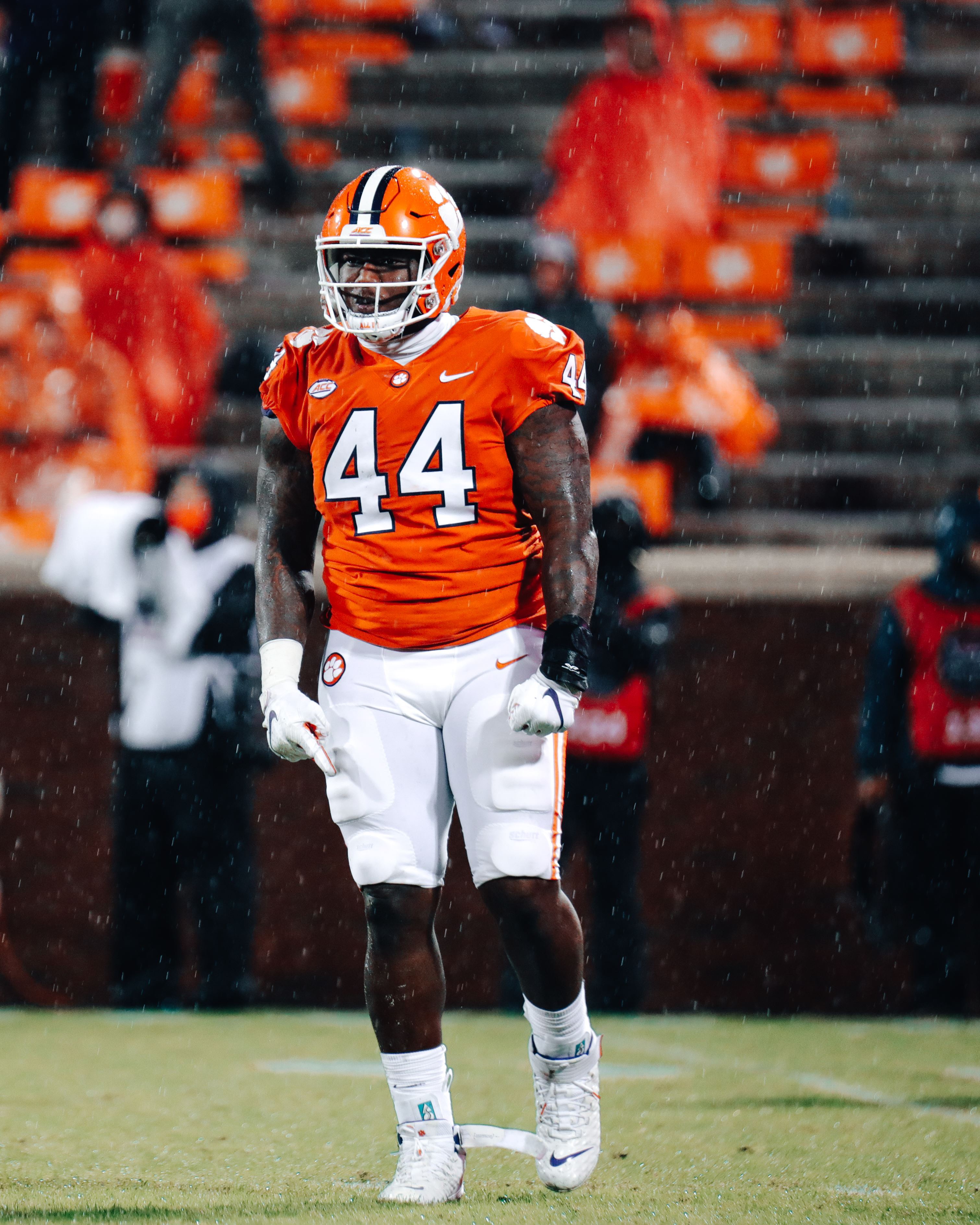
Like many men, he downplayed his struggle in the very activity that demanded toughness and resilience: football. “I could take hit after hit on the field, but I started noticing I was unpredictably angry and sad,” he said. “I hid my emotions even from myself by hitting the gym or watching extra game film. My teammates thought I’d hit another gear in my preparation, but I was masking my pain.”
This affliction, Pinckney explained, stemmed not only from societal expectations but from a deep-rooted belief about his role as a man. “All of that was going through my mind during the abortion decision and afterward. The emotions I felt didn’t fit with that ‘gladiator’ image or with what I thought a Christian man was supposed to feel. I felt like something was missing — like I was broken.”
Faith and Fatherhood
Eventually, his silence over his abortion experience caught up with him, and the emotional strain became impossible to hide. Pinckney recalled one moment that fully encapsulated the need for change. “A coach made a simple comment. It was nothing harsh, but when he asked, ‘What’s wrong with you?’ I completely broke down. I said I was done and wanted to quit,” he said. “What surprised me was how quickly my coaches stepped in. They didn’t let me walk away.”
This moment was pivotal. It revealed to Pinckney that being vulnerable was not a weakness but a form of authentic strength. “That’s when I realized I needed to break the cycle of silence and the facade of ‘I’m overly strong; I’m Superman.’ At the end of the day, we’re regular people with emotions, and we should be able to express them,” he wrote in a recent op-ed for The Christian Post.
The abortion experience also challenged his understanding of being a man and fatherhood. “My view of masculinity changed completely,” Pinckney told the Register. He cited Bruce Lee’s quote “Be water” as a guiding principle in being adaptable and peaceful, yet strong. His role as a father, protector and provider became central to both his identity and his healing.
Permission to Feel
Pinckney’s path led him to Support After Abortion, where he has served as the men’s healing coordinator since 2024. “I didn’t even know resources like this existed, especially for men. Something clicked,” he said. “I felt like I was meant to find this site. … It’s been a calling more than a job. I’ve lived this story, and now I get to help other men through it.”
Michele Mazelin, the organization’s communications manager, explained that Support After Abortion exists to assist both men and women who have experienced abortion through direct care and provider training.
Through its After Abortion Line, individuals can reach out anonymously and be connected to healing options that fit them — faith-based or secular, group or individual, in-person or virtual.
“Healing isn’t one-size-fits-all,” Mazelin said. In addition to equipping pastors, therapists, pregnancy center staff, and other support outlets with training and resources, the organization also serves family members who carry abortion-related grief.
For men, Pinckney said, the struggle often revolves around permission to feel.
“Many men have never allowed themselves to sit with sadness, guilt or disappointment. They acknowledge it briefly and then push it down,” he noted. “Another common theme is feeling like they had no role, or that they failed in their role as fathers.”
According to internal research conducted by Support After Abortion, those patterns are widespread. Its 2023 study found that 71% of men reported experiencing an adverse change after abortion, and 83% said they wished they had someone to talk to — but only 18% knew where to go for help.
“We often talk about four roles men may have had,” Mazelin added, citing “not knowing until afterward, being part of the decision, advocating against abortion, or advocating for it. All of them experience grief.”
Why Men Go Silent
Sean Corcoran lost his first child to abortion when he was only 19. Now the CEO of the pro-life initiative Men for Life, he believes the silence surrounding men and abortion is not accidental; it is cultural. “I fought against it, but I lost,” he told the Register. “What stayed with me was being told explicitly that it didn’t affect me because I was a man.”
After the abortion, Corcoran sought help from a college counselor and was dismissed. “She told me, ‘This doesn’t affect you because you’re a man.’ That was the message I was left with.”
In the years that followed, Corcoran failed out of school multiple times and spiraled into drug addiction, eventually becoming homeless. “By the grace of God,” he shared, “I survived an overdose and entered treatment.”
It was there, he said, that counselors helped him connect his destructive behavior to unresolved grief from the abortion.
“Every time I speak about this at events today, men come up after and say, ‘I’ve never told anyone this in over 20 years, but I lost a child to abortion,’” Corcoran said. “When society frames abortion solely as a women’s issue, men are left believing they’re alone.”
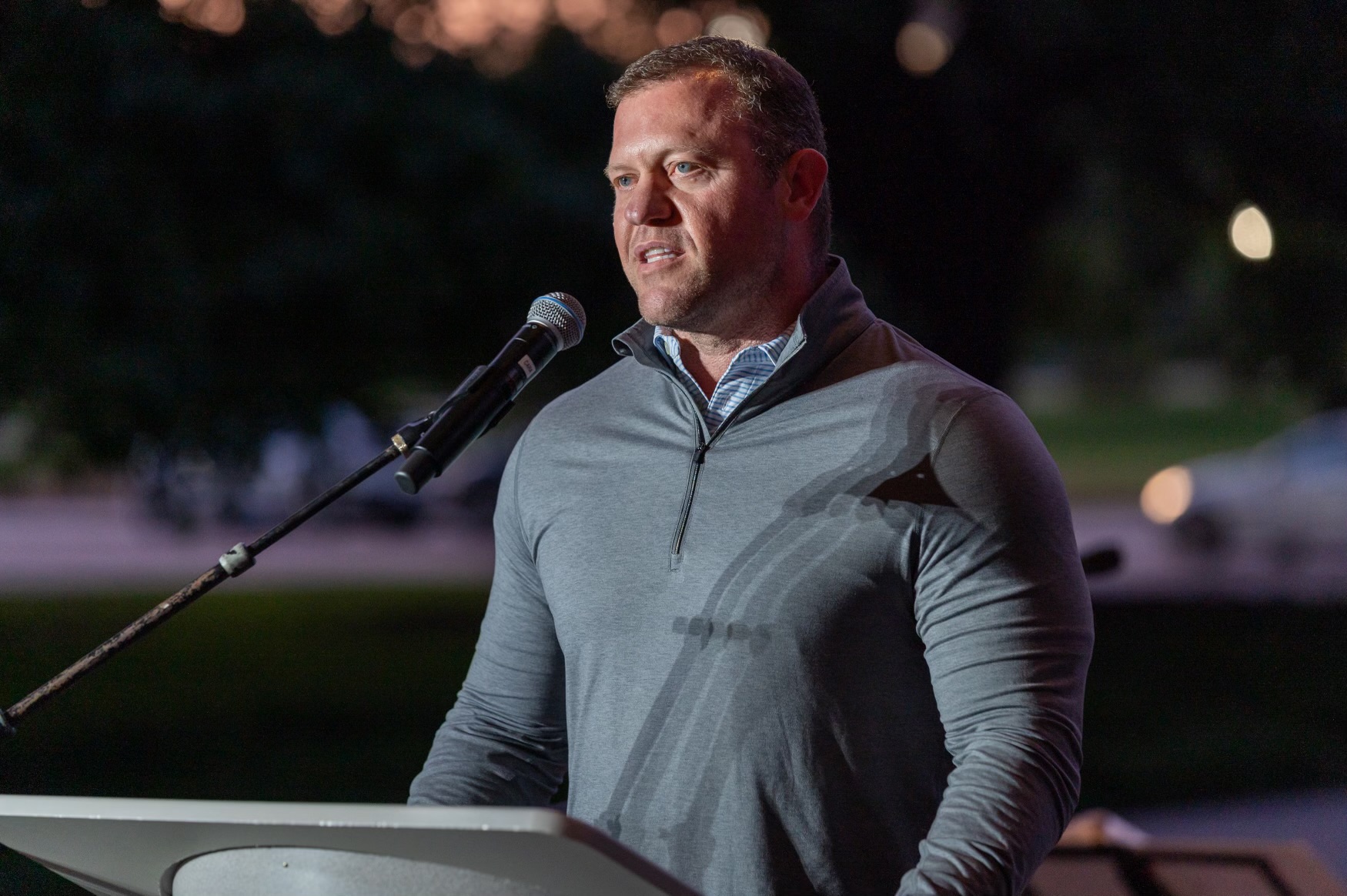
Abortion, Corcoran noted, wounds men at the core of their identity: “Men are created to protect, provide, lead and serve. When a man believes he failed to protect his child, that wound doesn’t disappear.”
Healing Ministries in Action
Corcoran’s experience mirrors what Kevin Burke, co-founder of Rachel’s Vineyard, says he has witnessed for decades in abortion-healing work with men. According to Burke, one of the greatest misconceptions surrounding abortion is that men are largely unaffected.
“Because men don’t undergo the physical procedure, people assume they don’t experience emotional or spiritual wounds,” he said. “But many men carry a deep sense of shame rooted in the belief that they failed to protect their child.”
That unresolved grief, he explained, often surfaces in destructive ways. When those feelings aren’t brought to “a healing process,” they can come out through “anger, addiction, pornography, gambling or broken relationships.”
Founded with his wife, Theresa Burke, Rachel’s Vineyard offers weekend retreats rooted in Scripture, therapeutic exercises and the sacraments, particularly reconciliation. While some men benefit from male-only spaces such as Project Joseph (a separate initiative developed by staff and alumni from the organization’s Dallas site), Burke noted that most retreats include both men and women.
“Abortion is a relational experience,” he said. “Its repercussions often show up in relationships. When men and women hear each other’s grief, healing can begin.”
Burke also pointed to the growing prevalence of chemical abortion, emphasizing that many abortions now take place at home with men present during the physical trauma. “There’s no distance from it,” he said. “That reality underscores the need for education and awareness, especially for young people, so abortion isn’t seen as a simple or detached experience.”
Research Reflects Lived Experience
The experiences described by Pinckney, Corcoran and Burke are increasingly reflected in research.
A forthcoming study from the Vitae Foundation, “A Few Good Men: Increasing the Masculine Presence,” found that while many men believe abortion is primarily a woman’s decision, they often experience regret, sadness and moral conflict afterward.
One of the biggest takeaways of the study, said Vitae’s director of research, Jeff Pauls, was the “overwhelming respect for fatherhood,” as respondents with differing opinions across the abortion debate expressed “deep emotional connections to the idea of being a father.”
As explained by Pauls, men “spoke about the joy, fulfillment and legacy of fatherhood, even men who had chosen abortion or advocated for it. Some had not been able to have children since and expressed deep regret.”
“We weren’t specifically looking for this theme, but it was powerful,” he told the Register. “It gives real hope for messaging that resonates with men and affirms fatherhood instead of responding to an unexpected pregnancy with, ‘I’ll support you in whatever you choose.’”
The study, which will be made publicly available on Jan. 23 — the day of the annual March for Life in Washington, D.C. — suggests that men’s disengagement from the woman’s decision regarding abortion is less about apathy and more about confusion over their role.
What Churches Can Do Better
Both Corcoran and Burke emphasized that churches and faith communities play a critical role in breaking men’s silence.
Corcoran noted that many men cannot recall ever hearing abortion addressed from the pulpit — particularly in a way that acknowledges forgiveness and healing. Noting that “society cannot be led by broken men,” he emphasized that healing men helps “families, communities and society as a whole,” while shaping future “leaders in the pro-life movement.”
Burke added that consistent messaging through homilies, bulletins, testimonies and men’s ministries can help normalize conversations and reduce the stigma around abortion loss.
“Sometimes we focus on pro-life issues for one weekend or month of the year, and then there’s silence,” he said. “When faith communities acknowledge this reality and provide pathways to healing, it allows these individuals to bring this part of their lives into the light and find true reconciliation and peace.”
A Path Forward
For Pinckney, sharing his story has become central to his healing and his ministry.
“The first thing I’d want a man to know is that he’s not alone — not in a dismissive way, but in a brotherhood way,” he said. “You don’t have to carry this by yourself anymore.”
Through resources like Support After Abortion’s Finding Solid Ground resource, Pinckney helps men explore grief, guilt and faith in a safe environment. In his own journey, he often journals, speaks with trusted family members and leans on God’s grace. Certain seasons — especially around the holidays — remain difficult. “Only now, I have the tools, language, and support to deal with [those feelings]. I no longer carry this along,” he wrote for The Christian Post.
The story of Nyles Pinckney and of the many men quietly carrying abortion loss reveals a reality long ignored: Abortion wounds not only women, but men as well. For decades, cultural narratives have told men they should remain silent, detached or unaffected. Yet the testimonies of those who have walked through that silence and found healing tell a different story.
Ministries and support groups such as Support After Abortion, Men for Life, and Rachel’s Vineyard are helping men reclaim their role not only as fathers and protectors, but as sons of God capable of repentance and renewal.
“Healing doesn’t erase the loss,” Pinckney said. “But it gives you solid ground to stand on again.”
- Keywords:
- post-abortion healing
- young men
- fatherhood