Why Men Need Abortion Healing — and How the Church Can Help
COMMENTARY: Many fathers in the pews bear hidden wounds from abortion. Pastoral care and healing ministries can turn their pain into discipleship.
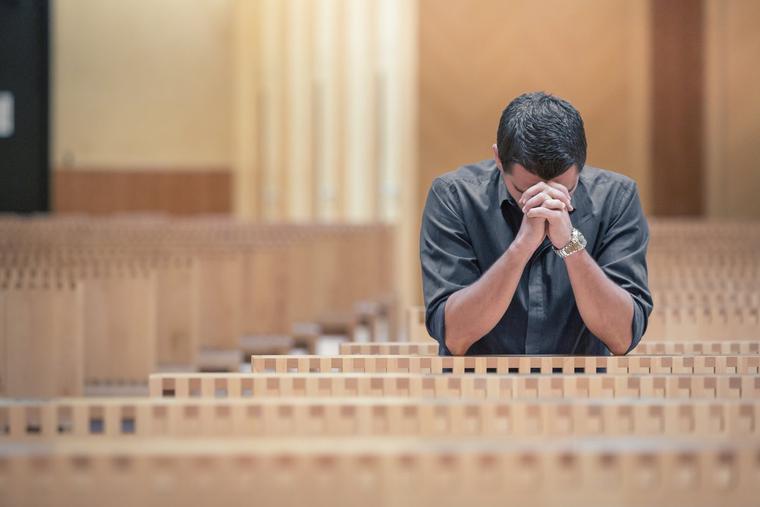
In every parish, the pews are filled with fathers who have yet to realize their potential as passionate Christian disciples, capable of enriching their families and faith communities.
Who are these men, and how can we reach them?
You might be surprised to hear that I’m talking about fathers who have been involved in one or more abortions in their history. Many of them are at Mass every Sunday. Still others remain on the peripheries, perhaps attending on Easter and Christmas. Most are good men — working, raising children, trying to do what’s right.
They may have some awareness that their involvement in that abortion (or abortions) was wrong, perhaps even sinful. They may have confessed their role in an abortion, yet still struggle with feelings of shame and guilt. They may have turned to alcohol and drug abuse to cope with their pain, making them increasingly vulnerable to pornography as another method of self-medication. They may also deal with their hidden suffering through denial, preferring to keep the past buried and out of consciousness.
Sadly, these wounded fathers will likely never hear a message from the pulpit that speaks to their hidden emotional and spiritual wounds. They won’t be told of the profound reconciliation and peace that awaits them through healing programs like the one we co-founded, Rachel’s Vineyard. So the gifts — the abundant fruits of the healing journey — will remain dormant, failing to bless their families and faith communities.
Father Ben Cameron is a priest of the Fathers of Mercy, and the author of Healing the Deepest Wounds: A Pastoral Guide to Abortion, Trauma, and Grief. He is a team leader in Rachel’s Vineyard, and in his preaching and teaching ministry, he provides pastoral care to men and women across the U.S.
Sharing his insights on why many clergy and religious are reluctant to address the subject of abortion trauma and healing, Father Ben says:
I think that many clergy are reluctant to talk about the wounds of abortion because they don’t really understand how deep those wounds go, nor the nature of the wounds. That is why I wrote Healing the Deepest Wounds to help clergy, and anyone else who wants to help those who are hurting, to have a better understanding of the wounds of abortion, and the process of healing.
Father Ben adds that in his pastoral ministry, he has witnessed firsthand that abortion impacts men in a unique way:
I think that many people, including the men themselves, do not understand how the abortion decision impacted them. As men, we are hard-wired to be protectors and providers; this is an essential part of fatherhood. When a man has not protected the woman he loves, or his own offspring who is aborted, there is a deep wound at the core of our manly identity.
Those fathers who were powerless to stop an unwanted abortion are especially vulnerable to emotional trauma after abortion. Father Ben says, “Some become violent, and this can lead to criminal behaviors that might eventually land them in prison.”
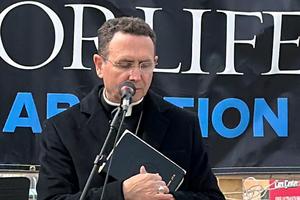
David Williams is the associate pastor at Discovery Church/Alafaya in Orlando, Florida, providing leadership to men’s, young adult and marriage ministries. David is a highly sought-after speaker for pregnancy centers and right-to-life groups throughout the U.S.
David publicly talks about his role in an abortion decision and the impact it had on his life. Discussing his reflections on the importance of healing for Christian pastors and ministry leaders, he says:
In my speaking ministry, as I share about my abortion loss and healing, pastors and ministry lay leaders have opened up to me about their own shame, pain and guilt from being involved in an abortion decision.
David adds, “The unspoken and at times, unconscious thought becomes, ‘Who am I to speak up about abortion when I also am guilty and wounded by it.’”
As David’s comments suggest, living in secrecy and shame also makes it difficult to talk about those same subjects in public. Anyone with an abortion experience who serves in pastoral ministry would greatly benefit from attending a confidential healing program. Surrendering humbly and with trust in God’s mercy, will, in time, yield a great harvest for the Lord’s vineyard.
How can we encourage more clergy and ministers to share this message of hope and healing with their congregations?
Father Ben suggests:
It is important for clergy to learn about the grief and trauma of abortion, so that they can better address it both from the pulpit and in one-on-one encounters with parishioners who are struggling with the aftermath of an abortion experience.
A very good way to do that is to actually attend a healing program and experience the journey of healing with those who are making their way back to God and wholeness.
Next Steps
Some additional ways to reach out to men hurting after abortion:
- Men like David Williams are available and willing to share their stories and words of encouragement. Invite one to give a brief message at your parish — perhaps at a men’s prayer breakfast, Bible study or local chapter of the Knights of Columbus.
- Whenever you have a regional gathering of men coming together to deepen their Catholic faith and share in fellowship, make sure a male representative from your local abortion healing program can be available to share his story, resources for healing, and one-on-one outreach.
[Contact the Silent No More Awareness Campaign for more information on speakers and healing programs in your area.]
Theresa Burke, Ph.D., and Kevin Burke, MSS, are the co-founders of Rachel’s Vineyard.