4,000 Miles to Meet the Pope
A Family’s Motorhome Adventure, From Fátima to the Vatican (and Back)

Every journey has a story, and this one begins with an invitation from the Pope. Well, maybe it wasn’t exactly an invitation, but a challenge. And maybe this challenge wasn’t intended for a family of a mom, a dad and three boys like ours. But we accepted it as if it were.
We were in Parque Tejo, in Lisbon, on that sunny morning of Aug. 6, 2023, when Pope Francis, at the end of the closing Mass of World Youth Day, said he was waiting for us in Rome two years from then for the Jubilee of Hope.
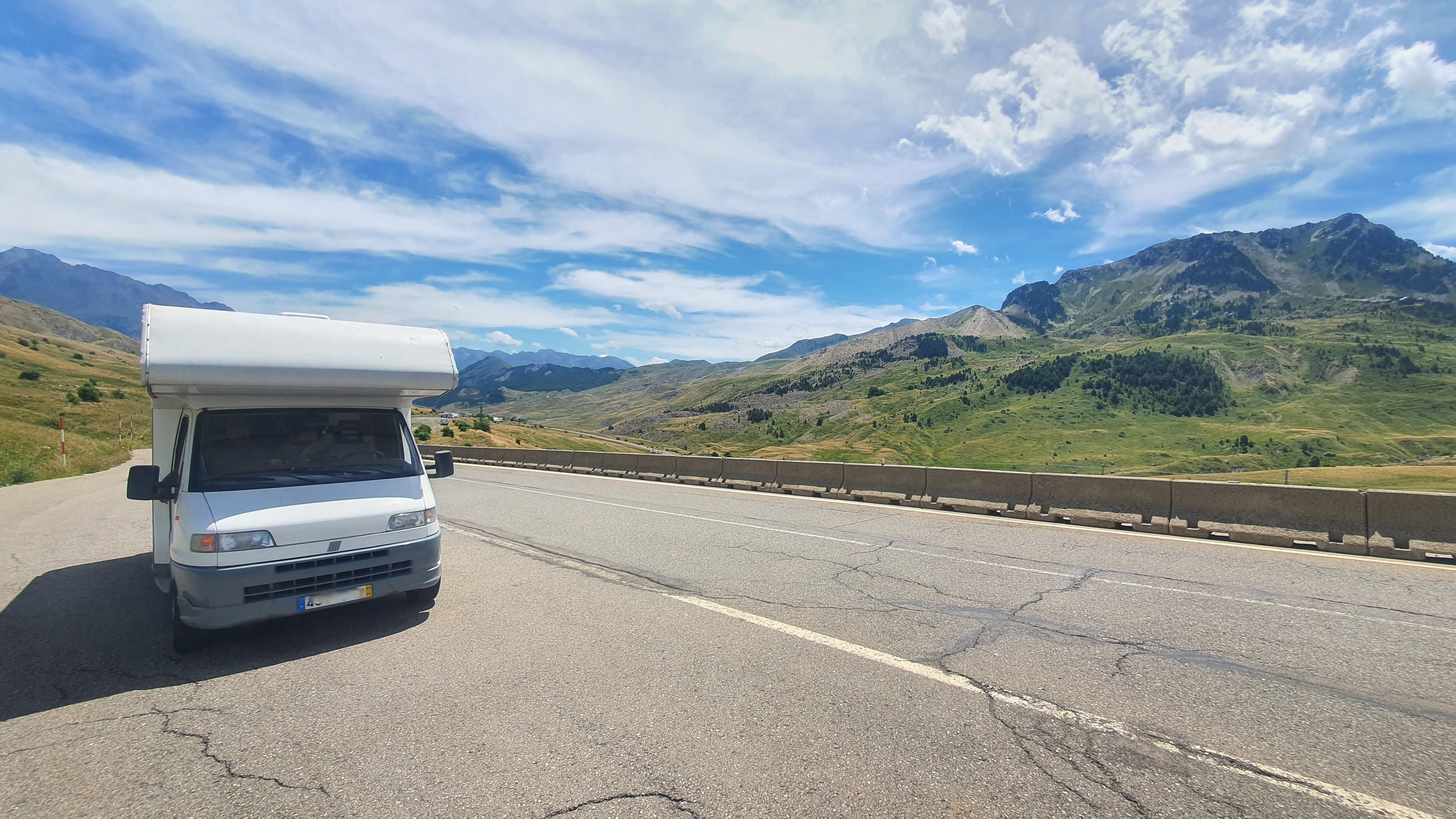
The boys were ecstatic: “We want to go! We have to go! Can we go? Can we?” they begged. It was hard to resist such enthusiasm — times three. On top of that, we had just acquired an old camper van and were dreaming of the places it would take us. So, on the spur of the moment, our 2025 vacation was decided: We would take it to the Vatican.
Much has changed since that August of 2023, including the Pope. But Francis’ invitation was for us to meet Peter’s successor, not to meet him. And so we did — with the extra motivation of meeting Leo XIV (little did we know that would literally happen, but I’ll get to that later).
In the Footsteps of Mary
Fátima, just a few kilometers from home, had to be our first stop. Built on the exact spot where, in 1917, the Virgin Mary appeared to three shepherd children, the entire place has a truly special and welcoming atmosphere.
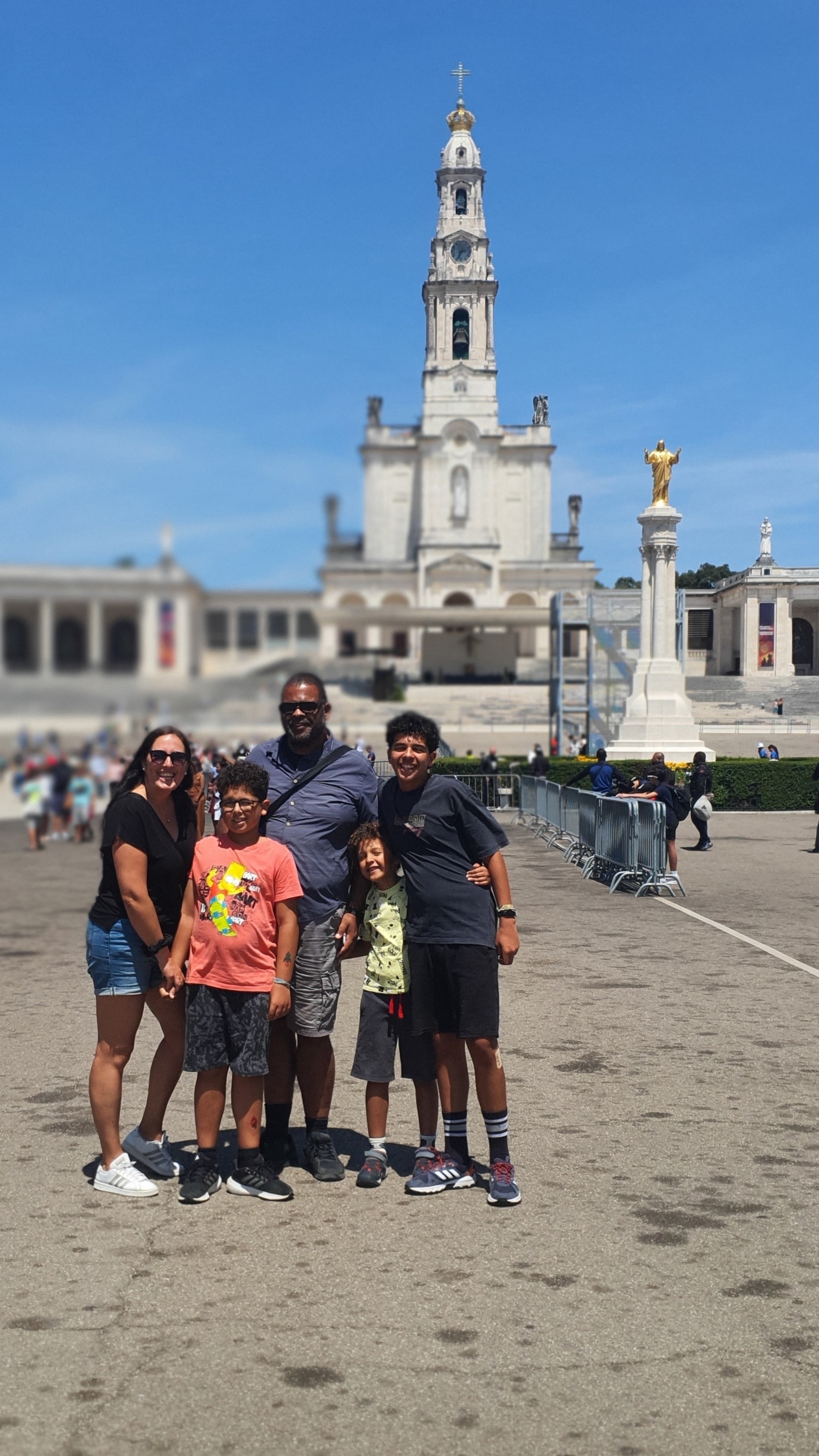
In the Chapel of the Apparitions, I remembered Pope Francis, who visited it twice during his 12-year pontificate and recognized its essential nature: It has no doors so that “everyone, everyone, everyone” can enter.
We said goodbye to the image of Our Lady of Fátima — a pilgrim like us — and continued to the second stop of our pilgrimage: Ávila, in Spain, the land of St. Teresa of Jesus.
Within its impressive walls, there are several must-see sites — the cathedral, the basilica built over the birthplace of St. Teresa of Jesus, the Basilica of St. Vincent — and also the wall itself, along which you can walk and enjoy the views.
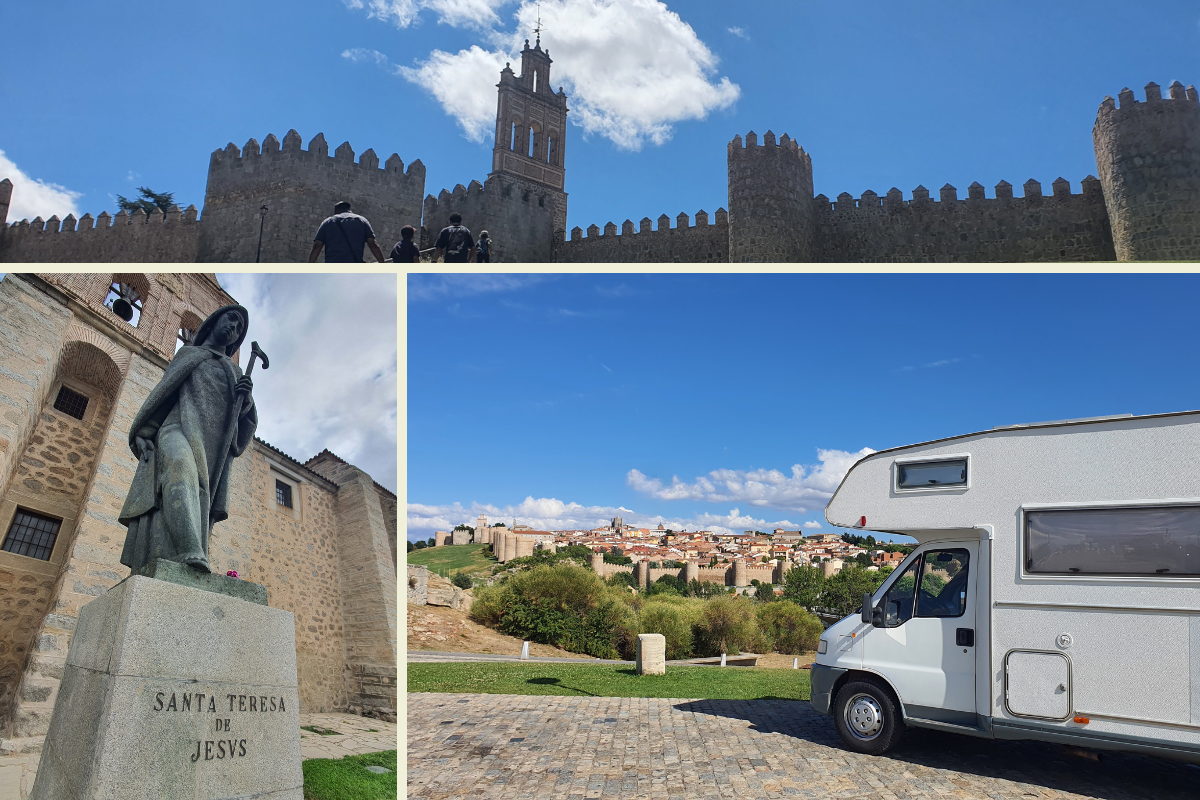
But what most impressed us is outside of it: the Monastery of the Incarnation, which Teresa entered at age 20 and where she lived most of her life. With one section transformed into a museum, it allows visitors to pass through the same doorway the future saint passed through in 1535 and explore some of the spaces where she spent her days.
At the end of the visit, we had the opportunity to chat briefly with one of the Carmelite nuns currently living there. Since it’s a cloistered monastery, conversations are conducted through the lathe, a small opening in the wall that allows sound to pass through. When we told her we were coming from Fátima, she told us that this monastery was also a Marian shrine: “In the church we have the image of the Virgin of Clemency, where St. Teresa once saw Our Lady, the real one, while praying vespers!”
This could only be a sign that Mary was still with us, and would not leave us, as the third stop of our trip would be Lourdes, in the heart of the Pyrenees.
Our Little Miracle
It was just as we crossed the gates of the Sanctuary of Our Lady of Lourdes that the phone rang.
“Clara, how’s the trip going? Where are you?” a staffer from the Portuguese Embassy to the Holy See asked.
“Everything’s going very well, thank God! We’re in Lourdes,” I replied.
“Well, apparently, things happened in Lourdes that changed the history of the Church, and we have news for you that could mark the history of your family: You’ll be able to greet the Pope after next week’s general audience.”
I had to sit down. There it was: our little miracle!
A few days earlier, I had made the request to the Prefecture of the Papal Household, but without much hope of a positive response. And when we entered Lourdes, a place where so many pilgrimages hope to find a cure for their illnesses, whether physical or spiritual, we received that news. The only thing that came to mind was a quote from Pope Francis: “Hope never disappoints!”
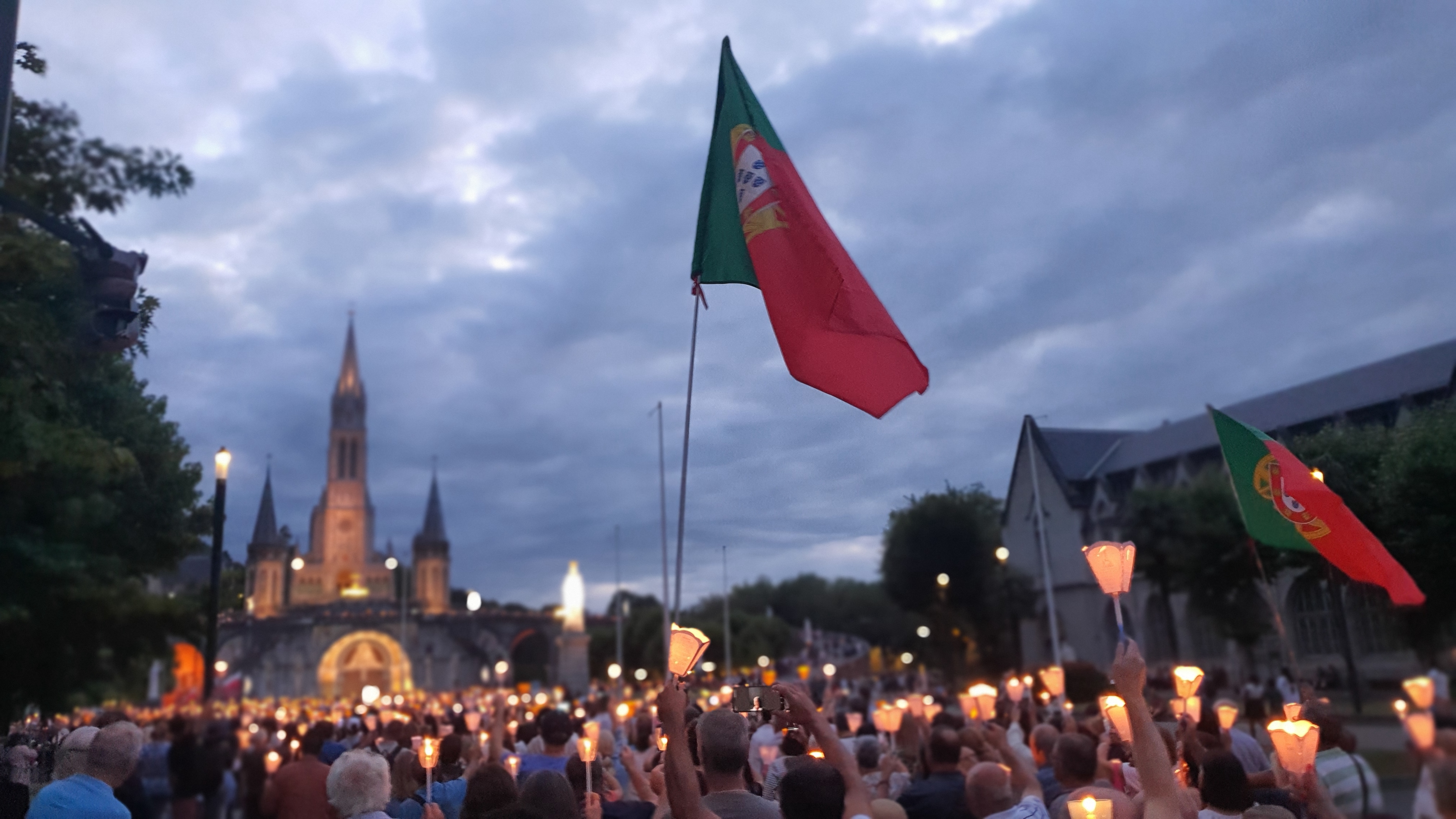
With the blessed news on our minds and hearts, our visit to the Marian sanctuary had, of course, a special flavor. It was built around the grotto where the young Bernadette Soubirous said she witnessed 18 visions of Mary, beginning on Feb. 11, 1858. The journey alone, from Spain, had been worth it, passing through valleys and mountains, some still snow-capped, our drive accompanied by the sound of running water.
In the Lourdes sanctuary, water remains the protagonist. Known for its healing properties, it flows into over a hundred springs, as well as into pools, where pilgrims can bathe.
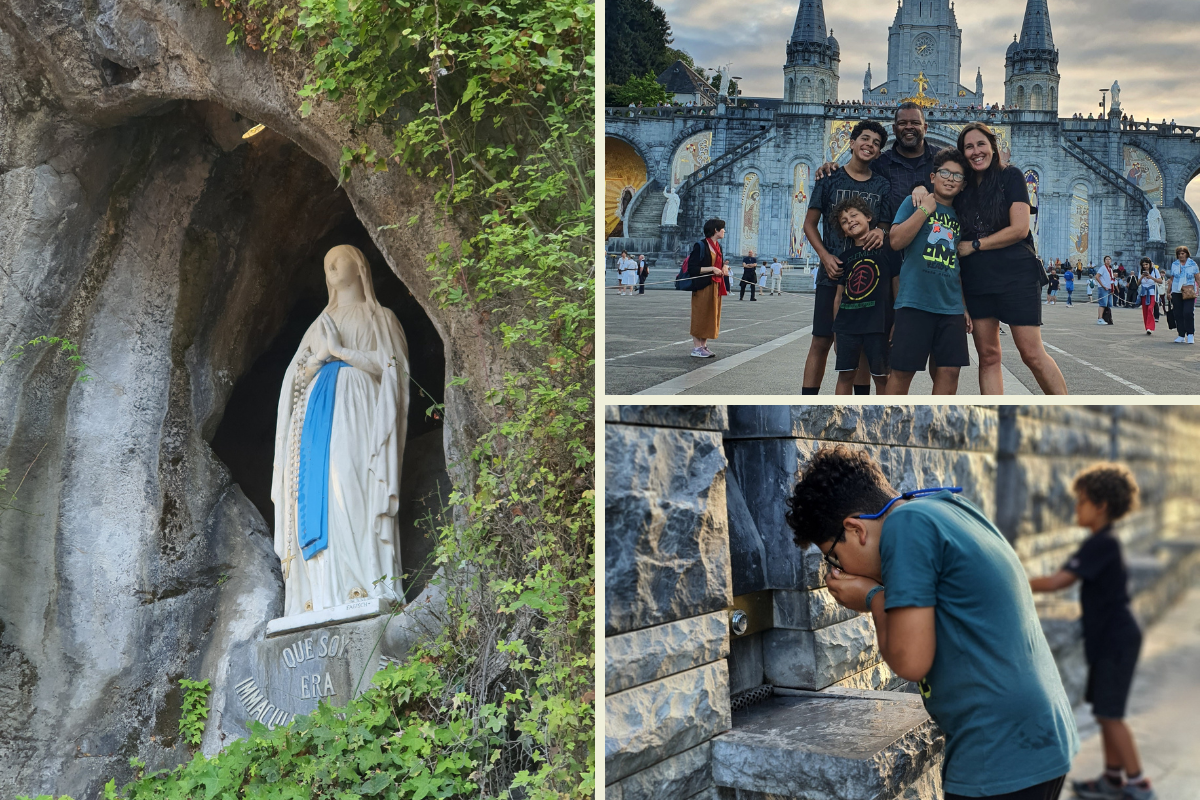
We felt at home, just as we did in Fátima, with Mary taking us by the hand.
Our next stop may seem out of place for a pilgrimage, but traveling with three young car-racing enthusiasts, one of them a Formula 1 fan, made it a natural choice.
Our sons were almost as excited about visiting Monaco and driving part of the Monte Carlo circuit — which they’d seen so often on screen during race broadcasts and in video games — as they were about meeting the Pope.
And the truth is, we all enjoyed that day in the small city-state nestled between the mountains and the Mediterranean.
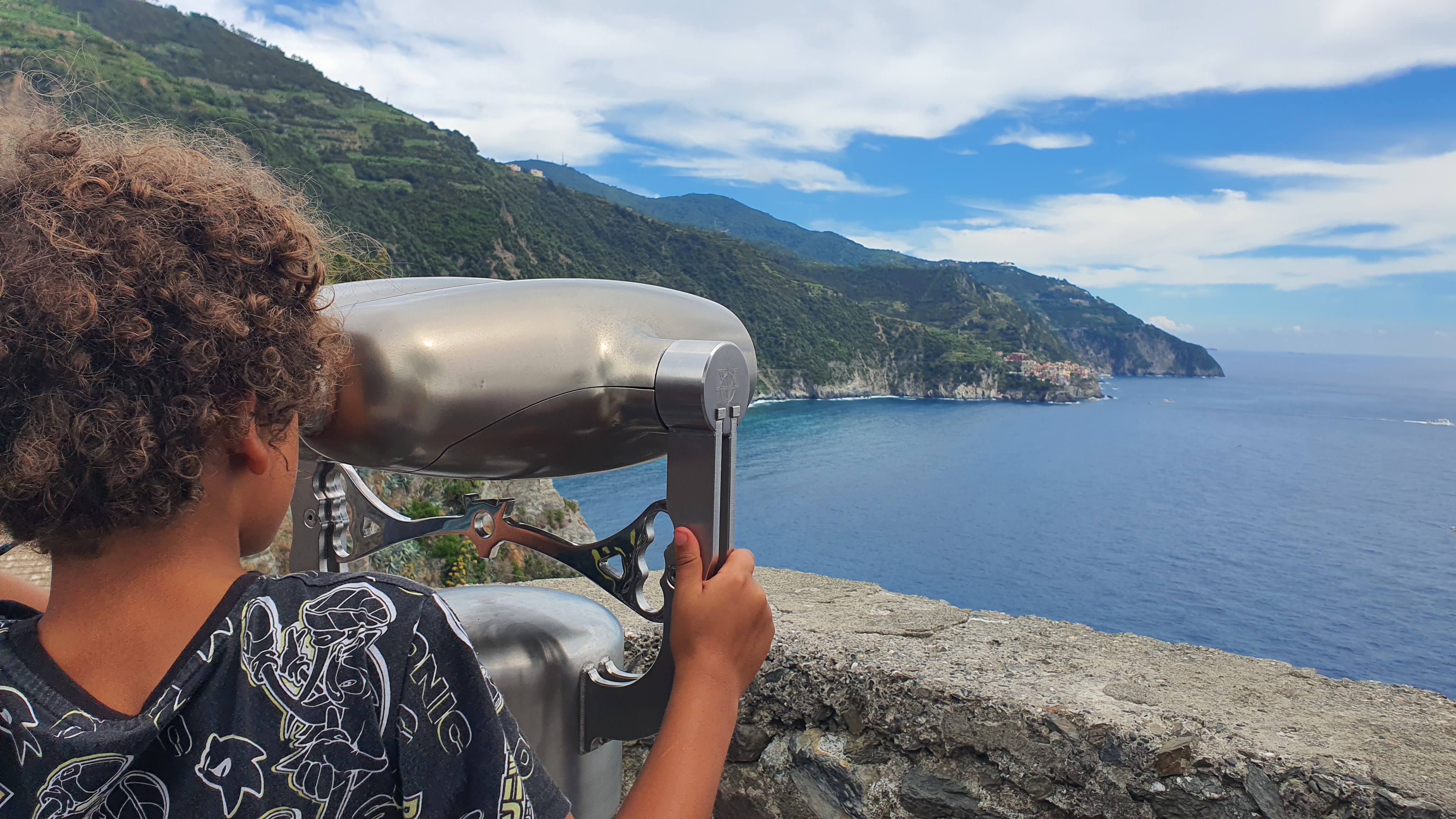
From Monaco to the Italian border was a snap, and we all happily celebrated our arrival in the country that was the destination of this great journey.
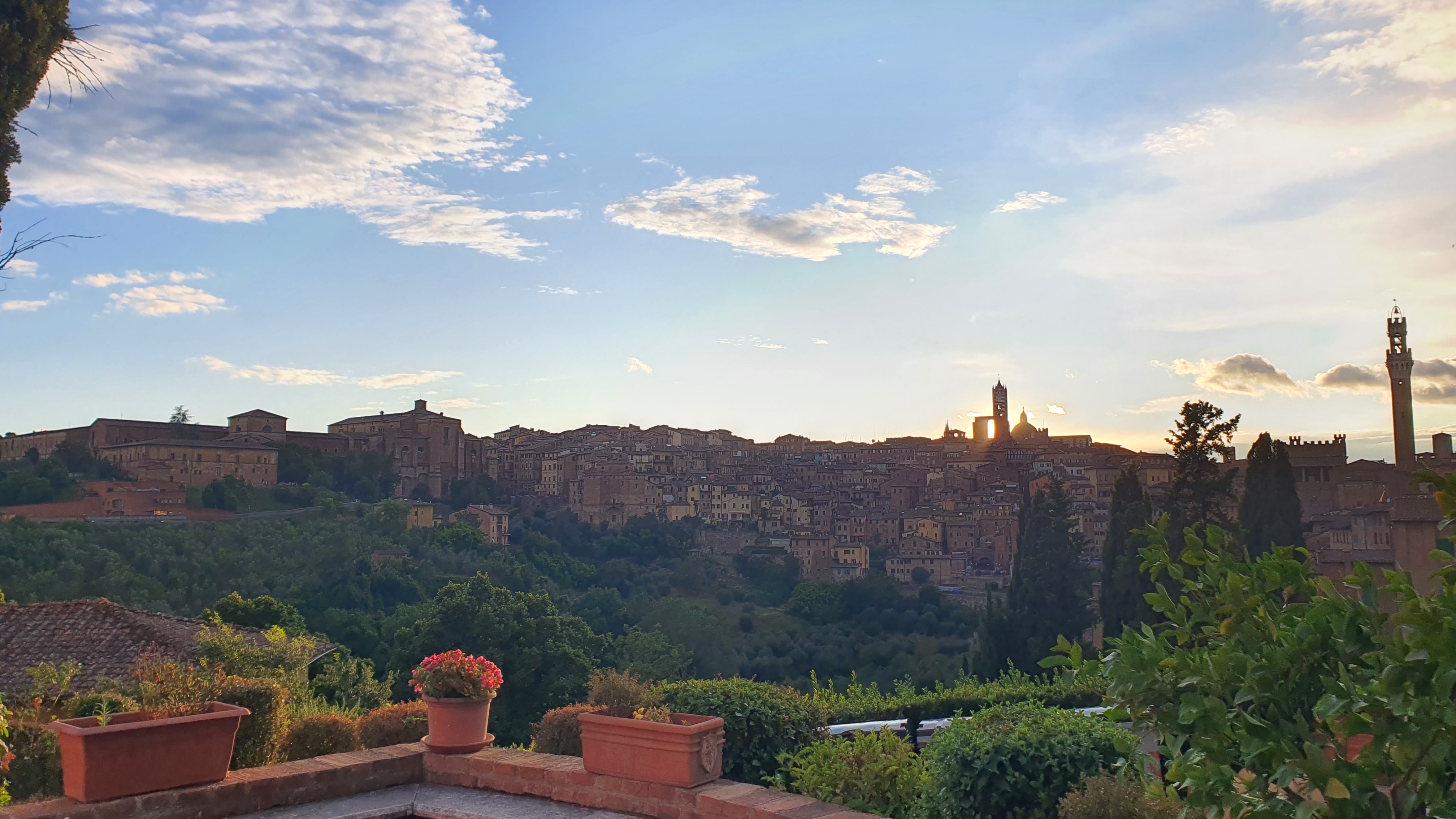
Siena, our last stop before Rome, is absolutely beautiful, with it’s Duomo, one of the most incredible Gothic churches in Italy; the Sanctuary of St. Catherine, built on the site of her birth; the Basilica of San Domenico, where the saint’s head is kept (and displayed for veneration). Our tour of Siena, a city painted in a thousand shades of ochre and gold, ended in its heart, the Piazza del Campo, where perhaps the most famous horse race in the world, the Palio, takes place every Aug. 15. There, we did as the locals do: sat on the beautiful red-brick tile, chatting and enjoying delicious Italian gelato.
Meeting the Pope(s)
And then the day arrived: We headed to the Vatican.
Upon finally entering Rome, we began to think that the “miracle” would not happen after all.
The Eternal City was packed with young people — it was their Jubilee week! — and we had to pick up our tickets in St. Peter’s Square, right where the opening Mass was about to begin. We were helped by the kindness and compassion of a Swiss guard, providentially placed in our path, who, realizing we would never make it to the door of the Apostolic Palace in time, offered to pick up the tickets for us.
And the next morning we were there, sitting in the third row of chairs right next to the small platform from which the Pope would deliver his catechesis. At the end of the audience, we joined the line for “kissing the hand.”
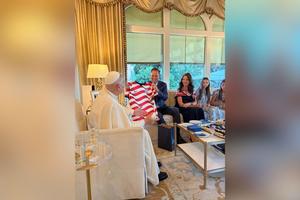
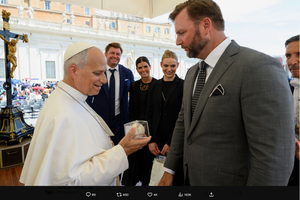
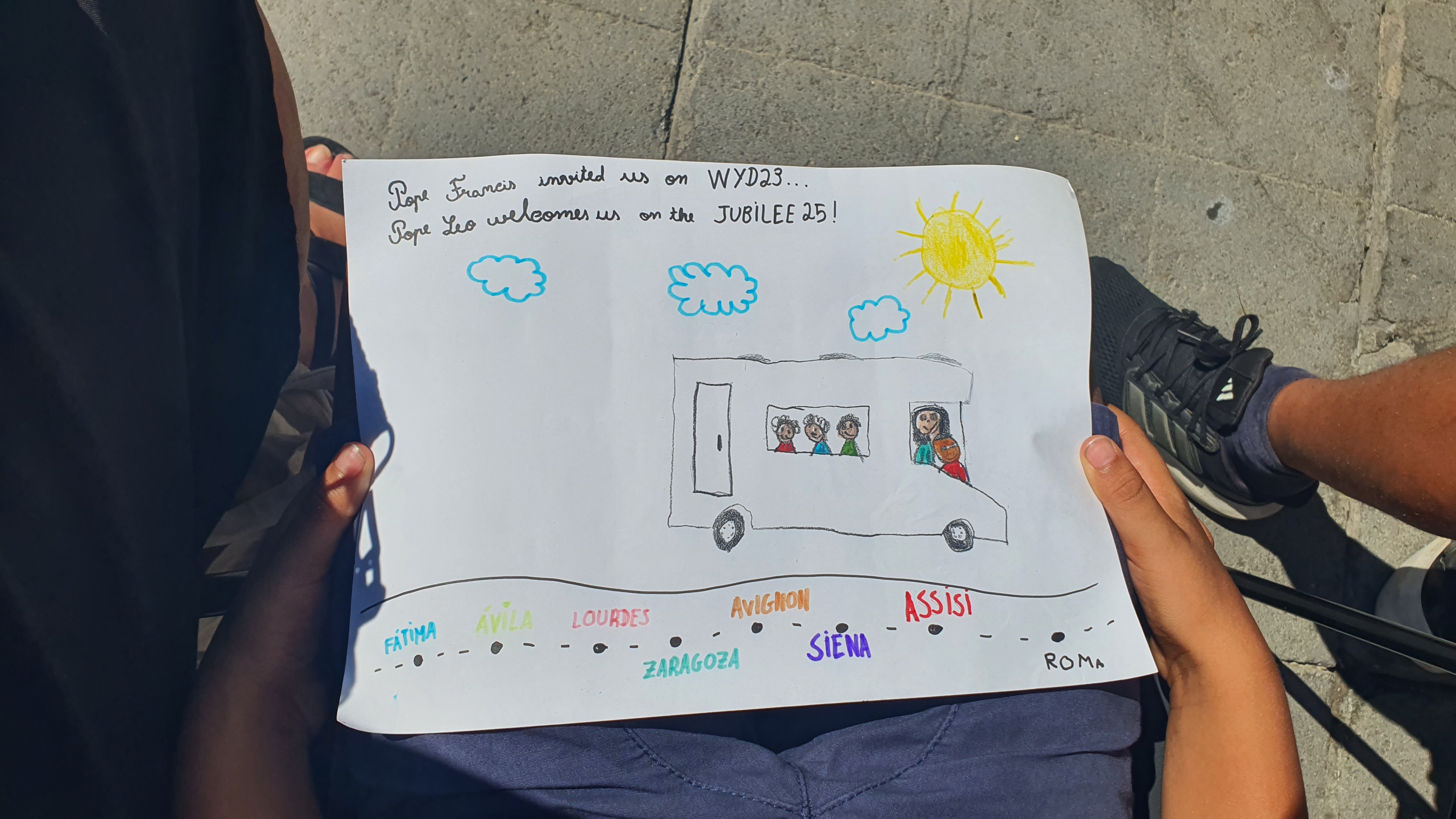
“Holy Father, good morning!” I began to say to him in Portuguese. He smiled and asked, “São Paulo?” thinking we had come from Brazil. I clarified: “Lisbon, Portugal!” His smile widened, and he immediately told us we could continue speaking in Portuguese, extending his hand to us with a broad and very friendly smile. We all greeted him, and then we told him what had brought us to Rome, using a drawing the boys had made and which the oldest was in charge of showing: There we were, the five of us, depicted inside the motorhome, and below us was a road showing the main points of our journey. Leo read the names of all the places we had passed and was impressed.
We told him how important Pope Francis’ challenge had been for us and how much we missed him. Leo XIV’s expression revealed that he shared our sentiment.
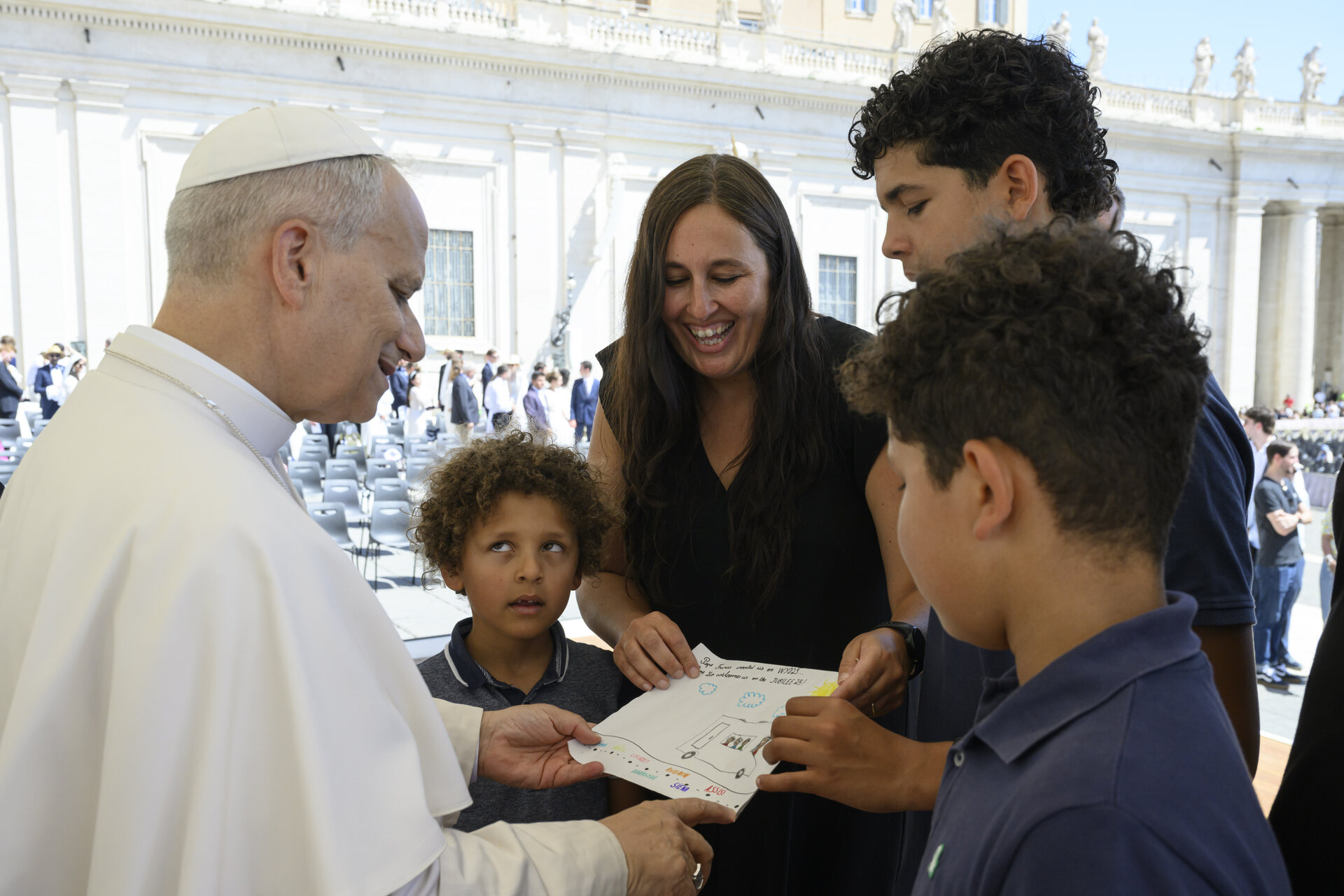
But we assured him that we were happy that he had been chosen at the conclave and that he was welcoming us so warmly. I then asked, somewhat worried that I was already overstepping his time and patience: “What advice do you have for a family like ours?” The Pope thought briefly and replied: “The family is a privileged place to encounter Jesus. It is a privileged place to know him, to know his word, but it is also important to understand that this word implies certain actions in the daily lives of each of us. Don’t forget that.” He added: “Always try to find a moment to pray each day; this is very important for the growth of love, faith and hope.”
I couldn’t leave without thanking him for all the efforts he has made for peace in the world. The Pope bowed his head in gratitude and, with a mixture of pain and hope in his eyes, promised not to give up on doing what he could.
As we walked through the Holy Door and visited St. Peter’s Basilica, Pope Leo continued, patiently and graciously, greeting everyone until the line ended.
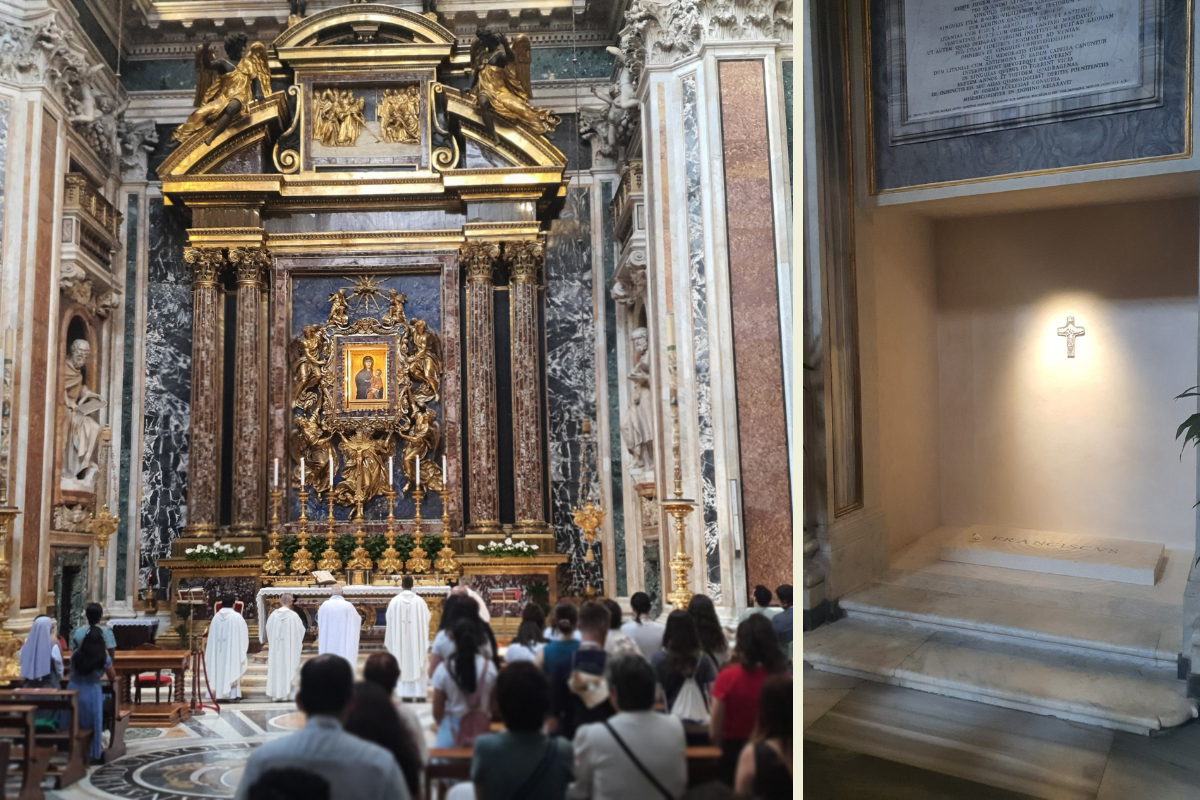
We remained in Rome until the end of the week. The city was even more beautiful and joyful for being filled with young people. We visited the main tourist attractions, and, last but not least, we went to the Basilica of St. Mary Major, where Pope Francis often prayed before the Marian icon Salus Populi Romani and where he is buried. Standing before his tomb, we experienced one of the most powerful moments of our pilgrimage — there at his burial place, so simple and discreet (we almost didn’t notice it amid the opulence of the basilica) with a shallow, smooth marble stone with the inscription Franciscus and a single white rose above — we truly felt the depth of his service to the Church.
Returning ‘by Another Path’
We left Rome on the day the million young people who participated in the Jubilee headed to Tor Vergata for the vigil and sending-off Mass with Leo XIV. We watched the celebrations online, already in Assisi, the land of the saint after whom Pope Francis is named — and also of his best friend … Leo.
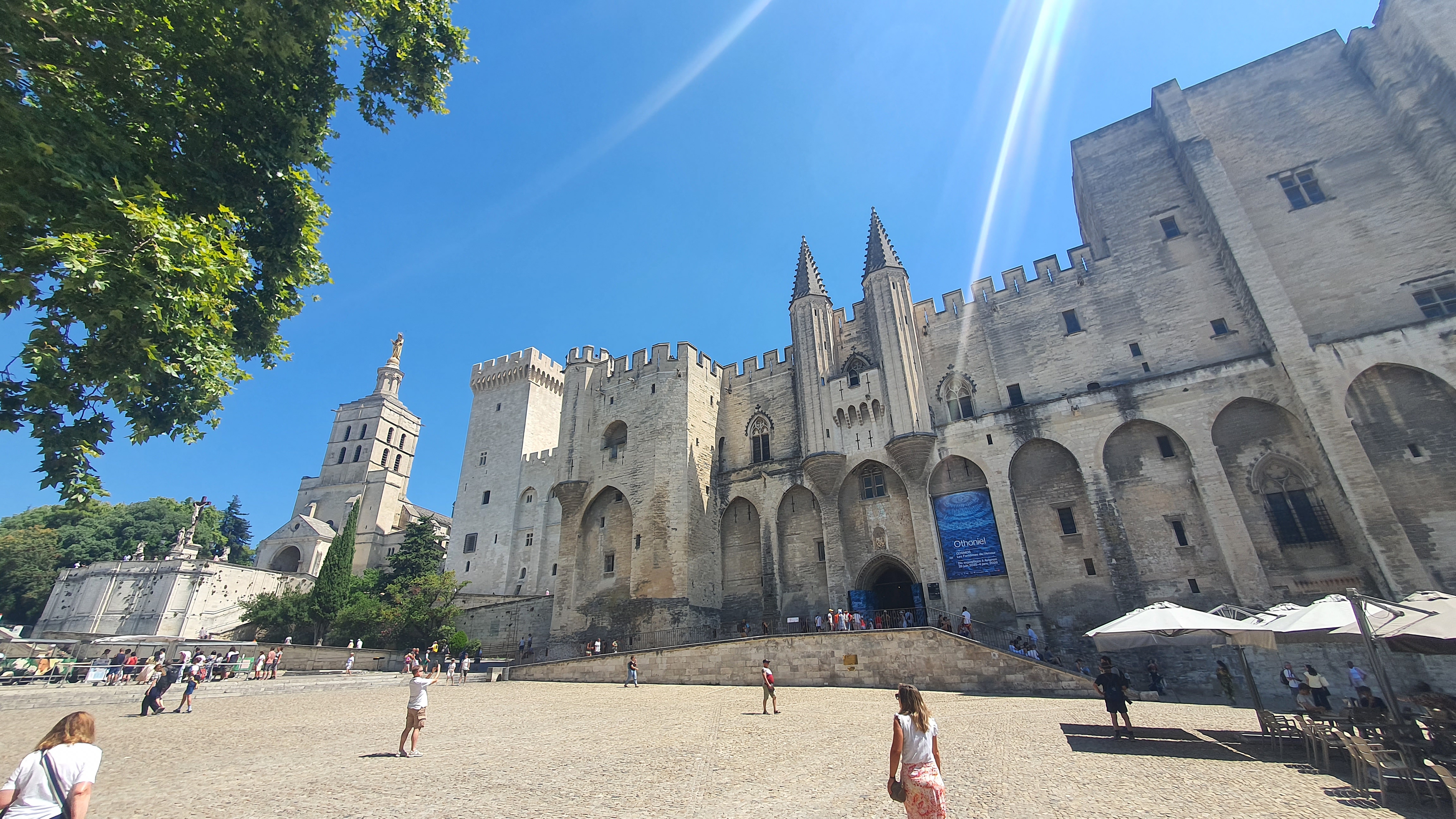
On our way back, we passed through Avignon (on a pilgrimage to meet the leader of the Catholic Church, we couldn’t skip the place known as “the city of the Popes” because they resided there during a turbulent period in Catholic history).
Our last stop was in Zaragoza, where we discovered another symbolic reference to the figure of Mary. According to local tradition, this is the locale of the first Marian apparition. Tradition dictates that when Mary was still alive and living in Jerusalem, Jesus’ mother appeared to James, accompanied by a group of angels carrying a stone column. This was because the apostle had the difficult task of preaching the Gospel in the western reaches of Europe, and Mary wanted to encourage him to continue his mission. According to the same tradition, James was commissioned by Our Lady to build a chapel in her honor at the site of the apparition.
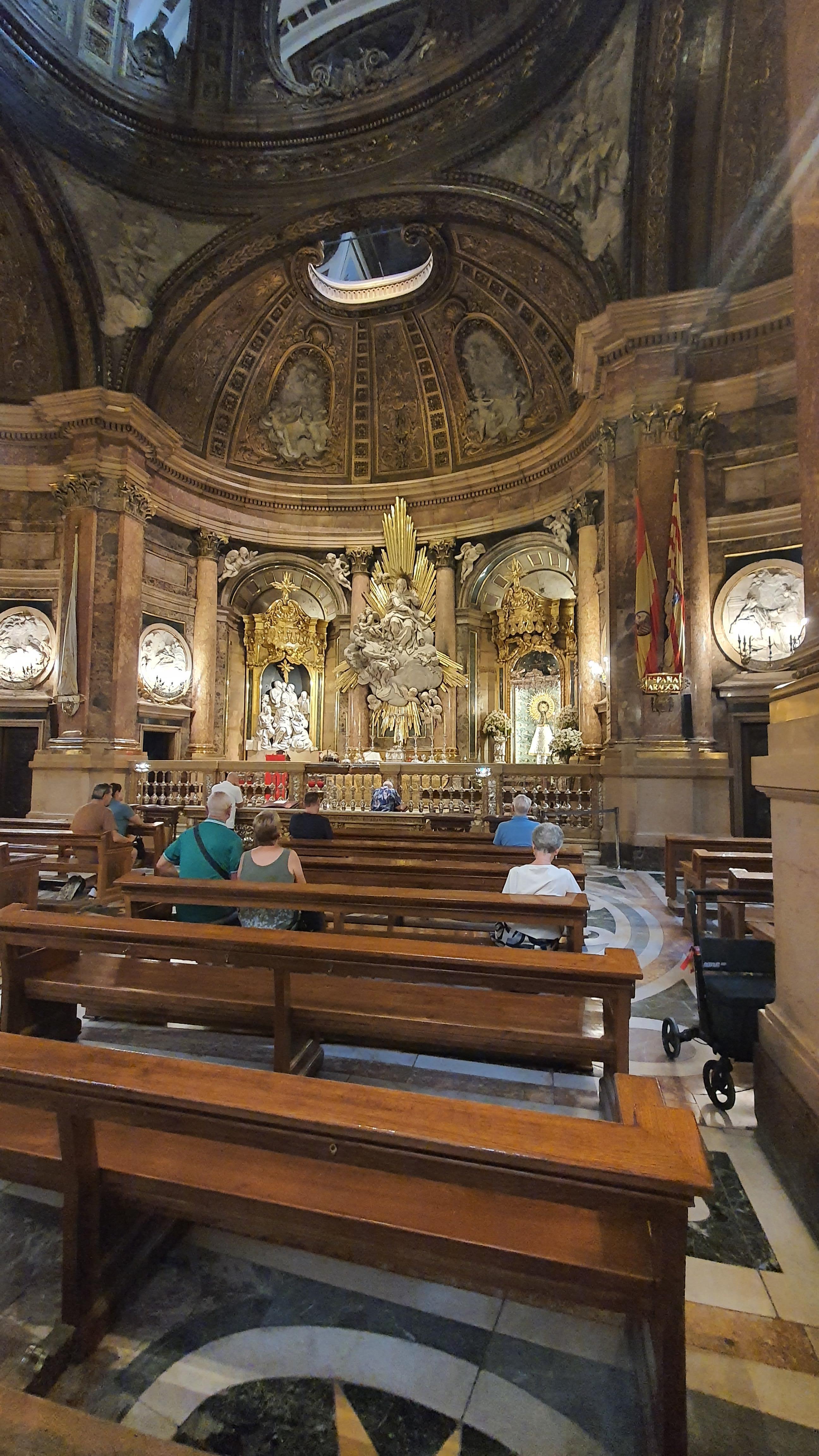
And there we were, in the Basilica of Our Lady of the Pillar, before a column considered a symbol of strength and faith. Pope John Paul II also stood before it twice, and on one of the basilica's walls, you can read excerpts from the messages he delivered during these visits. One of them ends with: “Be firm in the faith like this pillar.”
At the end of this journey, we felt that the call was for us too — having been blessed by all of the stops along the way, including meeting the new Pope, who turns 70 on Sept. 14.