What Does Mary’s Queenship Mean for You?
As queen and mother, Mary offers Catholics a model of mercy, strength and intercession for our times
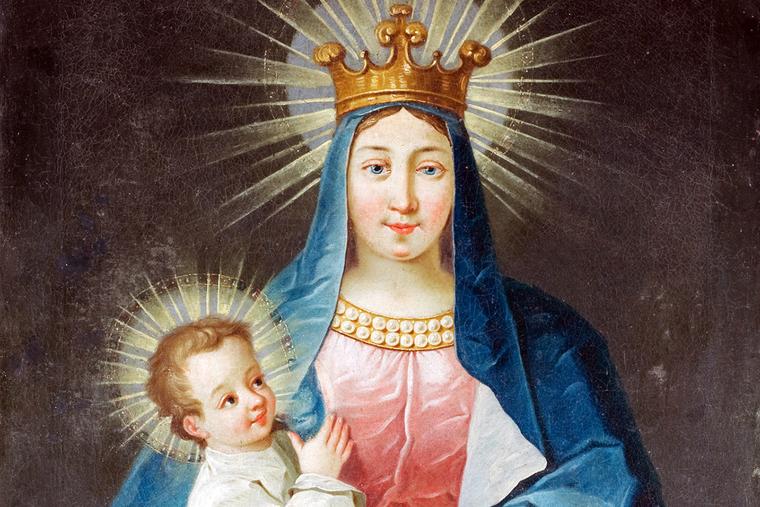
Tucked away in the end-of-summer scurrying to fit the last of the season’s events and new school year preparations lies a Marian feast that we should not overlook. The Queenship of Mary, celebrated on Aug. 22 each year, celebrates the Blessed Mother as Queen of Heaven and Earth, a feast day rooted in centuries of devotion, scriptural interpretation and theological reflection. But what does the Queenship of Mary mean to Catholics living in the 21st century, amid rapid social change and evolving religious landscapes?
Historical and Theological Foundations
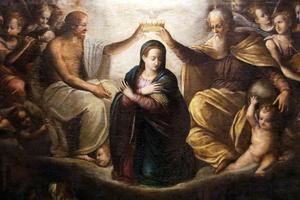
Mary’s Queenship was formally recognized in 1954 when Pope Pius XII established the Feast of the Queenship of Mary in his encyclical, Ad Caeli Reginam. Yet, the idea of Mary as queen existed long before, echoing through liturgy, hymns and art. Catholic tradition draws from biblical precedents — the ancient Israelite practice of honoring the queen mother, and the Book of Revelation’s vision of a woman crowned with 12 stars. Theologically, Mary’s queenship flows from her unique relationship with her Son, who is King of the Universe. Therefore, she is given a special dignity and role in the Church’s spiritual life.
Symbolism and Spiritual Meaning
For today’s Catholics, the queenship of Mary is not a matter of royal power but of loving service. Her queenship is characterized by humility, compassion and intercession while at the same time maintaining a motherly presence, always attentive to the needs of her children. Mary’s crown is not made of gold, but woven from acts of mercy, self-giving and faithfulness to God’s will and this symbolism is reflected in the prayers, litanies and devotions that we use to draw near to her. The “Hail Holy Queen” prayer, for example, invokes her aid and protection, especially in times of trouble. In our modern world, we may find in Mary a source of comfort, guidance and hope, forming a bridge between the divine and human experience.
Mary’s Queenship in Personal Spirituality
Mary’s queenship offers us a personal spiritual model, especially in a world often driven by competition and individualism. Her example of humble leadership offers an antidote and a path for us to move forward. Mary’s fiat — her “yes” to God — reflects openness, trust and surrender, qualities that we should strive to emulate in daily life. She is a queen who listens, who suffers, who accompanies, making her accessible to believers navigating life’s joys and sorrows.
The queenship of Mary also inspires us to see our vocations and responsibilities through the lens of service. Whether we are parents, teachers, community leaders or caregivers, her maternal leadership calls us to promote justice, peace and compassion in our spheres of influence.
Mary as Advocate and Intercessor
For faithful Catholics, Mary’s queenship is inseparable from her role as intercessor. Her queenly image does not place her above humanity but, rather, expresses her closeness and advocacy. At the Wedding at Cana, Mary interceded — and she continues bringing our needs and petitions to our Lord today. We see this belief demonstrated in the global practice of Marian devotions — the Rosary, pilgrimages to shrines, and participation in Marian feasts — and these rituals foster a sense of unity, belonging and hope, especially in times of uncertainty, illness or grief. In an age when many feel isolated or disconnected, the queenship of Mary offers a communal anchor and a reminder of spiritual solidarity.
Cultural Expressions and Global Impact
We see Mary’s queenship expressed not only in church teachings but also in the diverse cultures of Catholicism worldwide. From the regal statues of Our Lady of Guadalupe in Mexico to the processions of Nuestra Señora de la Candelaria in the Philippines, Catholics celebrate Mary’s queenship through music, art and festivals. These celebrations remind modern Catholics of our shared heritage and the universality of Mary’s love. They also offer us opportunities for evangelization, charity and interfaith dialogue, showing that the queenship of Mary is not an exclusive claim but an invitation to all people to experience God’s mercy.
Relevance Amid Modern Challenges
As contemporary Catholics, we face complex challenges: secularism, skepticism, social injustice and personal struggles. In this context, the queenship of Mary serves as a beacon of hope for us, a symbol of steadfast faith, resilience and maternal care. Her story encourages us to stand firm in our beliefs and to respond to adversity with grace. By imitating her compassion and advocacy, we can respond to the needs of our families, friends, parishes and communities and strive for a more just and loving world.
Conclusion
The queenship of Mary is more than a crown or a title; it is a living reality that should continue to shape and inspire our Catholic faith today. Through tradition, prayer and personal witness, we can find in Mary a model of leadership, service and hope. Her queenship invites us to trust in God’s love, to care for one another and to build communities rooted in justice, mercy and peace. In honoring Mary as Queen, we affirm the enduring relevance of her example — and the promise of her maternal presence — in every age.
- Keywords:
- queenship of mary
- blessed virgin mary