‘Forming Intentional Disciples’: The Book That Changed Catholic Ministry
Author and evangelist Sherry Weddell reflects on her years helping Catholics rediscover what it means to be a disciple of Jesus.
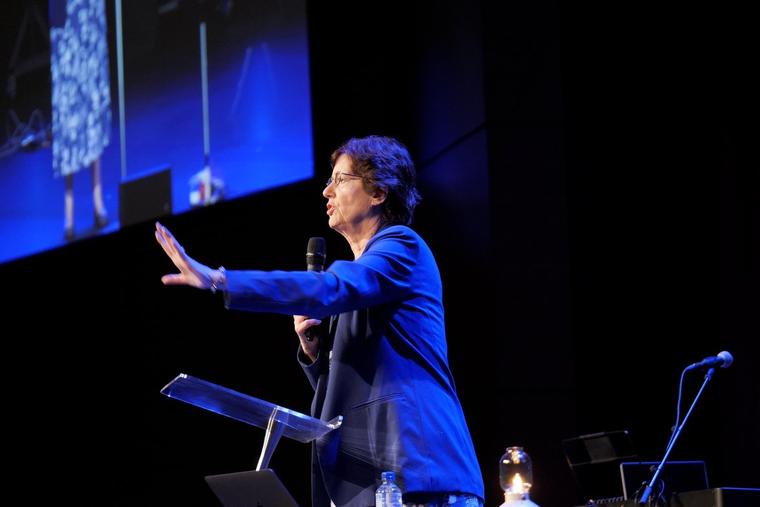
Before he ascended to heaven, Jesus commanded the apostles to make disciples of all nations. But 2,000 years later, when Sherry Weddell started working in evangelization, she made a shocking discovery: Hardly any Catholics she met even knew what it meant to be a disciple.
This was not simply a question of semantics — it was the defining crisis facing the Catholic Church in the West, as Weddell, a convert to the Catholic faith who grew up as an evangelical Protestant, argued in her influential 2012 book, Forming Intentional Disciples.
Weddell’s discovery would inspire her work in Catholic evangelization and become the central thesis of her book, namely: The majority of Catholics she encountered while leading workshops with parish leaders were well-meaning, faithful Massgoers, but they could not be called disciples.
To Weddell, being a disciple, first and foremost, requires a personal relationship with God. Even many of the most dedicated parish leaders, she found, had never developed such a relationship or known that it was even possible.
Without that lived experience with God, Weddell argued, a person cannot become a disciple and make an intentional, conscious decision to surrender to Jesus and allow that commitment to shape every aspect of their lives.
The problem, Weddell argued, is that most Catholics lack the support they need from their parishes, which operate as if their members have already reached true discipleship just by showing up at Mass on Sunday. Moreover, she writes, parishes generally respond with a “selective silence” to any outward expression of a fervent faith.
“Catholics have come to regard it as normal and deeply Catholic to not talk about the first journey — their relationship with God — except in confession or spiritual direction,” she writes. “To the extent that we don’t talk explicitly with one another about discipleship, we make it very, very difficult for most Catholics to think about discipleship.”
Forming Intentional Disciples aims to provide a road map to rebuilding the Catholic Church by reintroducing its members to the Person of Jesus Christ through the kerygma — the proclamation of the Gospel message — and by accompanying others on their spiritual journeys.
It went on to sell more than 200,000 copies and has become required reading among pastoral leaders in dioceses across the world. As a measure of her influence on the Church, Wendell started a Facebook group called “Forming Intentional Disciples Forum” that currently has more than 13,500 members, many of whom are actively involved in Catholic ministry.
Enduring Legacy
Fourteen years after her book’s release, Weddell is astounded by how much the Church has taken up her call. “The conversation changed, and we could talk about discipleship. Now, that’s a common term. Everybody’s using it,” she told the Register.
Weddell first began to sense that something was terribly wrong in the Catholic Church while teaching “Called & Gifted” workshops, a ministry she founded shortly after entering the Church to help Catholics discern their charisms to discover their vocations. In 2004, while at a workshop in Canada, she experienced a “turning point” in a conversation with a woman who ran a major ministry in her diocese. While asking the woman to share her “spiritual autobiography,” she said she “wasn’t hearing any details.”
“I finally asked her in desperation, ‘Could you just briefly describe to me your relationship with God or your experience with God to this point in your life?’” Weddell recalled.
“But she just turned to me and says, ‘I don’t have a relationship with God.’”
“And that’s the first time it really hit me that it was possible that one of the reasons all the Catholics struggled to discern is that they didn’t have a relationship with God. They were engaged and often very active, but for all kinds of other reasons,” she said.
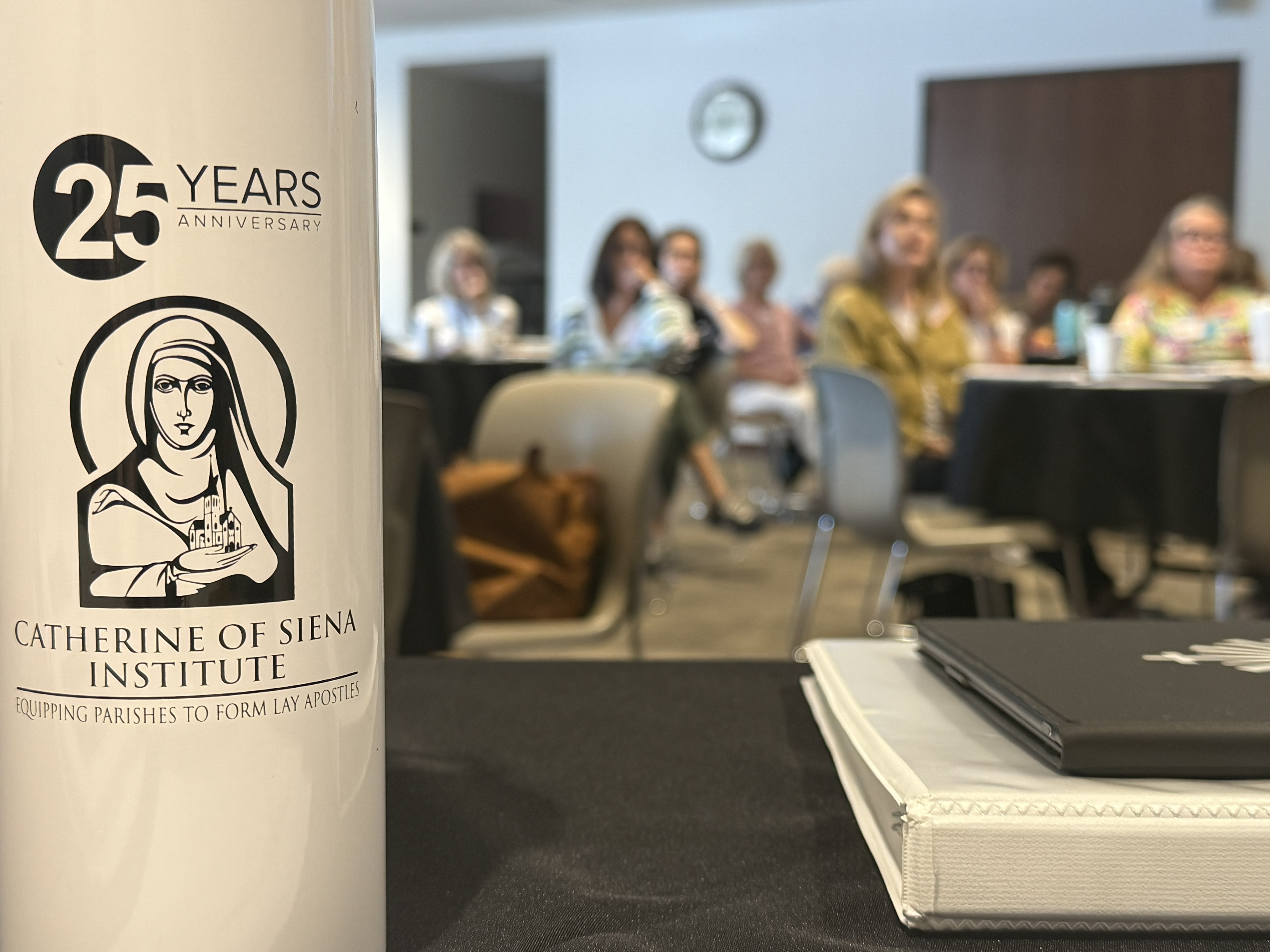
In her work with the Catherine of Siena Institute, which she co-founded in 1997 with Dominican Father Michael Sweeney, the pastor of her first Catholic parish in Seattle, Weddell and her colleagues had hundreds of conversations with lay Catholics and pastoral leaders.
“We learned that the majority of even ‘active’ American Catholics are still at an early, essentially passive stage of spiritual development. We learned that our first need at the parish level isn’t catechetical. Rather, our fundamental problem is that most of our people are not yet disciples. They will never be apostles until they have begun to follow Jesus Christ in the midst of his Church,” she writes in her book.
Lay pastoral leaders, priests, deacons and bishops in more than 1,000 parishes, 200 dioceses and 11 countries have been trained through the Catherine of Siena Institute, based in Colorado Springs, Colorado, where Weddell resides, according to the institute website.
The institute trains those in ministry to shepherd people through the five “thresholds of conversion,” beginning with “trust” and ending with “intentional discipleship,” mostly by being good listeners.
“People tend to move spiritually as they tell their stories to somebody who really listens,” Weddell explained. She added that for those who are at the beginning of their spiritual journeys, a suggestion to simply pray for openness to God often bears much fruit.
Since Forming Intentional Disciples’ publication, the conversation around discipleship has changed dramatically, Weddell said. When she first started working with Catholics, she rarely heard anyone say the name “Jesus,” for instance.
Weddell said this reticence of Catholics to share their faith dates to the immigrant experience when a self-protective fear of losing one’s Catholic identity developed.
“To talk about a personal relationship with God just smacked of being Protestant, which was automatically wrong. Therefore, we don’t talk about it. But now we’re talking about it constantly,” Weddell said.
National Influence
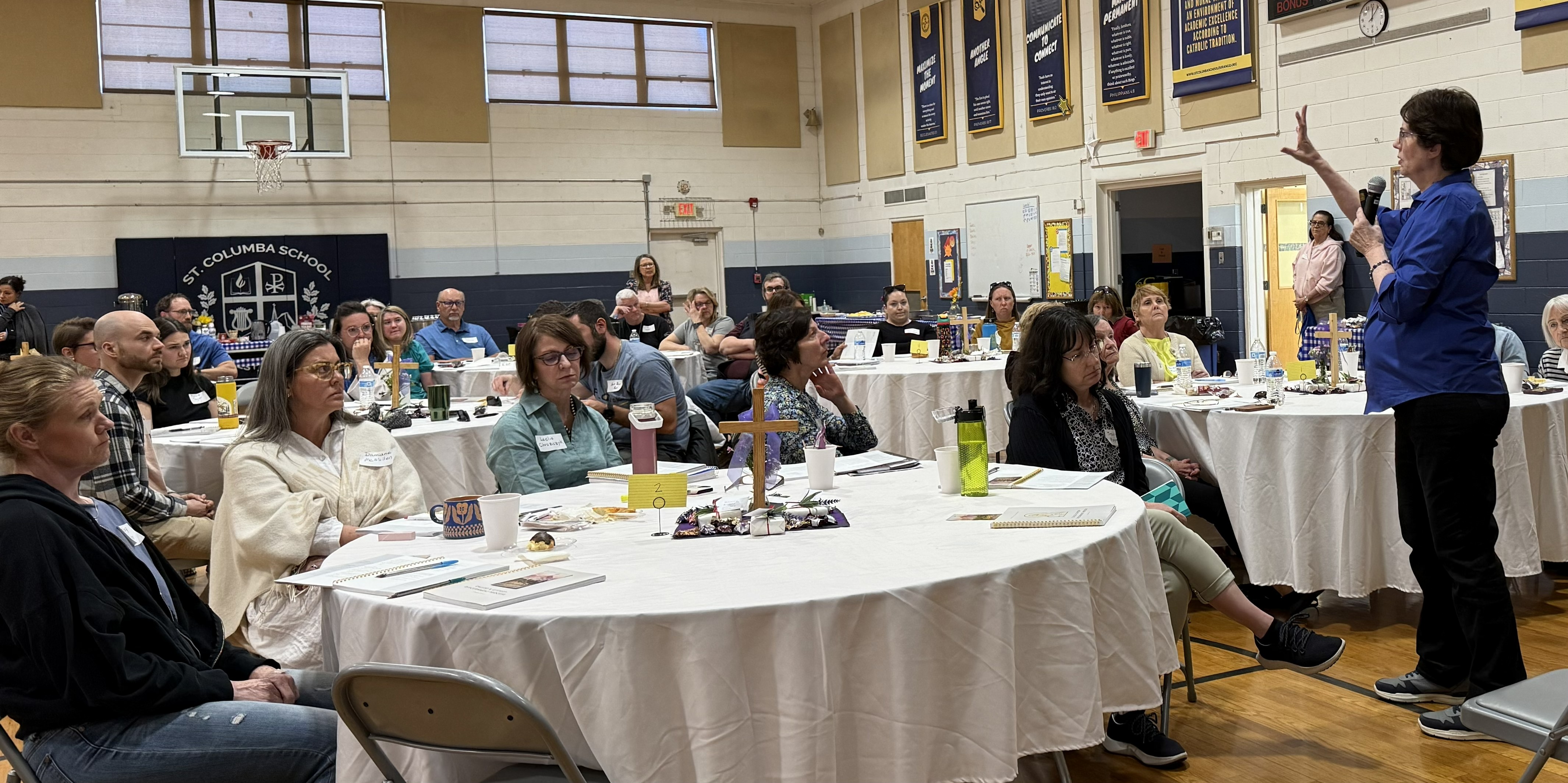
The Archdiocese of Los Angeles’ Office of the New Evangelization has made Weddell’s program central to its ministry and incorporates it into training for pastoral leaders in parishes across the archdiocese.
Before becoming director of the office, Bobby Vidal served as director of religious education at St. Kateri Tekakwitha Parish in Santa Clarita. After attending a seminar hosted by the St. Catherine of Siena Institute — and later traveling to Colorado for a weeklong intensive course — Vidal began applying Weddell’s principles at his parish. Doing so, he said, gave the parish leadership a “profound sense of clarity” about its mission.
It also transformed his parish.
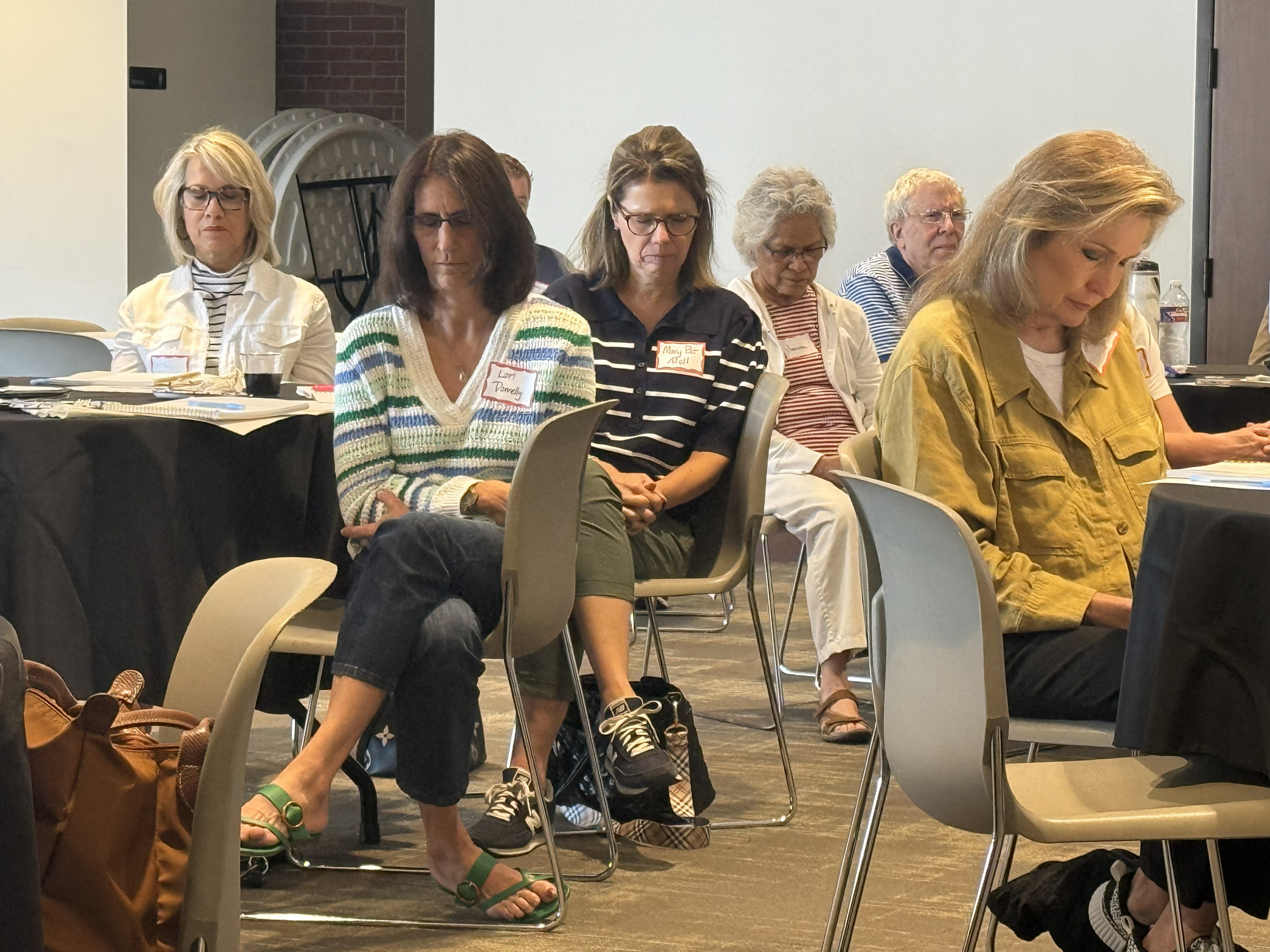
“Individuals started to experience for the first time a real ability to encounter Jesus and hear the basic Gospel message for the first time,” Vidal said. “They were given the opportunity to really be able to entrust their whole life over to Jesus and become a disciple.”
From Fundamentalism to Rome
Weddell’s own spiritual journey and conversion to the Catholic faith, not surprisingly, involved a profound sense of the presence of God.
Raised in southern Mississippi among “uber-fundamentalist Christians,” she went through what she calls a “deconstruction period” as a teenager when she left her family’s faith. She would experience a profound reversion to her faith at the age of 21, while traveling across the country.
“I was crossing into Quebec from Maine in a bus, and I just, out of the blue, thought, “I’m just going to deal with this whole God thing now,’” she recalled. “I said, ‘Okay, Lord, if you’re there, please show yourself to me.’”
It was in the basement of the Empire State Building, Weddell recalled, when she made the conscious, intentional decision to be a disciple.
“I just said, ‘Okay, Jesus.’ But what I meant was, ‘I’m back, and I’m following Jesus,’” she recounted. “And I’ve never looked back.”
She returned to the University of Washington, and while looking for a place to pray, she stumbled into a Catholic church on the campus, which was the only church that wasn’t locked.
“I walked across the threshold of that church, and I felt a presence,” she said. She told the Register that at the time she was being mentored by a Quaker woman who had taught her how to listen to God’s voice. “I was constantly trying to listen to the voice of God and be obedient.”
“God had to get to me the way he knew he had to get to me, which is how actual graces work. He speaks to you and draws you to him from where you are. He knew that experiencing a really strong presence of God in that unlikely place would really get my attention. And it did. That’s why I’m Catholic today, basically,” she said.
Mustard Seed of Renewal
This spring, after seeing the impact of Forming Intentional Disciples in his Minneapolis parish before being appointed to New Jersey in 2024, Bishop Joseph Williams of the Diocese of Camden distributed 450 copies of the book to diocesan leaders, including priests, deacons and lay parish leaders for a “study group.” He then invited Weddell to speak to them. Organizers had to open an overflow room and livestream the event for those who couldn’t fit inside.
“I think some people were very edified. I think eyes and hearts were open to put language on the realities we’re facing as a Church in South Jersey,” Bishop Williams told the Register.
The phenomenon of “cultural Catholicism” — when individuals retain a Catholic identify because of family and community ties rather than a lived relationship with Christ — might be even more prevalent on the East Coast than the Midwest, where he is from, he said.
Bishop Williams hopes this will be the “mustard seed of missionary renewal” in his diocese and shared that he has plans to send out 12 people to each parish to start schools of discipleship based on Weddell’s book.
“Maybe there are some cultural Catholics in our pews on Sunday that could be awakened to the joy of intentional discipleship and the joy of being a witness to Jesus as you’re supposed to be by your baptism and confirmation,” Bishop Williams said.
Msgr. James Shea, author of the influential 2020 book From Christendom to Apostolic Mission (University of Mary Press), argues in his book that the Church must recover its missionary identity in a post-Christian culture. He told the Register that Weddell’s contribution to the Church has been “profound.”
“At a time when many churches were focused primarily on programs, structures and maintenance, she consistently brought the conversation back to conversion and encounter,” Msgr. Shea said.
“Her legacy will be found not only in books or parish renewal efforts, but in the countless Catholics who have come to see discipleship as a personal calling rather than an abstract ideal,” he said.
Dominican Father Brent Bowen first came across the Catherine of Siena Institute’s “Called & Gifted” workshops as a seminarian. Now a professor at Aquinas Institute of Theology in St. Louis, he has partnered with Weddell to lead at least 15 of the workshops.
“Her work has contributed not only to how parishes understand the importance of initial evangelization, of calling people into a relationship with Jesus, but then also how you form and send them to participate in the Church’s mission,” Father Bowen said.
Father Cliff Jacobson, pastor of St. Patrick’s Catholic Church in Casper, Wyoming, told the Register that having put into action the vision of Finding Intentional Disciples, his parish has become known for its “ministry of accompaniment.”
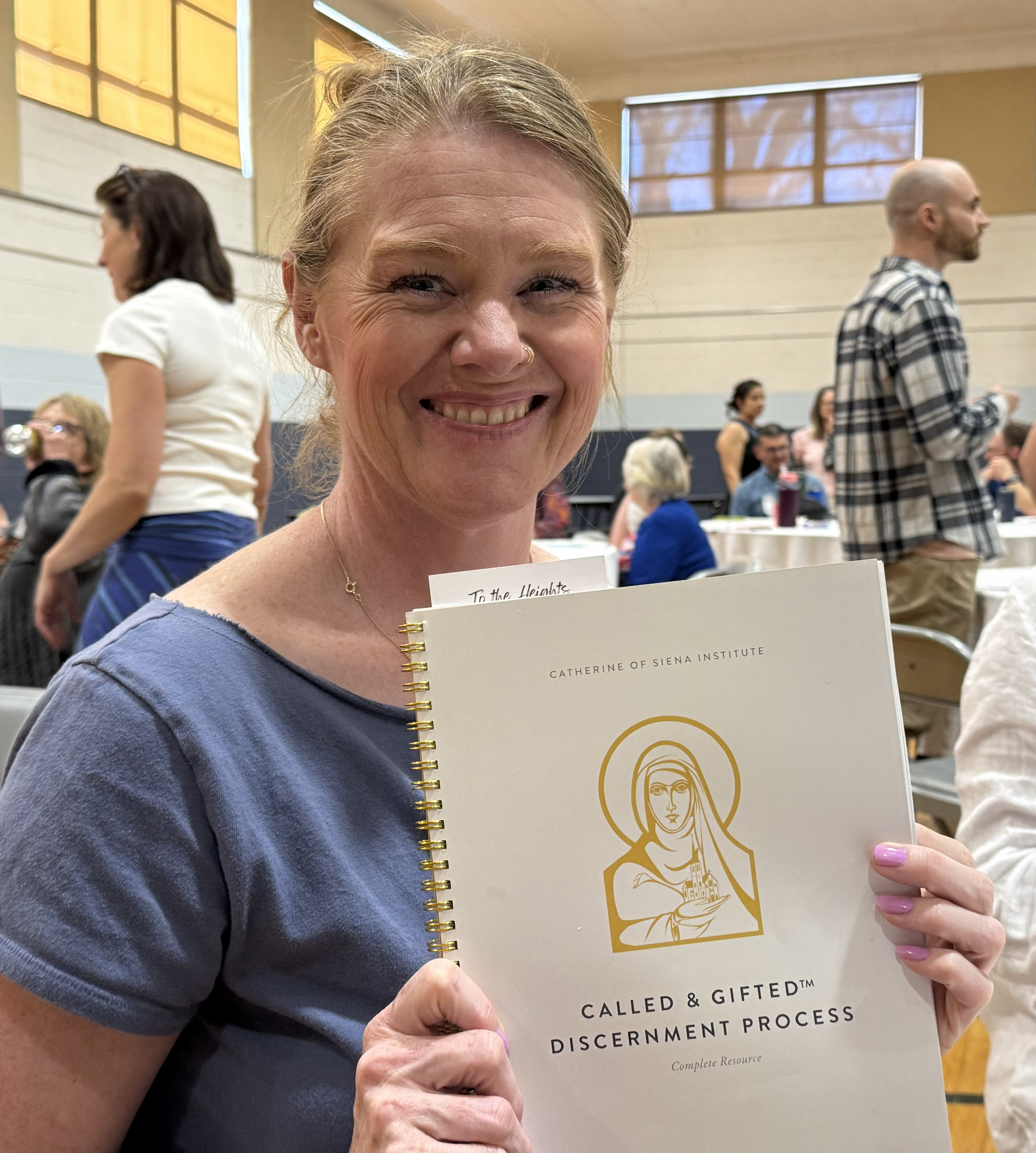
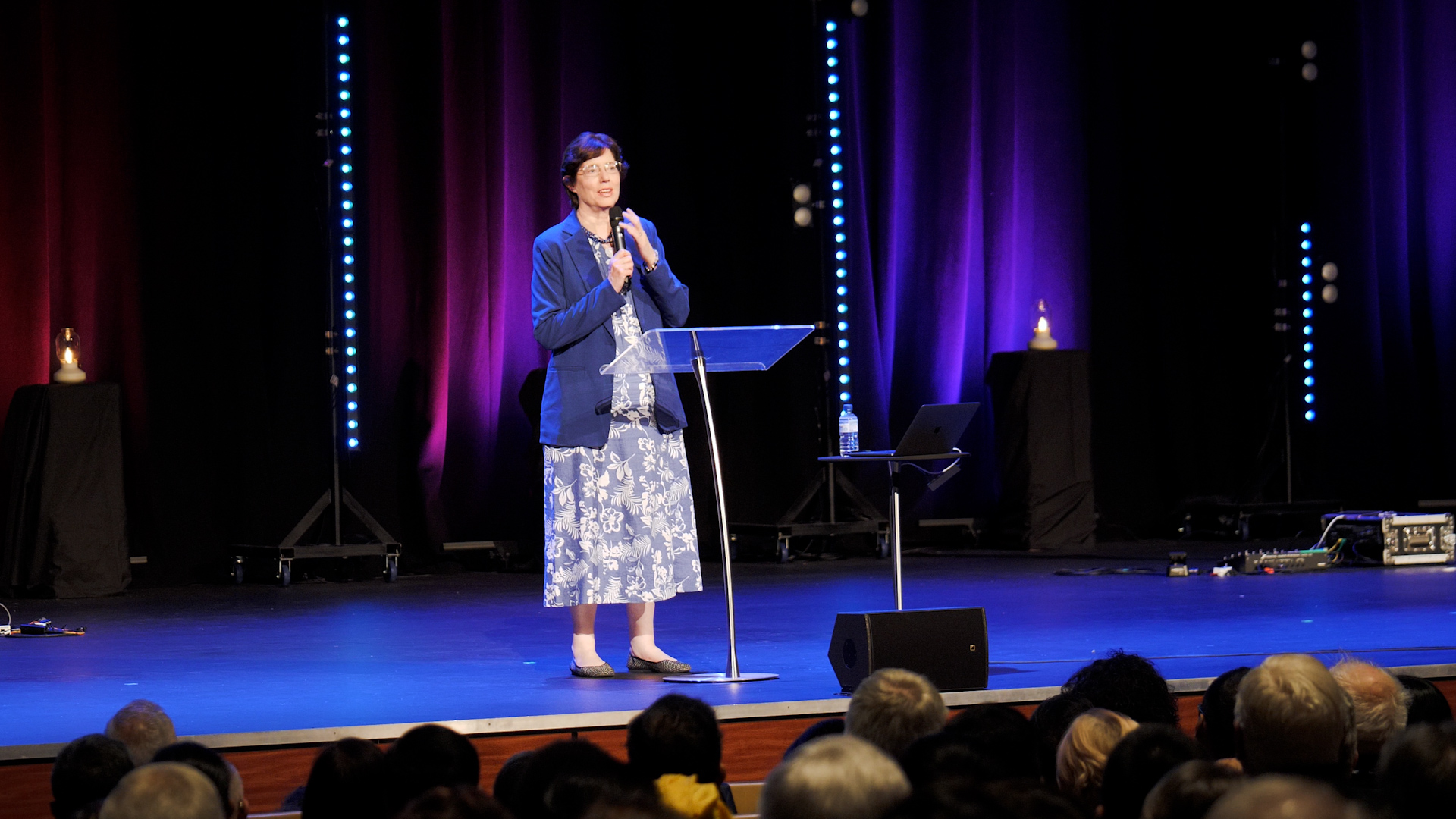
At 71, Weddell shows no signs of slowing down. Last month, she traveled to Melbourne, Australia, to address a Catholic leadership conference — her sixth speaking trip to the country.
She is encouraged by reports of growing numbers of adults entering the Catholic Church.
“It’s very, very exciting,” she said, noting that 25 years ago roughly 88% of those entering the Church did so because they planned to marry a Catholic and wanted to please their in-laws. “We’re seeing that proportion change, with more people entering now on a personal quest.”
But, she cautioned, welcoming new Catholics is only the beginning.
“The most crucial thing is to come alongside them,” she said. “Not everybody is going to be a disciple when they enter. They’re going to need follow-up because a lot of them are not coming from a Christian background anymore.”
For Weddell, the Church’s task remains the same today as when she first sounded the alarm more than a decade ago.
“The goal has to be, one, that we’re calling them to that sustained encounter with God that ultimately leads to the decision to follow Jesus as his disciple in the midst of his Church; and, two, to offer them community as we do so.”