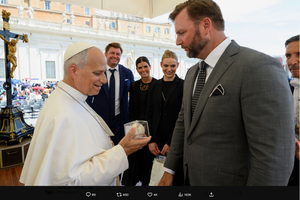
Watch on EWTN: Another Spiritual ‘Gem’ Reflects St. Kateri and the North American Martyrs
The National Shrine of Our Lady of the Martyrs will be featured in EWTN’s ‘Hidden Gems: Catholic Shrines in America’ series, airing July 14.
Precious gems often come in small packages. But one such precious gem — in this case, a shrine — is “hidden” in plain sight on many picturesque acres in upstate New York: the National Shrine of Our Lady of the Martyrs, which will be featured in EWTN’s Hidden Gems: Catholic Shrines in America series, airing this Tuesday, July 14.
The date happens to be the feast day of St. Kateri Tekakwitha, the “Lily of the Mohawks,” who was born in the Mohawk village of Ossernenon that once stood on the shrine’s grounds. While she was not a martyr, those who died on these grounds, located 40 miles northwest of Albany in what is now Auriesville, are the martyrs Sts. Isaac Jogues, René Goupil and Jean de Lalande. The only canonized martyrs in the United States, they gave their lives while trying to bring the faith to the tribes living on this land.
The heroic stories of these Jesuits — Father Jogues being the only ordained priest — began nearly 400 years ago. It was the 1640s when they came to evangelize the Hurons — before they were captured by the Mohawks and taken prisoner. Their story is told in detail by Hidden Gems’ regular host Nell Andrzejewski, who also takes viewers on a tour of the grounds.

At the same time, dramatizations of the story by a company of actors illuminate the events.
The tours around the serene outdoors really capture the atmosphere of the shrine, with its beautiful scenery that not only hints at what that early time might have been like but contrasts the natural beauty with the hardships and tortures that the martyrs were subjected to. Also highlighted: some of the ways they persevered through their imprisonment. For example, when Father Jogues was given a bit of freedom to walk outdoors, he would carve crosses into the trees around the village and pray; and if allowed, he would teach the faith to the Native people.
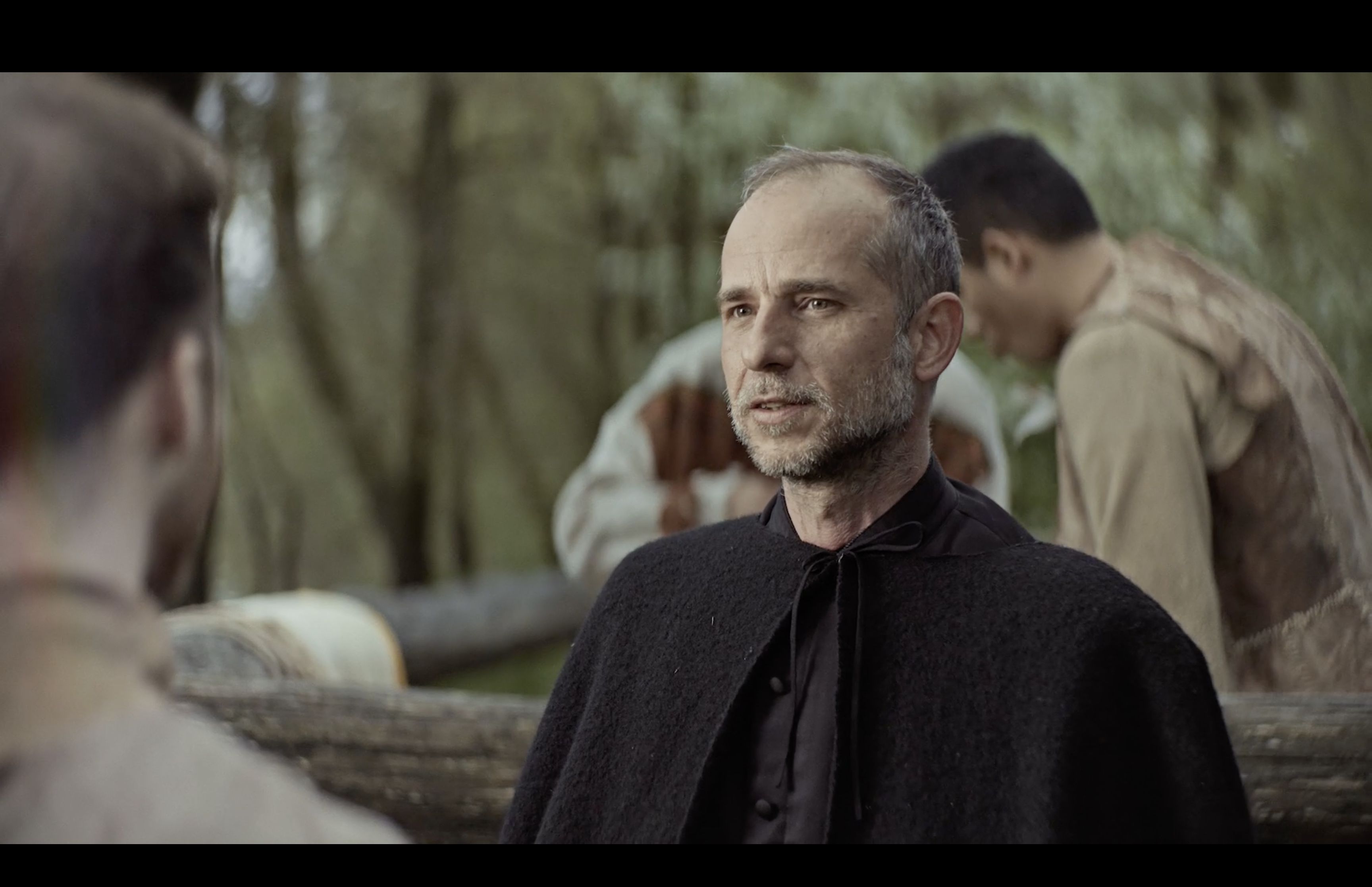
Scenes like this become all the more moving when shrine archivist Beth Lynch shares some details about the brutal forms of torture the tribe subjected their captives to, as well as why they were eventually martyred, who died first in 1642 (Goupil), on the feast of St. Michael; and what happened to his body. Also discover why some of the story unfolds and is dramatized at the important location called “The Ravine.”
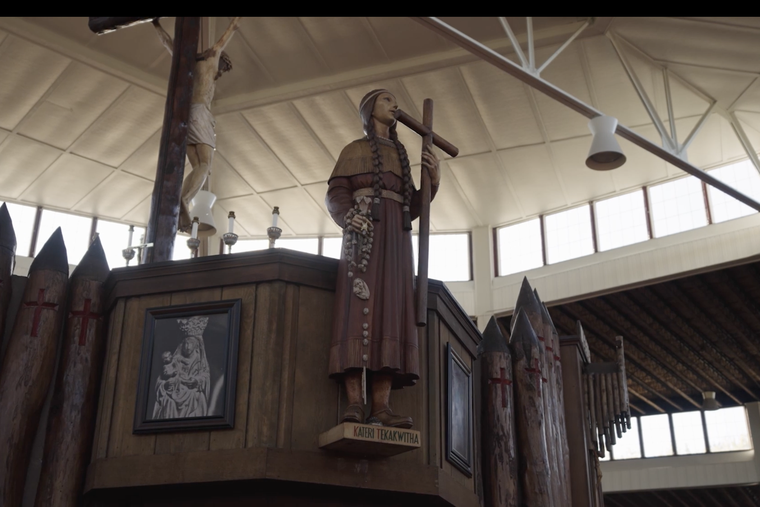
St. Kateri was born in the village in 1656, but viewers will find out the reasons why she had to move on. Her memory and holy witness remain here, commemorated in the large statue depicting her in the church built in 1931, for example. Viewers learn the church is named the Coliseum because it is round, built in the shape of the Coliseum (also spelled Colosseum) in Rome and that both this one and the Eternal City locale are sites of the Church’s early martyrs.
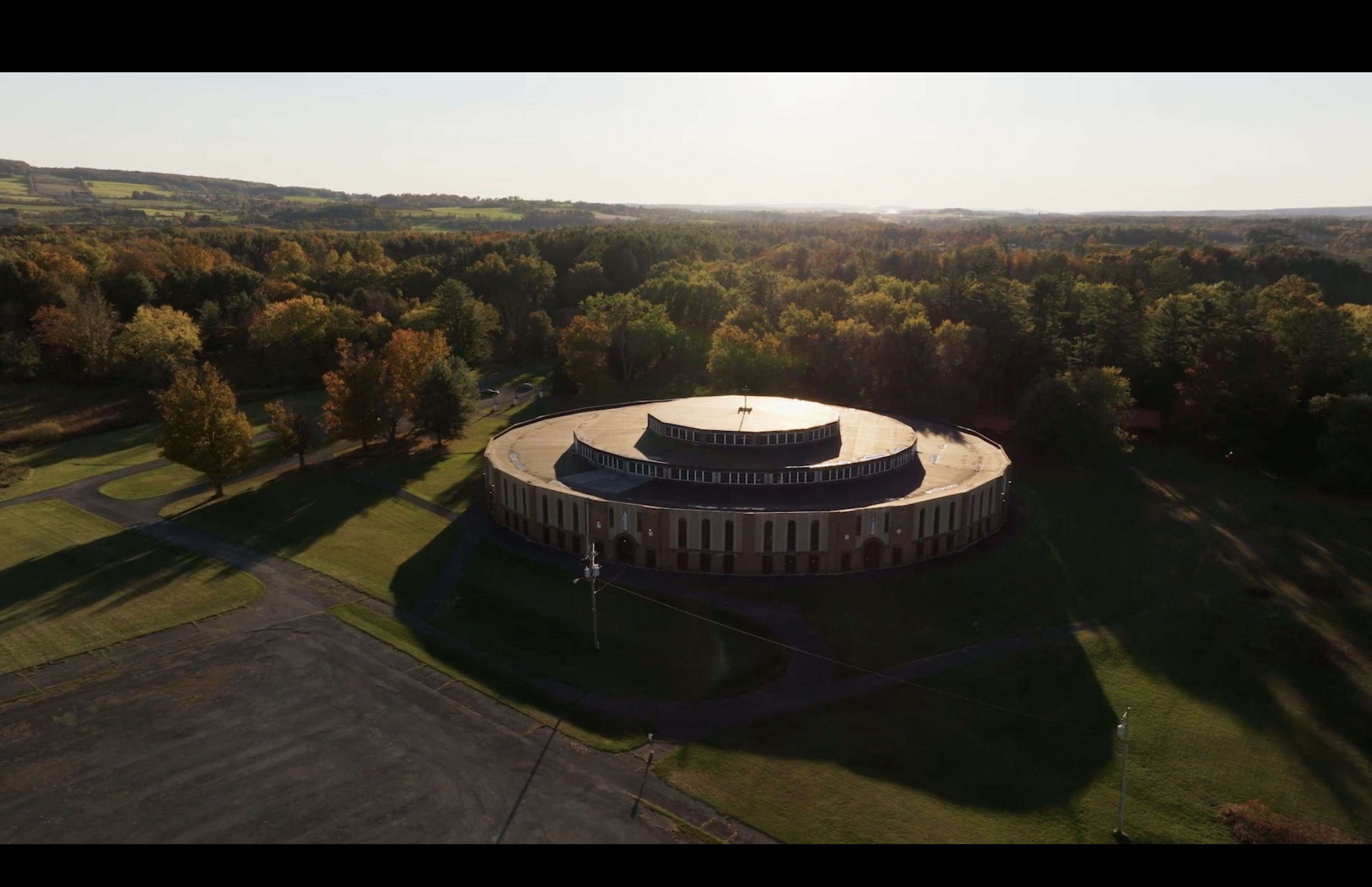
“Monumental” is an apt word for it because it seats 6,500 people, with standing room for an additional 3,500.
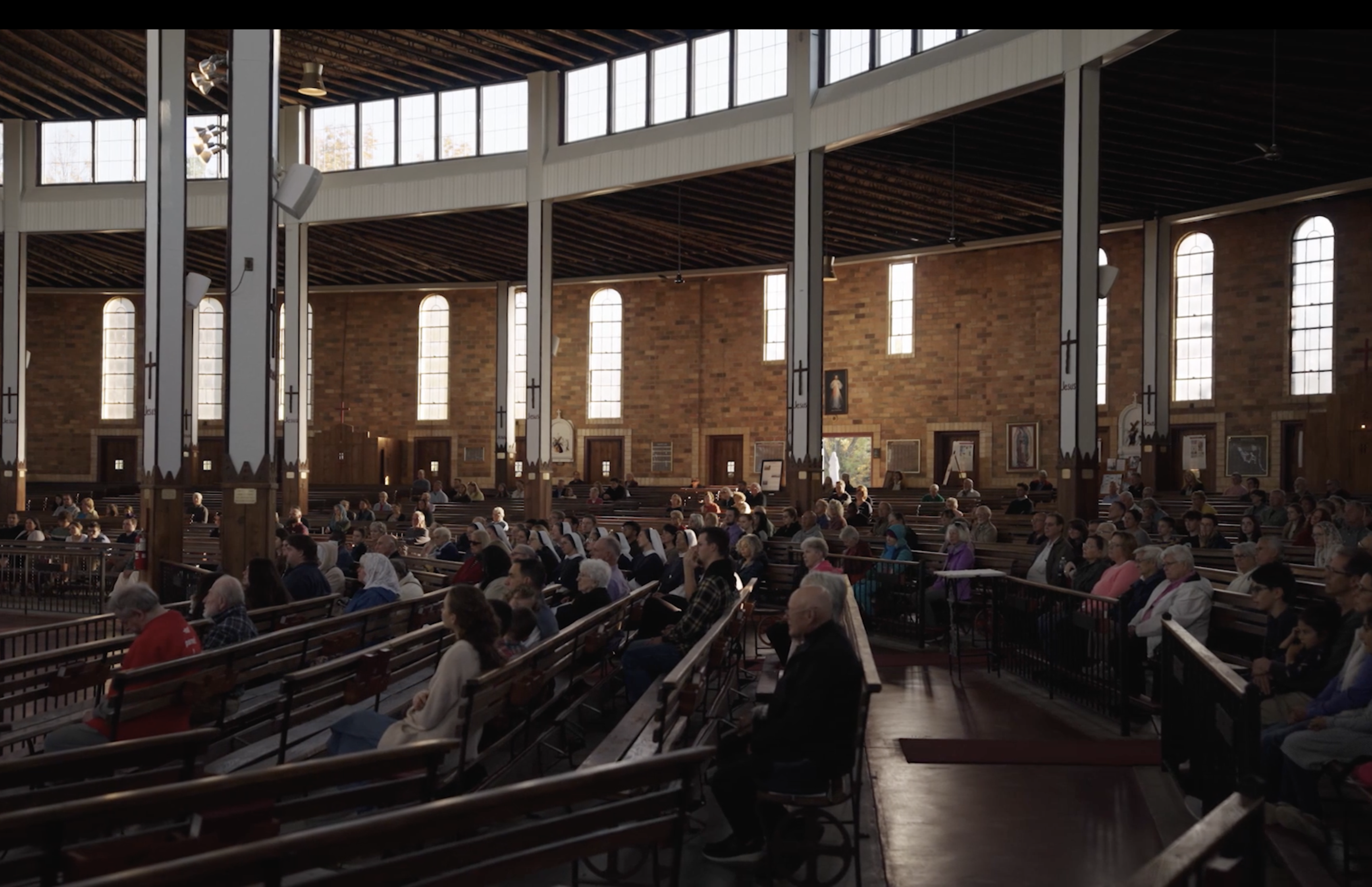
Hidden Gems takes viewers inside to see the unusual circular interior, naturally rustic to fit in with the atmosphere of the shrine. Religious symbols are plentiful, such as the Coliseum’s 72 doors that represent Jesus’ 72 disciples that he sent out to preach (Luke 10). The statues representing the eight North American martyrs (there were eight in all — five Jesuit priests on the Canadian side in Ontario) that Pope Pius XI canonized in 1930.
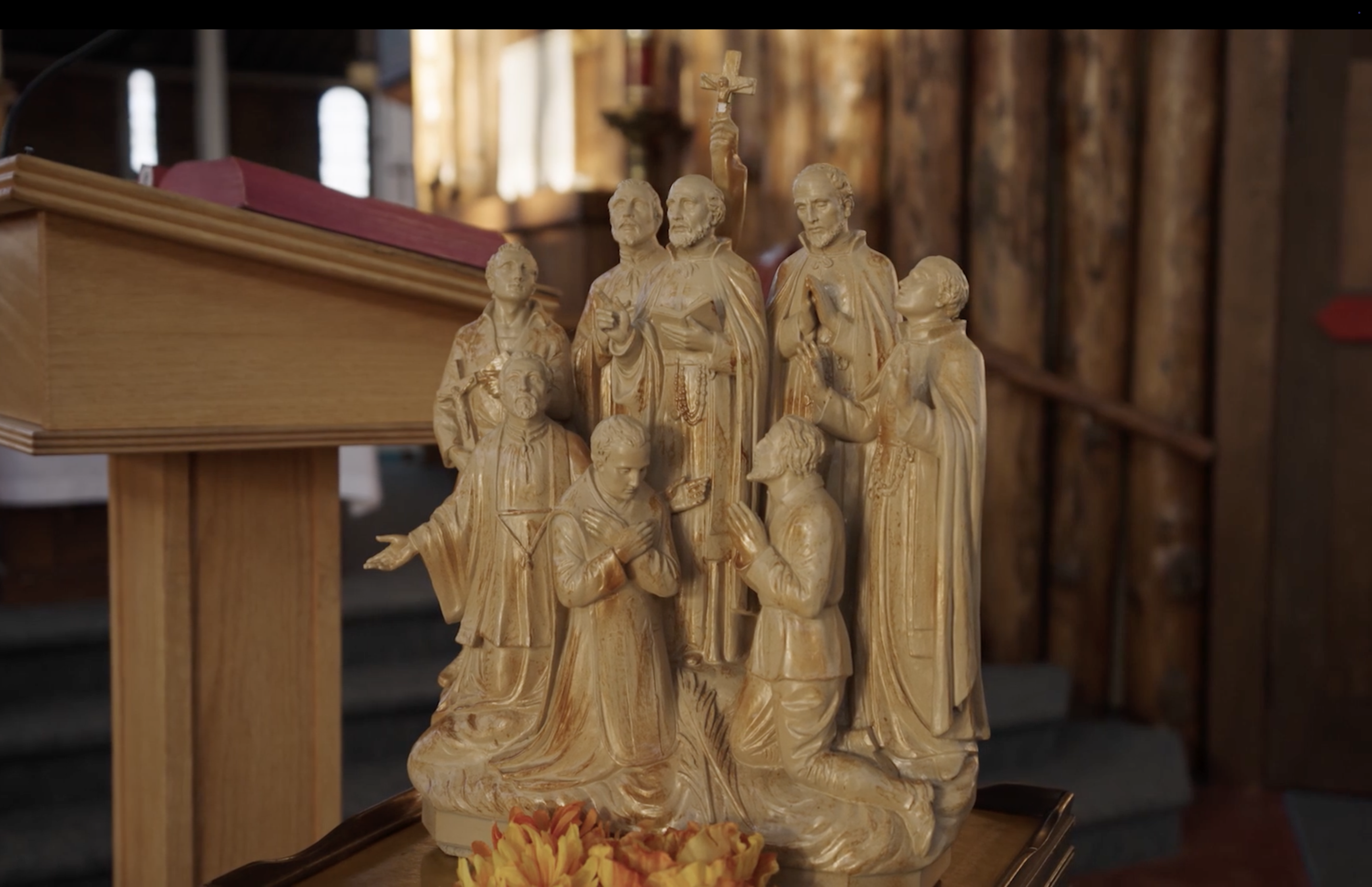
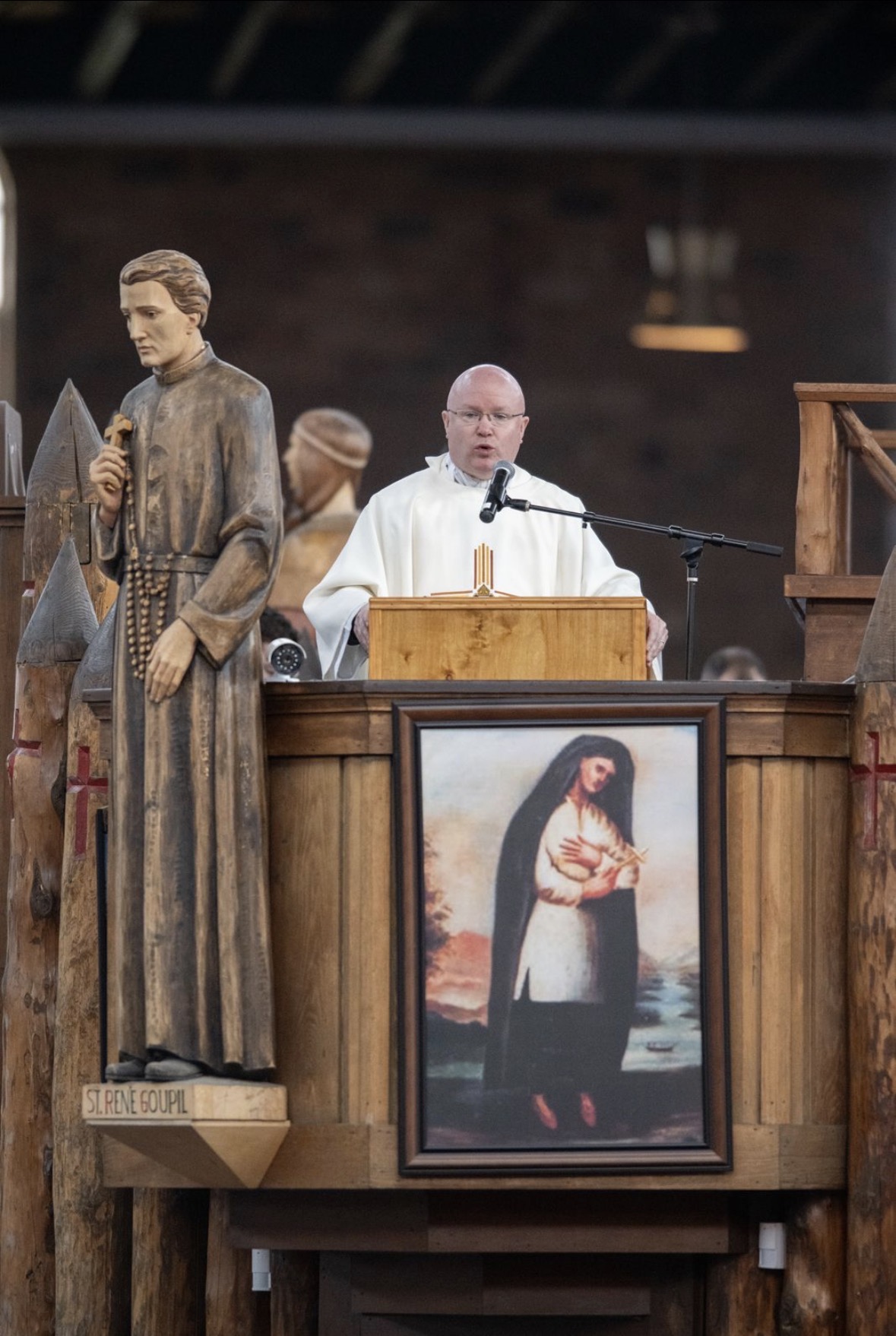
The altars — four of them — form a circle in the center of the Coliseum church, their reredos or backdrop built as wooden stockades to recall those of the Mohawk village. The four — each facing a different direction — represent the Four Evangelists and the four saints associated with this land (the three martyrs and St. Kateri). A beautiful wooden statue of each adores each rounded corner.
The episode also shows ways these saints are remembered through the architecture and art in the Coliseum.
Viewers also get some of the backstory on the development of the shrine. St. Isaac Jogues and the other martyrs were Jesuits. The order continued to have a presence in New York. Priests assigned to upstate locations eventually wanted to find out where their fellow Jesuits were martyred. The EWTN program brings to light some details of their search that eventually led to the discovery of this location.
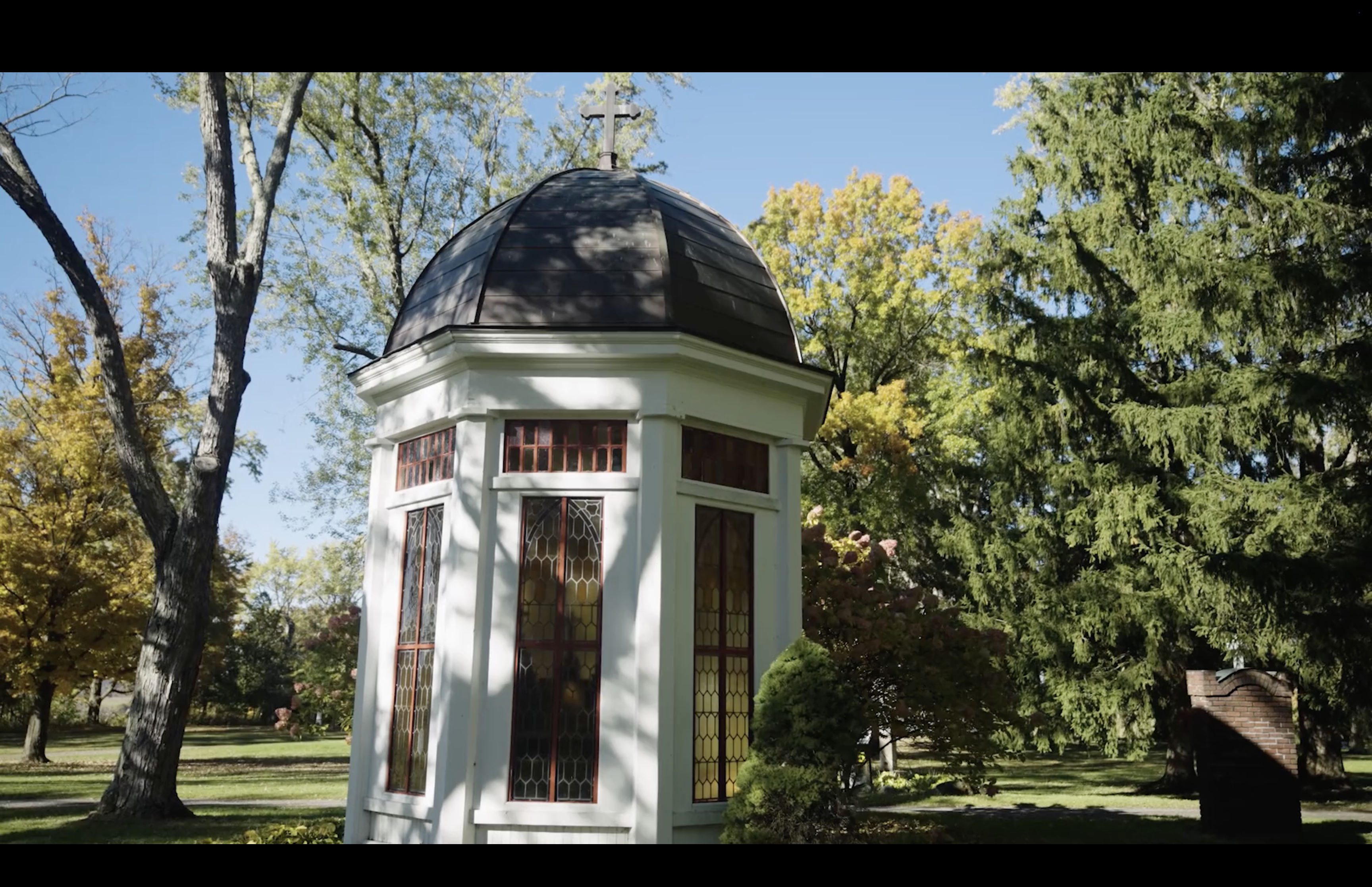
Once the site was discovered, the order was able to purchase 10 acres on which Ossernenon was located. The Jesuits built a small octagonal chapel, complete with a dome and big enough for an altar. The first Mass was said on the Solemnity of the Assumption in August 1885. Thousands of pilgrims attended, naturally outdoors because the chapel was so small. Visitors (and viewers) can still see the original little chapel. (Also of note, that year of 1885 also marked the debut of the shrine.)
Over the decades, the shrine kept expanding and growing to include 600 acres. Devotional sites were regularly added. Among them is Our Lady of the Martyrs Shrine, an outdoor chapel that holds 200 people. Various statues and stations, such as the Seven Sorrows of Our Lady, also found a home on the shrine’s grounds.
The intervening years saw many pilgrims arrive and be welcomed by the Jesuits, who continued to administer the shrine. But when the order began lacking vocations and priests were fewer, the Jesuits were unable to continue staffing and administering the shrine, despite doing so for 130 years. In 2015, Bishop (now emeritus) Edward Scharfenberger of Albany, together with some laypeople formed a not-for-profit exclusively to own, operate and continue the shrine, the Jesuits signed it over to them.
Today, the shrine is again growing under their leadership.
“When you come to the shrine, there’s just such holiness everywhere,” journalist and board member Kathryn Jean Lopez tells viewers in the episode.
“You’re walking in these footsteps of these saints. It’s rustic and it’s rural, and you can get a feel for what they were undergoing to bring the Gospel to this land,” shrine board member Willilam Baaki told the Register.
That is apparent in this Hidden Gems episode that itself becomes a mission to inspire viewers to make a visit to this hallowed ground.
WATCH ON EWTN
Hidden Gems: National Shrine of Our Lady of Martyrs airs on Tuesday, July 14. Check the time in your area via EWTN.com.