In the Footsteps of St. Paul: Discovering Malta’s 2,000 Years of Unbroken Catholic Tradition
One U.K. journalist recounts his visit to the island-nation with ties to the apostle, avoiding storms, shipwrecks and poisonous snakes.
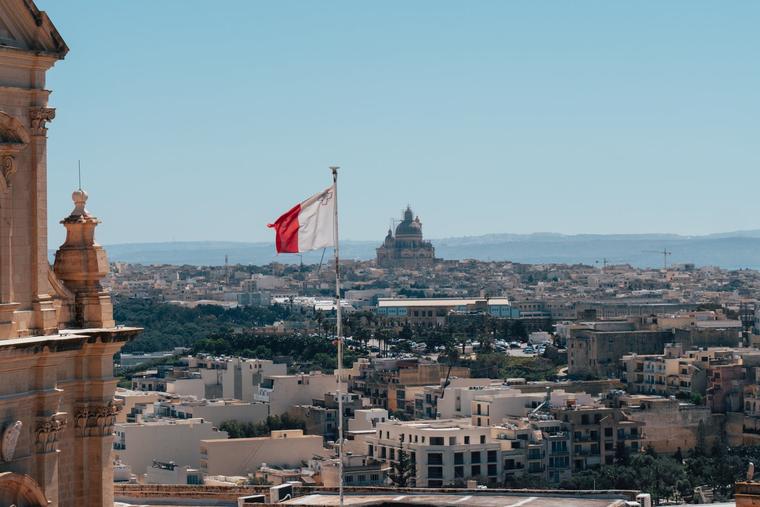
I didn’t arrive in a storm to touch down in Malta, but as we descended through the clouds, the jewel-like sea glistening below, I could think of worse places for St. Paul to have been shipwrecked. Acts of the Apostles 27 tells of how his crew, sailing from Crete to Rome in A.D. 60, had to seek refuge after encountering stormy weather. His three-month venture on the island would come to position Malta as a must-visit for tourists interested in how Christianity spread throughout Europe.
My original intention was to fly out to Malta with two friends, see a few sites and enjoy a few beers, taking a break from another wet week in the U.K., but Jean Pierre Fava from Visit Malta, the national official authority responsible for tourism, thought I’d be missing so much of what the trio of islands has to offer. He was keen to show me true Maltese flavor: historically, culturally and gastronomically. I was to be offered the same spirit of kindness as St. Paul in Acts 28: “The islanders showed us unusual kindness. They built a fire and welcomed us all because it was raining and cold.”
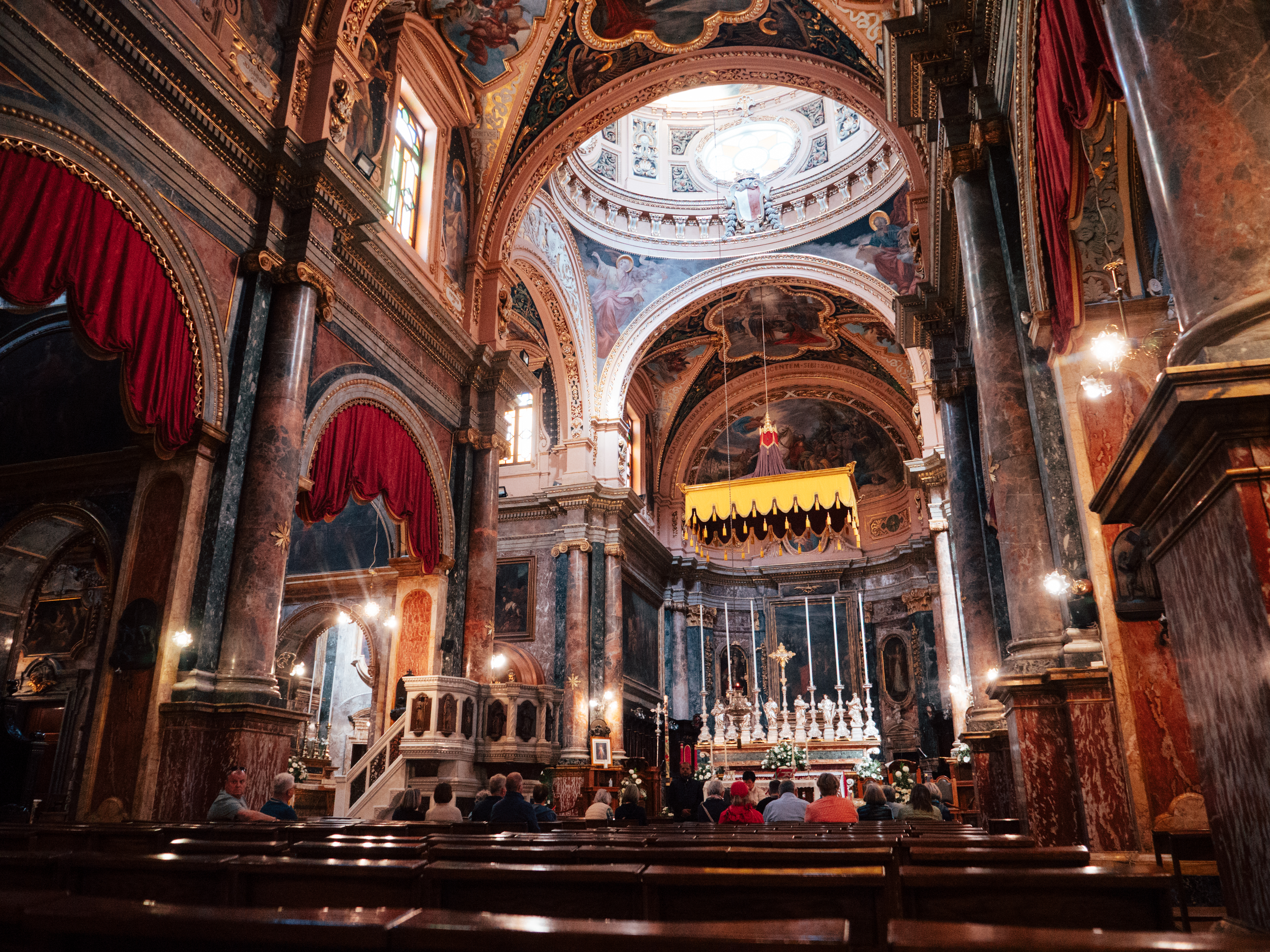
The locals (roughly half a million souls) often joke that they have enough churches for every day of the year (359 in total), an indication of deep-rooted Catholic faith. The Knights of St. John oversaw a huge building spree between 1530 and 1798. I had no plans to visit them all, but St. Paul’s Shipwreck Church was a good place to start. It is one of the oldest churches in Malta’s capital, Valletta, where light seeps in through a dome at the center and filters onto marble walls.
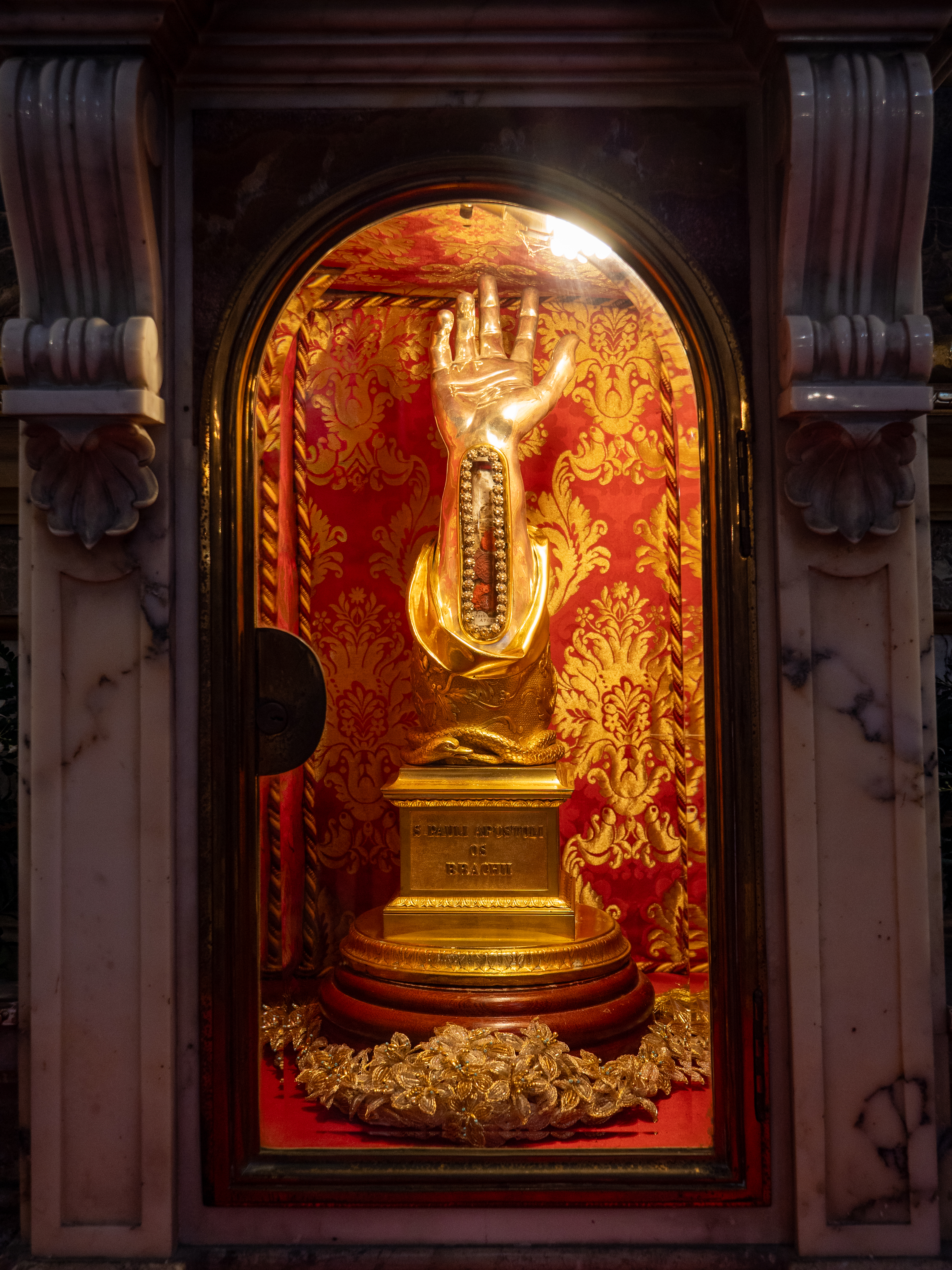
Canon David Cilia, the parish’s archpriest, shows me a relic of St. Paul’s wrist bone and one of the four marble pillars from the table on which the apostle was beheaded. “It came from Rome, as a gift from Pope Pius VII in 1818,” he tells me. History is found in every corner here.
Acts 28 recalls how St. Paul was attacked by a snake but suffered no ill effects, convincing the then-pagan locals that he was a god. Anna Grech Sant is a veteran tour guide who knows all the taxi drivers by their first names and has encyclopedic knowledge of local history. She explains the island has been controlled by practically everyone (Mesolithic hunter-gatherers, Phoenicians, Carthaginians, Romans, Arabs, Normans, the French, Brits and the Maltese themselves), and influences from these groups are still on show today; a red telephone box signifies the British colonization of the island from 1813 until 1964.
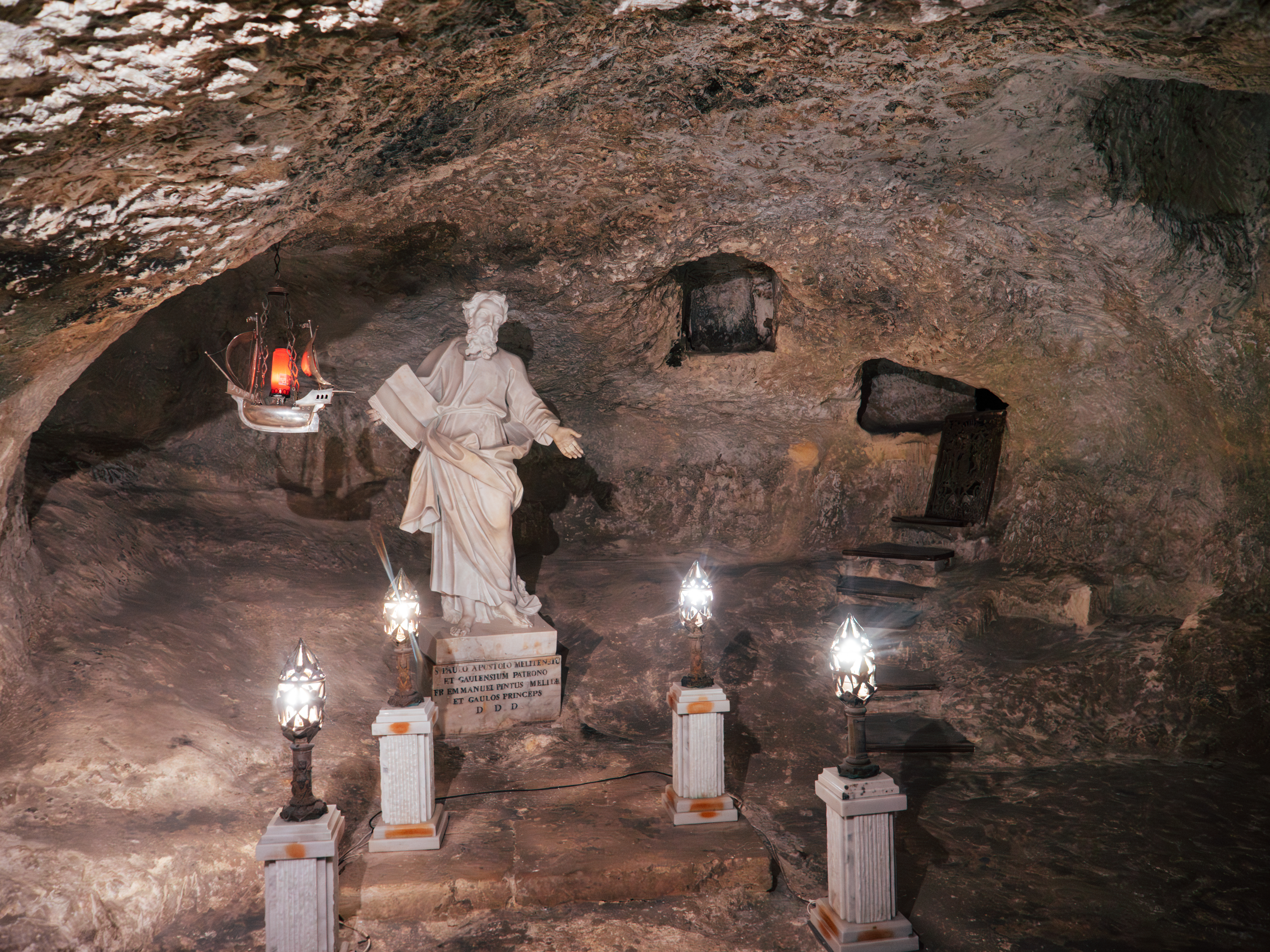
St. Paul spent three months in Rabat, in the western region of the island, living in a grotto while preparing for his trial in Rome. Arrested after disputes with local authorities in Jerusalem, he was traveling to Rome to appeal directly to Caesar. During this time, he used the cave as a shelter, a place to pray, and a hub for preaching to the local inhabitants who had a pagan background. “This is the place visited by the three popes,” local historian Joseph Scerri tells me. “First, John Paul II [in 1990 and 2001], then Pope Benedict in 2010 and Pope Francis in 2022.” Unlocking the gate to the grotto, he explains that “each parish in Malta provides enough candles to keep the lantern lit up for one year. ... This has been going on since 1960.”
Since joining the European Union (EU) in 2004, Malta has benefited from financial support for the preservation of architecture and areas of outstanding natural beauty, which are both plentiful. The island has the most significant Christian catacombs outside of Rome, and they provide a welcome refuge from the midday sun.
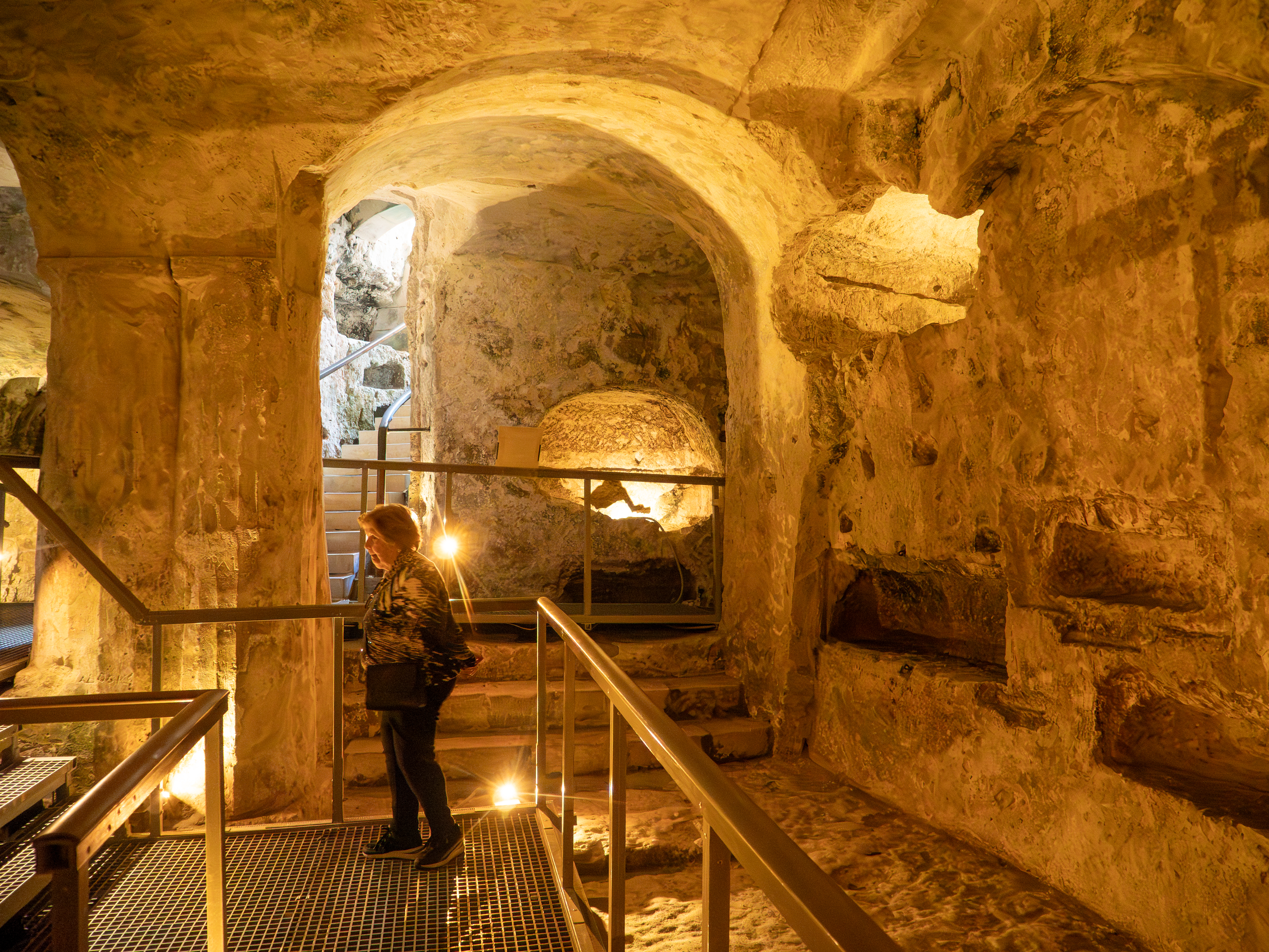
The island’s food consists of a flavorful blend of Mediterranean, Italian and North African influences. Their rabbit stew is a notable favorite, while ftira, a type of leavened bread, is typically eaten with fillings such as sardines, tuna, potato, fresh tomato, onion, capers and olives. The queue extends out the door at Crystal Palace Bar, which has long been considered a local favorite for a quick pastizzi (Maltese savory pastries) fix in Rabat. From the outside it seems like any ordinary café; you wouldn’t guess it’s hosted the prime ministers of Malta, Belgium, Luxembourg and Slovenia.
Sant and I enjoy a pastizzi — filled with ricotta or curried peas — and a Kinnie, the Maltese go-to soft drink brewed from bitter oranges. As I chat with the locals standing in line, they tell me how the younger generation are becoming more secular, with many wanting to travel and work in other EU countries.
Malta has undergone rapid social change in recent years. Divorce was only introduced in 2011, and same-sex marriage became legal in 2017, with the country now ranking among the most progressive in the world for LGBTQ rights. Yet abortion remains illegal in most cases, a reminder that even in a rapidly modernizing society, the influence of Catholicism is still embedded in the country’s politics and culture. Each Easter Sunday, cannons are fired, church bells ring out, and flowers decorate altars. Men sprint with life-size statues depicting the Risen Christ down narrow streets, while crowds run alongside cheering them on.
According to the Acts of the Apostles, the governor of the island, Publius, welcomed St. Paul into his home. Some 2,000 years later, the ruins of the building still exist, and I’m given exclusive access. “Archaeological examinations have found two tombs under the house that date back to 2800 B.C.,” Tonio Cauchi from Heritage Malta tells me as he leaves me to explore further, taking my time to inhale years of history. From today’s perspective it is neither lavish nor grand but is the very building in which St. Paul healed Publius’ father from fever. Paul would go on to heal many sick people on the island, and, today, many Maltese Christians have maintained their belief in miraculous cures.
The next day sees a ferry journey across to Gozo, Malta’s quieter cousin. The Ta’ Pinu Sanctuary’s sand-colored Maltese stone stands as a stark contrast to the backdrop of a beautifully blue Mediterranean Sea.
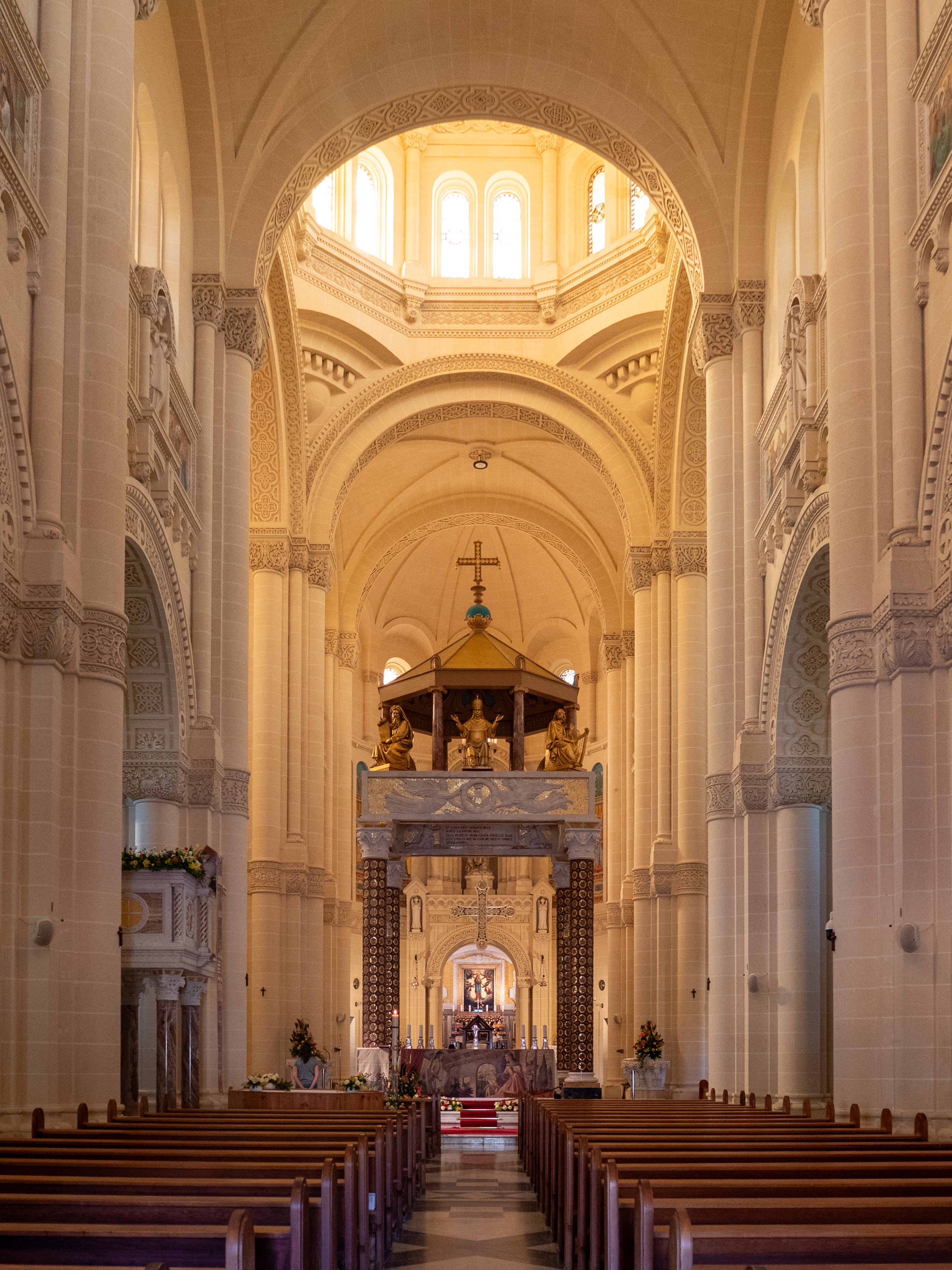
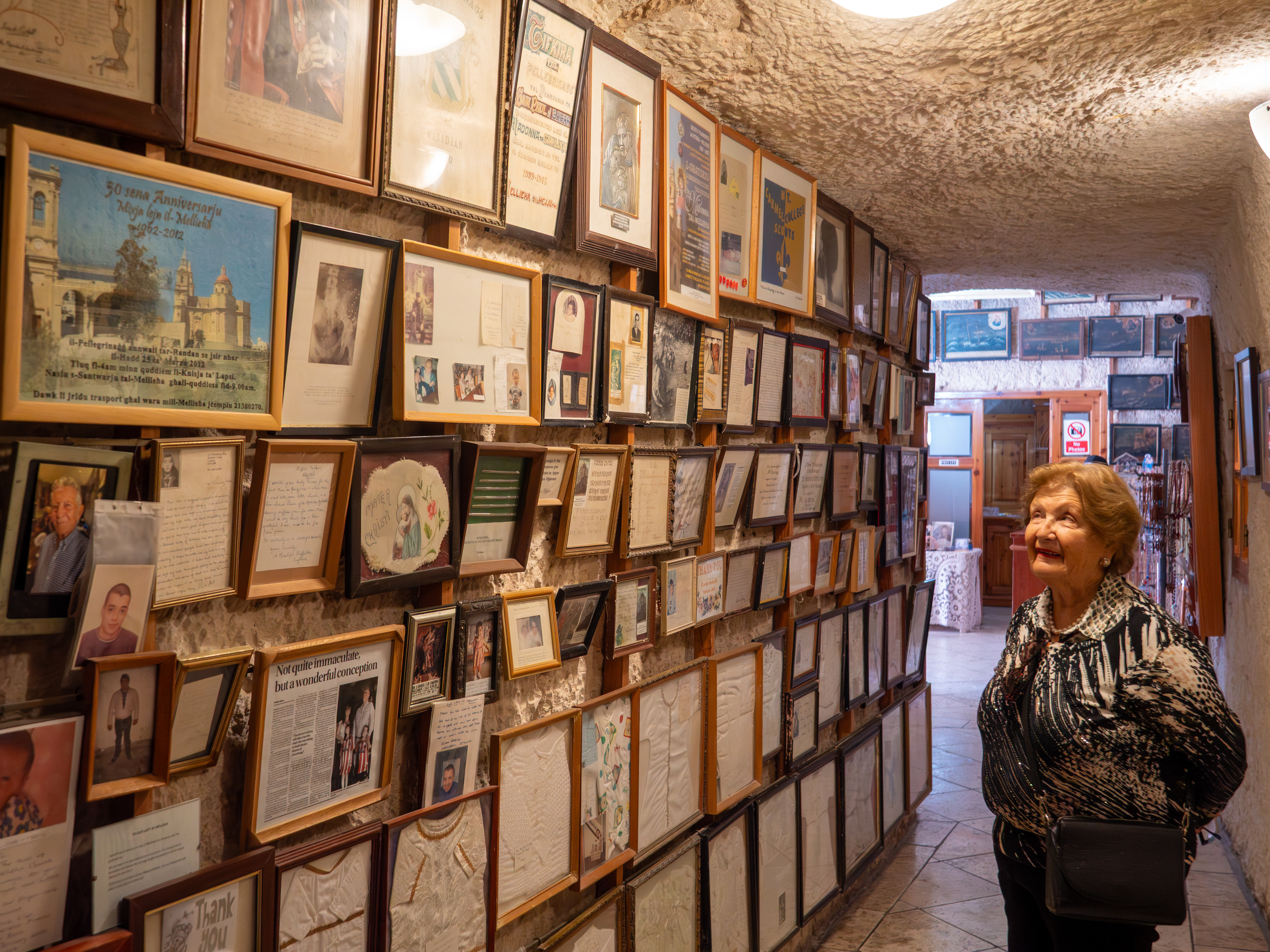
In 1883 it’s believed a woman heard the voice of Our Lady at a far smaller chapel that then occupied the site. Like many places on the island, it rapidly became a center of pilgrimage, with the last three popes having paid a visit. Now, the walls in the sanctuary of the church are plastered with picture frames of children, baby clothes and prayers, attesting to those souls who believe they’ve experienced miracles.
The Sanctuary of Our Lady of Mellieha, the oldest Marian shrine in Malta, shares a similar story, where Sant pointed out to me a picture of a bus crash in which all the passengers had mercifully made it out safely.
Again on the mainland, the Rotunda of Mosta cathedral has its own miraculous story to tell. Boasting the third-largest unsupported dome in the world, the beauty of Malta’s largest church can even compete with St. Paul’s Outside the Walls in Rome.
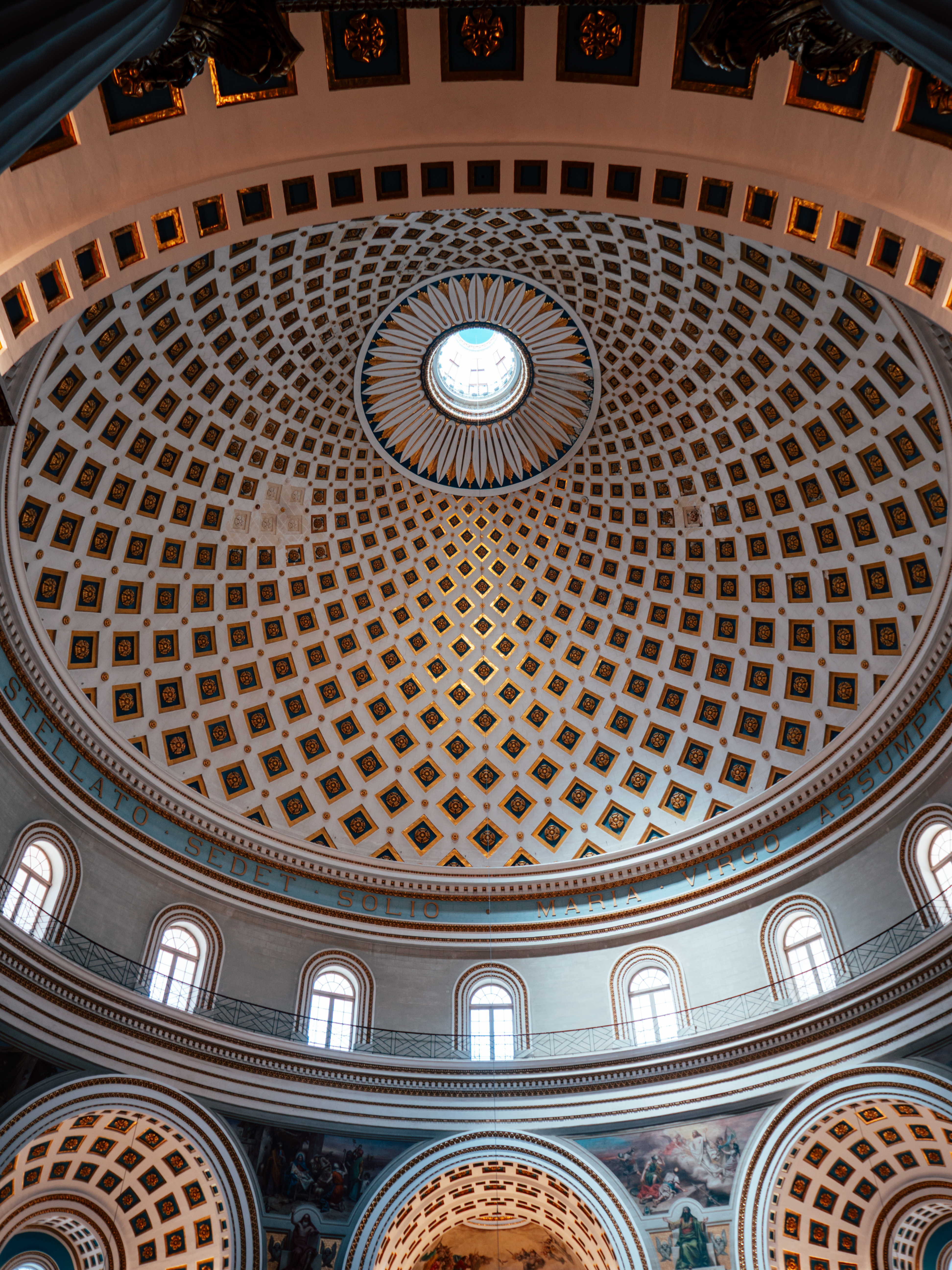
“The greatest event that happened [for the church] was on the 9th of April 1942,” Pauline Cassar, historian at the Mosta Dome, tells me. During World War II, the island became the most heavily bombed place on Earth. “There was an air-raid warning, but 200 people remained here in the church. A bomb fell in the front of the church. It hit the belfry, but it didn’t explode. Another one fell in the sacristy in front of the altar of St. Philomena, but it didn’t explode. And the biggest one came through the dome … but it did not explode,” she recounted. Many believe this is due to miraculous intervention, a continuous theme for the archipelago.
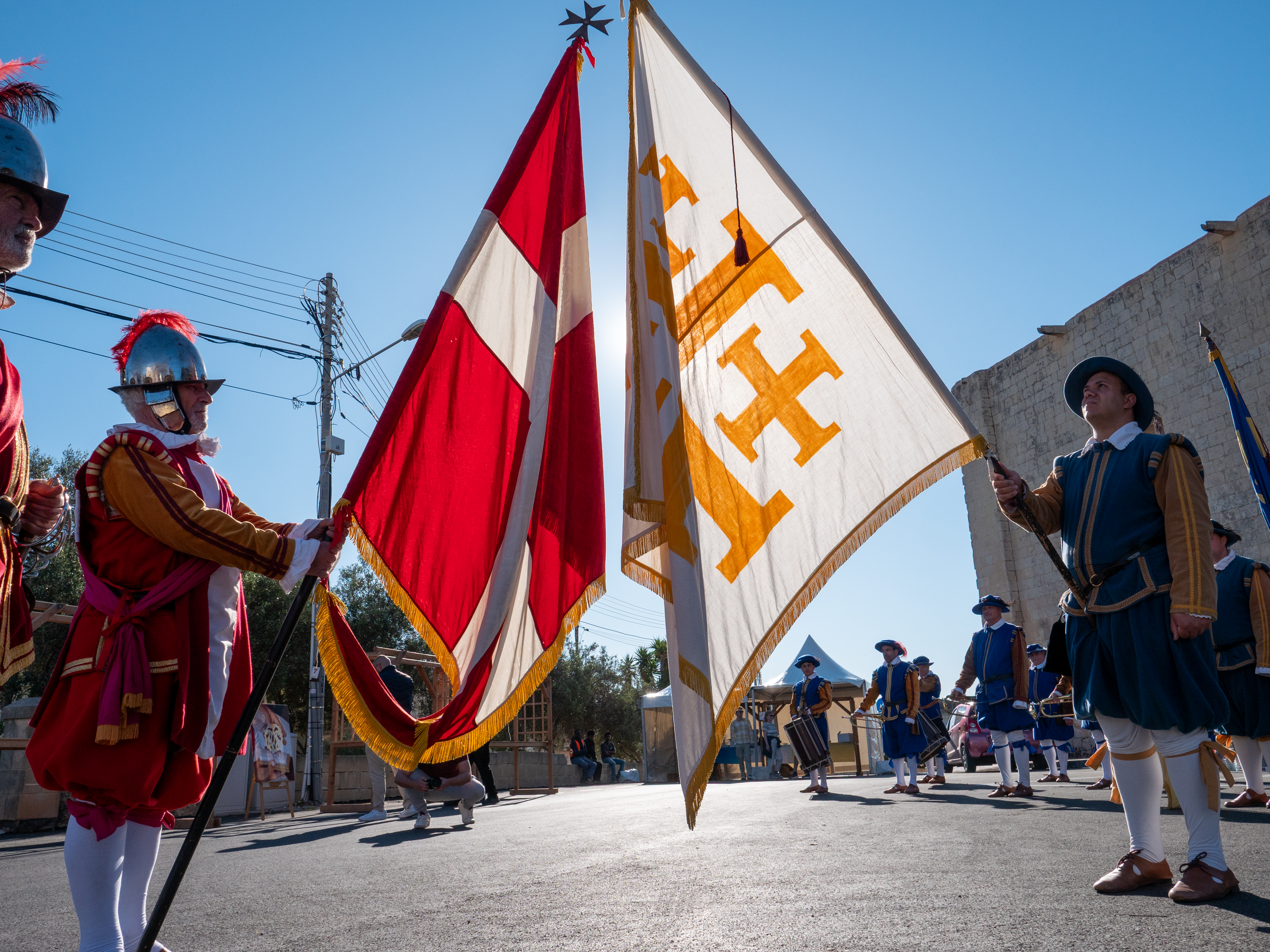
After St. Paul left Malta, he had firmly set the wheels in motion for Christianity to flourish. From the 15th century through to the late 18th century, the Knights of Malta, side by side with the Maltese, ran the country after fighting off the Ottomans over four months during what became known as the Great Siege. Over the following years the power of the Knights declined. Napoleon Bonaparte arrived in 1798, and the French controlled the country until 1800, when the Maltese revolted and won against Napoleon’s forces, aided by the British, who then governed the country. In 1964 Malta gained independence.
Malta doesn’t need help advertising its stunning scenery, overwhelming hospitality and rich history. Managing tourism is a primary concern, but for those who are looking for an enriching break, it offers a thought-provoking and convivial backdrop into the early years of Christianity — in the footsteps of St. Paul.
This story was updated after posting.
- Keywords:
- st. paul
- malta
- catholic history