Consecrated Women in Rome Heal With St. Hildegard
The community prepares meals for retreats, cooking the same foods they themselves consume, following closely to the principles of the doctor of the Church as they offer hospitality to souls.

ROME — Imparting joy — that’s the purpose of a Rome community’s ministry of hospitality and spiritual and physical healing as taught by St. Hildegard of Bingen.
“Welcoming others in the spirit of St. Hildegard is all about simplicity, because she is the saint of joy,” said Simona Ferrara, who runs a retreat center and guesthouse near Rome’s central train station along with two other women, in an interview with EWTN News.
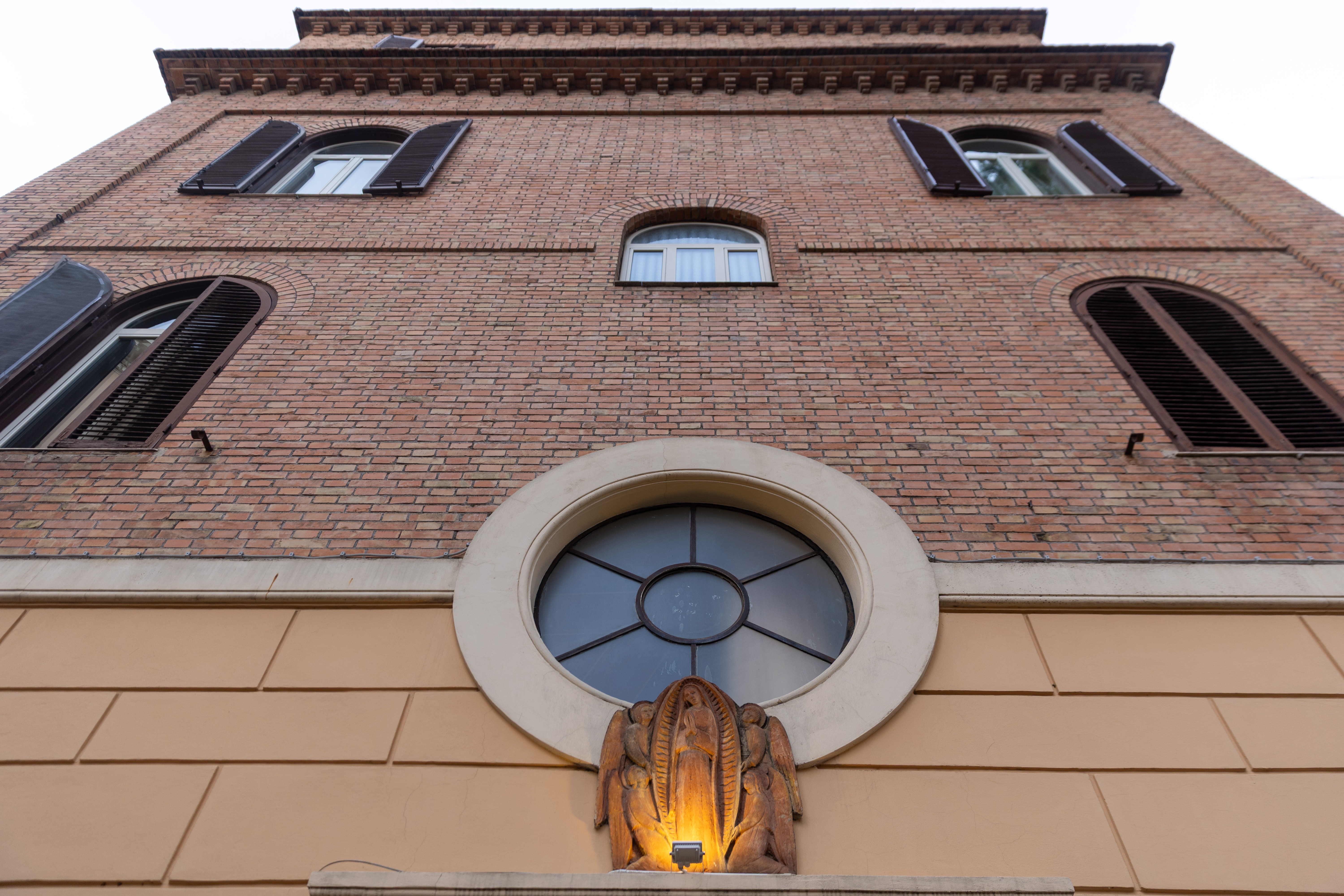
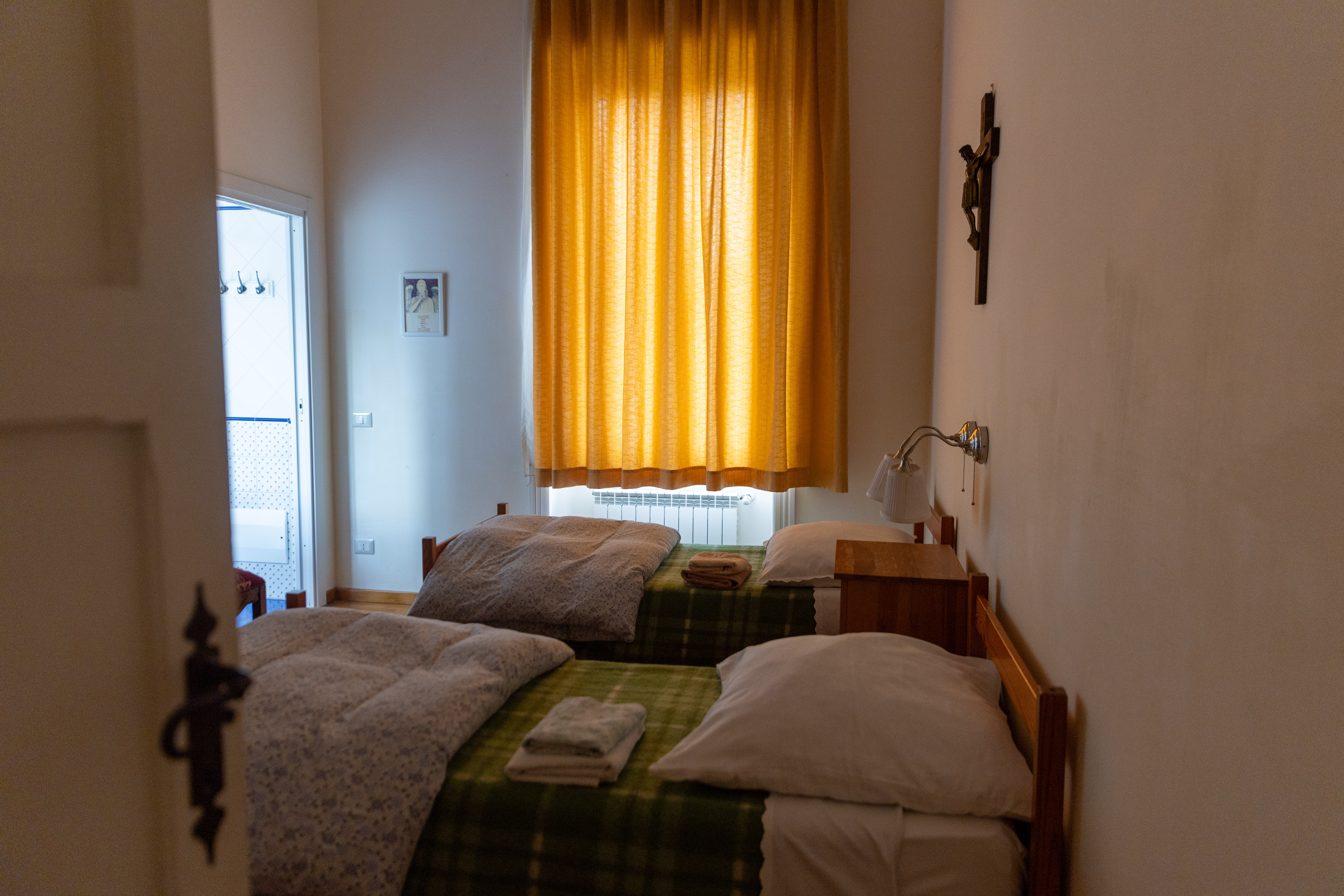
At Casa Santa Maria degli Angeli, sisters Simona and Fabiana Ferrara, along with Katerina Welz, host pilgrims, retreatants and family members of patients at nearby Umberto I Hospital.
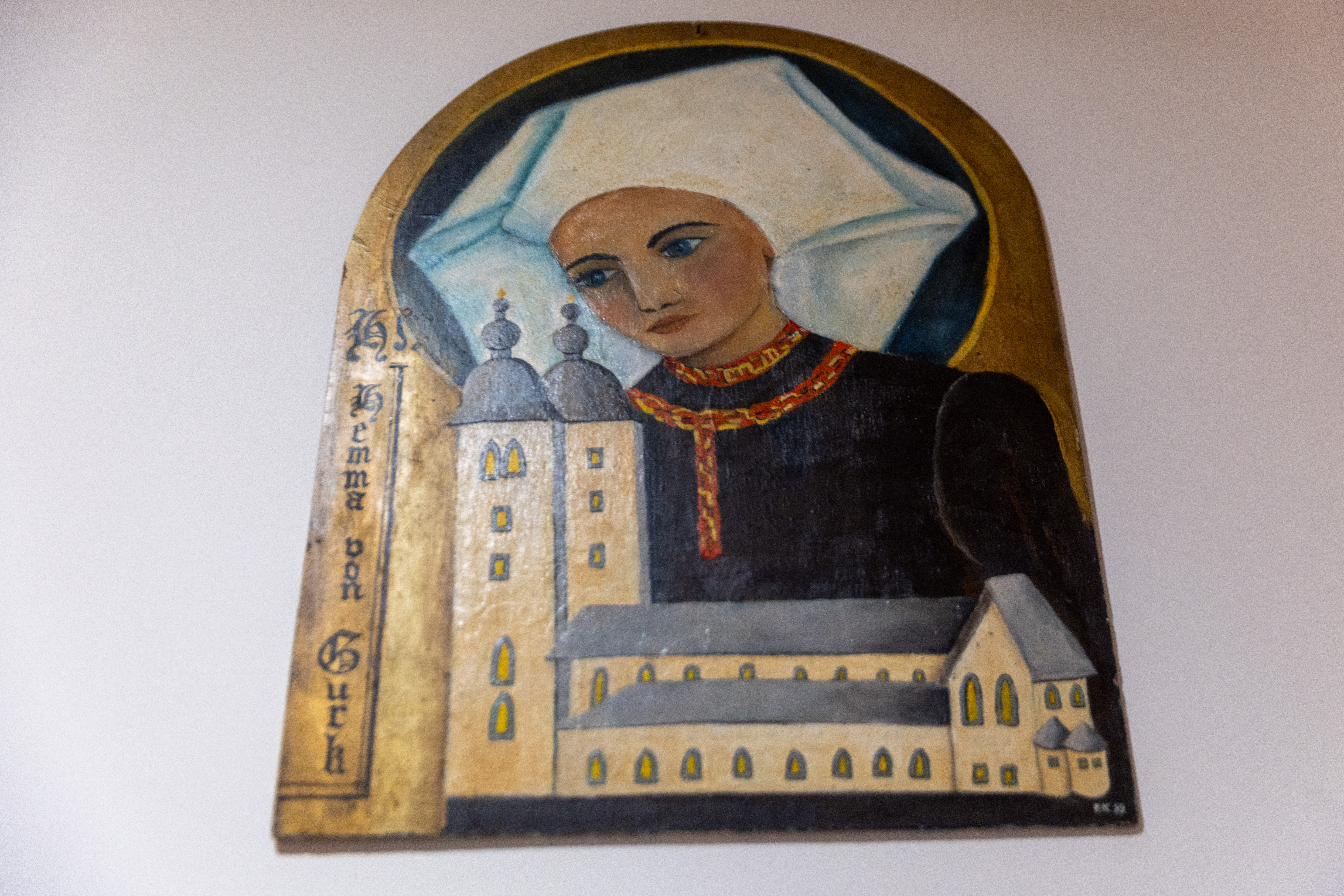
For more than 10 years, these women — who are consecrated in the Church association Opus Sanctorum Angelorum (“Work of the Holy Angels”) — have taken inspiration from St. Hildegard von Bingen, a German Benedictine abbess of the High Middle Ages and, as of 2012, a doctor of the Church.
“She helps us, together with the holy angels, to better understand the invisible,” Simona Ferrara told EWTN News.
Hildegard’s Medicine
Drawing inspiration from St. Hildegard’s writings on nutrition, part of the community’s approach to hospitality centers around food.
St. Hildegard (circa 1098-1179) was a pioneer of medicine, said Daniela Palamenghi, a friend of the community and former pharmacist, in an interview with EWTN News. She had revelations from God about food and proposed food as a natural remedy for a wide variety of ailments, from stomach pain to toothache to flu.
For the saint — who was also a mystic, visionary, philosopher, musical composer and theological writer — the health of the body and the health of the soul go hand in hand.
Hildegard taught that the “body feels complete and healthy only when the soul is healthy. And the soul is healthy when this body is not ... enslaved by vices,” Father Joachim Welz explained to EWTN News. Father Welz is a priest of the Canons Regular of the Holy Cross, the religious order that oversees the Opus Sanctorum Angelorum.
“The foundation starts not only with nutrition but also with the inner peace that we must learn to achieve,” Fabiana Ferrara, the retreat center’s director, told EWTN News.
That is why an important part of the ministry at Casa Santa Maria degli Angeli is small-group retreats — of no more than 12 people — organized around Mass, adoration, spiritual talks and meals in common.
Eating together, the women say, is very important at a time when people struggle to have authentic communion with others.
The consecrated women prepare the meals for retreats, cooking the same foods they themselves consume, following closely to the principles of St. Hildegard.
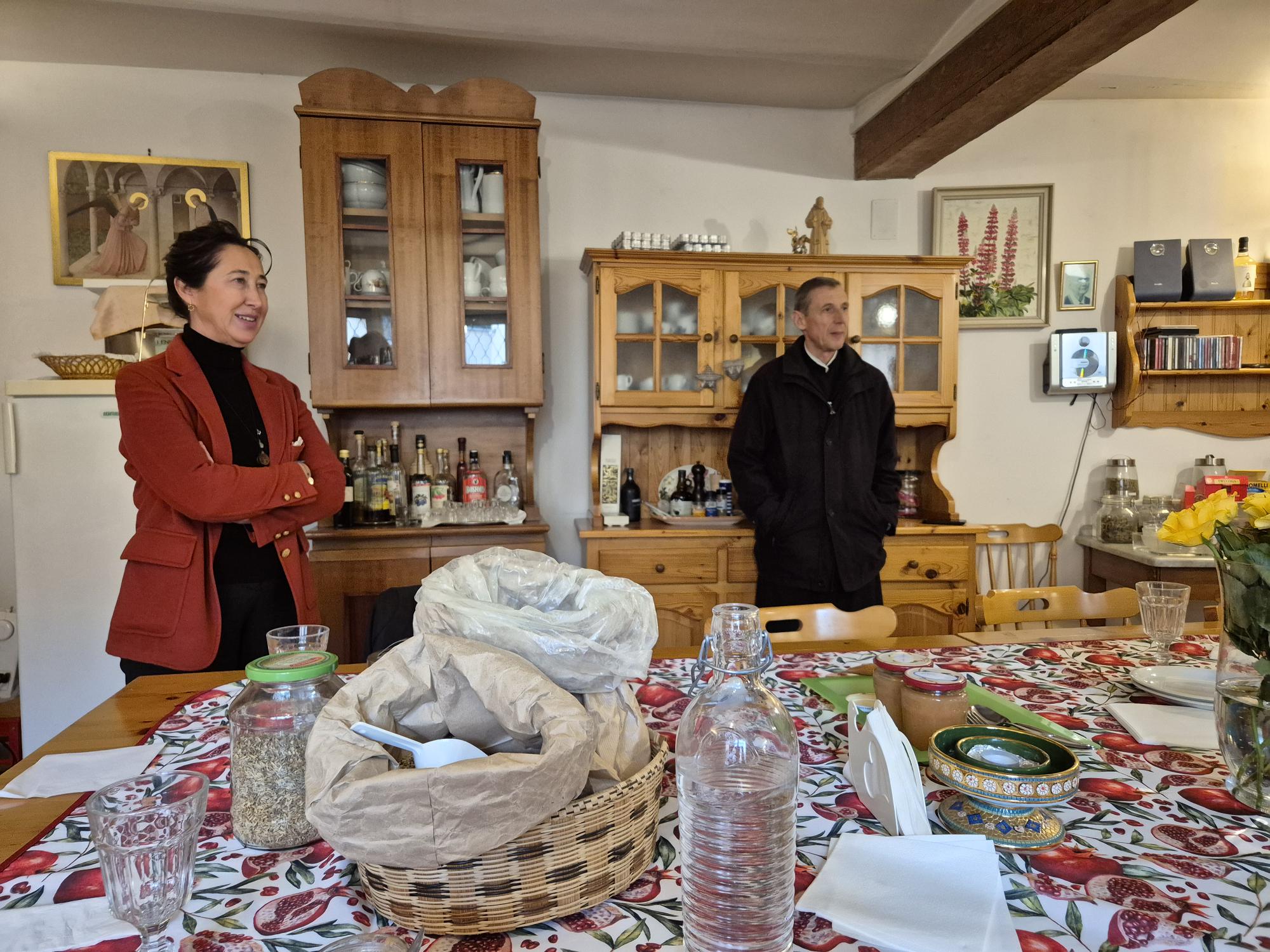
They cite unprocessed spelt, fresh fennel, chestnuts and quince jam as pillars of Hildegard’s recommendations for a healthy diet. A commonly used remedy in the saint’s medicine is galangal, an aromatic root from the ginger family taken for blood circulation, fatigue, headache and pre-menstrual symptoms.
A mixture of ground galangal, curcumin (the active ingredient in turmeric) and ginger helps the immune system, and the herb Roman pellitory (or Spanish chamomile) is “full of vitamin B12, a natural anti-viral and anti-bacterial” and good for stress and cognitive function, Palamenghi explained to EWTN News.
Body and Soul
One of the common ailments Hildegard wrote about was melancholy (a sadness and spiritual void linked to “black bile,” a spleen-related disease in ancient medicine). According to the women of the Casa Santa Maria degli Santi Angeli, the world needs the doctor of the Church’s teaching on melancholy — which today could be described as stress and depression — more than ever.
“Now, above all on a mental, and therefore spiritual, level, there is a malaise that leads people to go on diets and do extreme things, but they don’t address the cause,” Simona Ferrara said. St. Hildegard, instead, “accompanies you on this journey in a very gentle but useful way and leads to healing, God willing.”
The women emphasized that healing the body cannot take place in isolation from a spiritual journey requiring personal conversion.
Helping People as Consecrated Women
Before they took vows of poverty, chastity and obedience, Fabiana Ferrara was a lawyer and her sister Simona worked in medicine. Katerina Welz, Father Welz’s sister, moved to Rome from Germany a few years ago.
“We are not nuns, so we do not have the clear symbol represented by a habit, a veil or a cross. We are laypeople consecrated in the world and hidden,” Fabiana Ferrara said. “We have chosen not to pursue a worldly career, but a heavenly one.”
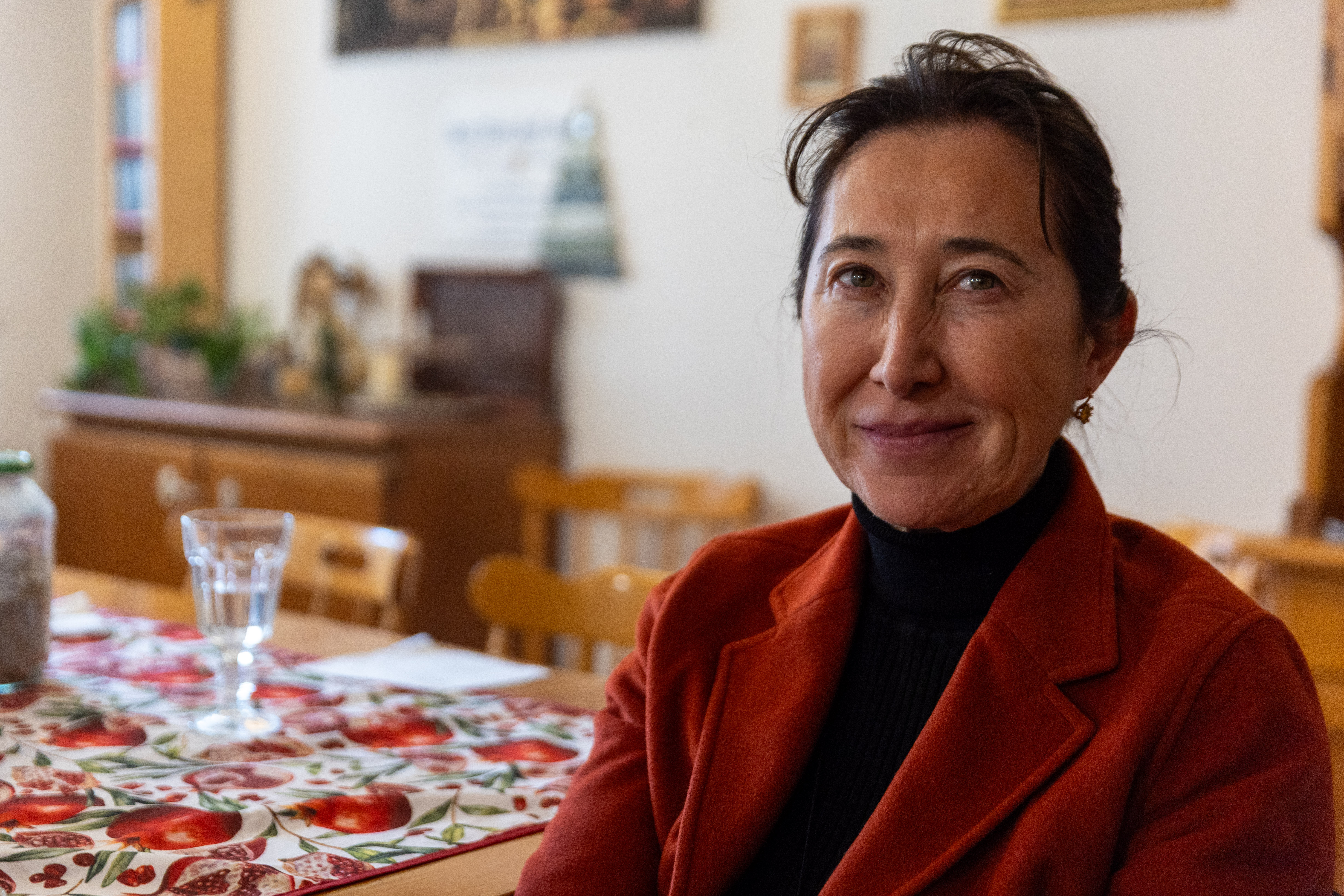
When someone approaches their community for healing, the first thing they do is listen, the women said. “You need to know their story and take an interest in it, so not just hear them, but really listen to them with your heart,” Fabiana Ferrara explained.
They said it isn’t always about finding a physical cure for what ails someone. They propose people who are hurting return to the sacraments of the Church and unravel any tangles that might be present in their relationships and life — for this, the community takes inspiration from an icon of Our Lady, Undoer of Knots hanging at the center of their chapel.
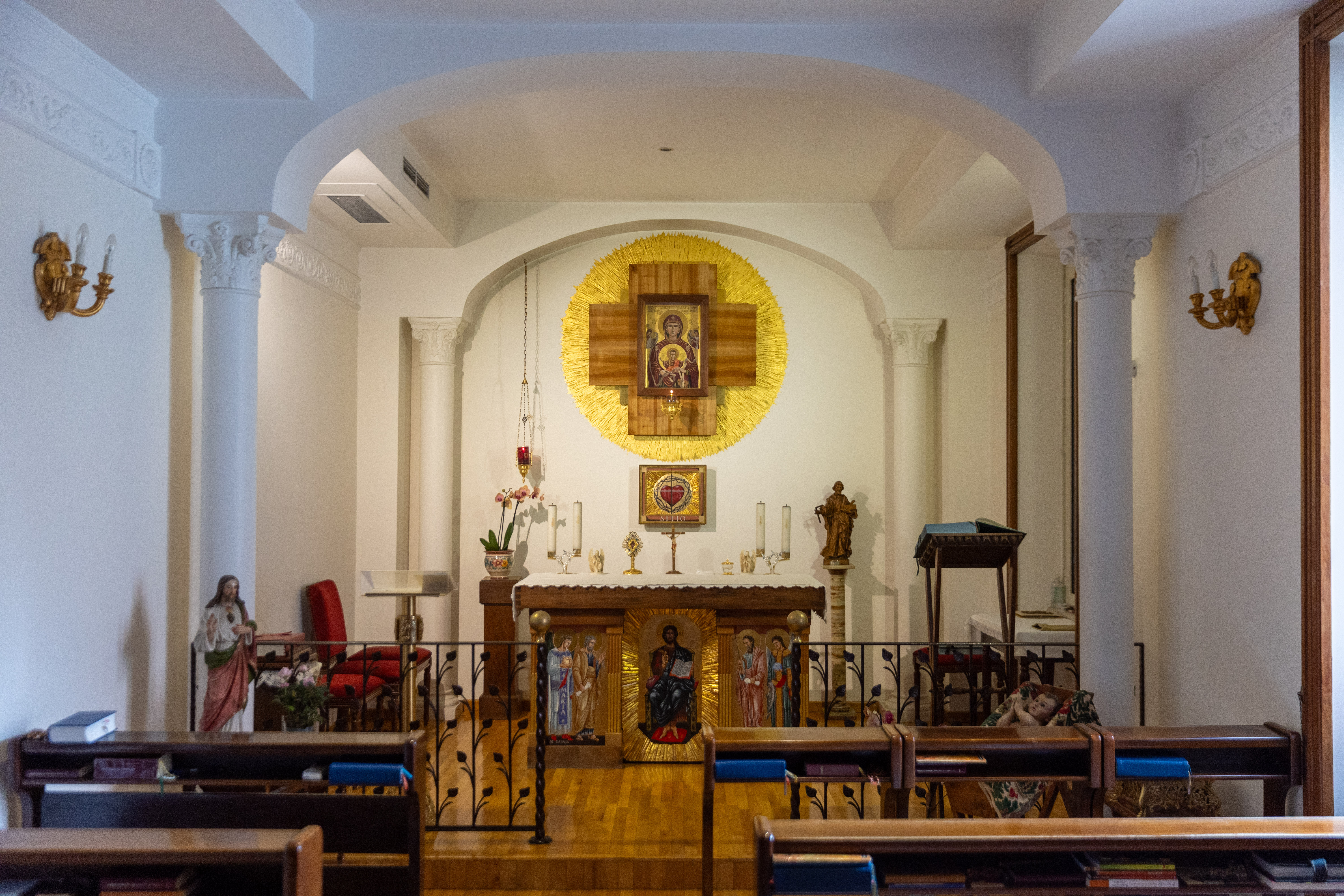
“Going to confession, rebuilding the family when there are arguments ... also really understanding yourself, what happened that you drifted so far away” are important steps, Welz said. “And even if the illness doesn’t go away — because God decides this — they are much more peaceful.”
Saint vs. the Occult
St. Hildegard’s approach to health has also been co-opted by New Age elements.
“Creation is not only made up of creatures, animals and plants, but also minerals,” Fabiana Ferrara said, pointing to Hildegard’s writings. Her medicine includes using the healing properties of precious and non-precious stones, such as rock crystal, chalcedony and sapphire, to cure diseases.
But people involved in occult practices have “borrowed heavily” from the Benedictine abbess’ use of the healing properties of stones, Fabiana Ferrara said.
“Above all, St. Hildegard, doctor of the Church, is important as a response from the Church against esotericism,” Father Welz said.
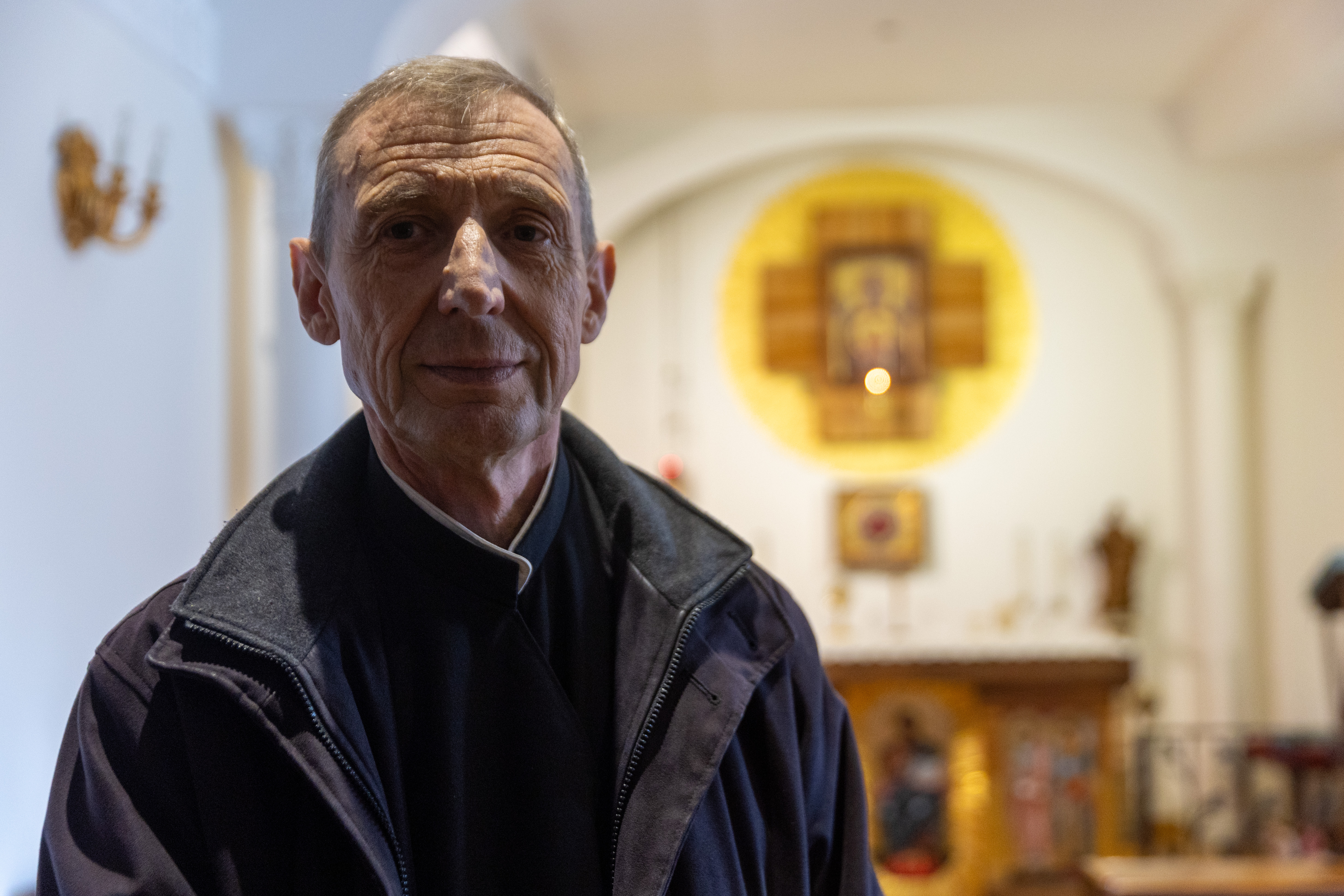
Understanding the difference between authentic belief and esoteric belief, the priest noted, is straightforward “because esotericism talks about stones … about rituals, but never talks about God. … But for St. Hildegard, everything is related to God.”
‘Strength to Help God’
Fabiana Ferrara also criticized those who use St. Hildegard as a marketing tool in for-profit businesses. The saint’s medicine is for the poor, she said, because it doesn’t require turning to conventional health care, though “both things must and can go together.”
Healing with Hildegard takes time, which not all people can accept in an age of instant gratification, the consecrated woman explained.
“Nowadays, we are obsessed with illness ... we have a great health ‘dictatorship’ that forces us to treat ourselves compulsively, obsessively, while [St. Hildegard], through a scientific description of the causes and cures of diseases, ultimately gives us a lifestyle that ... requires a lot of patience and perseverance,” Fabiana Ferrara said.
Welz recalled that St. Hildegard wanted people to be healthy not so they could live forever, but so that they would have “the strength to help God, to be God’s hands and feet, to ultimately become saints ourselves.”
Giada D’Ottavi contributed to this report.
Recipe for St. Hildegard’s ‘Heart Wine’
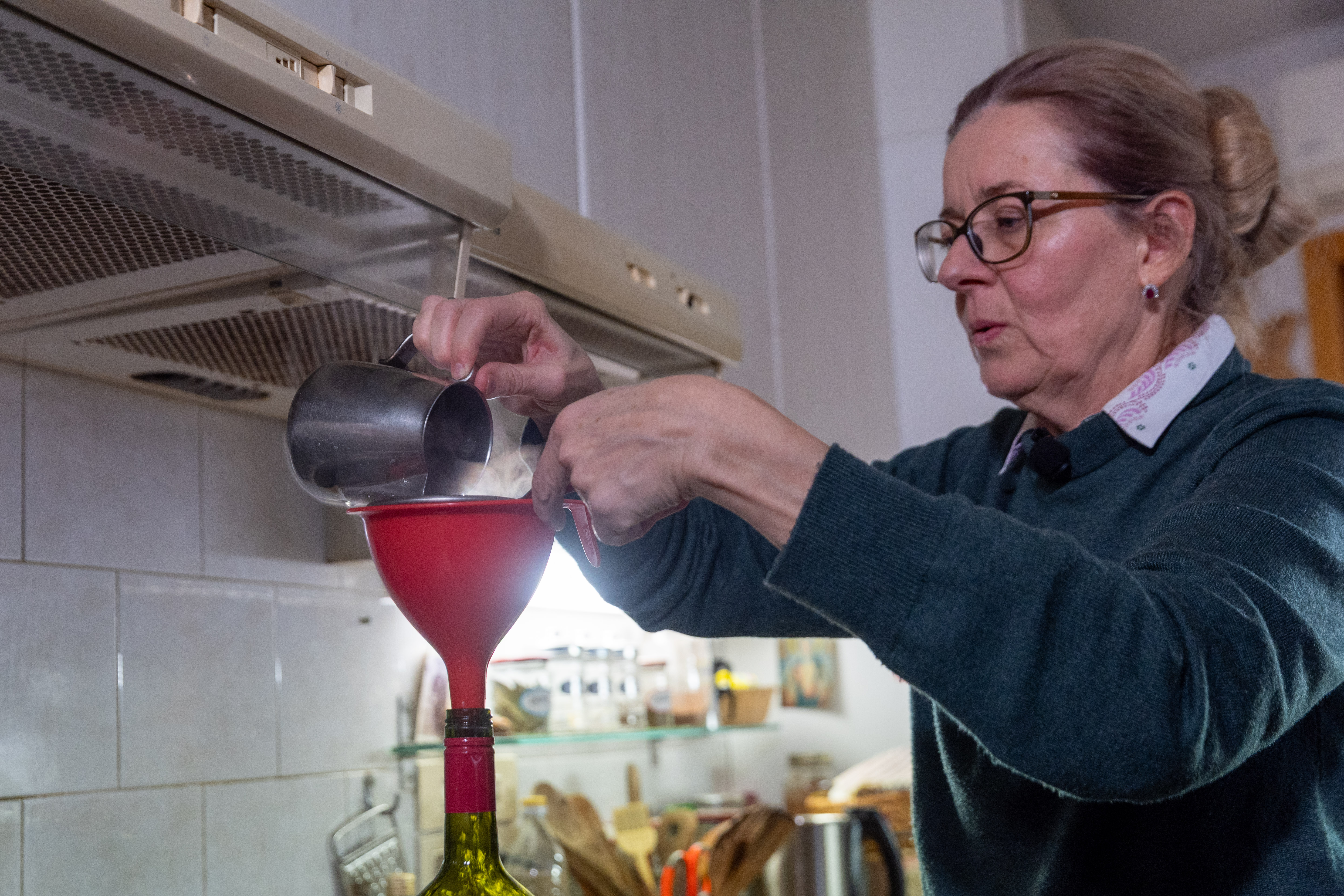
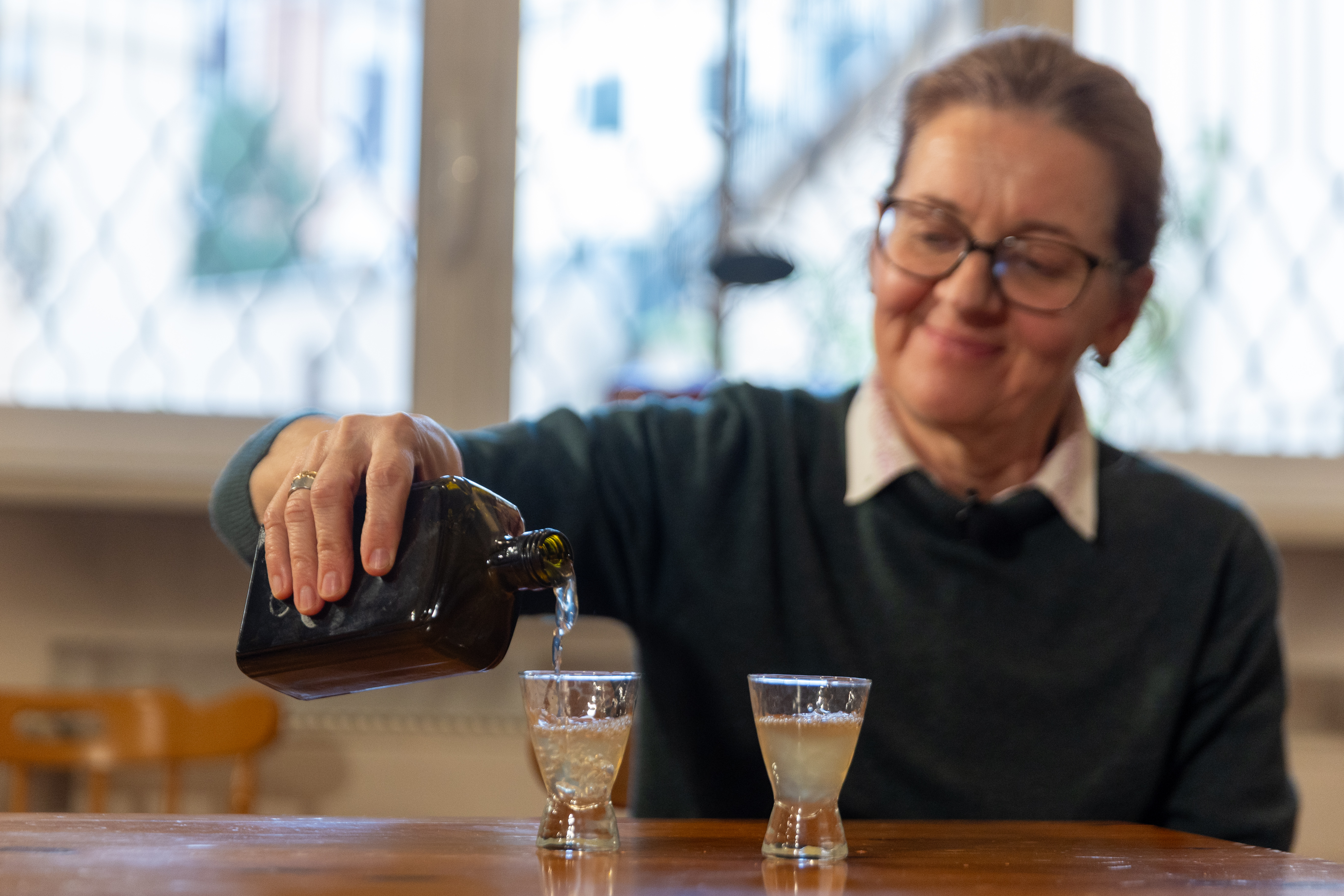
During a visit to the Casa Santa Maria degli Angeli, Katerina Welz demonstrated for EWTN News how the community makes St. Hildegard’s “Heart Wine,” which the mystic prescribed for anyone suffering from heart disease.
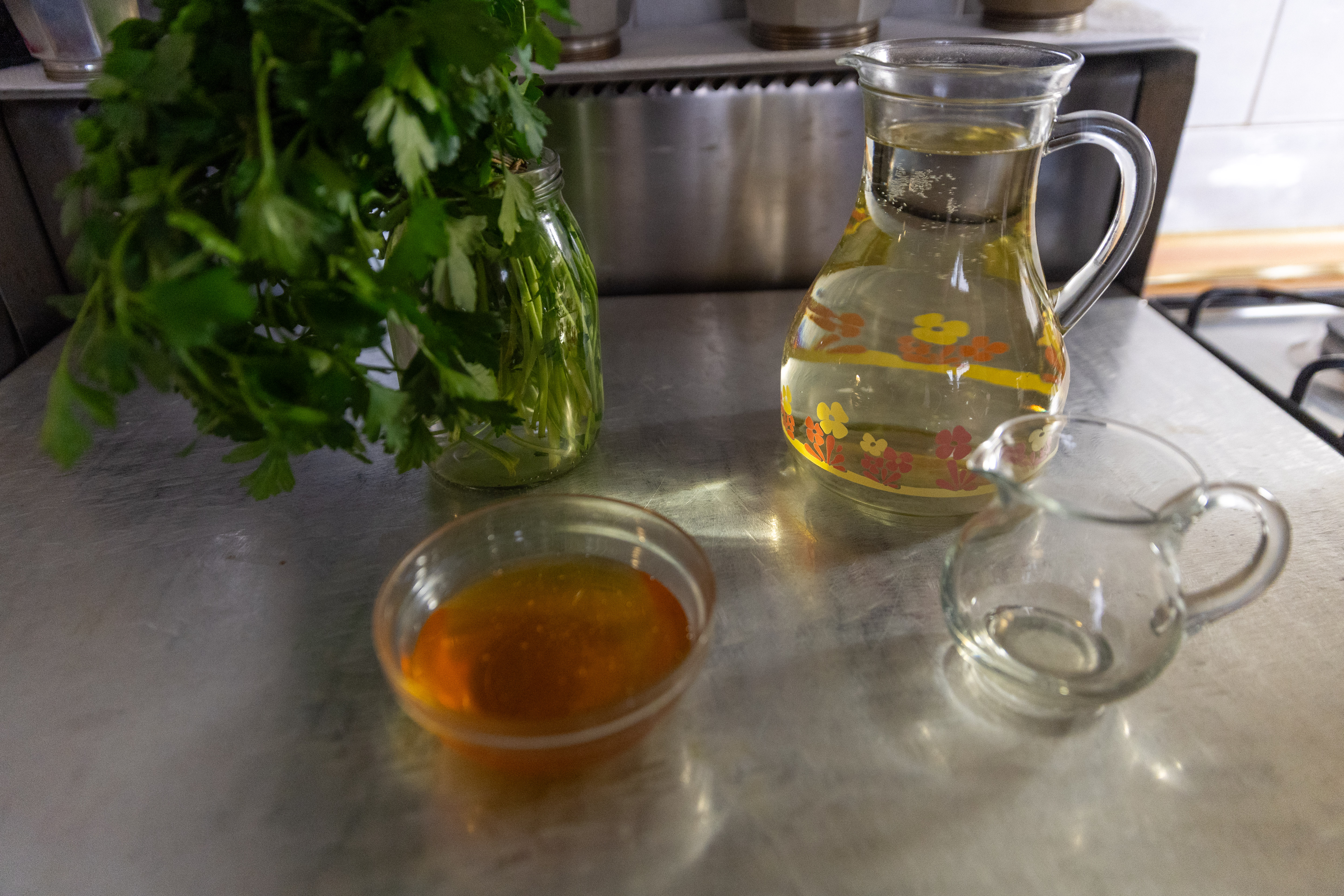
Ingredients:
- White wine
- Fresh parsley
- Honey
- White wine vinegar
Directions:
Add 1.5 liters of wine and around 8-10 stems of fresh parsley to a pot and bring to a boil. Once boiling, turn off the heat and add honey according to taste. Bring the wine to a boil again, then turn off the heat and add 2-3 tablespoons of white wine vinegar. Bring the elixir to a boil for a final time. After filtering out the parsley, it is ready to drink, either warm or cold.