Hard Freeze Tests Growers’ Fortitude, Faith
After a devastating late-April freeze damaged vineyards across the Mid-Atlantic, one Catholic family in Front Royal, Virginia, trusts that ‘God will provide.’
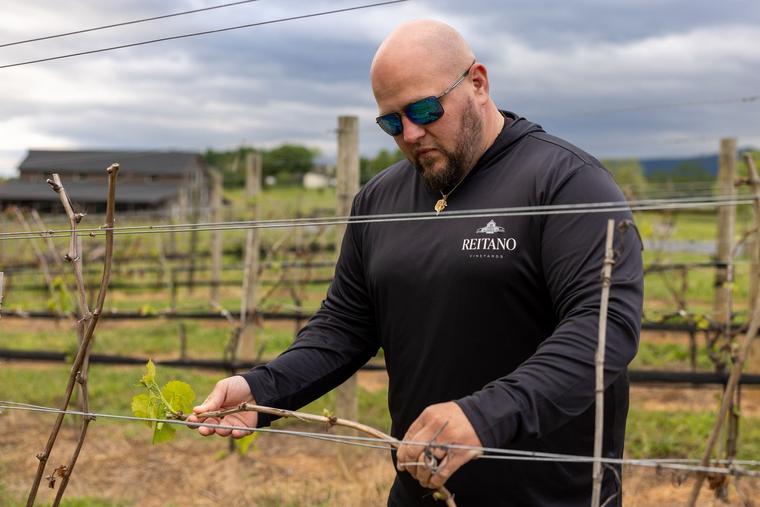
FRONT ROYAL, Va. — Unable to sleep due to dire overnight freeze warnings, Shelly Cook sat in her car in the middle of her vineyard hours before dawn on April 21, praying the Rosary as her headlights illuminated grape blossoms doomed by the plunging temperatures.
“The [freeze] just turned everything black within hours,” Cook recalled. “You’re never prepared for this.”
Similar scenes of desperation and hopelessness were playing out at vineyards, orchards and farms across the Mid-Atlantic U.S., where grapes, apples, peaches, blackberries, strawberries and other seasonal fruits that had been coaxed into an early bloom by 80-degree days in March were devastated by the late-April freeze.
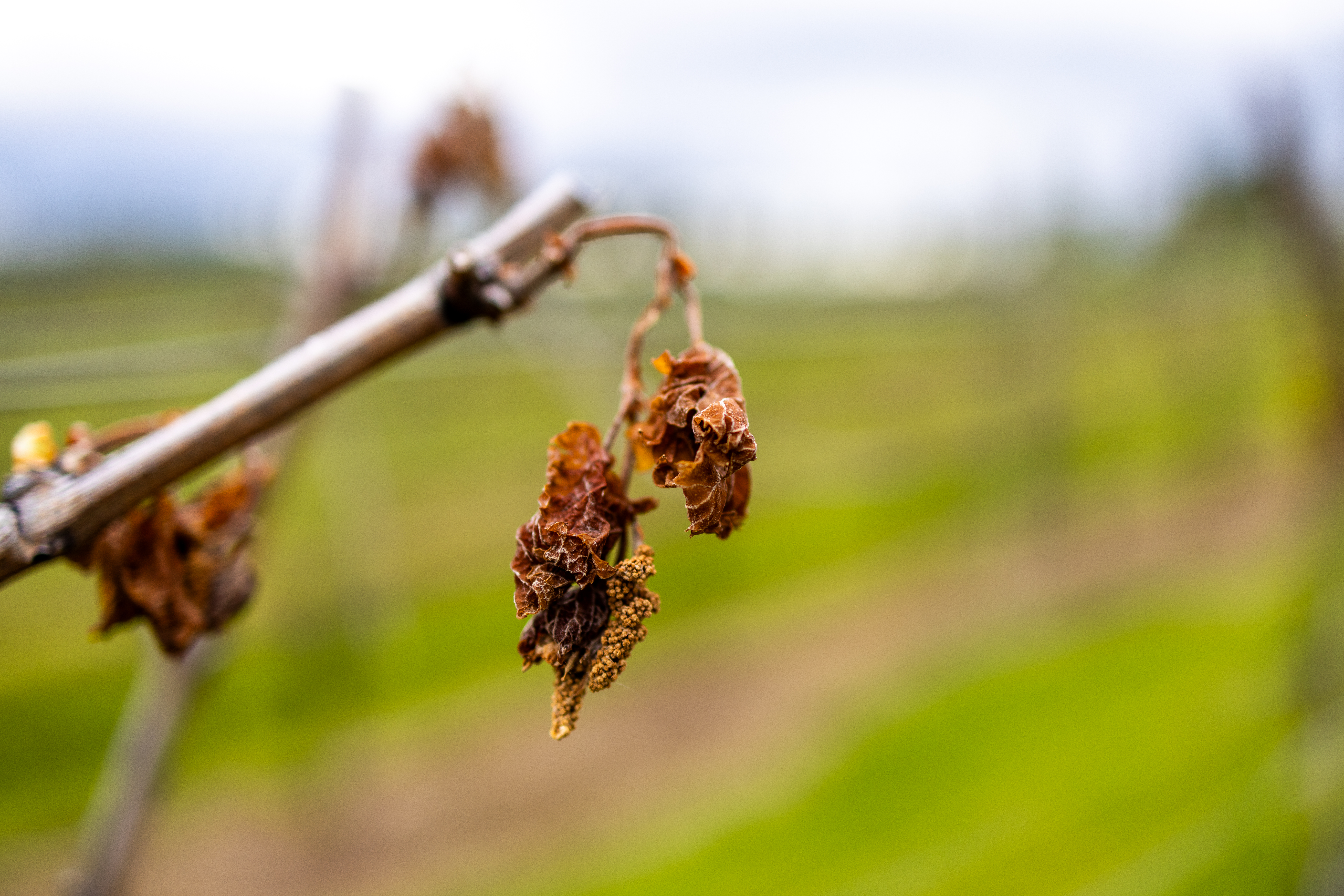
Torches, wind machines and other frost-mitigation measures were of little help; it was simply too cold. Growers and state officials in the region described the damage as the worst in recent memory.
“This is unlike anything many growers have experienced in decades,” Dustin Tarpine, chairman of the Garden State Wine Growers Association, told NJ.com.
At Oxbow Farm in Parkton, Maryland, a farm connected to the Catholic Worker Movement, John and Julie Dougherty reported damage to peaches, pawpaws, grapes, chestnuts and hazelnuts.
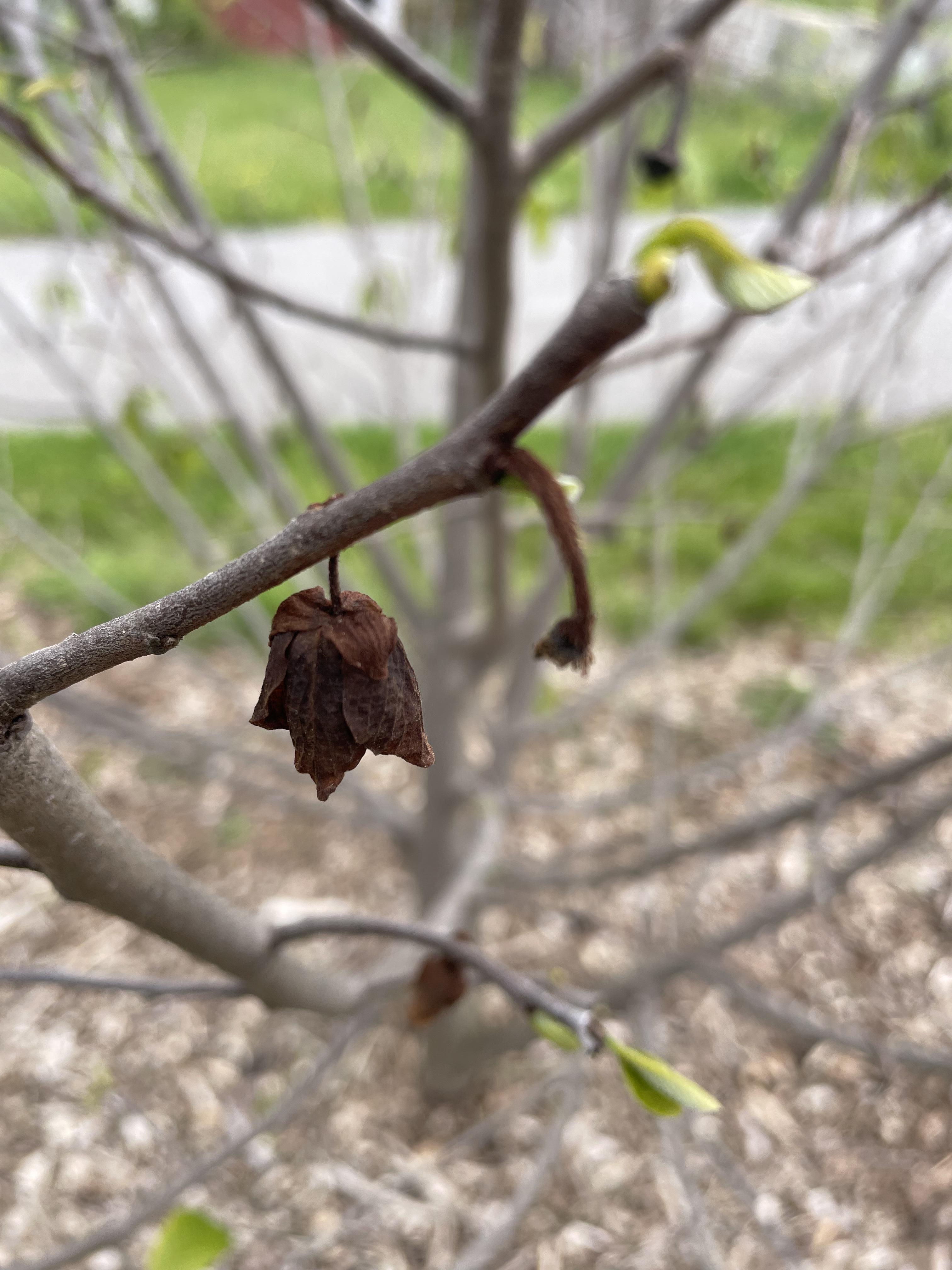
“We usually get 200 or 300 peaches,” John said. “I think I saw two after the [freeze].”
Sudden losses like those experienced by farmers this spring are an ever-present risk for those living off the land that the highly curated, romanticized images of the “farm aesthetic” life on social media typically leave out. But it’s all too real for Cook, who operates Reitano Vineyards with her two sons.
“Years of work,” she told the Register, “can change in a single night,” putting her business skills — and her Catholic faith — to the test.
‘A Real Labor of Love’
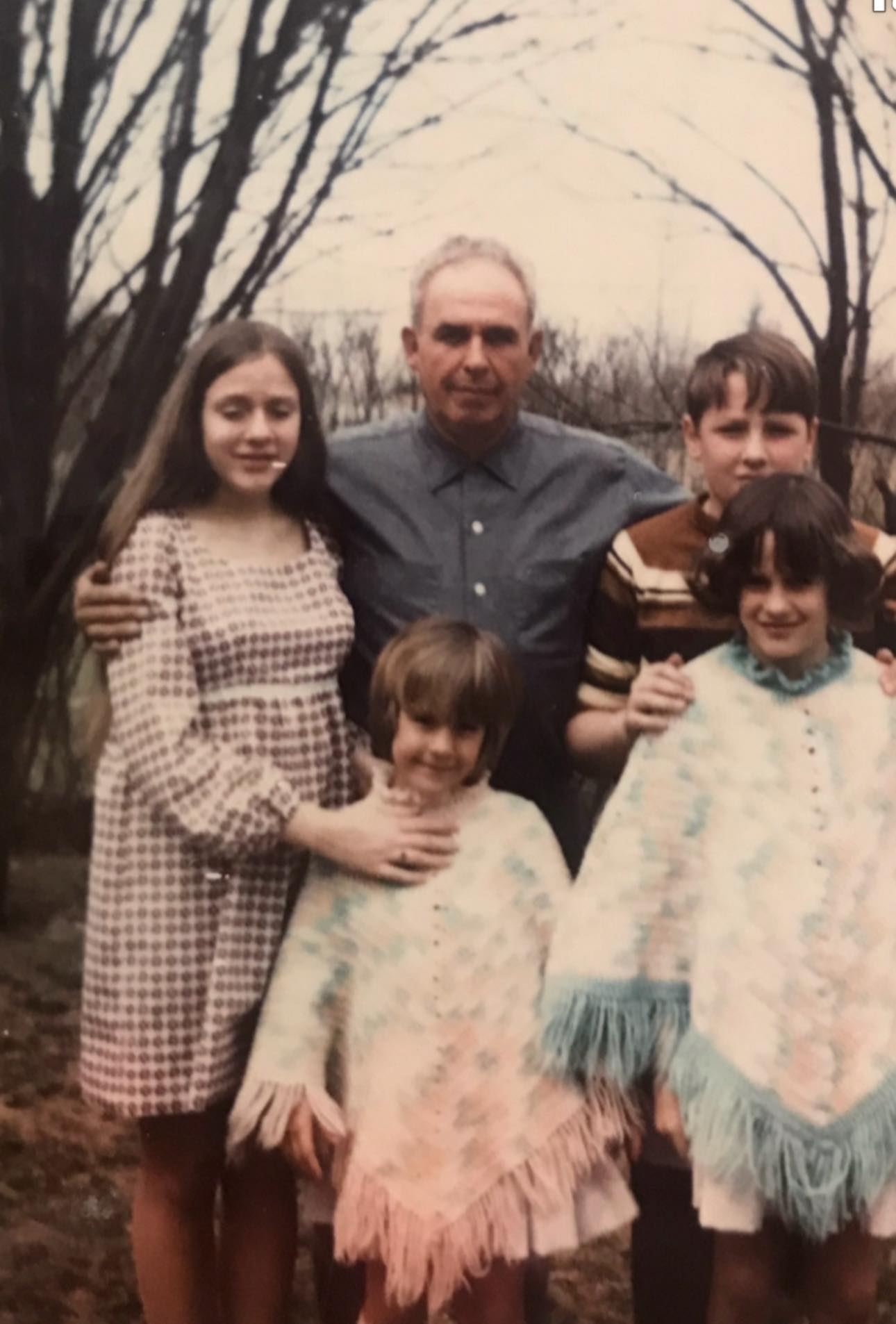
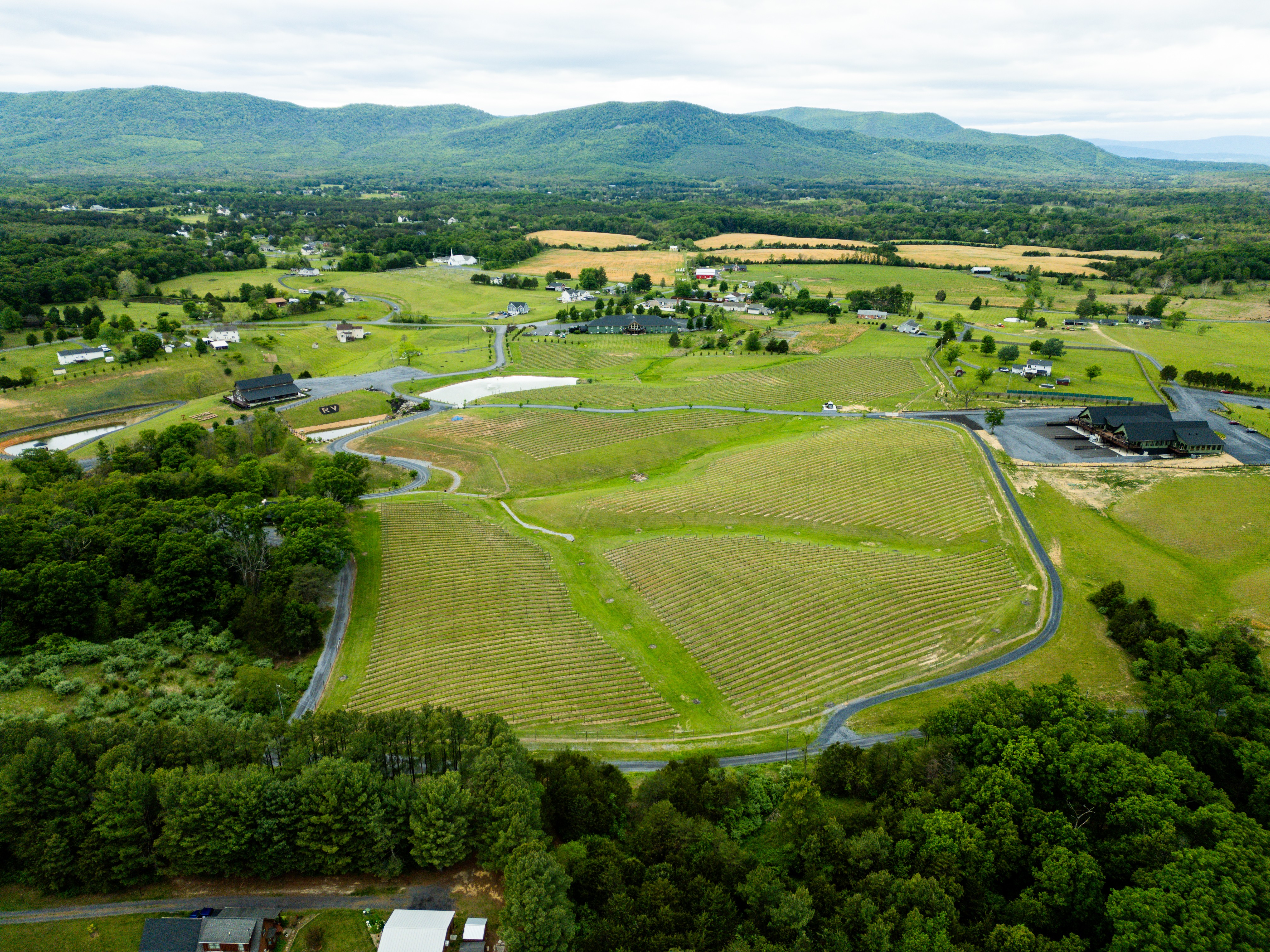
Cook purchased the 88-acre property in 2011 using her retirement savings after the land — once her grandfather’s cattle farm — came up for sale.
“When the sale came, I had a dream about my grandpa riding on his tractor on the land,” she said. “It made me sad to think that I would be looking out in my backyard, and maybe it wouldn’t be there.”
Cook, who turns 60 in June, decided to jump in.
“Most people are settling down and knitting, and we’re here working seven days a week,” she explained. “I’m not the knitting kind of gal.”
In addition to having worked as a registered nurse, Cook is a builder and contractor, the founder of a local food pantry called Loaves and Fishes, and the owner of an assisted-living home overlooking the vineyard. Drawing on that background, she personally designed and oversaw much of the vineyard’s physical development.
From the beginning, she said, the project was rooted in faith.
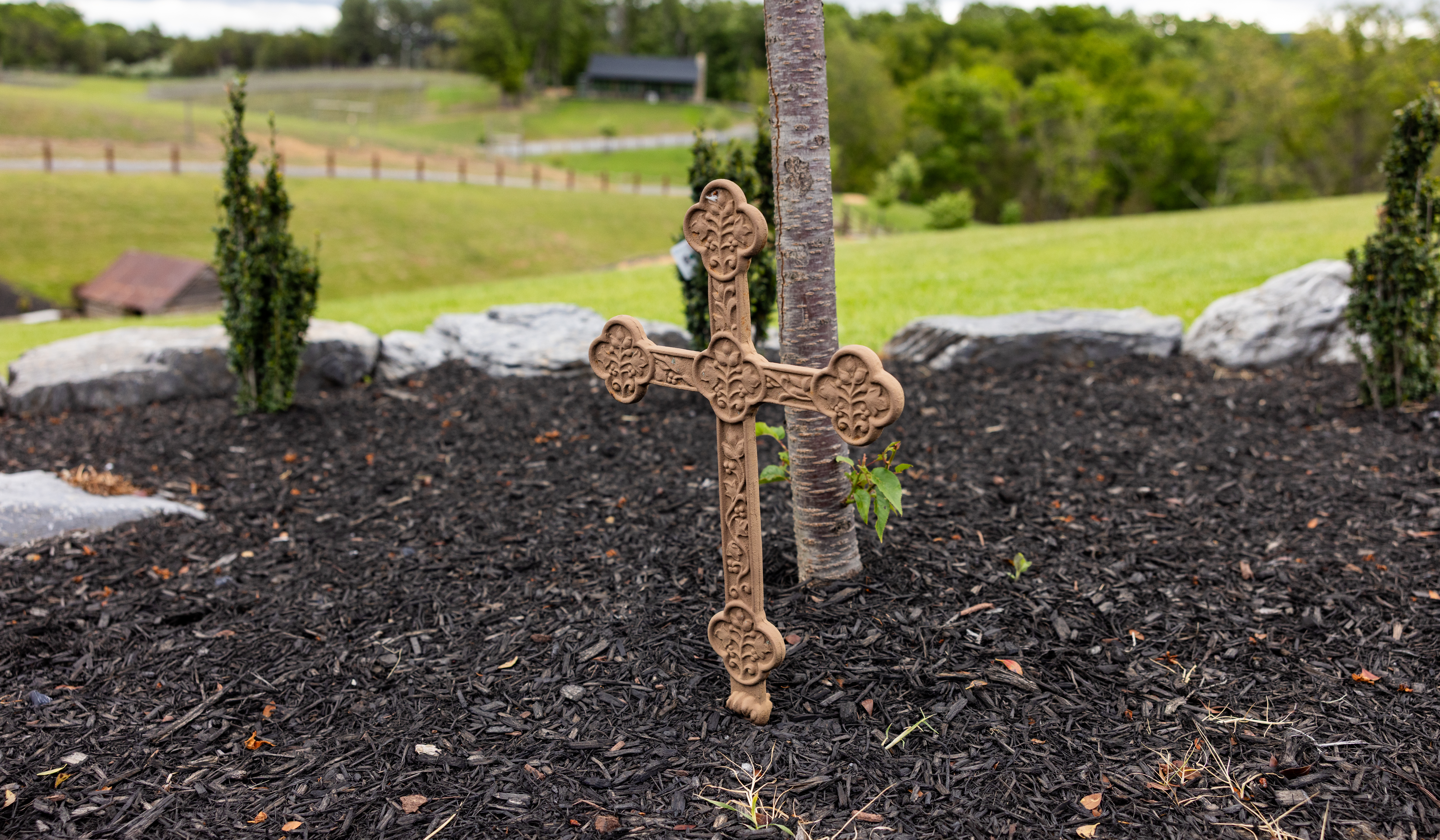
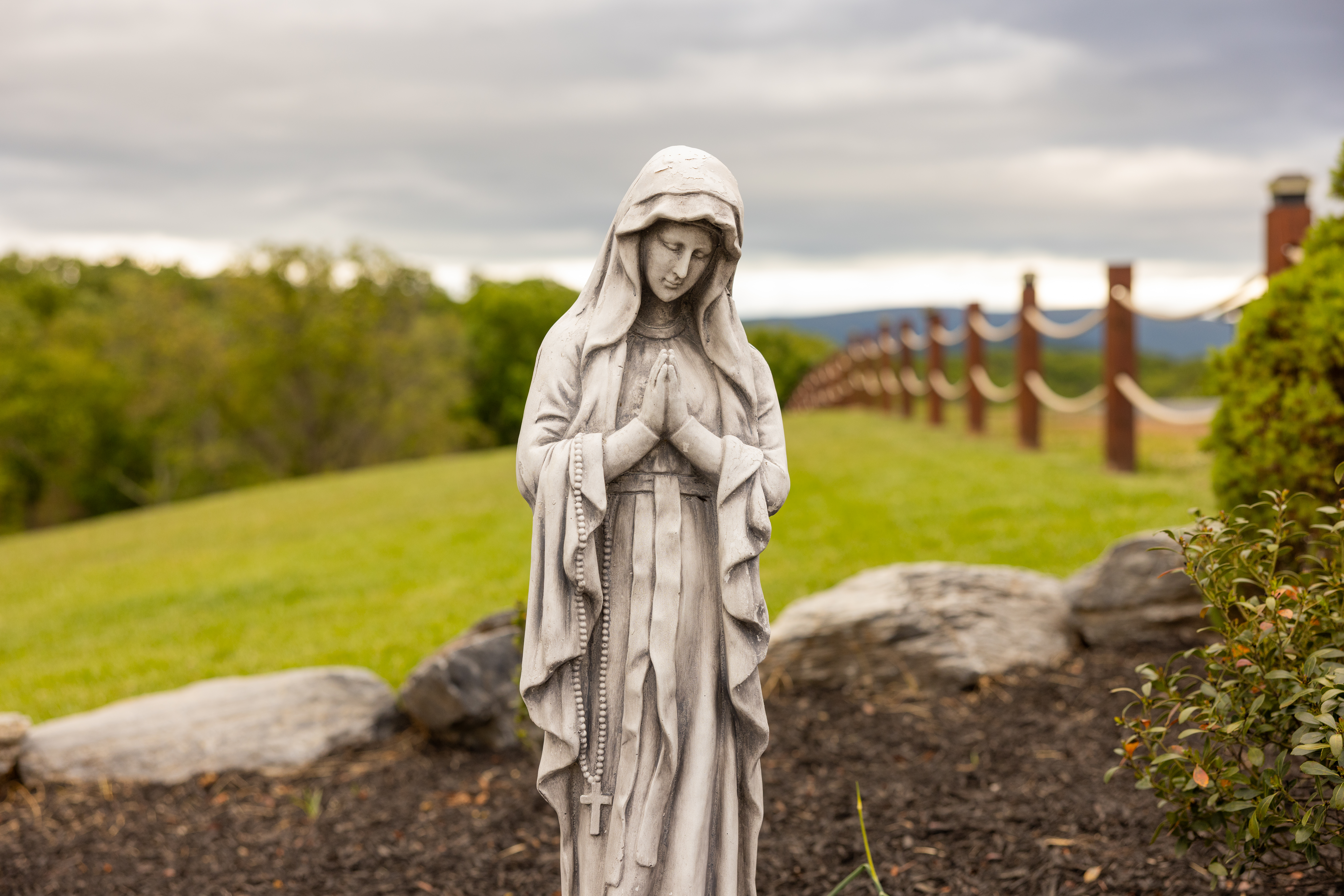
A large statue of the Blessed Virgin stands outside her home, while crosses blessed by priests were buried at key points around the vineyard. Catholic groups now regularly come for community gatherings and receptions.

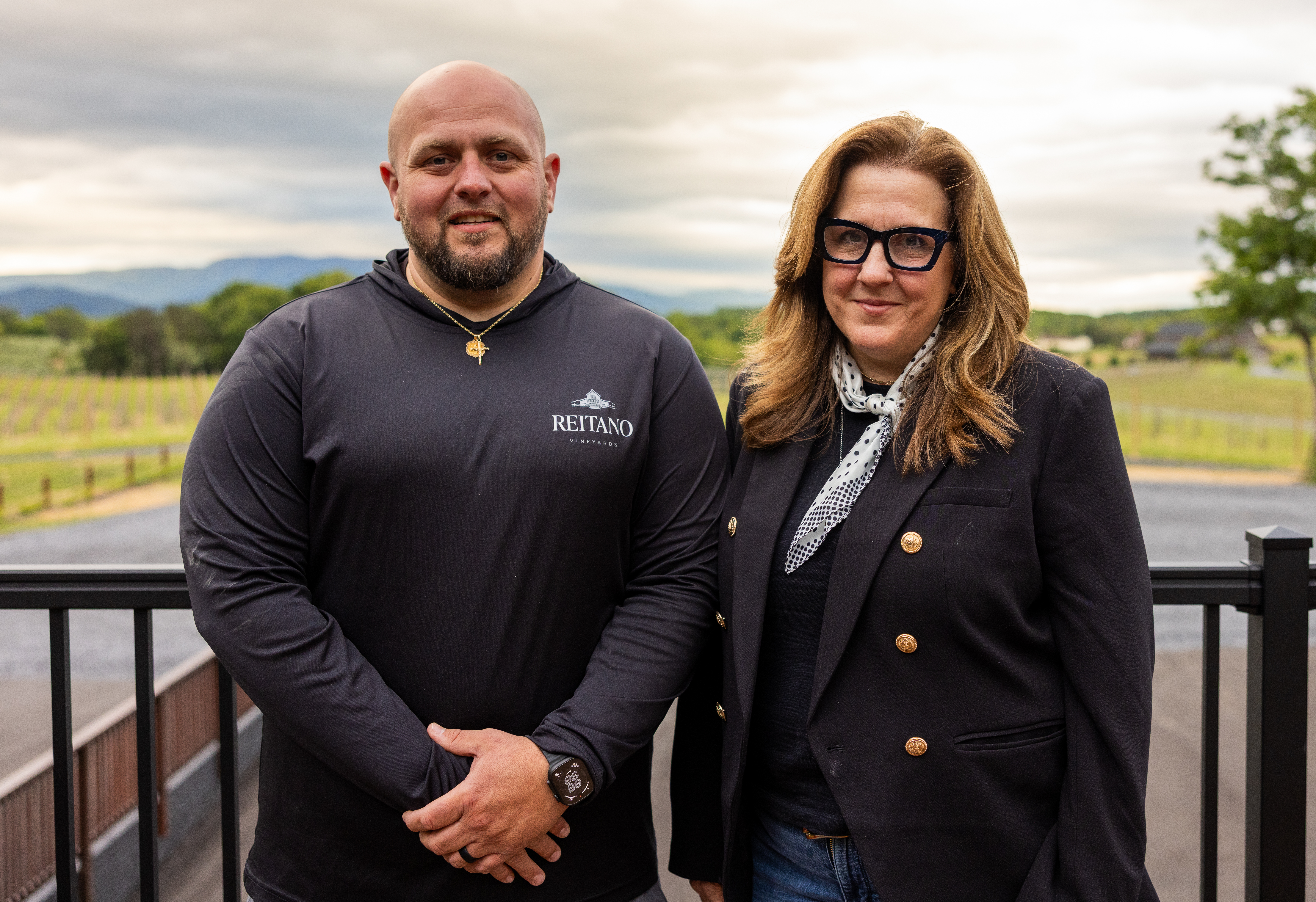
Cook runs Reitano with her sons Jeremy, 38, a former lawyer who helps manage vineyard operations, and Dylan, 28, who works in the vineyard’s tasting room and restaurant, Rooted Table, where former White House chef Oscar Funes prepares handmade meals for brunches, wedding receptions and other events.
The vineyard produces a variety of wines, including Pinot Grigio, Chardonnay, Bianco, Luce, red blends and its Heritage Reserve, along with sparkling offerings such as cider and rosé. The Heritage Reserve and sparking rosé are among its most popular selections.
Unlike many wineries, Reitano also allows children, making it a gathering place for Catholic families in the Front Royal area, which is also home to Christendom College.
Reitano initially opened to the public in 2024 with its Old Springhouse building, which serves as a venue for community events, weddings and private receptions. The vineyard later expanded with a larger tasting room and event space that opened in October 2025. Demand for weddings has quickly grown, with most dates from May through November already booked and reservations beginning to extend into 2027.
Now, years of labor and investment are colliding with a season shaped by loss.
Standing among the vineyard’s 15 acres of vines, Jeremy Cook pointed toward rows of blackened shoots still clinging to the trellises. “It looks like the end of fall out here,” he said.
The freeze destroyed many of the vines’ primary buds — the earliest buds that normally produce most of the season’s fruit. When those buds are damaged, vineyard productivity for the year drops sharply.
“This year we could have expected 45 to 50 tons of fruit,” Jeremy said. “Now, we’re probably looking at maybe a third of that, if we’re lucky.”
That uncertainty has become increasingly common as periods of early warmth are followed by sudden cold snaps.
Theo Smith, a Catholic who serves as Reitano’s winemaker and also owns nearby Capstone Vineyards in Linden, said the timing of the freeze proved especially destructive. His own vineyard, which sits at a higher elevation, was largely spared.
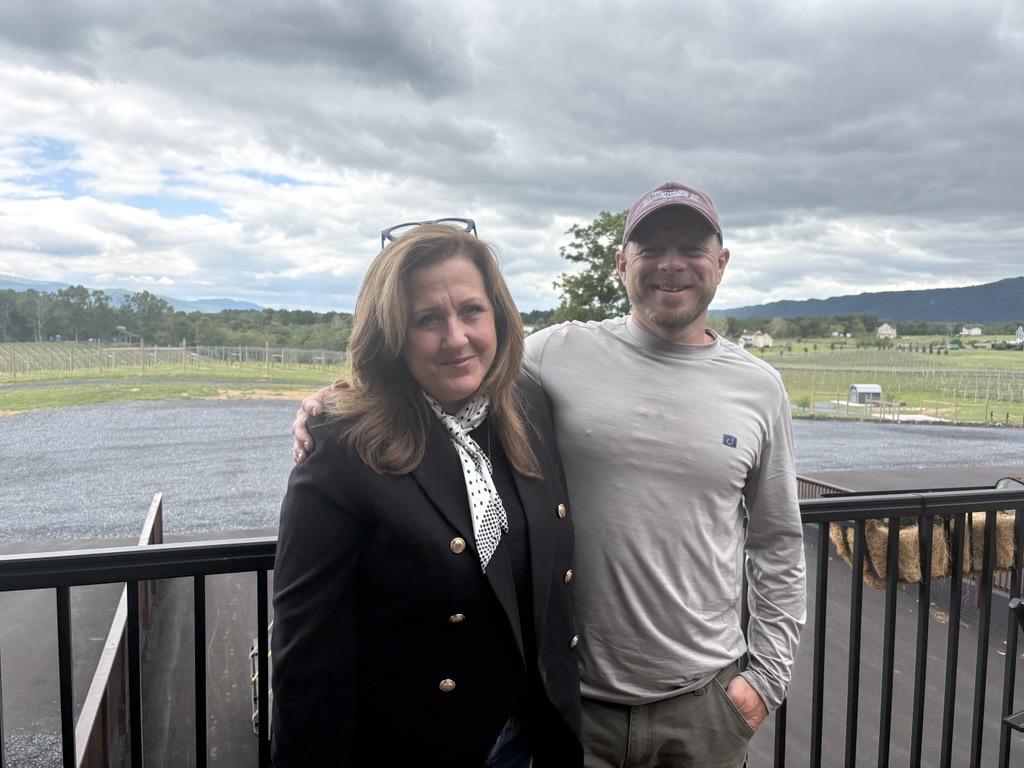
“The freeze itself wasn’t abnormal,” Smith said. “It was the week of 90-degree weather that pushed everything to wake up.”
Some hybrid varieties and secondary buds are now emerging, offering partial recovery, but Smith said the season has effectively been pushed back by several weeks.
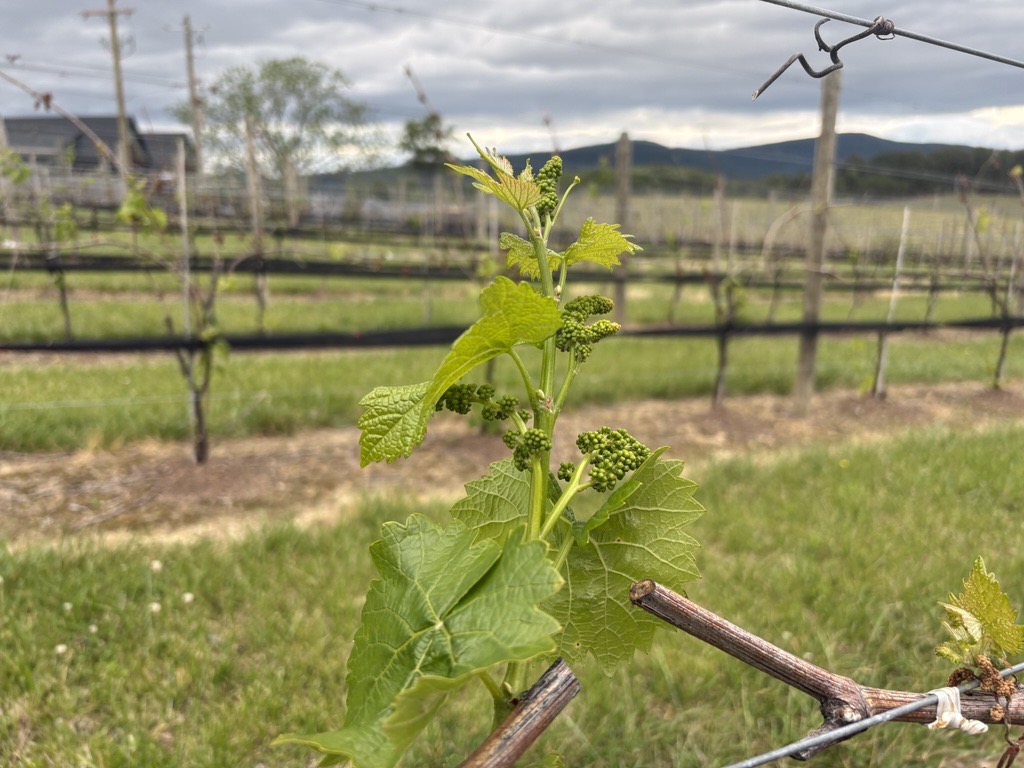
Farmers, he added, can only mitigate so much. “You can use site selection, elevation, wind-flow fans — there’s a lot you can do,” Smith said. “But sometimes extreme weather hits, and that’s it.”
He paused while looking across the rows of damaged vines.
“This is entirely at the mercy of Mother Nature,” he said. “A vineyard is a real labor of love.”
A Lesson in Humility
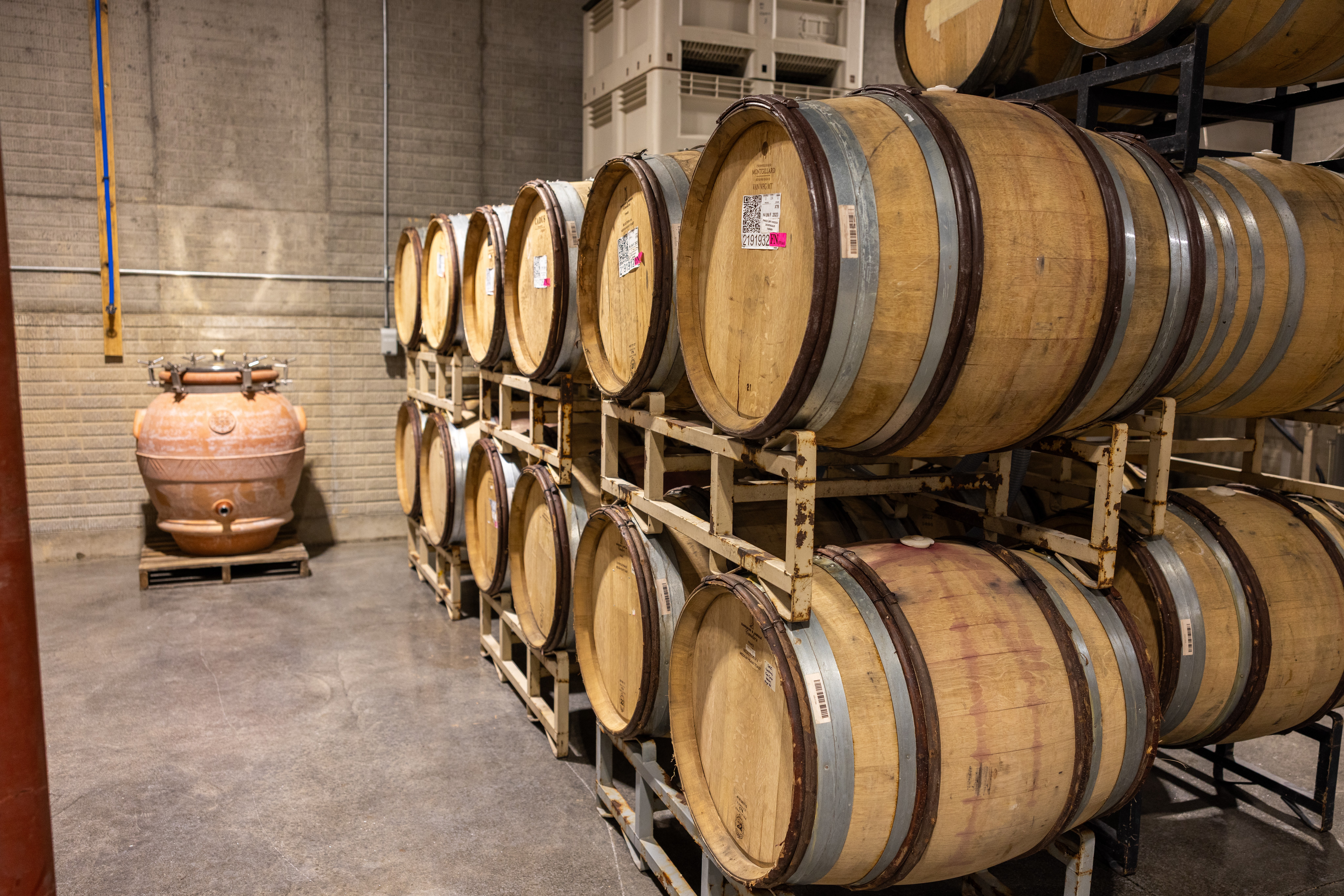
While Reitano has enough stored wine to sustain operations through this year, next year’s supply remains unpredictable. “Theoretically, we can get through this year from what we saved previously,” Cook said. “But next year we may be limited in what we can offer.”
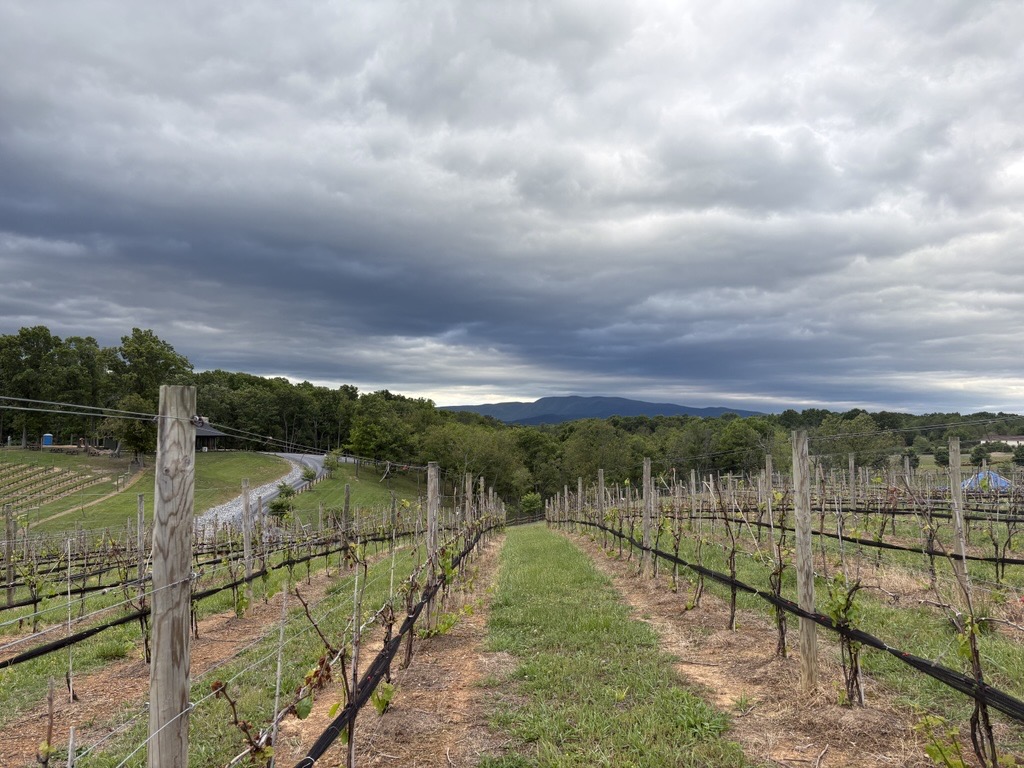
For smaller family-owned vineyards like Reitano, the financial impact of a failed season can be especially severe. Larger commercial vineyards often have broader distribution networks, reserve inventory or corporate backing that help absorb major crop losses.
Smaller operations operate on narrower margins, making a single damaging freeze capable of reshaping expansion plans and future harvests. The April event has already forced Reitano to redirect funds originally intended for future construction of lodges toward recovery efforts and freezing-mitigation measures.
The losses have also intensified discussions surrounding Virginia’s farm winery laws, which generally limit wineries to using no more than 25% out-of-state fruit to prioritize local grape production. With vineyards across Virginia reporting widespread fruit damage, agricultural officials are now weighing how wineries may adapt if local yields fall too sharply.
The experience, Cook noted, has only deepened her understanding of farming as an act of stewardship rather than control.
“We had a horrible season, but God is still the author of the story,” she said. “He has the last word.”
Michael Thomas, the executive director of the Catholic Land Movement — a lay-led network connecting Catholic farmers and homesteaders through shared agricultural and spiritual life — said the frost reflects a broader reality familiar to many farmers.
“Anybody who’s farmed long enough knows there are periods where things don’t go right,” he said. “In those moments, we rely on each other, and we rely on prayer in Our Lord.”
He said farming teaches humility because it constantly exposes human limits.
“What do you say when you get a bad frost during blossom?” he said. “It’s simple: God’s will be done.”
In Front Royal, many questions still hang over the season as workers monitor delayed buds and prepare for a smaller harvest. The Cook family says they are already researching ways to better protect the vineyard from increasingly unpredictable weather patterns in the years ahead.
Still, Shelly Cook said, the rhythm of the vineyard continues.
“Maybe we’ll have double the weddings this year, or maybe the food will outsell the wine,” she said cheerfully. “I only know that, no matter what, God will provide.”
- Keywords:
- vineyards
- catholic families
- virginia