Saint Dads: Holy Men Who Were Fathers
Faithful Witnesses for Father’s Day and Always
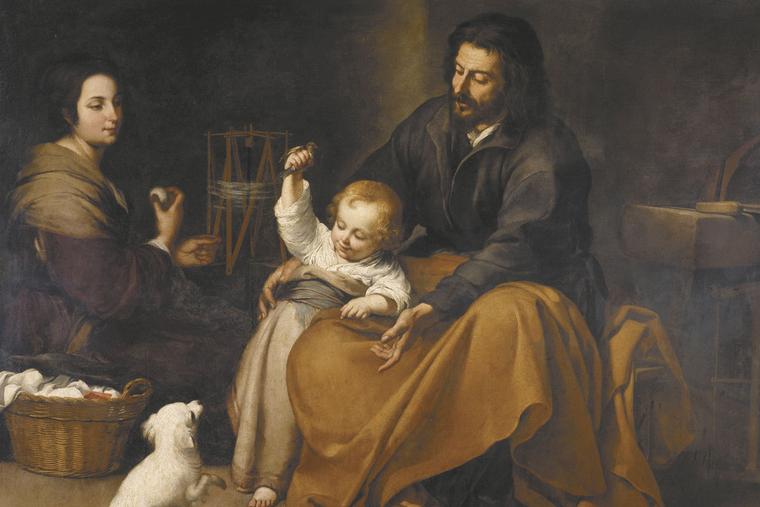
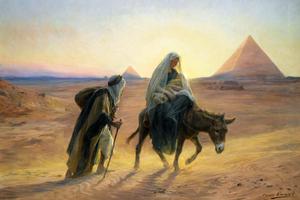
St. Joseph, the earthly father of Jesus, is the model for fatherhood as protector and guardian of Christ. “Joseph shows us that presence and guardianship are inseparable dimensions: It is not possible to guard without being present, and one is not present without assuming responsibility for the other,” Pope Leo said this past March. Pope St. John Paul II, who added the title “Guardian of the Redeemer” for Joseph, wrote in Redemptoris Custos of Joseph, “St. Joseph was called by God to serve the person and mission of Jesus directly through the exercise of his fatherhood. … Besides fatherly authority over Jesus, God also gave Joseph a share in the corresponding love. … The growth of Jesus ‘in wisdom and in stature, and in favor with God and man’ (Luke 2:52) took place within the Holy Family under the eyes of Joseph, who had the important task of ‘raising’ Jesus, that is, feeding, clothing and educating him in the Law and in a trade, in keeping with the duties of a father.”
Pope Francis reflected in his apostolic letter Patris Corde, “[Joseph] taught him to walk, taking him by the hand. … In Joseph, Jesus saw the tender love of God.”
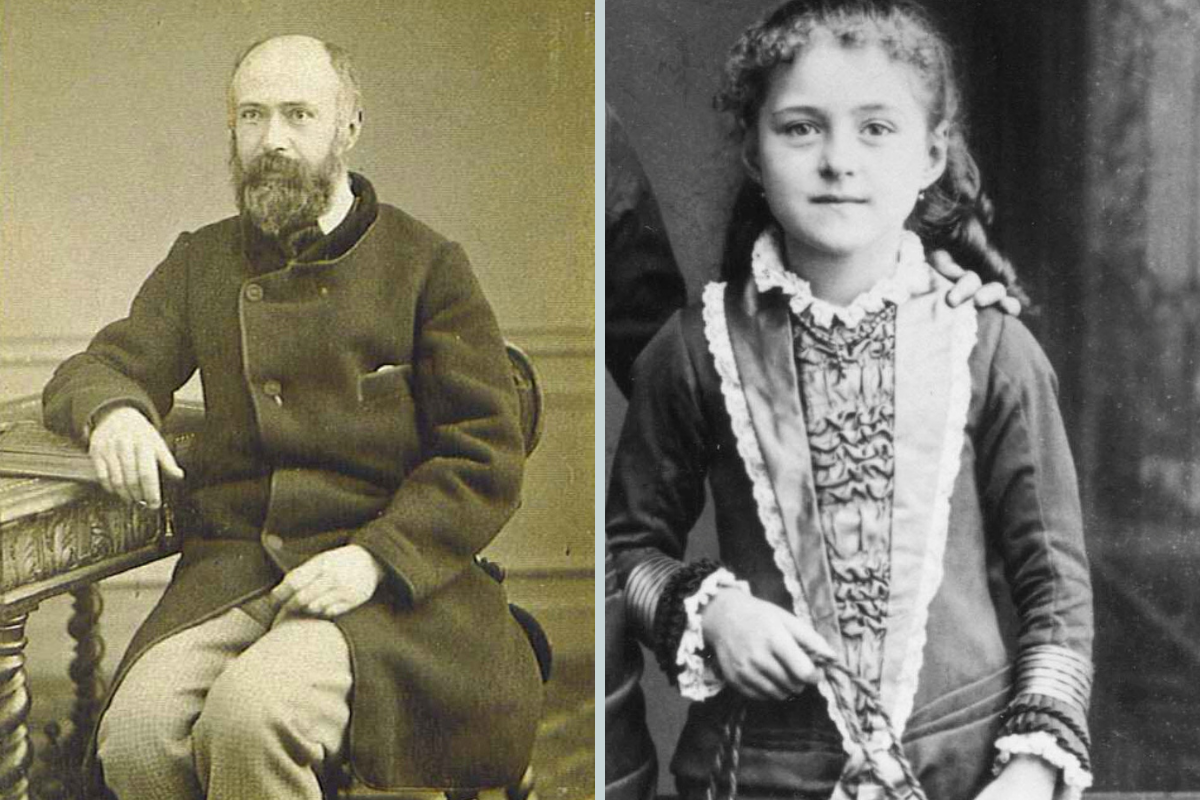
St. Louis Martin was the father of nine — five of whom survived infancy; the quintet of daughters all became nuns, including St. Thérèse of Lisieux. Louis and his wife St. Zélie became the first couple to be canonized together. Louis was a jeweler and watchmaker, who supported his wife’s lacemaking business.
Due to his profession, he gave his daughters sweet nicknames, according to The Hidden Face (Ignatius Press): Marie, “diamond”; Pauline, “noble pearl”; Céline, “the bold and fearless one” and “the guardian angel”; and Thérèse, “little queen ... to whom all treasures belonged.” He was attentive to his daughters’ education and played games with them as well as taught the primacy of prayer.
“I am the Bobillon [that is, tender and kindly] with my children,” he would say.
Thérèse said of her father: “The more I live, dear little Father, the more I love you. … Yes, I will always remain your little Queen, and I will try to be your glory by becoming a great saint.”
St. Stephen of Hungary is believed to have had several children, but only one son survived to adulthood, St. Emeric, who was canonized alongside his father and his tutor, St. Gellert, in 1083 by Pope St. Gregory VII. St. Stephen wrote his son letters, highlighting adherence to the faith and virtue.
He advised, “[T]he work of piety leads you to the highest happiness. Be merciful to all suffering violence, always holding the example of the Lord in your soul. ... Be patient with all. ... Indeed, be strong, lest good fortune overwhelm you or hardship throw you down. Also, be humble, so that God may raise you on high, both here and in heaven. Be moderate, so that you neither punish nor condemn any man beyond measure. Be gentle, lest you contend with justice. Be honest, so that you may never intentionally bring disgrace to anyone. And be chaste. ... All these virtues ... constitute the royal crown, without which no man can hope to rule here nor reach the heavenly kingdom.”
St. Thomas More (1478-1535) had four children with his first wife; he was stepfather to his second wife’s daughter and the guardian of two other youth. He educated his daughters well, rare for that era.
His last letter before his martyrdom for not approving Henry VIII’s divorce, on July 5, 1535, sheds light on his fatherly concern.
“My Good Daughter: Our Lord bless you, my good daughter, and your good husband, and your little boy, and all yours, and all my children, and all my god-children, and all our friends,” he wrote to Meg. “Farewell, my dear child, and pray for me, and I shall for you, and for all your friends, that we may merrily meet in heaven.”
Blessed Karl of Austria (1887-1922), final emperor of Austria and king of Hungary, had eight children. He and his wife Zita, a Servant of God, prioritized the religious education of their children.
“They were taught their prayers and catechism as soon as they could understand, and many of these religious lessons Karl taught the children himself. The family prayed together daily and First Friday devotions were observed. When Otto, the oldest child, made his first Holy Communion, Blessed Karl consecrated his family to the Sacred Heart of Jesus. Likewise, the first Holy Communions of all their children were important family events that were celebrated with special joy,” explains the Emperor Karl League of Prayer website.
“As a father, Karl was loving, devoted, and caring. … [H]is children brought him his greatest joy and comfort. ... This time of being together — whether all in one room reading, playing and praying together, or outdoors walking and hiking together, or doing other activities such as hunting, boating and fishing — was a great treasure for him. As he lay dying, he prayed for all of the children by name, and one of his frequent prayers was: ‘Look after my little ones. Let them die rather than commit a mortal sin — keep them in body and soul.’”
- Keywords:
- fatherhood
- catholic dads
- catholic saints
- father's day

Amy Smith Amy Smith is a Register senior editor who edits devotions and features for print and online. Fueled by prayer and coffee, she enjoys writing about everything from Jane Austen to saints for the Register. She is the author of The Plans God Has for You: Hopeful Lessons for Young Women (Emmaus Road Publishing). Her writing has also appeared in various other Catholic publications. She has a master’s degree in journalism and a B.A. in English.