Frassati’s ‘Usual Suspects’ in Italy Inspire American Catholics to Put Friendship First
The contemporary Tipi Loschi follow their patron’s lead by making friendship a foundation of the Christian life.
When he was 18 years old, Kevin Hertelendy came to a small town on Italy’s east coast for what was supposed to be just a yearlong stay.
That “gap year” has turned into his entire life.
Now 31, the Minneapolis native has lived in San Benedetto del Tronto for nearly 11 years, having returned to the town of 47,000 for good following his graduation from the University of Minnesota in 2015.
But it wasn’t the pasta or the temperate climate that drew Hertelendy back to Italy. Instead, it was an encounter with a way of living his Catholic faith that he’d never experienced before.
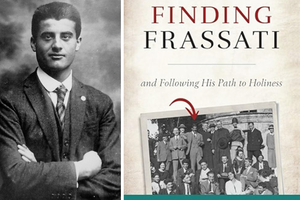
More specifically, what Hertelendy encountered was the Company of the Tipi Loschi — an Italian lay community inspired by St. Pier Giorgio Frassati, the 20th-century layman who was canonized on Sept. 7 by Pope Leo XIV.
The Tipi Loschi, who formed in 1993 and include 200 members today, take their name from the moniker St. Pier Giorgio gave to his band of college friends. “Tipi Loschi” roughly translates to “the usual suspects” — a tongue-in-cheek title for a group that was mostly known for prayer, service and fellowship.
The contemporary Tipi Loschi also follow their patron’s lead by making friendship a foundation of the Christian life — not merely a bonus “add-on.” As Frassati, who is considered a patron of friendship by some, once said, “I should thank God every day, because He has given me such good friends who form a precious guide for me throughout my life.”
Members of the community live near each other, run businesses and nonprofits together through a cooperative, and gather multiple times a week for prayer, formation and fellowship. Their base of operations in San Benedetto, which includes a small chapel, workshops, playing fields, and a meeting hall, is affectionately called “The Shire.”
Hertelendy grew up in a faithful, home-schooling Catholic family in Minneapolis. But from the moment he arrived in 2013, living with the Tipi Loschi helped him to see for the first time “that the faith had something to say about every aspect of my life.”
“It’s about finding the presence of God through one’s neighbor; through a friend,” explained Hertelendy, who now lives in an apartment with three other members of the movement and teaches music and English at a school run by the Tipi Loschi.
The Tipi Loschi’s impact on Hertelendy may be especially dramatic, but he isn’t the only American Catholic whose life has been changed by meeting the Frassati-inspired group.
Over the past decade, a bond between the Italians and their American admirers has formed, with fruits including everything from high-school student exchanges, American seminarians serving at the community’ summer camp, and even the formation of a Tipi Loschi-inspired group in the United States.
The Italian community was even featured in Orthodox American author Rod Dreher’s influential 2015 work, The Benedict Option, as a model of intentional Christian communal living.
“We try to share all of life,” explained Marco Sermarini, founder of the Italian movement. “Not only the joys, but the difficulties, too.”
For American Catholics more used to an individualistic approach to the faith, the Tipi Loschi’s intense communal life represents something of a challenge, but also an invitation.
“In friendship and community, the faith becomes more fulfilling and easier to live out,” explained Mara Hertelendy, Kevin’s mother, who co-founded an American Tipi Loschi group in the suburbs of Minneapolis and visits the community in San Benedetto annually with her husband, Dave.
And with St. Pier Giorgio now recognized as a saint, those who have encountered his all-encompassing approach to friendship and the Christian life are hopeful that others can be impacted in a similar way.
“There was a secret in his life, and we have only to discover it,” said Sermarini.
An American-Italian Friendship
The Tipi Loschi formed in the 1990s after some members of a local scouting organization grew concerned that it was becoming too secular. They formed a new group, and the local bishop at the time tasked them with focusing on youth formation and catechesis.
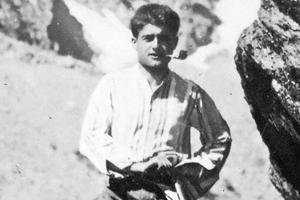
When looking for inspiration, the founders naturally turned to Frassati, who had been beatified by St. Pope John Paul II in 1990. The third order Dominican and Catholic activist, who died in 1925 at age 24, was known for his love of hiking and his adventurous spirit, captured in the phrase, verso l’alto! — “to the heights!”
Meanwhile, it was Frassati’s niece who helped forge the connection between the modern-day Tipi Loschi and the United States, via a providential encounter with an American seminarian in 2011.
When Wanda Gawronska met Father Spencer Howe, who was then a seminarian for the Archdiocese of St. Paul and Minneapolis in formation at the North American College in Rome, she told him about a community on Italy’s Adriatic coast that was inspired by her uncle, but with a catch: They had just founded the Scuola Libera G.K. Chesterton, an independent school dedicated to the 20th-century English convert and author.
“Because it was both Chesterton and Frassati, I was just like, ‘I have to go,’” recalled Father Howe, who is now pastor of Holy Cross Catholic Church in Minneapolis.
The Minnesota priest found the combination intriguing in part because, back home in the Twin Cities, local Catholics had recently founded Chesterton Academy, the first of what is now a network of 70-plus schools across the U.S. In fact, the Italian and Minnesotan schools, which were founded independently of one another, even had the same motto, taken from Chesterton’s Everlasting Man: “A dead thing can go with the stream, but only a living thing can go against it.”
Recognizing a shared intuition, Father Howe organized a conference in Rome in March 2013 and invited members of both communities to attend. The two groups met and, in the words of Sermarini, they “started a friendship.”
A ‘Foundational Experience’
That friendship started bearing fruit almost immediately. When Hertelendy’s initial plans for his Italian gap year fell through, Father Howe, a family friend, connected him with the Tipi Loschi.
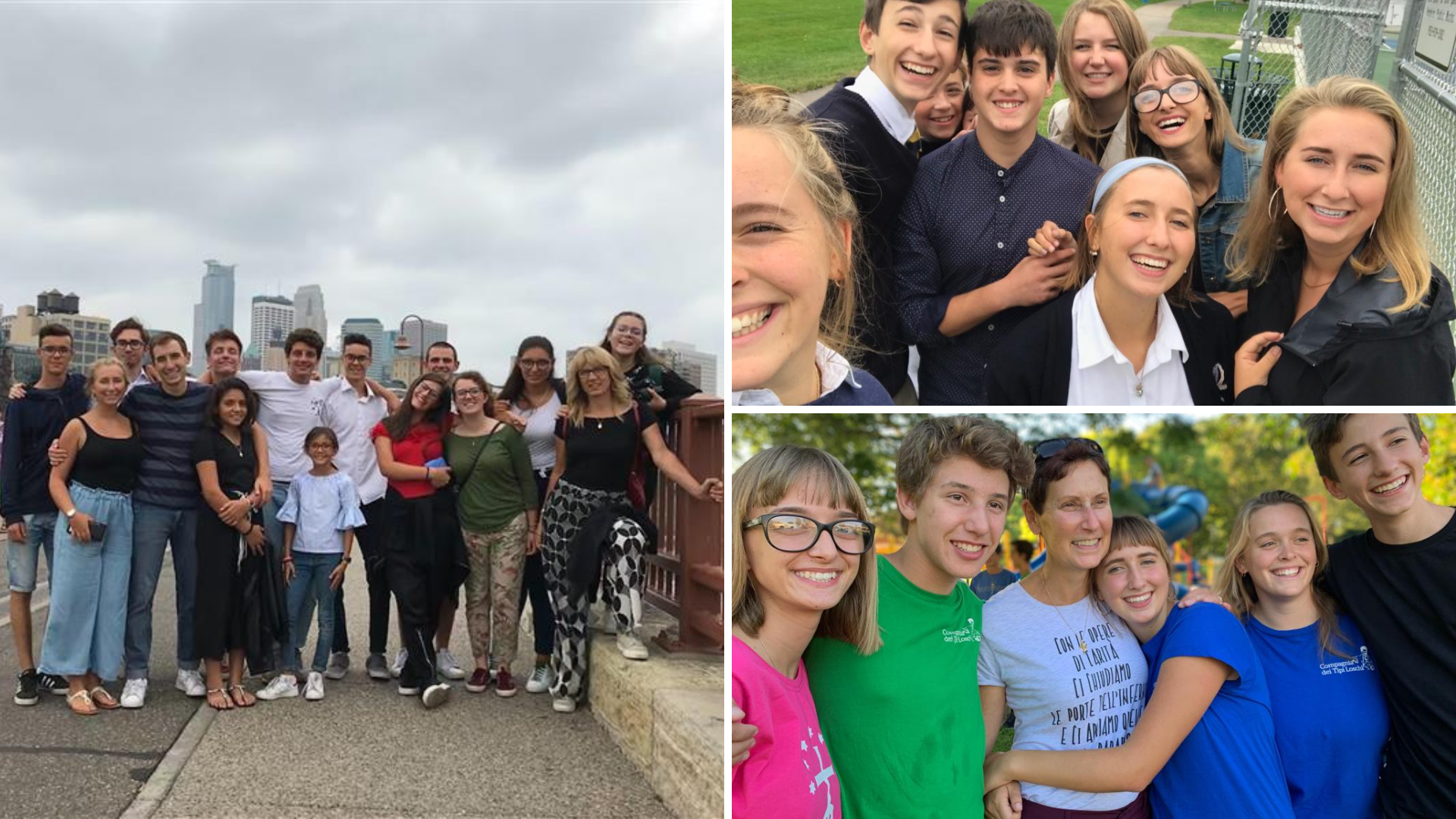
The following year, a group of 45 students and parents from the Tipi Loschi school in Italy visited Chesterton Academy in Minneapolis. They stayed with host families, shadowed students and gave presentations on the Tipi Loschi way of life to their American peers.
The exchanges became an annual feature. Following Hertelendy’s lead, so did students from Minnesota taking their own “gap years” in San Benedetto.
Abigail Boeser was one of them. After graduating from Minneapolis’ Chesterton Academy in 2016, she spent a year with the Tipi Loschi, returning in 2018 and 2019 to teach English at the community’s summer camp. And though she now lives in West St. Paul, Minnesota, with her husband and two kids, Boeser describes her time with the Italian community as “one of the most foundational experiences” of her life.
“You work together, you pray together, and you do the unpleasant things together, too,” she said, explaining what she took away from the Tipi Loschi. “Everyone in your surroundings is a part of this village — part of your journey to Christ, too.”
The Tipi Loschi group in Minnesota has attempted to transpose this approach to American soil. The group routinely meets to pray the Rosary and enjoy a meal together. They also organize an annual pilgrimage to the Our Lady of Guadalupe Shrine in La Crosse, Wisconsin, do service projects, and have even fundraised for the Italian Tipi Loschi.
Mara Hertelendy said the vision isn’t to replace parish life, but to supplement it.
“Even if you’re part of a parish, sometimes you can get lost,” she said. “People are wanting to be seen. They want connection.”
Differences, Challenges and Hopes
At the same time, both sides of the Atlantic acknowledge that differences on the ground mean that Frassati’s spirit of friendship might take root in different ways.
For one, the parochial system in America is more robust than it is in Italy, where a parish largely just operates as a place to receive the sacraments. This means that in the U.S. there is both less of a perceived need for alternative forms of community and also less time and energy to go around.
For another, Italian culture is generally more communal, making the Tipi Loschi’s mantra of “sharing all of life” easier to live out there.
For instance, Boeser thinks that the Italian Tipi Loschi’s mixture of friendship and financial ventures — something that might be “taboo” in the states — allows their community to have a greater degree of stability and buy-in.
What’s more, major challenges in the past few years have hampered both the American Tipi Loschi’s efforts and their connection with their comrades in Italy.
For one, the coronavirus pandemic brought the student exchanges to a stop. The pandemic and the general fluctuations of life have also disrupted the American group’s momentum. Prior to 2020, as many as 50 people would attend their gatherings. Now, it’s just a few core families.
Sermarini, a larger-than-life figure who can draw a crowd, has also been unable to visit the American Tipi Loschi in recent years. He didn’t get the COVID-19 vaccine, and his wife, Federica, an instrumental member of the community, passed away in September 2021 of pancreatic cancer.
Still, the Tipi Loschi founder says there remains a “bridge between Italy and America” — one he hopes to cross soon, to restrengthen relationships and provide encouragement to his American friends.
That’d be welcome news to Boeser, who said she is “always inspired” by her time with the Tipi Loschi. Father Howe, meanwhile, commended the Italians for providing a “steady drumbeat” of encouragement to the American group to embrace the challenges that come with trying to form community.
“They are living it themselves and they want others to live it,” he said, noting that a lively WhatsApp group between the two communities keeps the connection alive.
The benefits go both ways. Sermarini said the American interest in the Tipi Loschi’s life is an encouragement for the Italian community to carry on, even as Italy itself becomes increasingly secular and individualistic.
“Even if we live in two different worlds, man is the same beast everywhere you go,” he said of the universal desire for happiness and friendship.
Of course, perhaps the greatest affirmation that the Tipi Loschi have something to offer to U.S. Catholics is the fact that an American has joined them full time. In fact, Hertelendy is such a mainstay of the Italian community at this point that Sermarini jokes that he was actually born in Calabria.
“He thinks like an Italian. Not only an Italian, a southern Italian,” he quipped.
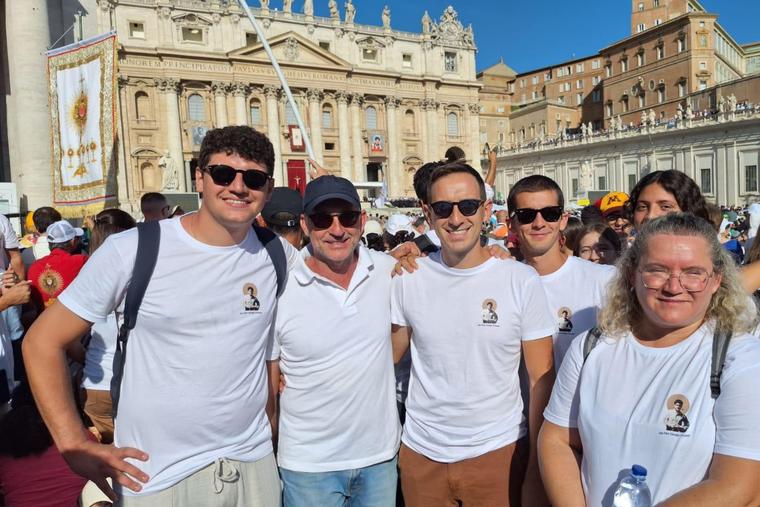
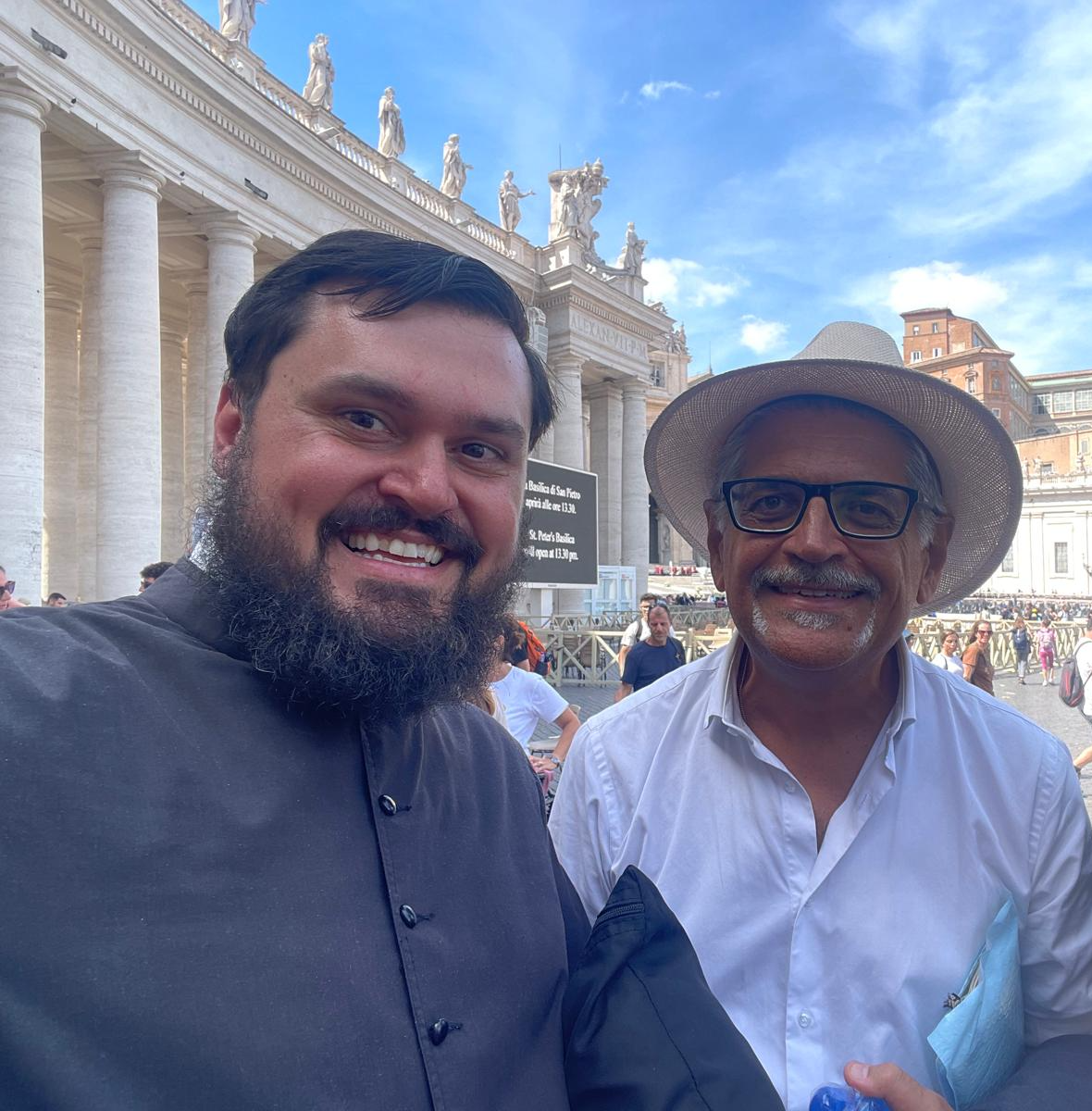
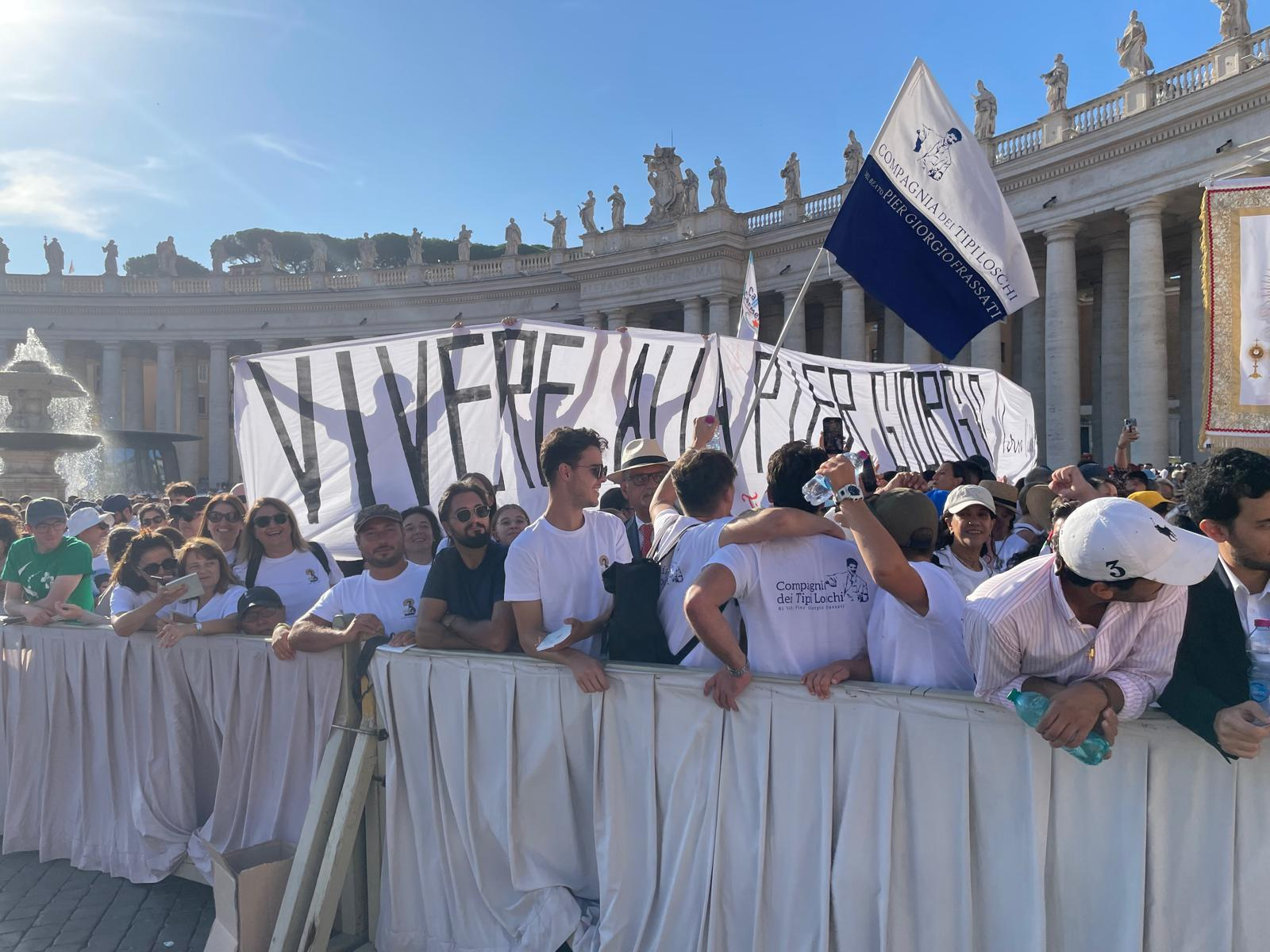
Hertelendy joined his community at Frassati’s canonization in Rome, where he also met up with Father Howe.
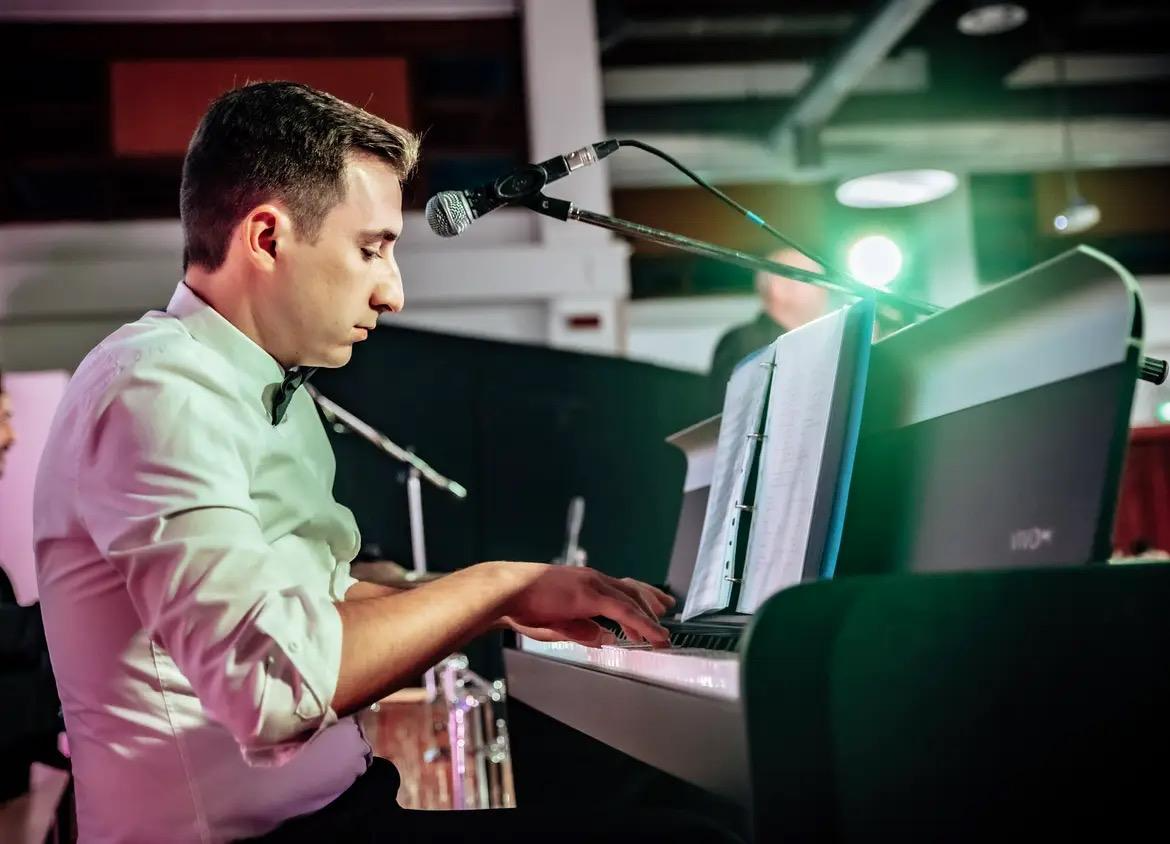
For the Minnesota native, St. Pier Giorgio isn’t a lofty figure, but a friend he has most powerfully encountered in the lay movement inspired by him.
“My life profoundly changed because of this community,” said Hertelendy. “My hope is that more people can build the same relationship with Pier Giorgio that we have.”
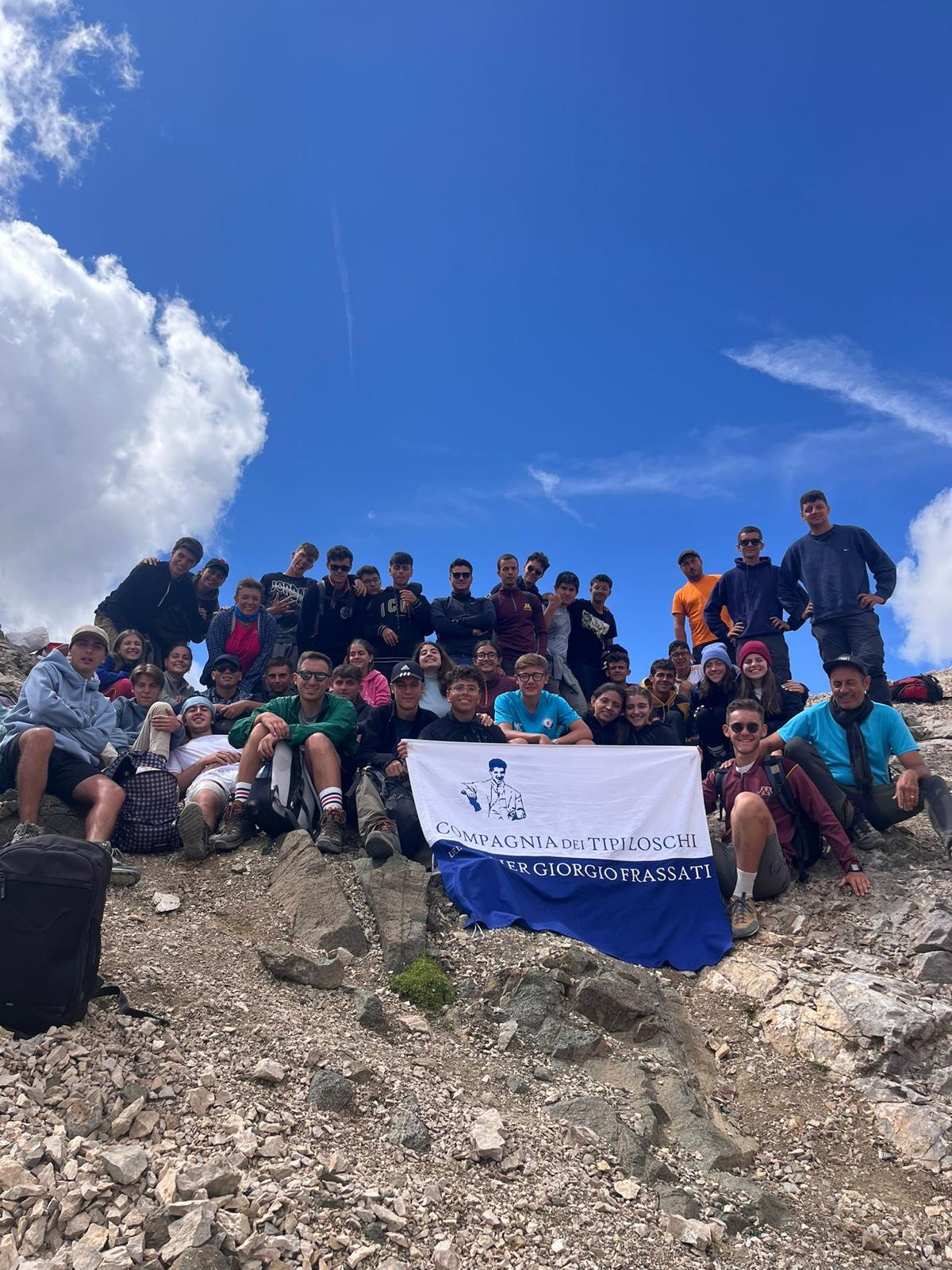
And for Hertelendy and other U.S. Catholics who have met the Tipi Loschi, Frassati’s canonization was an affirmation that friendship and Christian community are worth pursuing — whether on the Adriatic or in America.