Candlemas Is Making a Comeback, With a Mexican Twist
Known among people of Mexican descent in the U.S. as ‘La Candelaria,’ the traditional Feb. 2 feast bids farewell to the Christmas season not with a whimper, but with a bang.
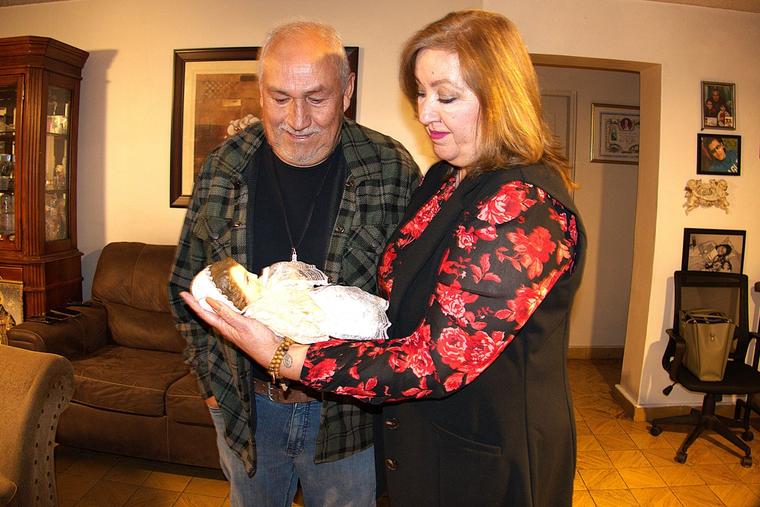
Sylvia Monroy vividly remembers Christmas Eve 1991.
The housewife had prayed to God that her family, which had been separated, would be together for Christmas. That night, at 11 p.m., a friend brought a gorgeous, life-size figure of a Nativity Baby Jesus to her home in Nogales, Mexico, located just next to the Arizona border.
“My friend told me I had won it in a raffle. But I cannot remember ever taking part in a raffle,” recalled Monroy. “But that night, we got our sign. Our family got together. We carried the Baby Jesus and sang lullabies to him. It was a miracle.”
This Monday, Feb. 2, Monroy and her husband, Jose Luis Ortiz, plan to take their made-in-Spain resin, life-size Niño Dios (“Divine Child”) to their parish for Candlemas Day. Monroy says that the statue inspired her to start Santa Filomena, her small Catholic gift shop, which to this day is still going strong.
Since the fourth century, Candlemas has been a significant feast in the Catholic Church, marking not only the official end of the Christmas season, but also the Presentation of Our Lord in the Temple and the Purification of the Virgin, according to Charles Coulombe, a prolific writer, historian and papal knight, author of Zita: Empress of Austria and Queen of Hungary.
The celebration of Candlemas has held firm in the rest of the world and in many non-mainstream regions in the U.S., especially in some Polish parishes and in places like Southern Louisiana and in Spanish-speaking Latino churches, according to Coulombe. But due to a lack of promotion during the last few decades, it has became somewhat of a sleeper feast in English-speaking American churches, except when it falls on a Sunday (as it did last year), Coulombe said.
But that was then. With its rich, centuries-filled plethora of devotions, the use of candles and statues of the Baby Jesus, Candlemas is making a comeback, reported Coulombe.
La Candelaria
Originally, Candlemas Day was known for its beautiful Masses and elaborate blessing of candles, often lit by believers when praying for safety amid hurricanes and earthquakes and for ministering to the sick, said Katia Perdigón, an anthropologist for the National Coordination for the Conservation of Cultural Heritage in Mexico City.
But the tradition of taking a Baby Jesus statue to church to get it blessed, dressing it in different clothing called ropones, and later making a tamale feast at home with relatives and friends dates back to early 20th century Mexico, she said.
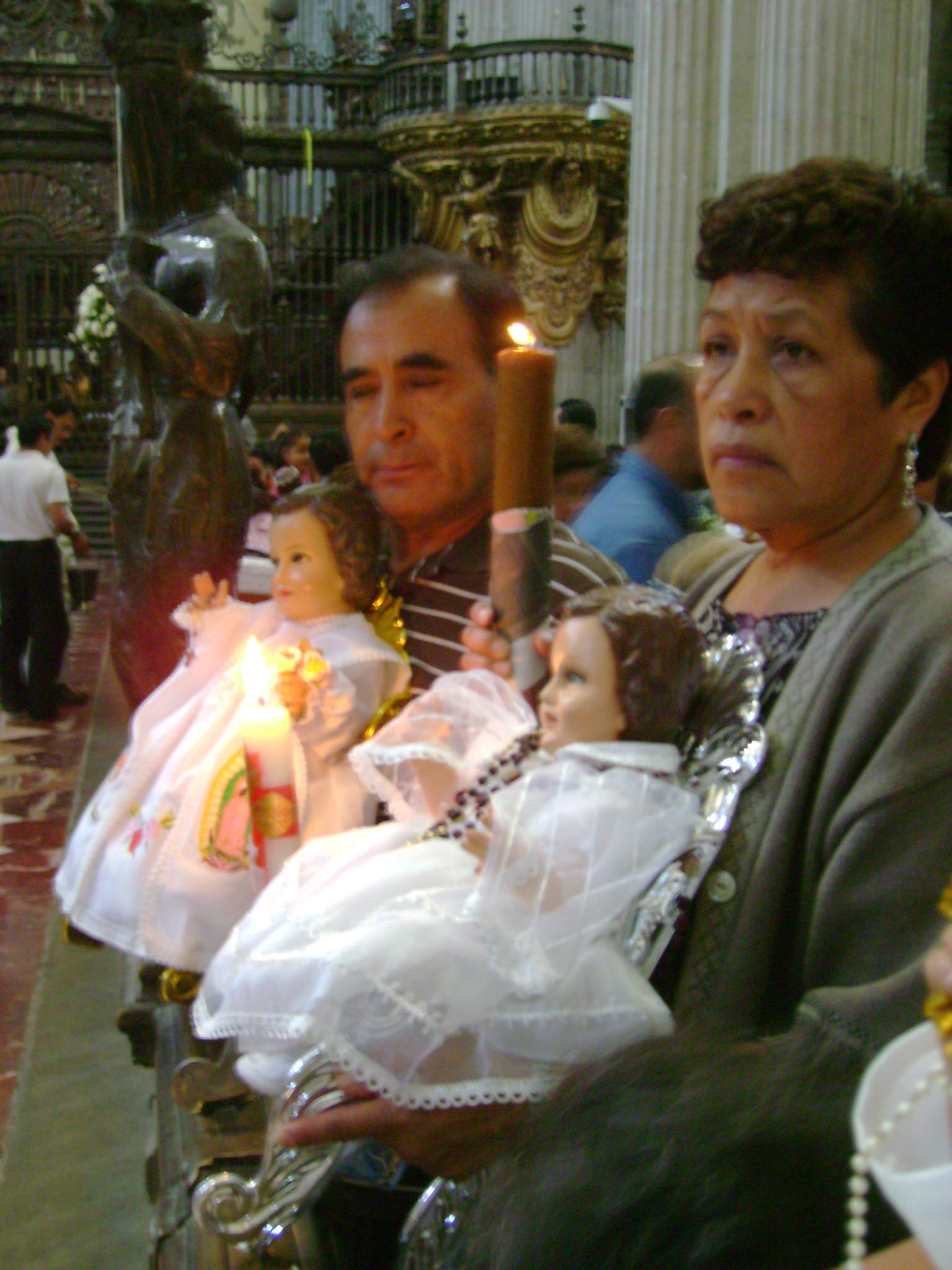
After investigating, Perdigón concluded that no one knows for sure how the new practice of taking the Baby Jesus to Candlemas started in Central Mexico, since in other parts of the country the celebration of La Candelaria is mostly about the liturgical feast and the blessing of candles. But newspaper accounts of the 1920s report that priests and nuns asked parishioners to take their statues to church to have them blessed..
Perdigón said La Candelaria was once a dying feast, which prompted her to write her book about it, Mi niño Dios (“My Divine Child”). But like Coulombe, she has noticed that Candlemas is undergoing a revival, especially now in times of great spiritual need that are eerily similar to the early 20th century, when Mexico had been pummeled by a bloody civil war and later the Cristero War, which pitted Catholics against the atheistic Mexican government.
“Now we have pandemics, the problem of insecurity, lack of employment, illnesses, the loss of family ties,” Perdigón said. “I think it is this situation that is calling us, that is pulling us.”
Candlemas, a Refuge From ‘Ungrateful Present’
But for Elizabeth Berruecos, director of the Camino Program at the University of Notre Dame’s McGrath Institute for Church Life, who coordinates online theology courses in Spanish, La Candelaria is a way to keep her rich, Catholic traditions going. Originally from Papalotla de Xicohténcatl, an Indigenous community in Central Mexico, she recalls that as a child she would tenderly “lull the Baby Jesus” during Christmas with her grandmother and have a feast of tamales on Candlemas day.
“Choosing godparents for Jesus, celebrating his presentation, clothing the figure of Jesus and singing Jesus to sleep are all very tangible ways of inviting God into our lives,” said Berruecos, who is very proud of her Indigenous heritage.
“The Word became flesh and dwelt among us so that we might know and love him in the ways most proper to our human nature. These Mexican traditions are deeply human, and they help us to incorporate Jesus into the lives of our families, treating him as if he were one of us and showing hospitality to him as if he were among us.”
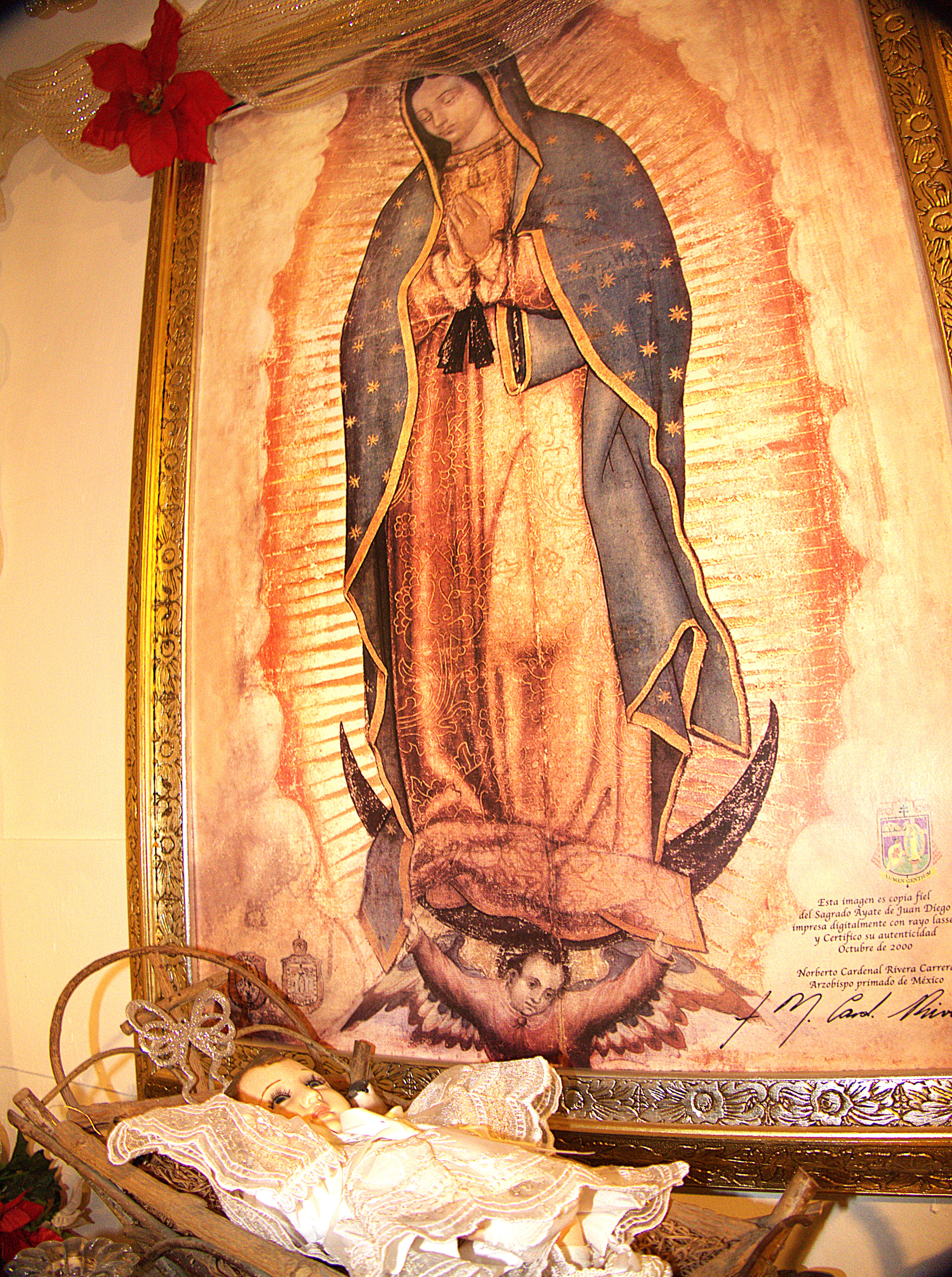
In places like El Mercadito of East Los Angeles, Mexican vendors sell thousands of Baby Jesus figures, especially from Christmas to Candlemas day, said Esperanza Gomez, of Artesanias Ortega, who has seen the feast of La Candelaria grow every year.
Coulombe believes that the rising popularity of Candlemas, like other feasts of the Christmas season that are creeping back even in the secular world, is due to a yearning for a longer holiday season. The need is not only religious and spiritual, but also psychological, he said.
“Candlemas is the end of the Christmas season. It’s an important element of it. It gives us a reason to continue to try to keep up something of Christmas,” Coulombe said. “Candlemas Eve was traditionally the time when you took down all the remaining Christmas decorations. These traditions are, in a real sense, refuges from what modern life has become. They take you away from the ungrateful present.”
Journalist Cesar Arredondo assisted with reporting from Los Angeles.
- Keywords:
- candlemas