What’s Happened to Hospice?
From its origins as a Christian work of mercy, the $31-billion hospice industry faces mounting fraud and private-equity greed — and pro-life advocates fear the expansion of assisted suicide will only make matters worse as they remain committed to upholding patients’ dignity at the end of life.
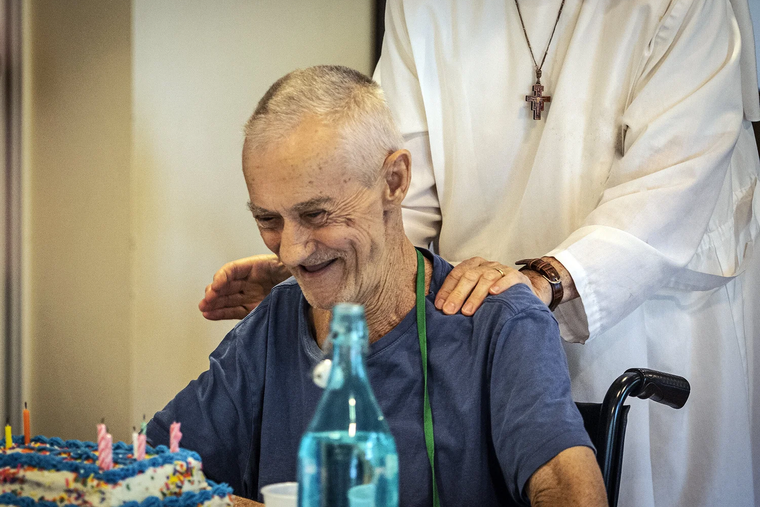
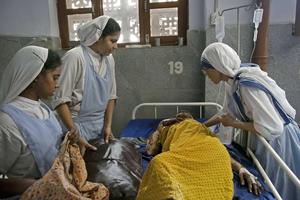
Many Catholic families can testify to the positive experiences they’ve had with hospice programs that cared for loved ones in their final days with dignity and compassion.
But recent news reports about rampant fraud have cast hospice in a different light. In June, for example, federal authorities charged the operator of multiple Los Angeles hospice businesses, along with a group of alleged accomplices, with a $27-million fraud scheme that involved stealing the identities of dead people and billing the government for phony healthcare services, using the proceeds to pay for luxury items including lease payments on a Rolls-Royce Phantom sedan that costs more than $500,000.
“Can you imagine anything more low than to pretend you’re taking care of dying people when you’re not?” said Wesley J. Smith, chair and senior fellow at the Center on Human Exceptionalism, a bioethics and public policy program of the Seattle-based Discovery Institute that focuses on issues of human dignity, liberty and equality.
Hospice leaders and other experts say the flood of such hospice scandals is symptomatic of a profit-driven mindset that has taken hold in what is now a $31-billion-a-year industry, moving hospice farther and farther away from its roots as a Christian work of mercy predicated on the fundamental dignity of human life.
“I’m a big supporter of good hospice care,” Smith said. “But I’m worried about the direction hospice is going.”
Smith isn’t alone, and it isn’t fraud that worries him most. With physician-assisted suicide becoming legalized in a growing number of U.S. states, pro-life hospice advocates fear some hospice operators, focused more on the bottom line rather than ethics, will present it as simply another end-of-life option for vulnerable patients and their families.
It’s not just a hypothetical danger.
Under New York’s Medical Aid in Dying Act, set to take effect Aug. 5, even pro-life Catholic-run hospice centers and other religious healthcare providers may be at risk. As a result of the new legislation, hospice workers could face stiff penalties if they refuse to discuss physician-assisted suicide with their patients — and refer those who want to end their lives that way to physicians who will provide them with counseling and prescribe them lethal drugs to commit suicide.
The law’s religious-exemption clause is so narrowly written that one religious community — the Benedictine Missionary Sisters of St. Benedict — believe they would have to allow the prescription and the ingestion of suicide drugs on its property.
In response, Bishop John Barres of the Diocese of Rockville Centre and four communities of religious sisters have filed a lawsuit against New York’s attorney general and commissioner of health, claiming the law violates their First Amendment rights to free speech and the free exercise of religion.
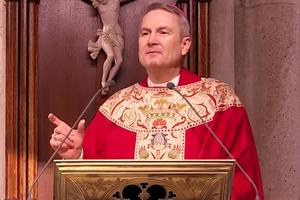
“We will never submit to New York’s culture of death,” Bishop Barres said in a statement through his attorneys at Becket, a religious liberties law firm.
“Assisted suicide is a grave moral failure that puts the elderly, the disabled, and those suffering from mental and emotional illness at risk of abuse and manipulation,” the bishop said. “Christ the Divine Physician calls us to accompany the sick and dying with compassion, not abandon them to death. The court should protect that millennia-old mission.”
If the law is enforced, violations could result in the loss of operating licenses, civil penalties of $2,000 per violation and potential criminal liability, including up to a year in prison.
Physician-assisted suicide is currently legal in 13 states and Washington, D.C., and lawmakers in at least 15 additional states — including Massachusetts, Rhode Island and Virginia — have introduced legislation to legalize the practice.
From Movement to Medicare
The debate over hospice’s future begins with understanding its original purpose.
Hospice and palliative care are often used interchangeably, though they serve different roles. According to the U.S. Conference of Catholic Bishops (USCCB), palliative care focuses on relieving pain, symptoms and stress for people with serious illness while they continue curative treatment. Hospice is a form of palliative care for people approaching the end of life, when the focus shifts from curing disease to comfort and accompaniment.
The modern hospice movement is closely associated with Dame Cicely Saunders, the Anglican physician who founded St. Christopher’s Hospice in London in 1967. Saunders emphasized that patients should never be abandoned and described “total pain” as encompassing physical, emotional and spiritual suffering.
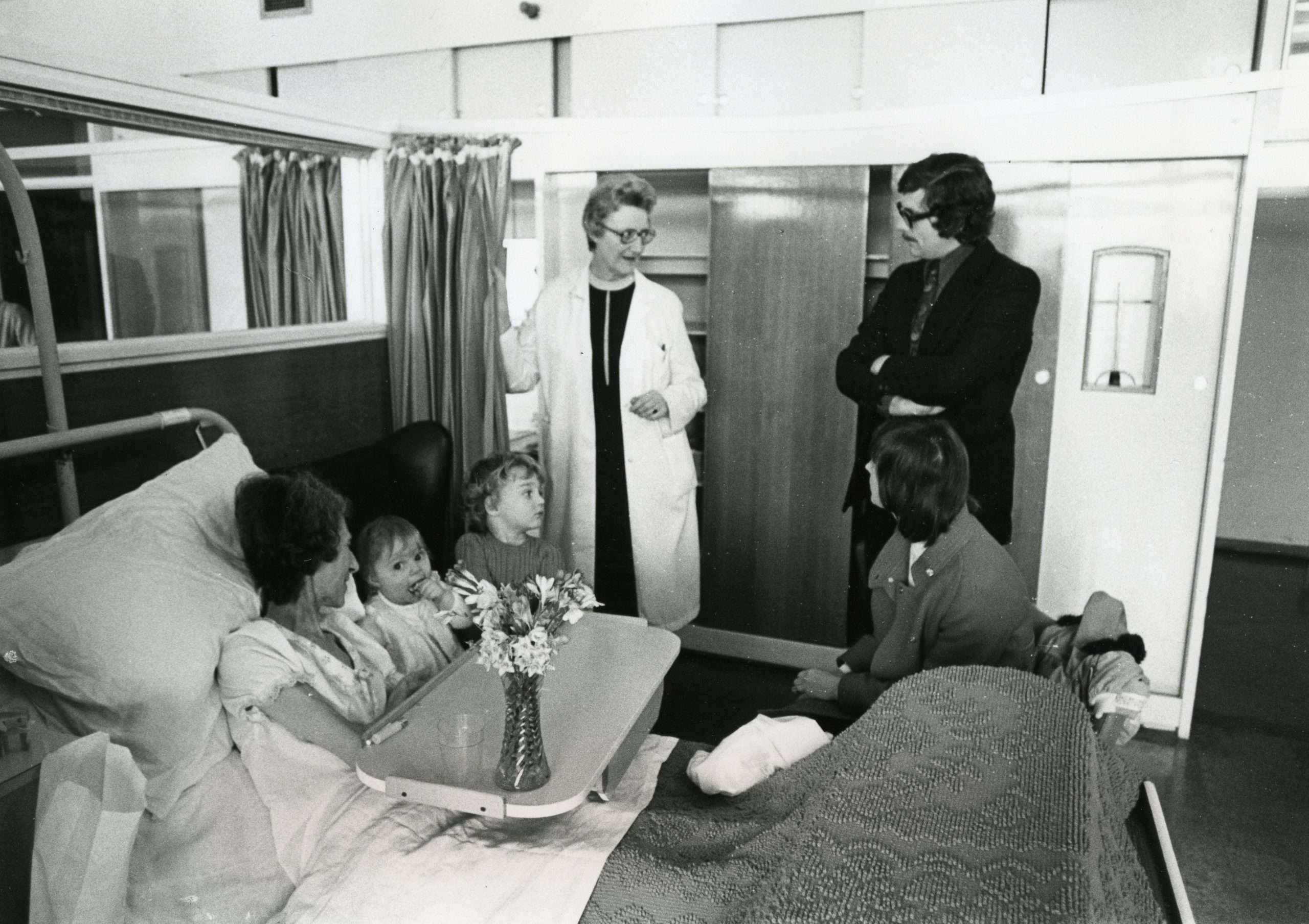
Smith, who interviewed Saunders before her death, said her vision of hospice centered on helping patients live as fully as possible in the time they had left. He said Saunders was also critical of the way hospice care developed in the United States, particularly the Medicare hospice benefit’s requirement that patients have a prognosis of six months or less to qualify for coverage.
“When [hospice is] done properly, it’s about living, not dying,” Smith said. “The idea is to help the patient have as good a life as possible under the circumstances through various multidisciplinary interventions.”
Saunders’ model was formally adapted in the United States in 1974 with the founding of The Connecticut Hospice by Florence Wald, who had been inspired by Saunders’ work. More than a decade later, Congress established the Medicare hospice benefit through the Tax Equity and Fiscal Responsibility Act of 1982, with coverage taking effect in 1983.
Medicare helped expand access to hospice by creating a reimbursement system in which providers receive daily payment for each day a patient remains enrolled, regardless of the amount of care provided.
According to the Centers for Medicare & Medicaid Services’ (CMS) fiscal year 2026 hospice payment rates, providers receive $224.62 per day for routine home care during a patient’s first 60 days of hospice and $176.92 per day after day 60, with higher payments available for more intensive services.
Hospice demand has grown alongside the nation’s aging population and rising chronic illnesses such as dementia, cancer and cardiovascular disease. Baby boomers make up about 20% of the U.S. population — roughly 73 million Americans. According to the Brookings Institution, the nation’s population aged 80 and older is projected to nearly double from 14.7 million in 2025 to 29.4 million by 2045, increasing demand for long-term care services, including hospice.
Those demographic factors have transformed the hospice landscape. According to the University of Pennsylvania’s Leonard Davis Institute of Health Economics (Penn LDI), the number of Medicare hospice users grew from 500,000 in 2000 to 1.8 million today, while annual Medicare spending on hospice increased from $3 billion to $23 billion during the same period.
The ownership structure of hospice providers changed alongside that growth. In 2000, about one-third of hospice agencies were nonprofit organizations, according to Penn LDI. Data from the March 2026 Medicare Payment Advisory Commission (MedPAC) report to Congress shows that, today, more than 80% of all U.S. hospice agencies operate as for-profit organizations. Research from the National Center for Biotechnology Information found that private-equity ownership of hospices also tripled between 2011 and 2019.
Private-equity-owned hospice agencies are operated by investment firms rather than nonprofits or independent owners. Supporters argue these models can expand access, while critics question whether financial incentives align with hospice’s patient-centered mission. Penn LDI found that nonprofit hospice agencies generate yearly profit margins of roughly 5%-6%, compared with about 18%-22% among for-profit private-equity or publicly owned agencies.
National hospice data does not categorize providers by religious affiliation, but Catholic hospices represent only a small share of the overall field. Based on CMS ownership data, an estimated 100-200 Catholic hospice providers operate in the United States, representing roughly 2%-3% of all hospice providers.
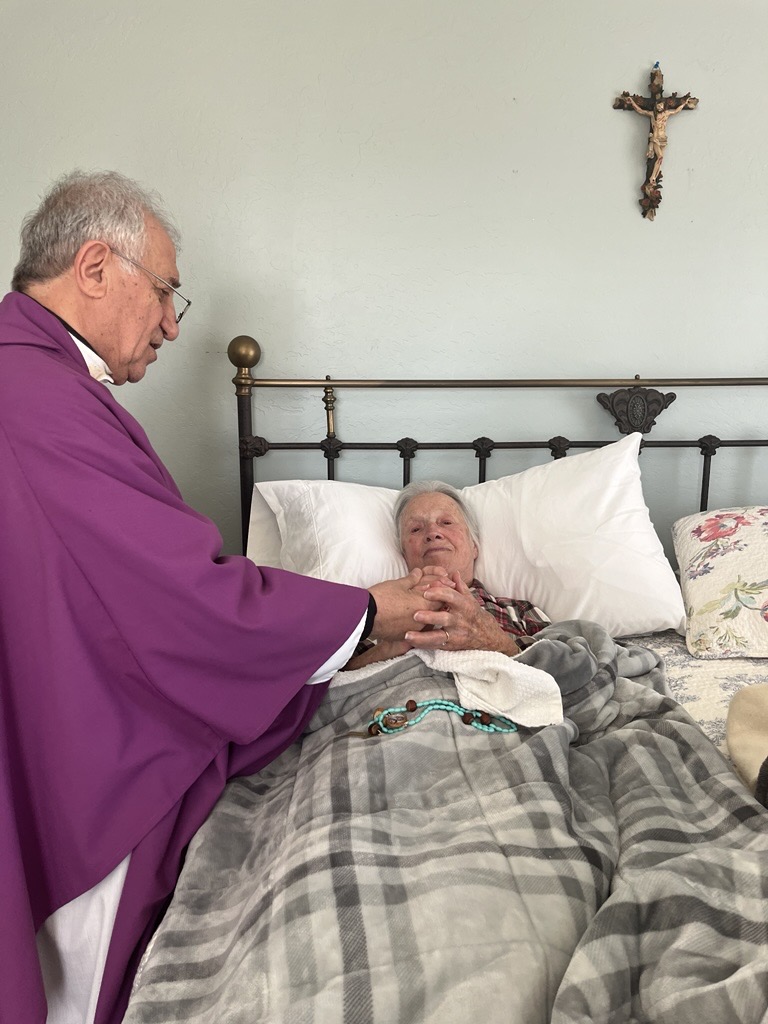
Dr. Ira Byock, a physician and longtime leader in hospice and palliative care, said the expansion of hospice remains one of the field’s greatest achievements, allowing millions more Americans to receive end-of-life care outside of hospitals. His concern, however, is that increasing commercialization has changed the priorities of some providers.
In a 2024 virtual seminar hosted by Penn LDI, Byock said he initially supported the growth of for-profit hospices in the 1990s because he believed they could expand access while maintaining quality care. At the time, he said, “those initial for-profit programs were wholly owned by individuals or families that were zealots for access to services and quality of care.”
But he said the landscape began changing in the early 2000s, when some large hospice companies became publicly traded and new management structures placed greater emphasis on financial performance.
“After that we watched the hospice quality spiral down and the attitudes of the new management focus on finances,” Byock said.
“I am not against for-profit hospice care,” he noted. “I’m an American and a capitalist. I think there is a place for for-profit hospice care, but those programs must succeed by delivering consistently high-quality care and, unfortunately, that’s not what we’ve seen.”
He pointed to staffing pressures as one example, telling the Register that “it’s not uncommon these days, particularly in corporate hospice programs, for hospice physicians to be responsible for 150, 200 or even more patients at a time.” That, he said, is “dangerous” when a well-trained physician should be caring for around 70 patients at a time.
Fraud, Failure and Lost Trust
As hospice has grown into a larger and more complex industry, concerns about financial incentives have been accompanied by reports of more serious abuses. A ProPublica report documented numerous examples of alleged misconduct, including providers accused of enrolling patients who did not meet hospice eligibility requirements, using stolen identities to bill Medicare and creating financial incentives tied to patient enrollment.
In one case, a 29-year-old pregnant woman in the Mississippi Delta discovered she had been placed on hospice without her knowledge during a routine blood test.
California is home to some 2,200 hospice providers, nearly 40% of the national title, with the lion’s share based in the Los Angeles area. Between 2010 and 2023, the number of hospice companies in Los Angeles County spiked 1,500%, with a corresponding rise in suspected fraud, according to a report by the state auditor.
A recent CBS News investigation found that 700 of the roughly 1,800 hospices in LA County trigger multiple red flags for fraud as defined by the state.
The recent federal investigations, Byock said, have brought renewed attention to warnings that some within the hospice field had raised for years.
“Some of us in the field who have been close to this have been seeing this happening over the years and have been trying to get attention from the Department of Justice and Medicare,” Byock said. “I’ve been trying to get the national press to pay attention to this for several years, but frankly, they’ve been ignoring it. And now it finally burst through.”
Catholic leaders point to developments outside the United States as another reason for concern. Joseph Meaney, senior fellow at The National Catholic Bioethics Center, which provides ethical guidance on healthcare issues from a Catholic perspective, said Catholics should pay particular attention to Canada, where Medical Assistance in Dying (MAID) was legalized nationwide in 2016.
The debate has become especially visible in British Columbia, where Catholic healthcare institutions have faced questions over whether they can remain MAID-free while participating in the public health system. A 2024 government report also raised questions about the practice’s implementation, finding that more than half of MAID cases reviewed in the province involved errors requiring follow-up inquiries, including hundreds that raised compliance concerns.
“Thankfully the U.S. is not Canada,” Meaney said, “but I’m fearful because what’s happening there sort of gives you an impression of where things are headed here in the States.”
While the United States has stronger religious-liberty protections, Meaney said Catholic organizations are still seeing “pressure building” to participate in assisted-suicide systems, including through referrals to providers who offer the practice. He described such involvement as part of a larger movement that, in his view, “kills patients rather than affirms their dignity.”
‘To Live and to Die Well’
The abuses uncovered within parts of the hospice industry have not only harmed patients and families; they have also damaged trust in providers that remain committed to hospice’s original mission of respect for human dignity.
For Catholic hospice organizations, preserving that mission means helping families understand hospice as a form of care centered on accompaniment and spiritual support at the end of life. Lynn Grandon, interim CEO of Emmaus Catholic Hospice in Greenwood Village, Colorado, described comprehensive hospice as the “holy alternative” to physician-assisted suicide.
That vision shapes the work of Emmaus, a faith-based nonprofit home hospice provider that serves nearly 200 patients through a team of physicians, nurses, social workers, volunteers and chaplains. Grandon said the organization’s Catholic identity influences every aspect of its approach to care.
“What makes Catholic hospice care different,” she said, “is that you’re taking care of the whole person. We know this world is not our home, so we want to prepare [patients] for their eternal home in heaven.”
Sister Maria of the Trinity, a registered nurse and founder of Gospel of Life Disciples + Dwellings (GOLD), has seen those questions arise in her own work caring for vulnerable people at the end of life. Through its locations in Moore, Oklahoma, and Grand Prairie, Texas, GOLD provides life-affirming end-of-life care and housing for elderly and impoverished individuals who might otherwise face death alone, while working alongside hospice agencies rather than operating as a hospice provider itself.
Sister Maria said stories of fraud and abuse have led some people — including some Catholics — to view hospice with suspicion or even dismiss it entirely as “a means to kill a loved one.”
“You can’t throw the baby out with the bathwater,” she said. “We need good hospice care, and we need to be part of that discussion surrounding people’s healthcare options.”
She argued that this approach reflects the Catholic Church’s long-standing tradition of caring for the sick and dying, noting that “the genesis of modern hospice care is from within the Church’s tradition” and that accompanying the dying means recognizing that “to live and to die well is [a] part of our human experience,” rooted in “the passion, death and resurrection of Our Lord.”
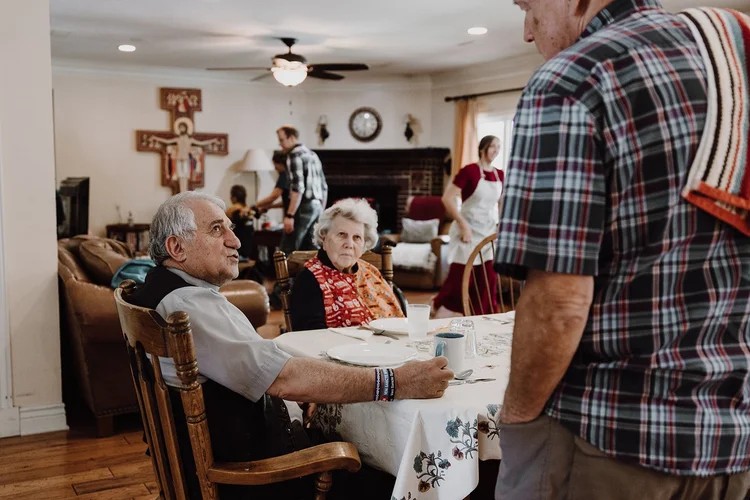
For families choosing hospice care, Grandon emphasized the importance of planning ahead, particularly by preparing a medical power of attorney: an advance directive that allows a designated person to make medical decisions if a patient becomes unable to do so.
“The medical power of attorney is tremendously important,” Grandon said. “You have someone who knows the patient and understands their wishes and desire for Catholic care at the end of their life.”
She also cautioned families to look beyond general language in informational materials and understand a provider’s approach to end-of-life care.
Currently, there is no centralized directory of Catholic hospice facilities and organizations. While several dioceses in states where physician-assisted suicide is legal do not specifically list Catholic hospice providers on their websites, others have developed end-of-life resource pages that include hospice referrals, including the Archdiocese of New York and the Archdiocese of Denver. Some Catholic Charities agencies also maintain similar end-of-life resources.
When choosing a hospice provider, families can ask important questions about the organization’s approach to end-of-life care, including whether it participates in physician-assisted suicide, its philosophy on pain management and whether its practices align with a life-affirming understanding of the human person.
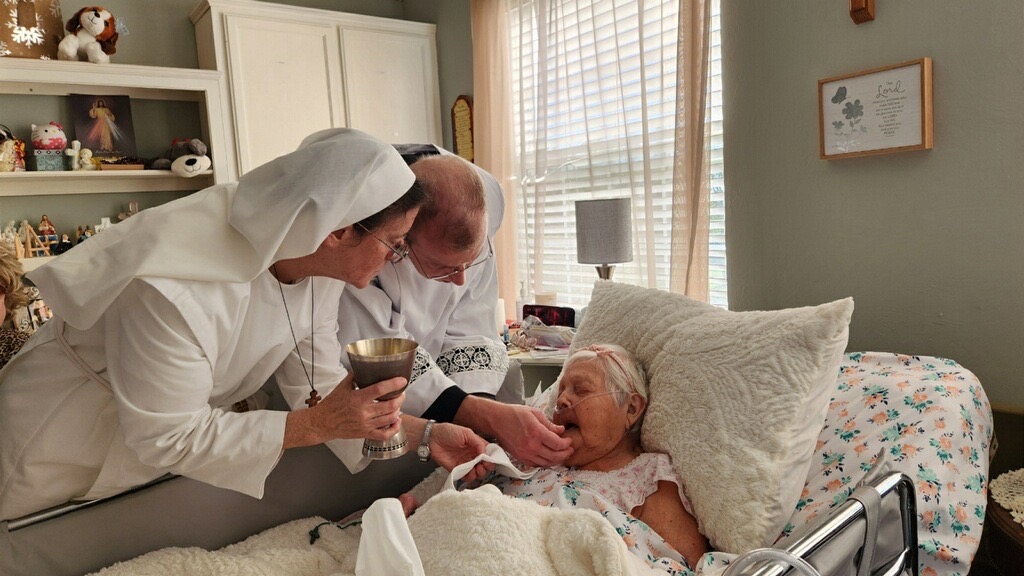
The goal, advocates emphasize, is not to reject hospice because of abuses that have occurred, but to ensure that patients receive care that respects their dignity and accompanies them through the natural process of dying.
For Grandon, the impact of that accompaniment can be seen in the stories families leave behind. She recalled one Emmaus patient, a military veteran who received a special ceremony honoring his service before his death. During the family’s bereavement period, relatives shared that because of the care their father received, their entire family was returning to the Catholic faith.
“Only Our Lord has the power over life and death, and it’s not appropriate for us to hasten death,” she said. “But the joy for us is knowing that God has called us to this mission, and we know the darker it gets, the brighter our light is going to shine.”