When a Coffee ‘Side Hustle’ Turned Into a Calling
COMMENTARY: I wasn’t even planning on starting my own business. But God had different plans for me.
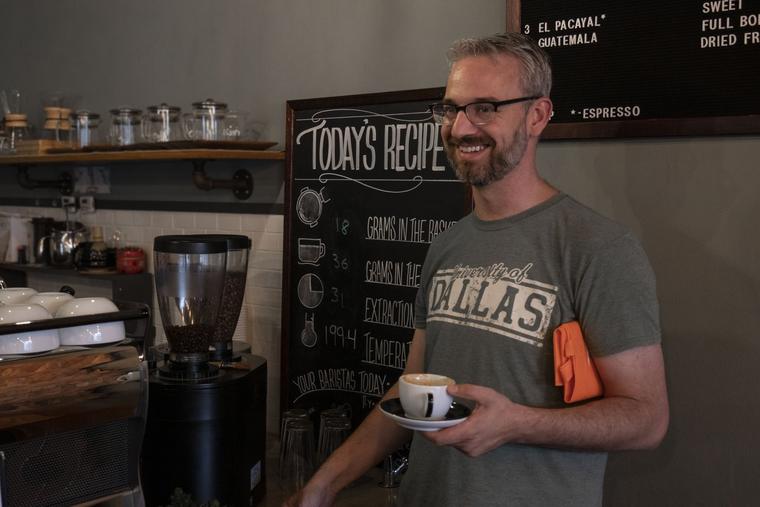
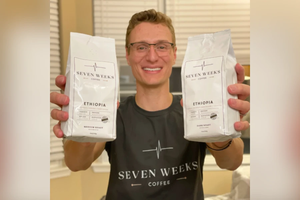
I didn’t wake up thinking, “I’ll run a Catholic coffee company.” I wasn’t even planning on starting my own business. But God had different plans for me.
My love for coffee began as a kid, when cups came loaded with cream and sugar. The thrill wasn’t just the taste; it was the ritual — the search for the local café on family trips, always my café mocha in hand.
In high school, I worked at a local shop in Tomball, Texas, and a few years later, while studying at Holy Trinity Seminary, I discovered home roasting. Roasting let me control quality and share better coffee with my fellow seminarians — an early glimpse of a vocation I could live out in a broader way.
After discernment, I left seminary, spent time with the Salesians of Don Bosco, and moved back to Houston to work in youth ministry. I married, started a family, and kept roasting for ourselves and a few friends.
When my wife suggested I turn the roasting I already did into a business, I wasn’t sure at first. Then a providential moment: I asked God for a sign, and a local roaster invited me to roast on site and store green coffee there — an invitation that turned possibility into reality.
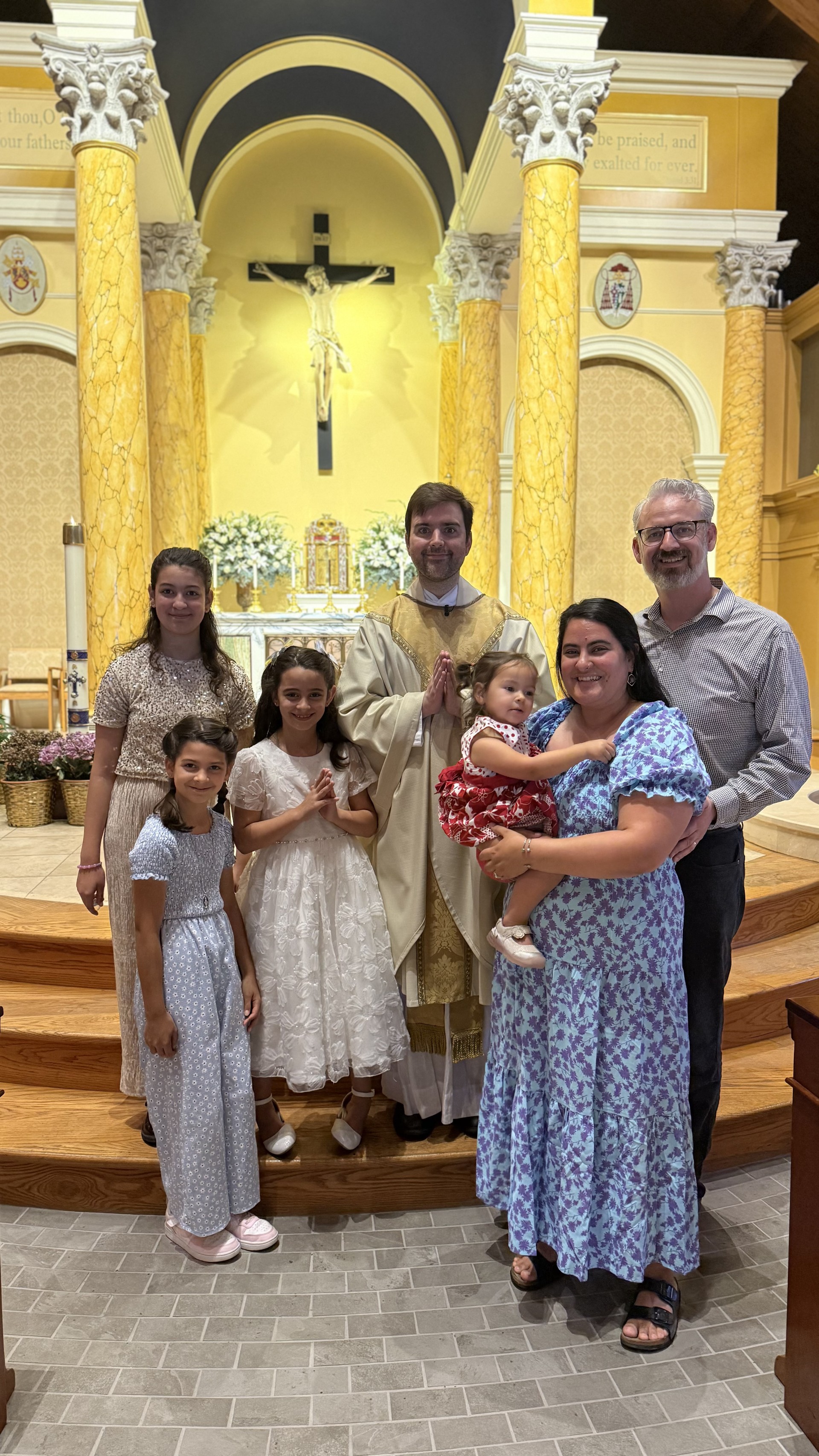
Holding our second daughter, Zelie, I was inspired for the name of our business: Zelie Beans Coffee. My wife challenged me with humor about our other children’s names, but the vision was clear: a Catholic, family-centered business built on relationships, quality, and service. Our mission — Families Helping Families Through Specialty Coffee — was born from that moment, shaping every choice from sourcing to how we treat workers. Eight years in, what started as a side hustle has become a calling I feel God continues to confirm every day.
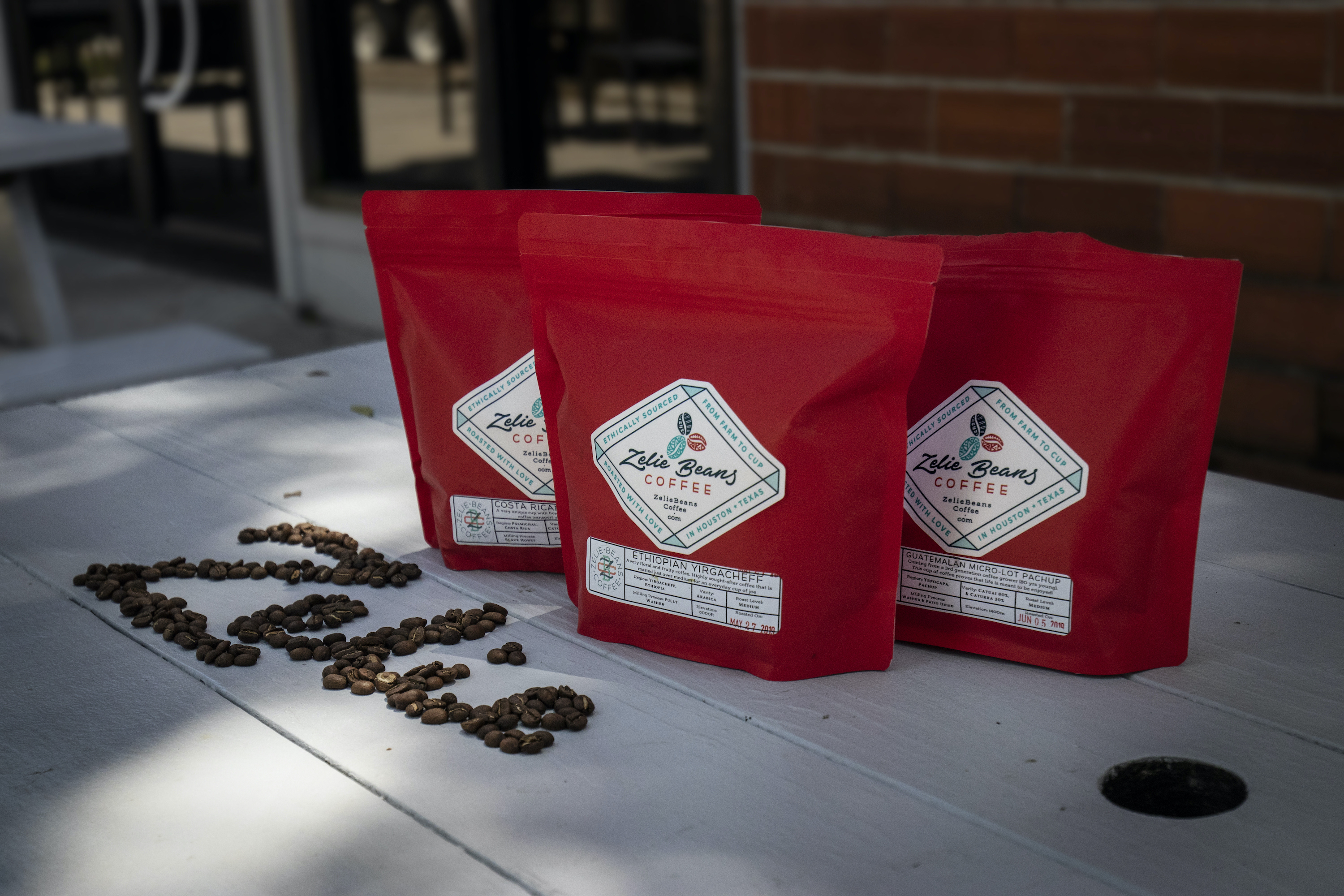
Approach to Sourcing
Zelie pursues high-quality coffee, something that respects the people who grow it, the families who process it and the customers who drink it. It isn’t just about exceptional coffee; it’s about an approach to sourcing, pricing, and partnering that puts people first. We pay above fair-trade wages and, where possible, partner directly with growers. We only use importers we trust and invest in relationships that uplift entire communities. Every bag tells a story of living wages, transparent practices, and a community of families helping families through specialty coffee.
Built on Relationships
Marco walked into my roastery. He told me that while he loved his farm in Guatemala, his family had lost its appetite for coffee cultivation. Marco wasn’t content with the old way — selling through middle men and harvesting a tired market. He wanted to rebuild his farm around specialty coffee, where the work of growing beans could be a path to a brighter future for his family. Our relationship started simply: He would bring me what coffee he could, and I would roast it for him and help him market it.
The following year, fueled by trust and shared goals, he directly exported 12 sacks to the U.S., thanks to a connection I helped open. I kept roasting for him, and we kept refining the process. Now he’s importing more than 20 sacks and roasting much of it himself. I was simply a conduit for him to help his family change the future of their farm.
The Catholic Coffee Drinker
If you’re a consumer who cares about more than a good cup (because if the coffee doesn’t first taste good, the rest will not matter), here are practical ways to help your discernment:
Pricing Clarity: Can they tell you what they paid for the coffee and how much went to the growers?
Living Wages: How is “living wage” defined in each region where they are getting coffees?
Partnerships: Do suppliers work directly with farmers or through intermediaries? What are the long-term commitments?
Impact: Does the company reinvest in farming communities, education, or infrastructure? Are there verifiable stories or data?
Certifications: View labels (“fair trade,” “direct trade,” etc.) as indicators, not guarantees — ask for context, relationships and price data behind the label.
Not long ago, I had the motto of the Salesians of Don Bosco tattooed on my arm with an image of a coffee plant. That motto is, “Da Mihi Animas, Cetera Tolle” — “Give me their souls, take away the rest.” I learned this while with the Salesians and it has always stuck with me. For St. John Bosco, to save one’s soul, he needed to remove the obstacles in the way. Often, that was the financial hardships that the young were encountering, or the harsh working conditions they had to deal with. So, I like to be reminded, by helping families at the farms receive the help and aid they need, they will have a better opportunity to be open to the will of God. And, by providing great coffee to the families in homes here in the U.S., we are giving families the energy they need to live out their vocations.
- Keywords:
- coffee
- catholic entrepreneurs