RFK Jr. Affirms Human Life Is Sacred
EDITORIAL: A recommitment to the foundational moral and ethical principle that all life is sacred, at every stage, is needed.
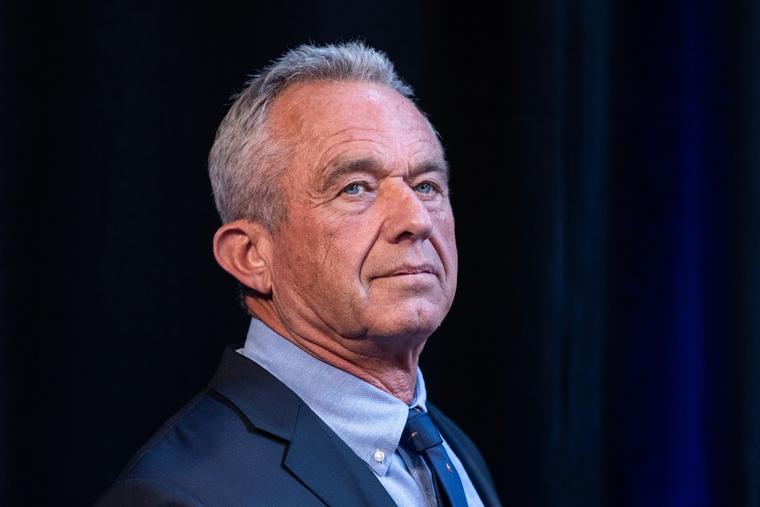
Affirmations of the sanctity of human life from a U.S. bureaucracy certainly aren’t an everyday occurrence, so it was notable on July 21 when Health and Human Services (HHS) Secretary Robert F. Kennedy Jr. did precisely that in sharing the disturbing findings of a federal investigation into the operating practices of a federally funded organ-procurement organization.
The investigation by the HHS’s Health Resources and Services Administration examined 351 patients for whom organ donation was authorized, but not completed, in accordance with currently accepted U.S. standards for brain death.
Almost one-third of these cases showed “concerning features, including 73 patients with neurological signs incompatible with organ donation.” Additionally, at least 28 of the patients “may not have been deceased at the time organ procurement was initiated.”
In other words, almost 10% of the patients showed clear signs of life, yet the removal of their organs was authorized by the local bureaucratic medical authority. Kennedy rightly described this as “horrifying.”
“The organ procurement organizations that coordinate access to transplants will be held accountable,” he pledged in a statement. “The entire system must be fixed to ensure that every potential donor’s life is treated with the sanctity it deserves.”
There’s that word, “sanctity.” It means “the state or quality of being holy, sacred, or saintly.” It’s a term that resonates with Catholics, including Kennedy, because we understand that life is a gift from God, who has made us in his own image and likeness. Therefore, all human life has inherent dignity — from conception to natural death.
There’s much that can be said and debated about the HHS’ findings and organ donation in general. For now, there are two key points that need to be made.
The first is that, as Kennedy said, the organ-procurement system in the United States clearly needs to be overhauled. The vital necessity of organ donation is indisputable. There are currently more than 100,000 people in the U.S. on the national organ-transplant list. But the system is plagued with problems.
The HHS released the findings of its investigation on the heels of a New York Times exposé that found that “a growing number of patients have endured premature or bungled attempts to retrieve their organs.” This is due to what the Times called “a pattern of rushed decision-making that has prioritized the need for more organs over the safety of potential donors.”
This paragraph from the Times’ report is especially chilling: “In New Mexico, a woman was subjected to days of preparation for donation, even after her family said that she seemed to be regaining consciousness, which she eventually did. In Florida, a man cried and bit on his breathing tube but was still withdrawn from life support. In West Virginia, doctors were appalled when coordinators asked a paralyzed man coming off sedatives in an operating room for consent to remove his organs.”
The Catholic Church has long recognized organ donation as an act of charity. But the Church also has emphasized that the donation must be voluntary and that organs must only be taken from a person who has definitively died. In his 1995 encyclical Evangelium Vitae, Pope St. John Paul II decried any practice whereby “organs are removed without respecting objective and adequate criteria which verify the death of the donor,” calling such a practice a form of “furtive ... euthanasia.”
There is strong evidence now to suggest that is exactly what’s happening — and in more than a few isolated cases. Not only will this revelation impede good-faith efforts to promote organ donation, it also is likely to traumatize many people who authorized the harvesting of organs after being assured by doctors that their loved ones were deceased.
Secretary Kennedy has promised sweeping reforms to federal organ-harvesting procedures. That’s a good start.
Meanwhile, turning to the second point, much more needs to be done to repair the deeply tarnished reputation of the contemporary medical profession, which in recent decades has shifted drastically away from its previous Hippocratic foundation of “do no harm” and a firm appreciation for the sanctity of life.
This can be seen above all in its participation and endorsement of the killing of innocent life in the womb and, in a growing number of countries and U.S. states, the intentional killing of adults and even children through medical assisted suicide, with little regard for the safeguards that are supposedly in place; and the wanton destruction of and freezing of human embryos through in vitro fertilization.
It has also been witnessed through the medical profession’s reckless overprescribing of opioids that have destroyed countless lives; its shameful censorship and demonizing of any dissenting views during the COVID-19 pandemic; its embrace of irreversible transgender surgeries and other harmful medical interventions performed on gender-confused minors — and now, through its implementation of an organ-transplant system that appears to have been harvesting organs from people who are not actually dead.
As Kennedy notes with respect to the federal organ-harvesting scandal, three central defects are in play: “[E]ntrenched bureaucracies, outdated systems, and reckless disregard for human life have failed to protect our most vulnerable citizens.” This same trio of defects is at the root of the medical profession’s other major moral transgressions.
Institutional reforms can remedy the first two defects, at least in part. But only recommitment to the foundational moral and ethical principle that all life is sacred, at every stage, can cure the third and most serious shortcoming.