Ozzy Osbourne, Heavy Metal, and the Sound of Searching Souls
COMMENTARY: Evangelization doesn’t always mean avoiding the noise. Sometimes it means listening for what’s beneath it.
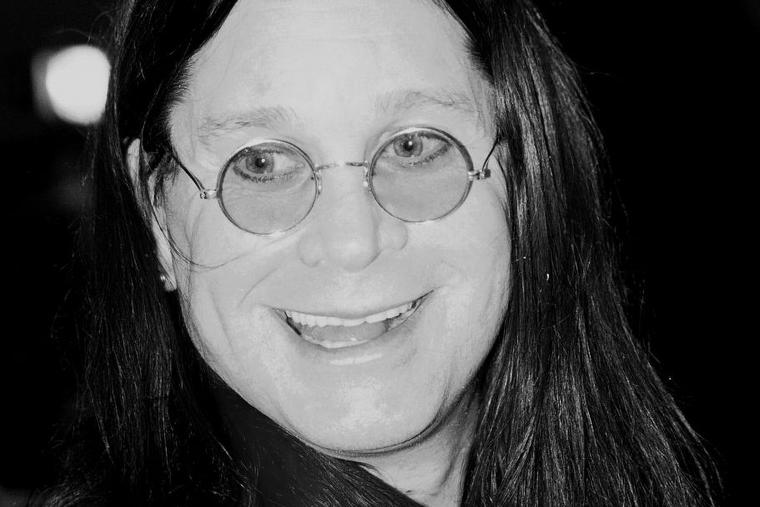
Ozzy Osbourne has died. The voice of Black Sabbath — a band that leaned into scary-movie aesthetics by naming itself after a 1963 Boris Karloff film — has gone silent at 76, just weeks after the band’s final show. While most headlines focus on the mayhem, debauchery and decades of chaos, I find myself thinking back to something quieter … relatively speaking.
The Opening Riff
I was a teenager when I first heard Sabbath’s thunder. I played bass in a garage band in high school — exactly as glorious and awkward as it sounds. We’d cover their songs (usually not very well), but there was something in those riffs that felt bigger than the music. I couldn’t have named it at the time, but I know now what it was: longing.
They didn’t just sound heavy; they sounded like they were searching for something. That became especially clear the first time I went to Ozzfest in Camden, New Jersey, in 2000 — with my dad. He was far from being a “metalhead,” but he was a good sport and came with me. That day was a lot to take in. The volume, the imagery, the intensity. I didn’t quite know what to make of it all — but it stayed with me.
Let me be clear: There was plenty there that didn’t align with the Gospel. But that didn’t mean God was absent from the margins. Now, all these years later, I’m a theology teacher — with a special interest in the theological legacy of Pope Benedict XVI, and an Augustinian affinity for Pope Leo XIV. Funny how life works.
The Verses in Reverse
The band has long been caricatured — and at times, self-caricatured — as dark and dangerous. But to the surprise of many, their lyrics are, to a great extent, not a celebration of evil, but a confrontation with it.
Songs like “War Pigs” aren’t nihilistic — they’re moral warnings, almost apocalyptic in tone. In “After Forever,” bassist Geezer Butler — who was raised Catholic and often explored spiritual themes — begins by challenging those who dismiss the pope as irrelevant. But then, in a striking turn, the song flips the perspective: “Do you think he’s a fool? / Well, I have seen the truth / Yes, I’ve seen the light / And I’ve changed my ways.”
Rather than celebrating darkness, much of the band’s catalog reads more like the Book of Revelation than anything else: full of beasts, judgment, false prophets, and the question of where God is in a world gone mad. At the center of that sound — and of that search — was Ozzy.
The Chorus Out of Chaos
Heavy metal has always been easy to caricature: too loud, too angry and too aggressive. But recent studies suggest the opposite might be true.
Studies have shown that fans of “extreme music,” such as metal, often feel calmer after listening. Researchers describe the experience as cathartic, emotionally clarifying, and even helpful in processing trauma. A 2022 review in Current Psychology found that metal fans tend to show better emotional regulation and stronger peer bonds, while a 2023 study noted reduced stress hormones like cortisol.
In other words, it’s not violence — it’s wrestling with violence. It’s not chaos — it’s a protest against a chaotic world. That’s something the biblical prophets understood — and perhaps something more Christians might consider, too.
That’s not to say Sabbath always sang like psalmists. At times — especially in the early ’70s — they were antagonistic toward organized religion, though that edge softened in later years. But if we’re honest, many of us have passed through a stage like that: questioning the human element in institutions, becoming disillusioned with surface-level piety, and wrestling with the tension between what’s preached and what’s lived.
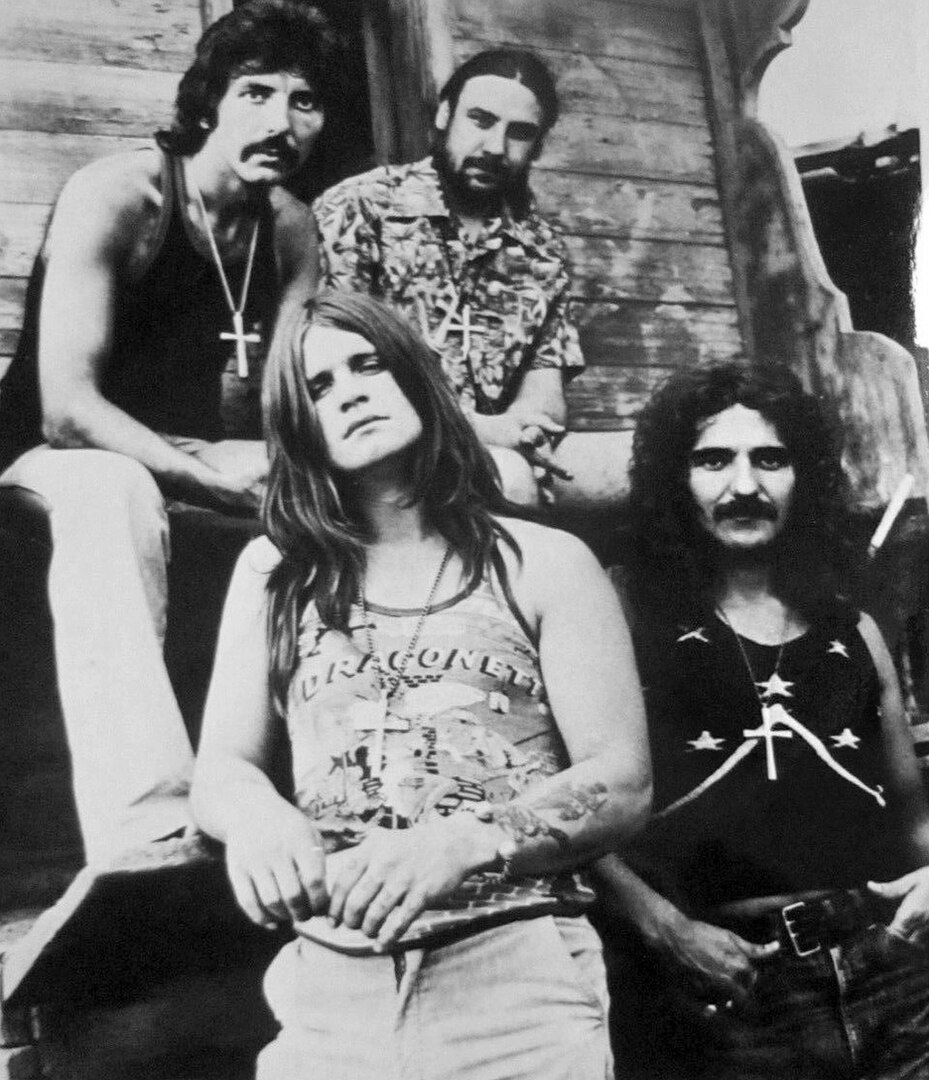
In this light, their rebellion isn’t atheism — Ozzy himself once said, “I believe in God, absolutely” — but disillusionment. It’s a disappointment in sinful people who should have known better. That is a profoundly Christian reaction when it leads us to seek something, or someone, more real. It was Ozzy — through the wail, through the pyrotechnics and smoke — who was often the one delivering the lament.
The Bridge Toward Home
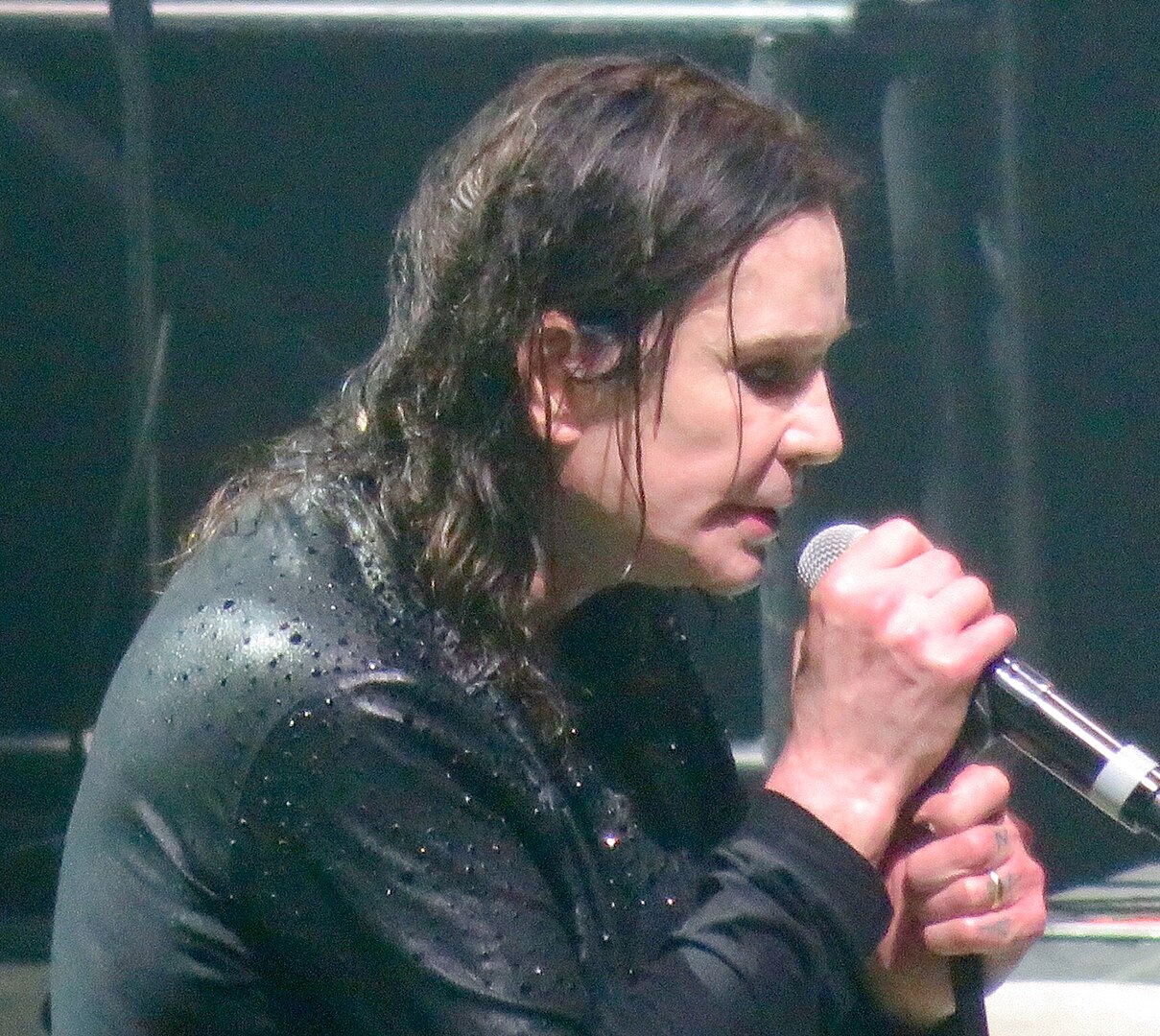
I don’t romanticize those Ozzfest concerts. Far from it. Ozzy Osbourne and his bandmates were not role models, and a lot of what I saw and heard wasn’t good for the soul. But I also saw people — young, messy, wounded people — who were searching. That is where the Church founded by Jesus Christ belongs: not standing timidly far from the cross, but carrying light into those places with the clarity and love only Christ can offer.
Jesus didn’t just teach in sacred spaces; he wandered into tombs, sat with outcasts, overturned tables, and told stories in fishing boats. If he were walking through Camden that day, I don’t think he’d be backstage — I believe he’d be paying special attention to the kids sitting on the grass in their Hot Topic gear, who secretly hope there’s more to life than this.
That experience taught me something I’ve carried into both my classroom and my own life of faith: Evangelization doesn’t mean avoiding the noise. Sometimes it means diving straight into it, listening carefully, and responding not with fear but with hope — the kind that “desires the kingdom of heaven and eternal life as our happiness” (CCC 1817).
The Solo Cry to God
One more thing Ozzy and his bandmates don’t get enough credit for: They were ahead of their time. Long before “mental health awareness” became a cultural concern, they were singing about isolation, addiction, fear, war and psychosis. They weren’t glamorizing the darkness — they were naming it. And naming things, in both theology and mental health, is often the first step toward healing.
Now married to a mental health professional, I’m growing in my awareness of this — and I see how true it is.
For example, consider their most famous song, “Paranoid.” It’s fast, catchy, and now a staple of classic rock radio. But most casual listeners don’t realize that Geezer Butler later revealed he wrote the lyrics while quietly battling depression.
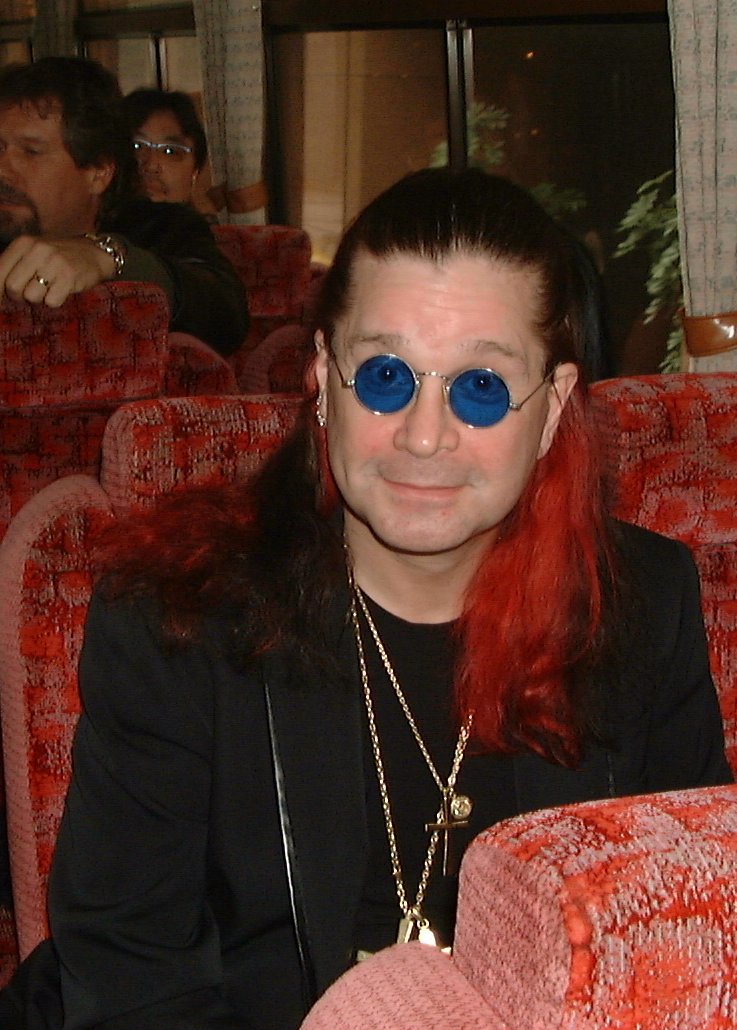
In interviews years later, he described the song as a cry from inside the fog. It wasn’t rebellion — it was raw vulnerability. And it stands as one of the earliest mainstream songs to give voice to what we now recognize as clinical depression.
Consider, too, Iron Man, a riff-driven classic that sounds like a sci-fi horror story on the surface, but beneath that exterior is a warning about isolation, technological violence and spiritual disfigurement.
In a world increasingly shaped by AI, automation and digital numbness, Iron Man feels like a prophetic warning. The band saw the spiritual cost of a dehumanized world — and wrote songs about it when few others dared. They sang the quiet part out loud, and it was Ozzy’s voice that gave the warning its haunting power.
The Final Chord
I’ll never forget those garage-band days, fumbling through bass lines and trying to look tougher than I was. I’ll never forget the roar of those Ozzfest crowds. Most of all, I’ll never forget the questions those songs raised in me — questions I didn’t yet have the grace to answer.
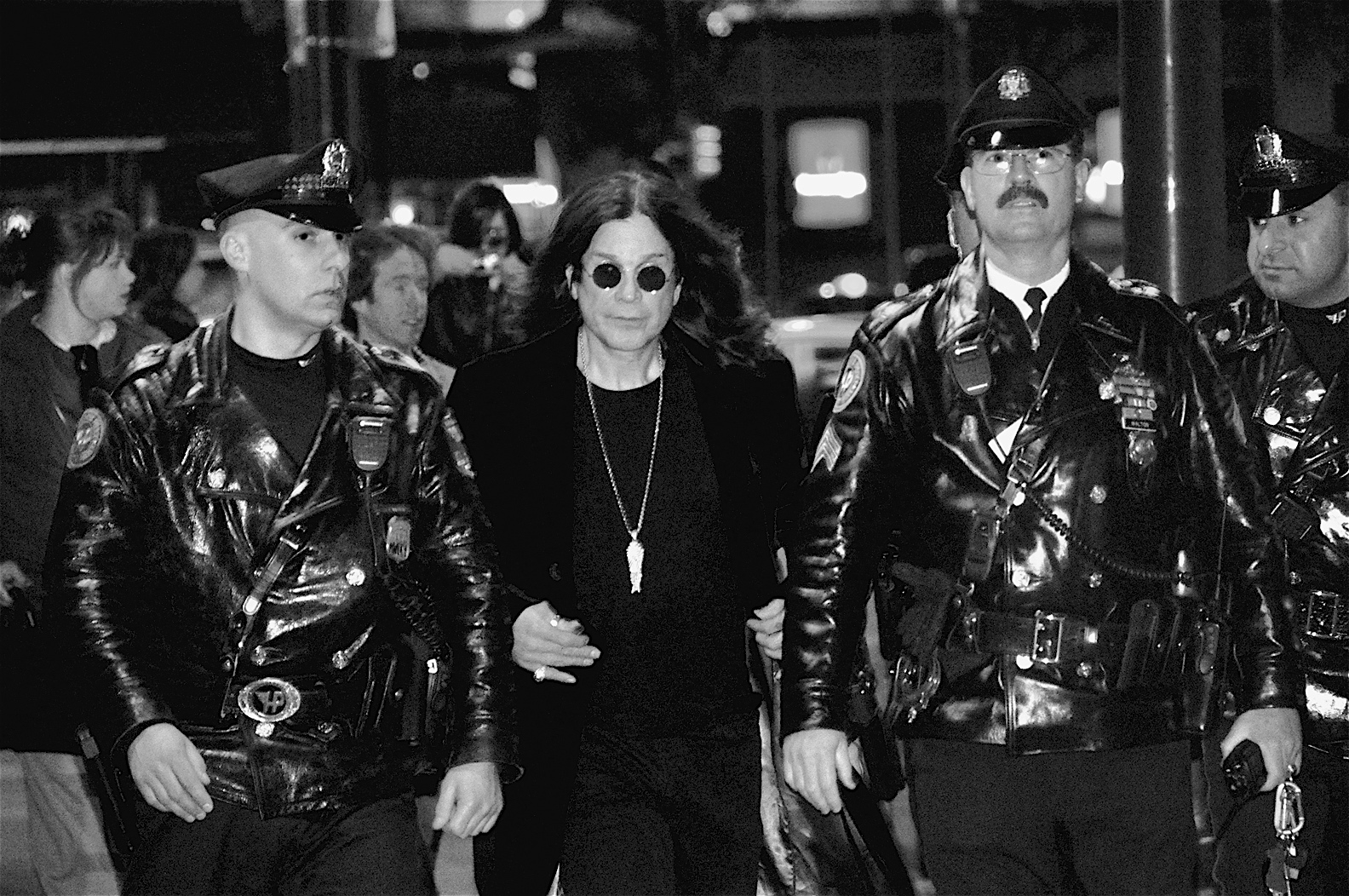
Now, as I teach students how to think theologically about the world, one of the first things I try to show them is this: God is not afraid of your questions.
He’s not afraid of loud music. He’s certainly not afraid of the things we’re afraid of. Listen closely, and you might even catch an echo of his grace beneath the noise.
If you ever saw Ozzy live, you probably remember how he almost always ended the set: “God bless you all.” That hits differently now. Somewhere in there, despite everything, was a prayer.

Brendan Towell Brendan Towell is the Director of Spirituality and Mission for Secondary Schools and Schools of Special Education in the Archdiocese of Philadelphia, where he lives with his family. His interests include Augustinian Studies, Ressourcement Theology and the theological legacy of Pope Benedict XVI. His website is BrendanTowell.com.