Visiting Pope Leo XIV’s Chicago: How the South Side Shaped America’s First Pontiff
Deep Catholic culture and the mantra ‘don’t act big’ defined the Pope’s childhood community.

In his first days as pope, Leo XIV has struck many as an unassuming man of quiet warmth and deeply rooted identity. A visit to the part of Chicago where the first American Pontiff was raised gives an idea of how he got that way.
Born Robert Francis Prevost in 1955, the new Pope hails from the South Side — a part of the Windy City that was defined in the 1950s and ’60s by unpretentiousness, hard work and tight-knit Catholic communities.
And his modest disposition fits right in for someone who came from a place where the phrase “don’t act big” was once a guiding maxim.
“When you hear he’s humble and he’s kind, you know he is, because we all are still,” said Leah Morgan, 58, who grew up a couple of blocks from the Prevost family and attended the same parish as the Pope, St. Mary of the Assumption.
Pope Leo XIV certainly had other formative experiences, such as decades of missionary work in Peru or 12 years as the Rome-based provincial general of the Augustinian order. But those who were raised in the same part of Chicago as the Pontiff have no doubt that it made him who he is today.
“All of us come from a particular place,” said Mike Naughton, 64, who grew up on the South Side a couple miles north of the Pope. “And he’s coming from a place that had a strong Catholic culture.”
A Humble, Faith-Filled Home
The picture becomes clearer outside of the new Pope’s childhood home in Dolton, Illinois, just blocks south of the Chicago city limits but a full 16 miles from downtown.
In a word, the home is modest: a simple, square, red-brick Cape Cod house, the kind lived in by tens of thousands of other middle- and working-class Chicago families in the post-World War II housing boom. Just over a thousand square feet in total now (but previously just 750 square feet, according to real estate records), the humble residence was home to the future Pope, his parents, Louis and Mildred (née Martinez), and his two older brothers, Louis Martín and John Joseph.
“That’s how all of us lived, in those littles houses,” said Naughton, who now directs the Center for Catholic Studies at the University of St. Thomas in Minnesota. “It’s frugal, it’s humble, but no one thought they were poor.”
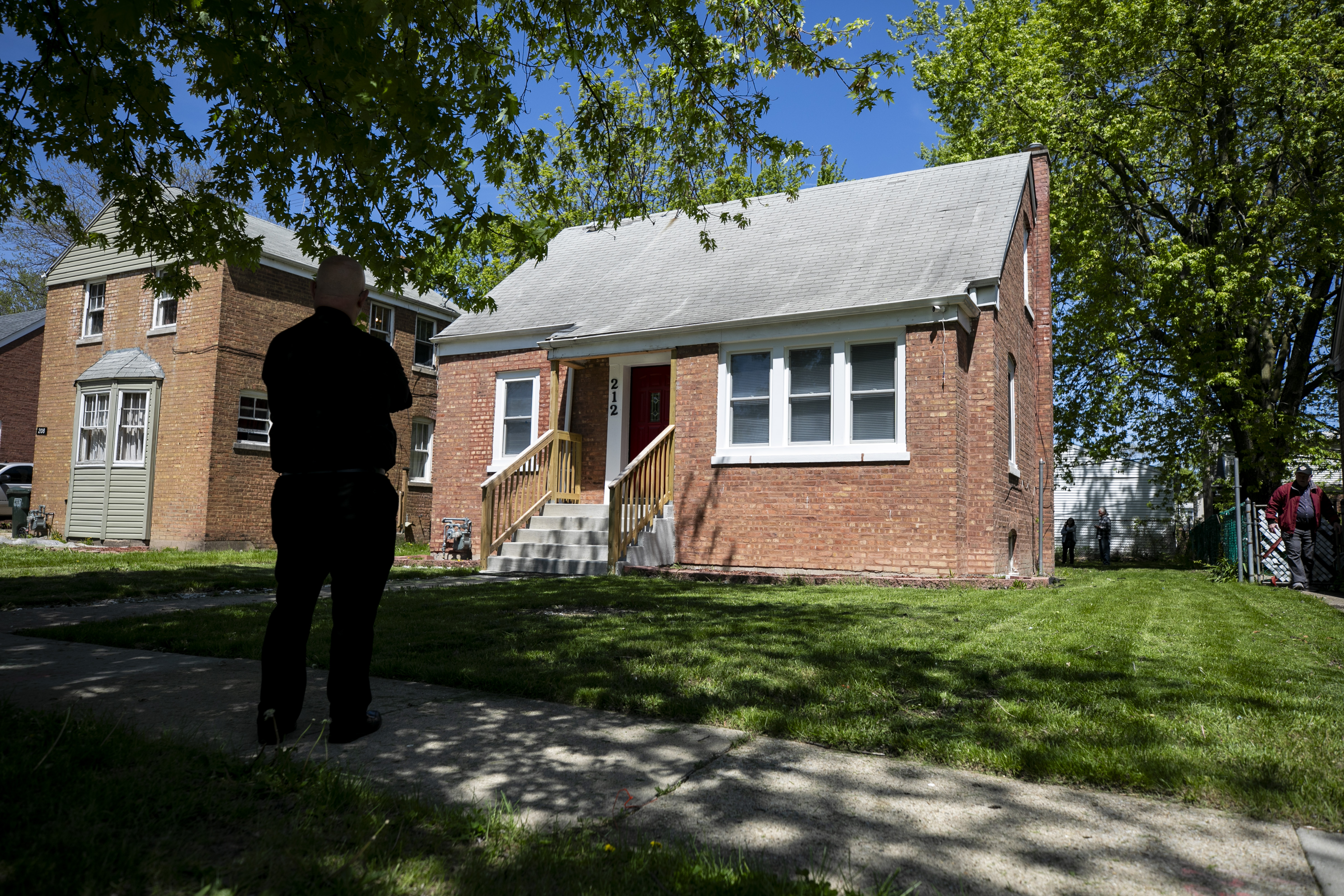
Inside 212 E. 141st Place, both parents modeled the faith. Pope Leo XIV’s father, a Navy veteran, led the local Altar and Rose Society, while his mother, who was a daily communicant, was remembered as “practically a saint” by one cleric who knew her. Education was also an emphasis in the Prevost household, as Louis served as a teacher and school principal while Mildred, who had earned a master’s degree in education from DePaul, volunteered as a librarian at nearby Mendel Catholic High School. Additionally, the family’s diverse ethnic heritage, which included French and Italian roots on his father’s side and Spanish and Creole on his mother’s, likely helped prepare the young Robert Prevost for life as a foreign missionary.
Pope Leo XIV’s brothers have described their childhood as modest and steeped in Catholic tradition. When saying what their younger brother who is now the Vicar of Christ was like as a kid, they’ve used phrases like “run-of-the-mill” and “down-to-earth,” but also indicated that they had a sense that he would do great things for the Church.
“We used to tease him all the time — you’re going to be the pope one day,” Louis told ABC News shortly after the May 8 election. “Neighbors said the same thing. Sixty-some years later, here we are.”
Inside his childhood home, the future Pope “played” Mass, using his mother’s ironing board as a pretend altar and candy Necco wafers as pretend hosts. On the street outside, lined with trees and similar small-size lots, he rode his bike with the neighborhood kids and joined in games of “Red Rover.”
From the front door, the young boy known as “Bob” walked 15 or so minutes every school day to St. Mary’s in Chicago’s Riverdale neighborhood, where he went to grade school and served as an altar boy.
His route led him across two separate railroad tracks, which would’ve been busy day and night, servicing the steel mills, manufacturing plants and rail yards that lined the nearby Calumet River and employed many area men.
Unsurprisingly, Pope Leo XIV grew up — and has remained — a fan of the Chicago White Sox. In contrast to the Cubs from the more affluent north, the South Side professional baseball club was long associated with working-class pride and toughness.
Catholic ‘DNA’
During Pope Leo XIV’s upbringing, the local parish complemented the family as a fundamental institution of South Side culture, serving as the center of not just spiritual, but also social, life.
“Parishes are of such importance in Chicago that neighborhoods to this day are defined by them,” shared Mary FioRito, a longtime leader in the Archdiocese of Chicago and EWTN Radio host, pointing out that people would often say where they’re from by referencing the local parish.
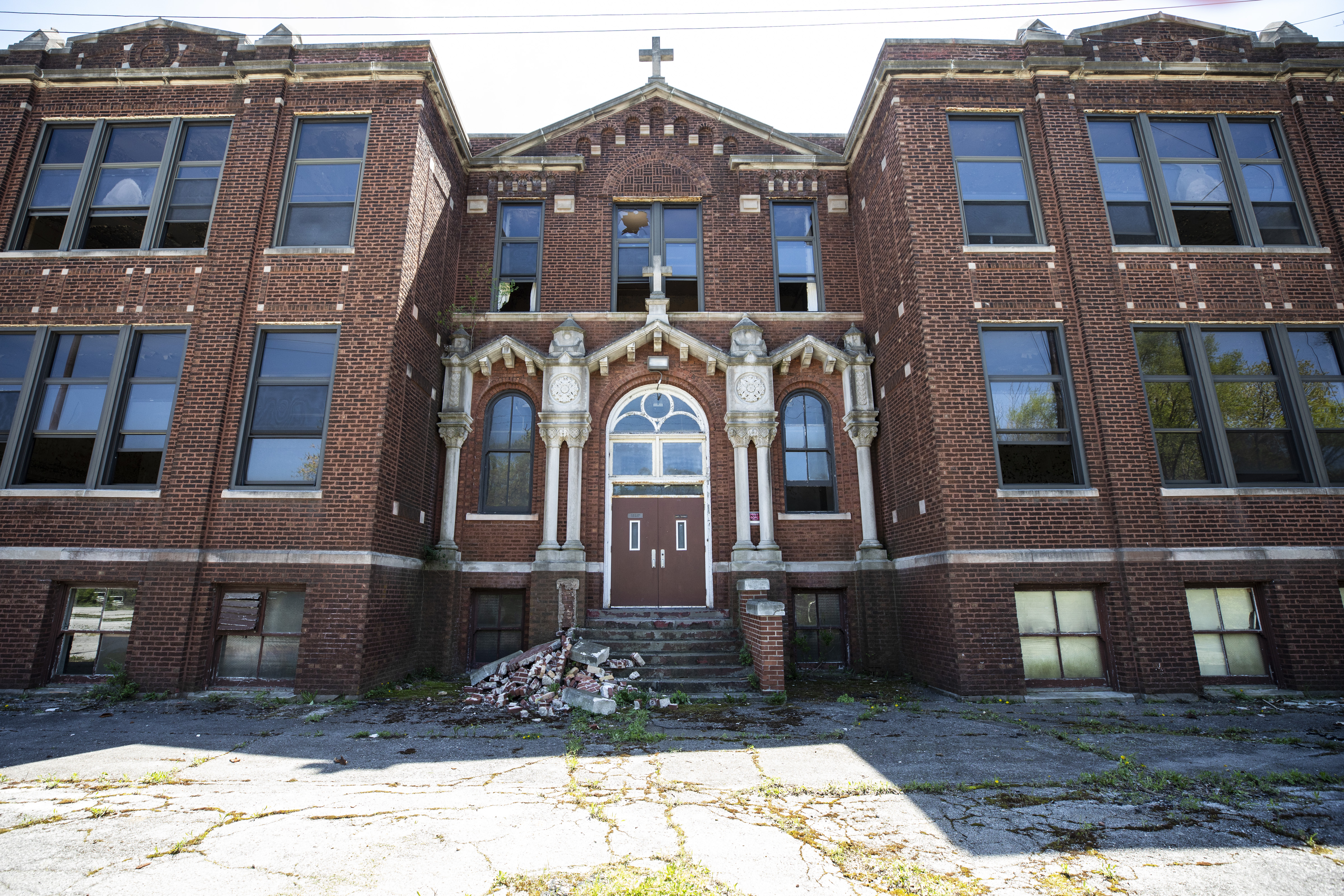
Pope Leo XIV’s St. Mary of the Assumption was no exception. The parish church was built in 1956 to accommodate the area’s booming Catholic population, made up of the children and grandchildren of immigrants from places like Ireland, Poland and Germany. The pews of the parish were filled, and it wasn’t uncommon for families to have eight, nine, or more children.
In addition to altar serving, young Robert Prevost also sang in the choir — perhaps part of the reason he was able to confidently and clearly sing the Regina Caeli during a May 11 address in St. Peter’s Square. Classmates at the parochial school recalled him as kind-hearted, intelligent, and “the pride and joy of every priest and nun” in the building.
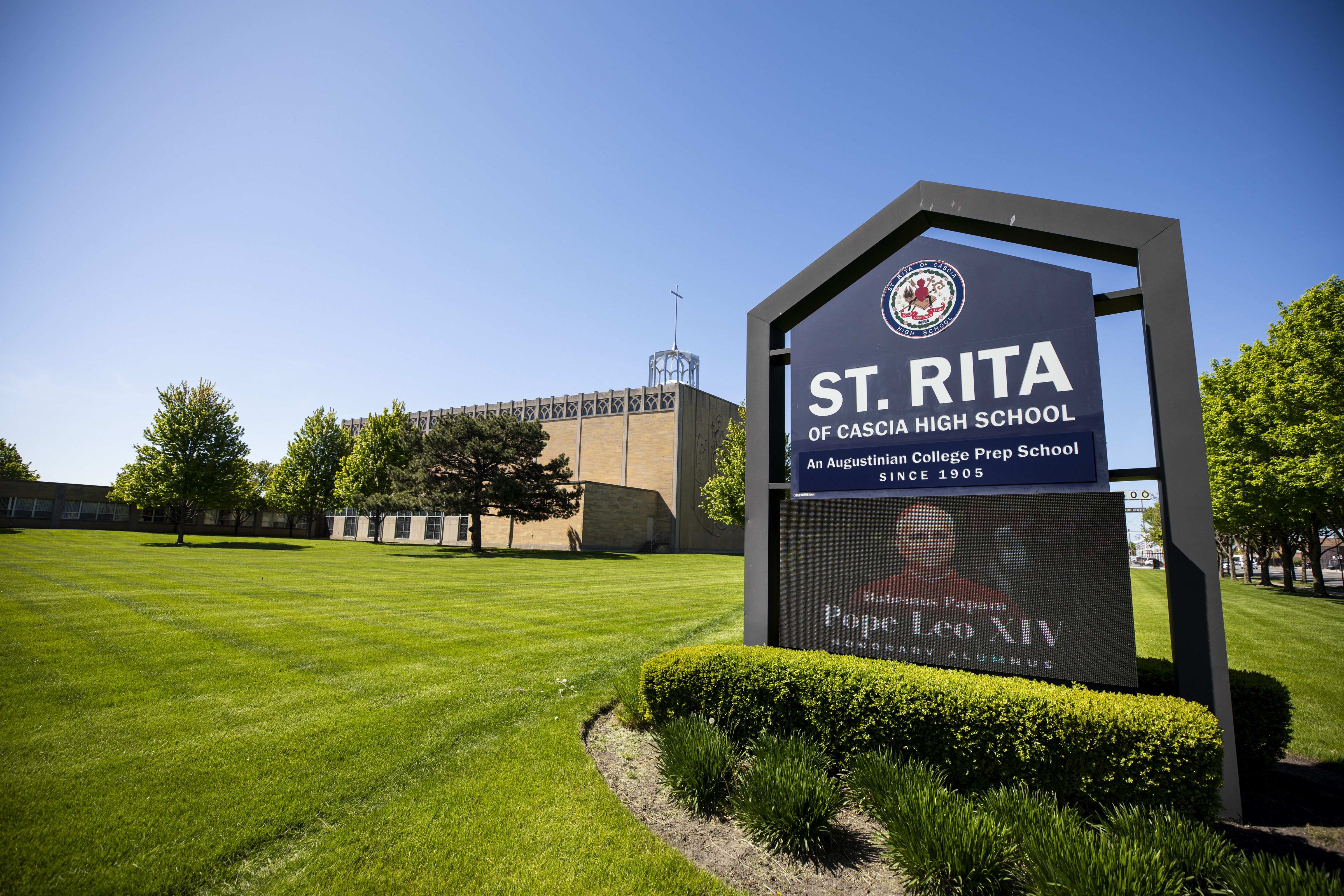
Other South Side experiences happened later in Leo XIV’s life, but were still formative. In 1982, he earned a Master of Divinity from the Catholic Theological Union in the Hyde Park neighborhood. During his studies, the young Augustinian friar also substitute taught at St. Rita of Cascia High School and Shrine Chapel in the Ashburn neighborhood, which was run by his order
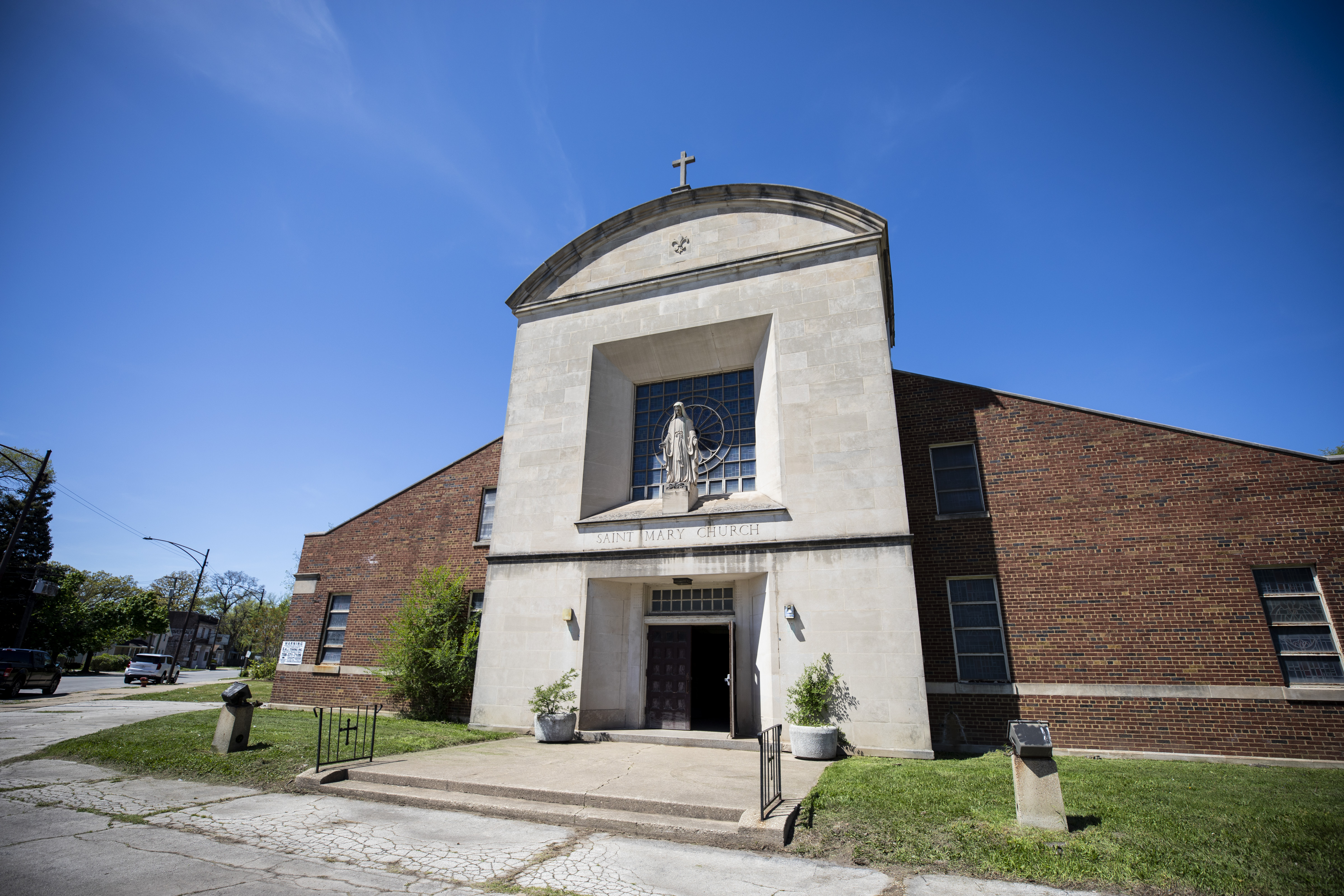
Mike Geagan, 68, who altar-served at St. Mary’s at the same time Pope Leo XIV did, said he fondly remembers life centered around the parish, which included everything from spaghetti dinners to parish bingo.
“It was a really good community,” he said.
Naughton described the intertwining focus on family and parish life in the South Side as a sort of “double helix,” which provided a stable formation and the “DNA of a culture.” That DNA, in turn, imparted a “deep identity” to those who received it — Pope Leo XIV included.
“And for him, that identity basically led him to give up a family and a spouse to go and serve the Church and the poor,” Naughton said. The South Side served as something of a launch pad for Pope Leo XIV, giving him the firm foundation that allowed him to leave home for high-school seminary in Michigan, college at Villanova, missionary work in Peru, time in the Roman Curia, and, now, the papacy.
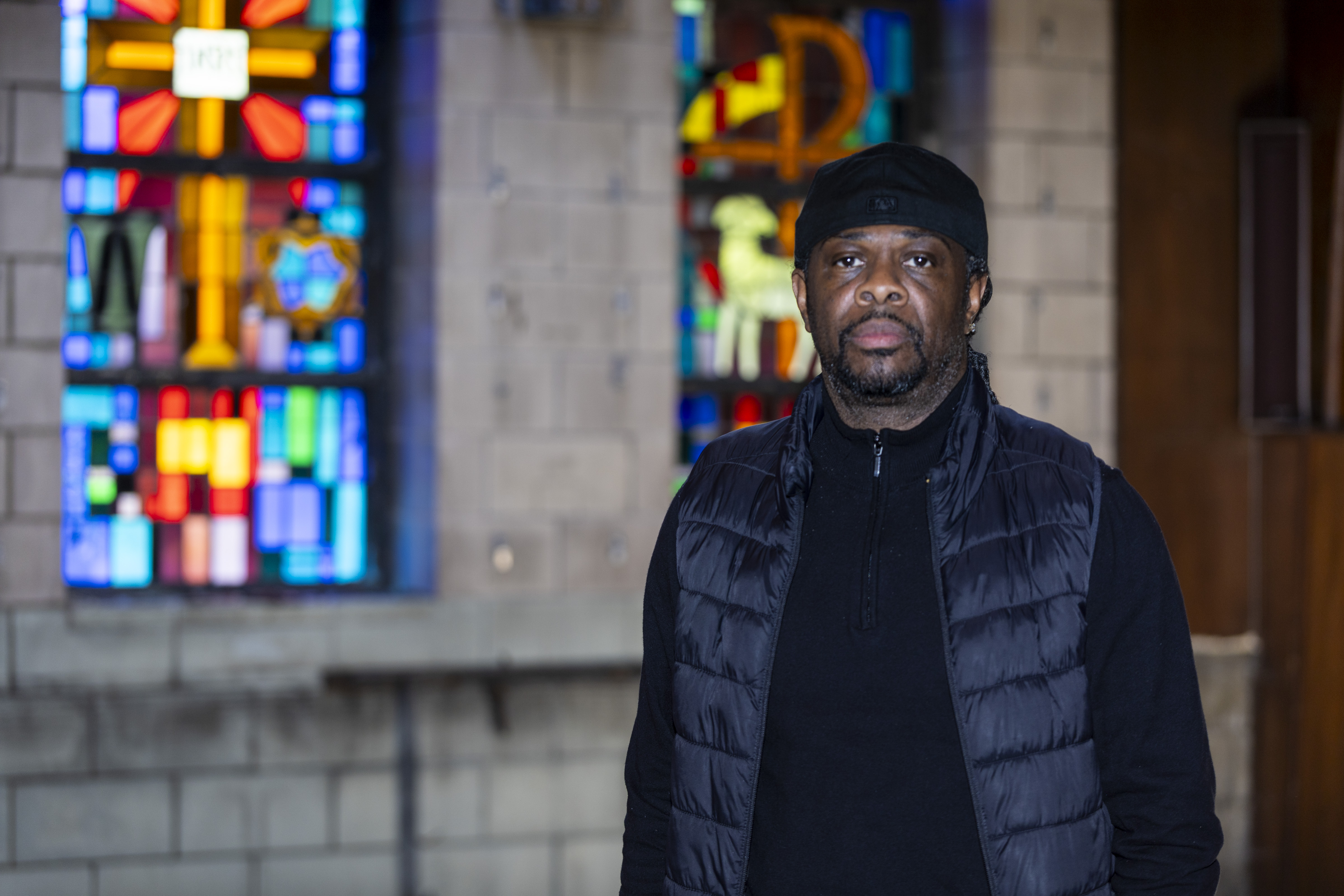
Naughton also sees a connection between the working-class conditions of Leo XIV’s South Side and the new Pope’s interest in human dignity in the face of technological revolutions. The new Pope has said that he hopes to build upon the legacy of his namesake, Pope Leo XIII, the turn-of-the-20th-century pope who launched contemporary Catholic social teaching by applying moral principles to challenges created by the Industrial Revolution.
Naughton acknowledged that there was a “dark side” to the South Side of his childhood. The sense of togetherness shared by religious and ethnic groups could create a “tribal” mentality, he said, and segregation and racial tension between Blacks and whites was a major problem.
Nonetheless, Naughton says he has a lot of gratitude for his South Side upbringing — and imagines Pope Leo XIV feels similarly.
“I’d be surprised if he didn’t.”
Not ‘the Center of Attention’
The kind of just-do-your-job humility instilled in Pope Leo XIV’s South Side upbringing has been evident in his first few days as pope.
Gestures like wearing the red mozzetta when first appearing on the loggia of St. Peter’s Basilica, signing his name with the traditional “P.P.” (for Pastor Pastorum, or “Pastor of the Pastors”), and intending to reside in the Apostolic Palace — all papal traditions eschewed by Pope Francis — have been taken by many as indications that the new Pontiff intends to submit himself to the office that he holds.
In his first papal homily, the new Pope preached on a similar theme, urging Church leaders “to move aside so that Christ may remain, to make oneself small so that He may be known and glorified, to spend oneself to the utmost so that all may have the opportunity to know and love Him.”
The South Side native was known for his humility prior to the papal graces kicking in. He said in a 2023 interview shortly after being made a cardinal that “the fundamental thing for every disciple of Christ is humility.”
José Manuel De Urquidi experienced the now-Pope’s “don’t act big” persona firsthand this past October at the Synod on Synodality, where the two were part of the same small-group table.
“He never wanted to be the center of attention,” said De Urquidi, who served as a lay delegate from Latin America. “He doesn’t have the urge to jump out to speak every time if he doesn’t think he has something to say.”
A Bygone Culture
But the Catholic culture of the South Side that formed Pope Leo XIV no longer exists.
Amidst the changing demographics of the area, white ethnic Catholics moved further out into the suburbs. Membership in the massive network of South Side parishes that had been built to sustain the Catholic population began to dwindle, while debts piled up.
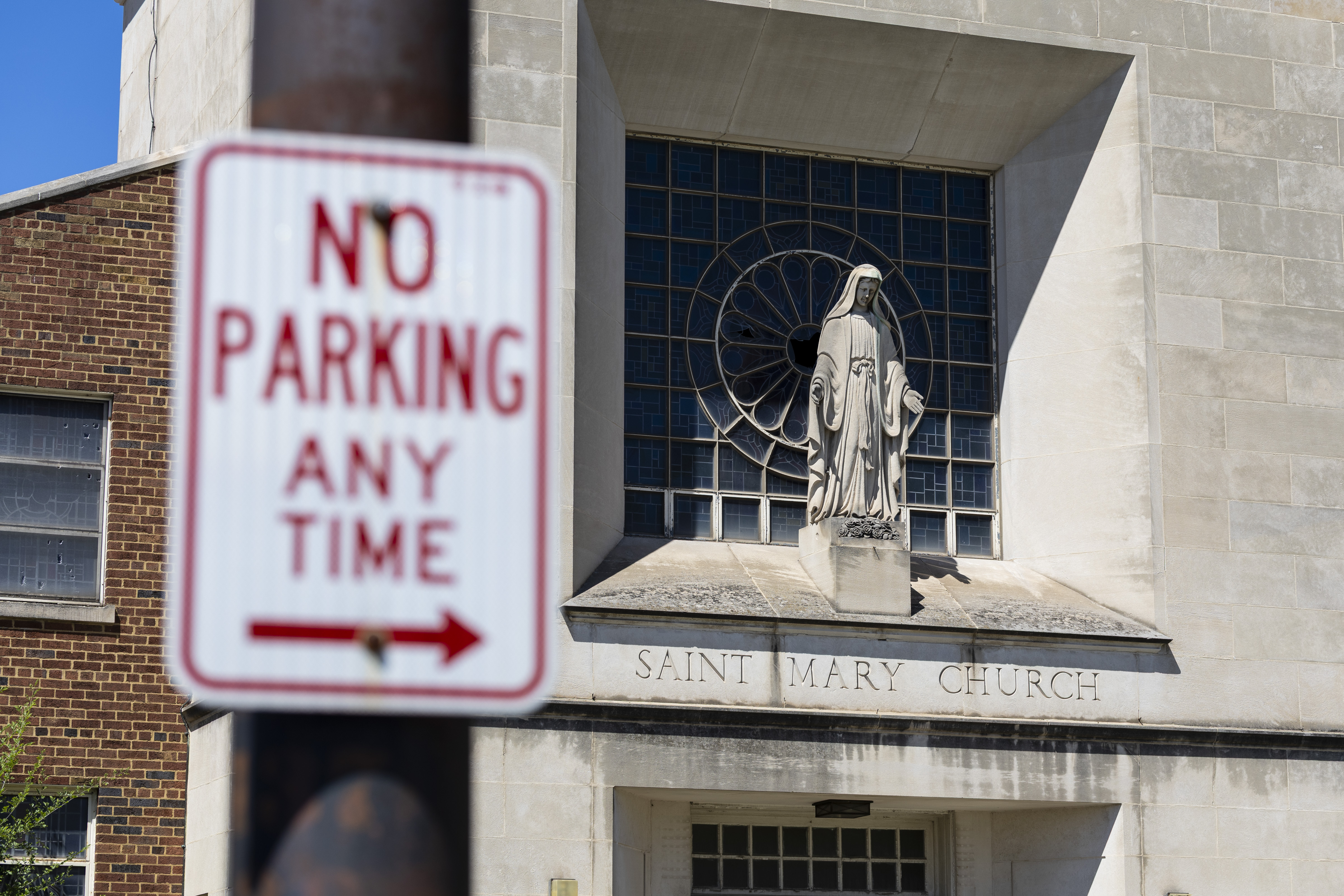
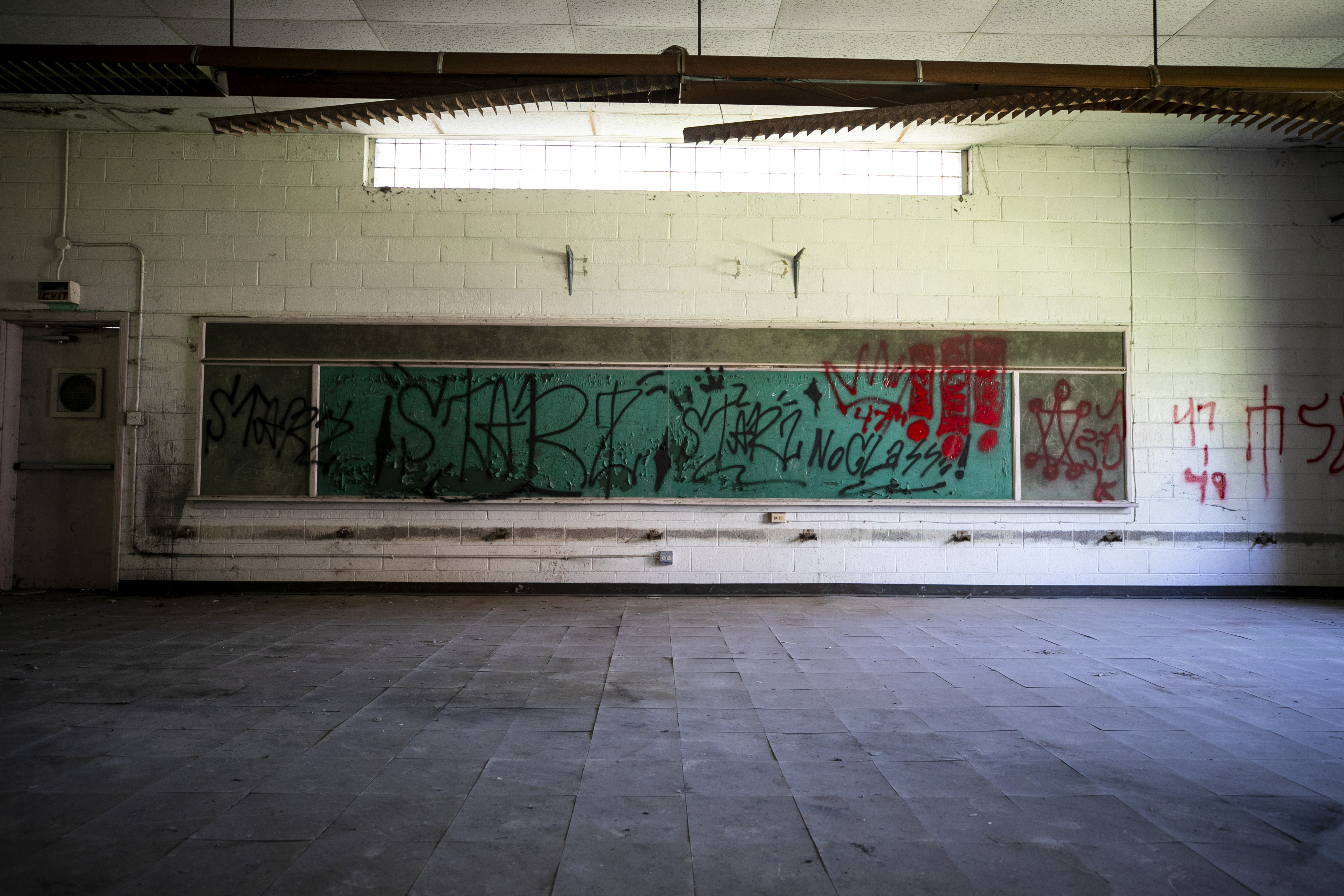
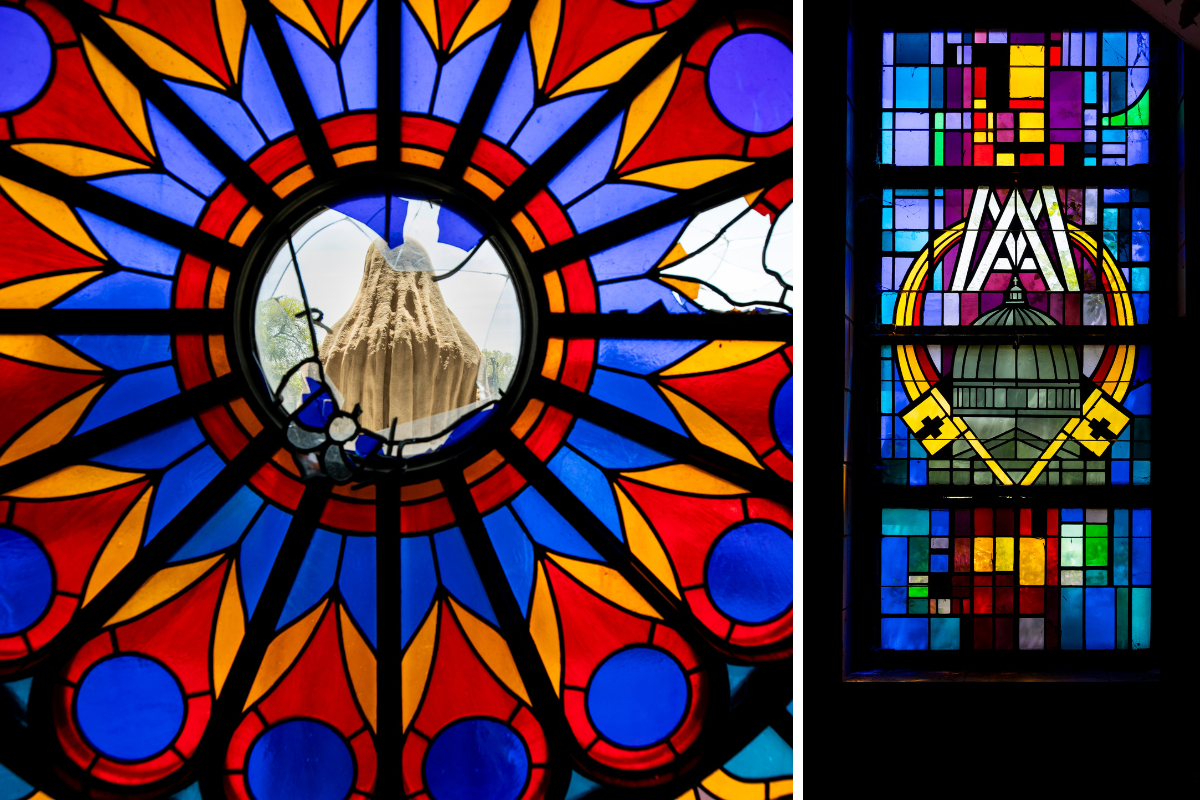
St. Mary of the Assumption, Pope Leo XIV’s childhood parish and a once-bustling epicenter of Catholic activity, now lies gutted and abandoned. A hole is in its roof and graffiti covers the sanctuary walls.
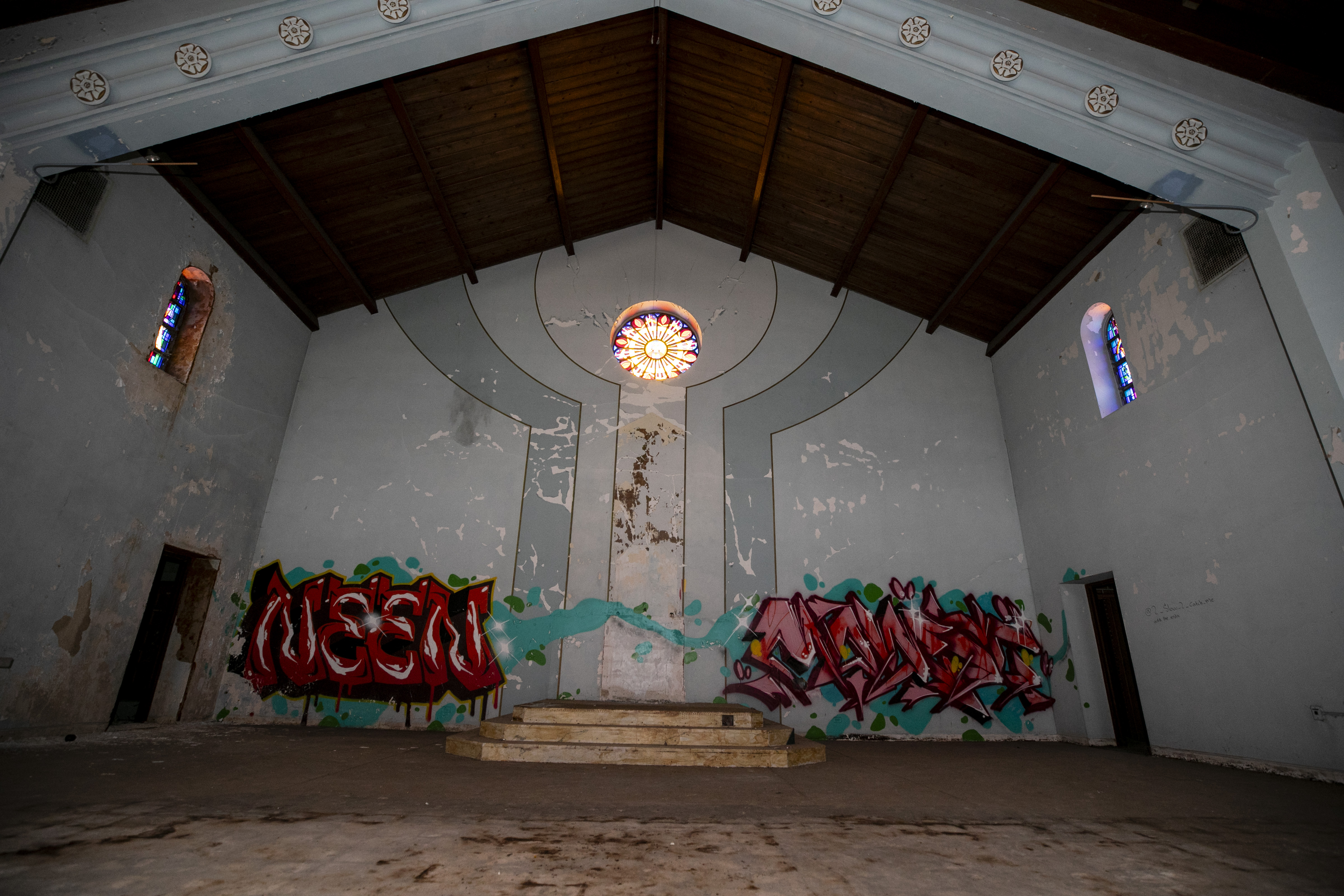
The archdiocese closed the church in 2012 after merging the parish with another further south, part of an ongoing decline that has seen the number of parishes fall by more than 50% since 1980.
The shift also depleted the local economy, which contributed to a mutually reinforcing cycle of business closures and crime. Violence and abandoned buildings have become commonplace in Leo XIV’s old neighborhood, while Dolton has been in the spotlight in recent years due to political corruption. The Pope’s childhood home was a center of drug activity as recently as four years ago, a neighbor shared.
The demise of the South Side Catholicism that formed Pope Leo XIV presents an interesting riddle, as the new Pontiff is now tasked with encouraging ways of living out the faith in former Catholic strongholds like Chicago in ways that are different than the model that formed him.
Hope for Renewal
And yet despite the downturn, a steady stream of visitors came the day after his election to see where Pope Leo XIV got his start — a possible indication of the kind of renewal that the South Side Pope could help spark in his hometown and beyond.
At this childhood home, visitors looked on curiously from the sidewalk, trying to square how a man who was raised in these simple quarters was now the Supreme Pontiff of the universal Church. Some even posed for pictures on the front porch.
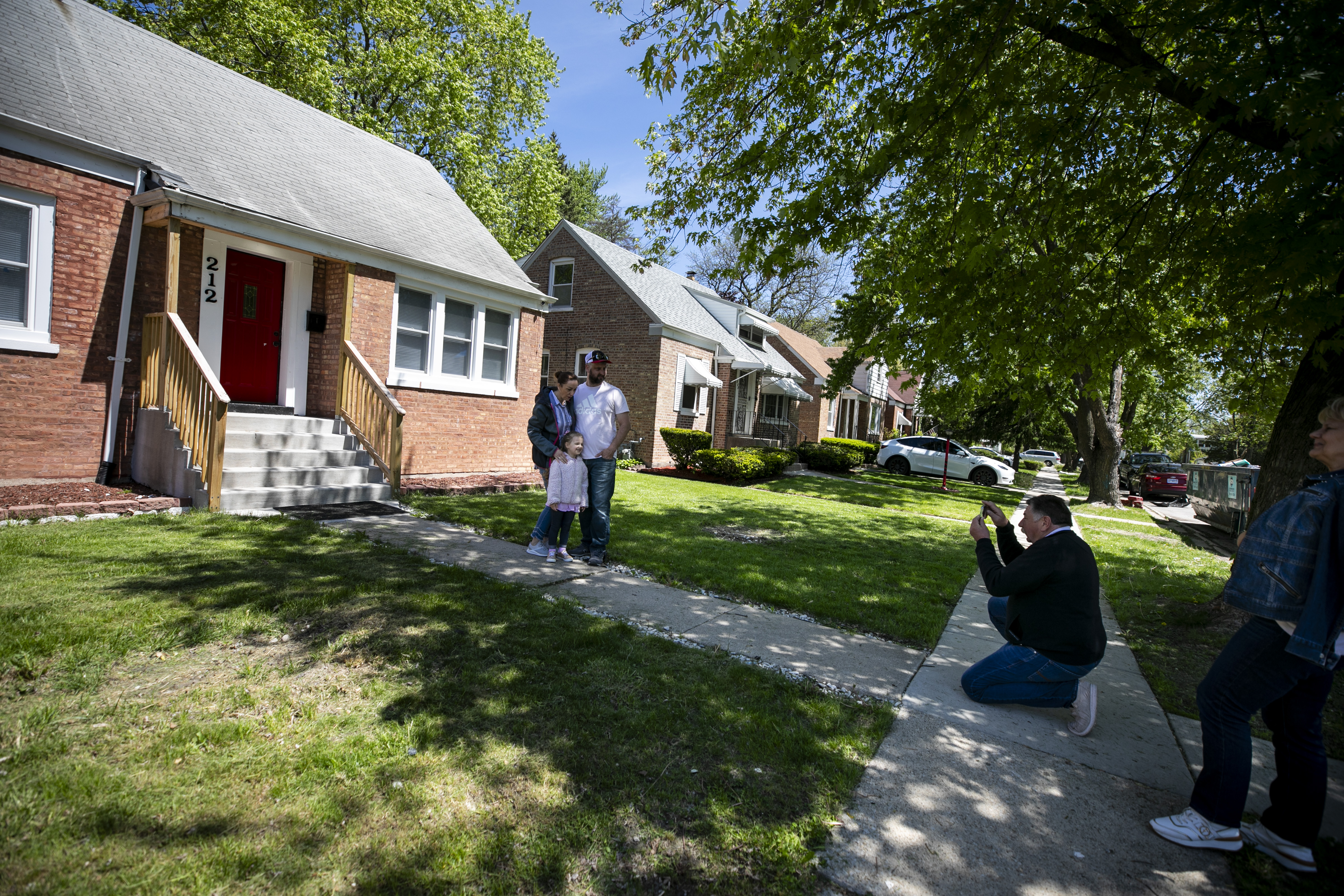
Among those who stopped by at Leo XIV’s childhood home was a trio of priests from the nearby Diocese of Fort Wayne-South Bend on their way back to Indiana after a conference at Mundelein Seminary.
“To think whatever happened in this place, his experience growing up here, is going to change the world in some way, it’s amazing,” said Father Andrew Budzinski, who grew up in nearby South Bend and now serves as rector at St. Matthew Cathedral in the same city.
Next door, Donna Sagna, 50, dressed in her Sunday best, greeted visitors while worship music played from her house. A Catholic, she saw the renewed attention of the house on her block as an opportunity for her to share the Gospel.
“God is definitely giving me something great to do, which is to tell people what He has done already,” said Sagna, a member of Chicago’s predominantly Black St. Sabina parish who attributes improvements in the neighborhood to the power of prayer.
Ten blocks away at the old St. Mary’s, curious visitors walked through the gutted remains of the Pope’s childhood parish, avoiding broken glass and loose nails as they attempted to get a glimpse of how this place had played a role in his story.
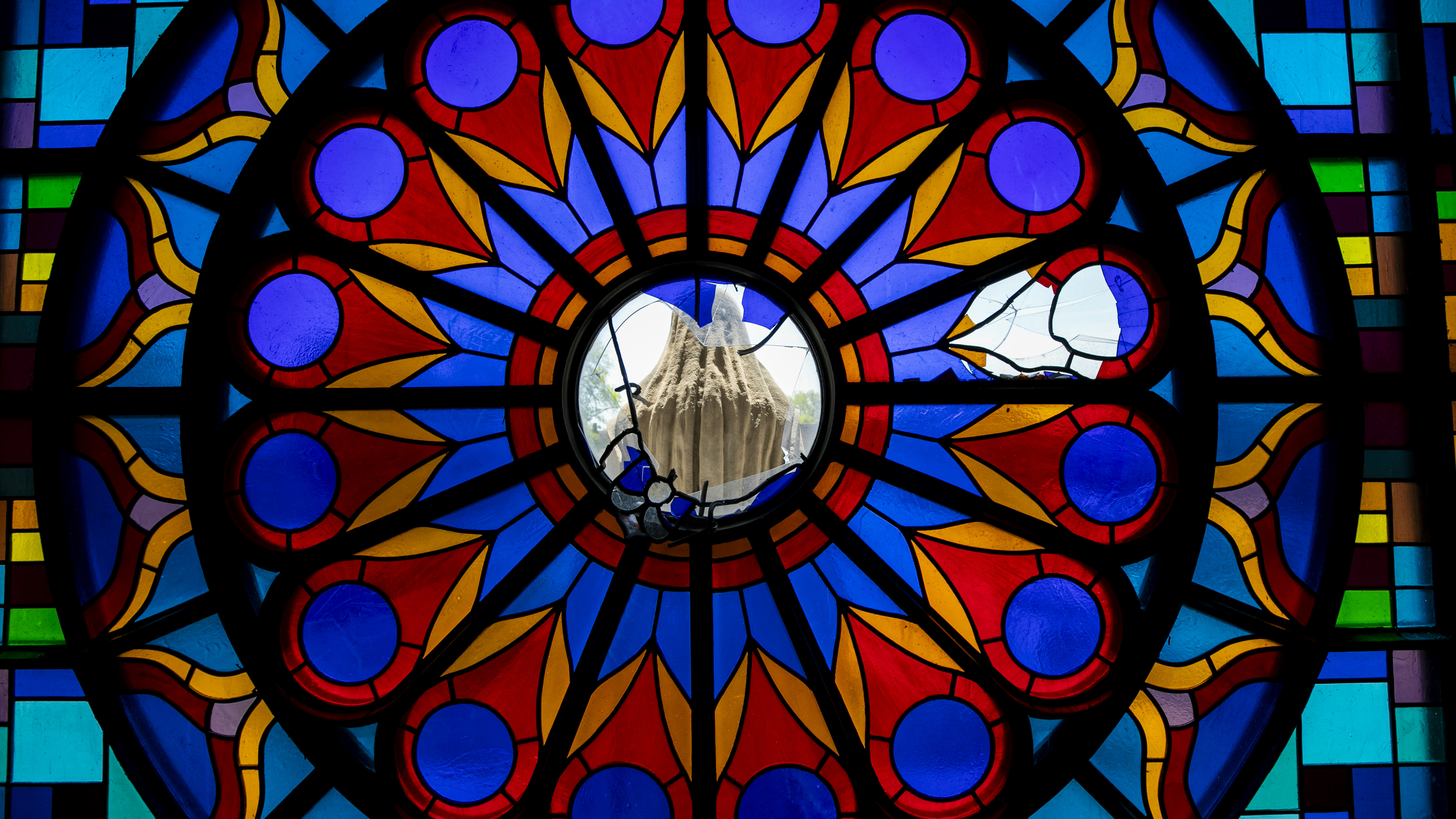
Bridget Healy, a sophomore at the University of Notre Dame, directed visitors’ attention to a stained-glass window that has taken on added significance since the events of May 8: a depiction of St. Peter’s Basilica and the Petrine keys, a window the now-Pope undoubtedly saw as a boy.
“This church is probably where he first heard the call to be a priest, and that turned into him being the Pope. Just seeing where someone grew up is really insightful,” said Healy, who stopped at the abandoned church with her mother, Helen, and fellow classmate Francesa Lichtenberger on their way back to Minnesota after final exams.
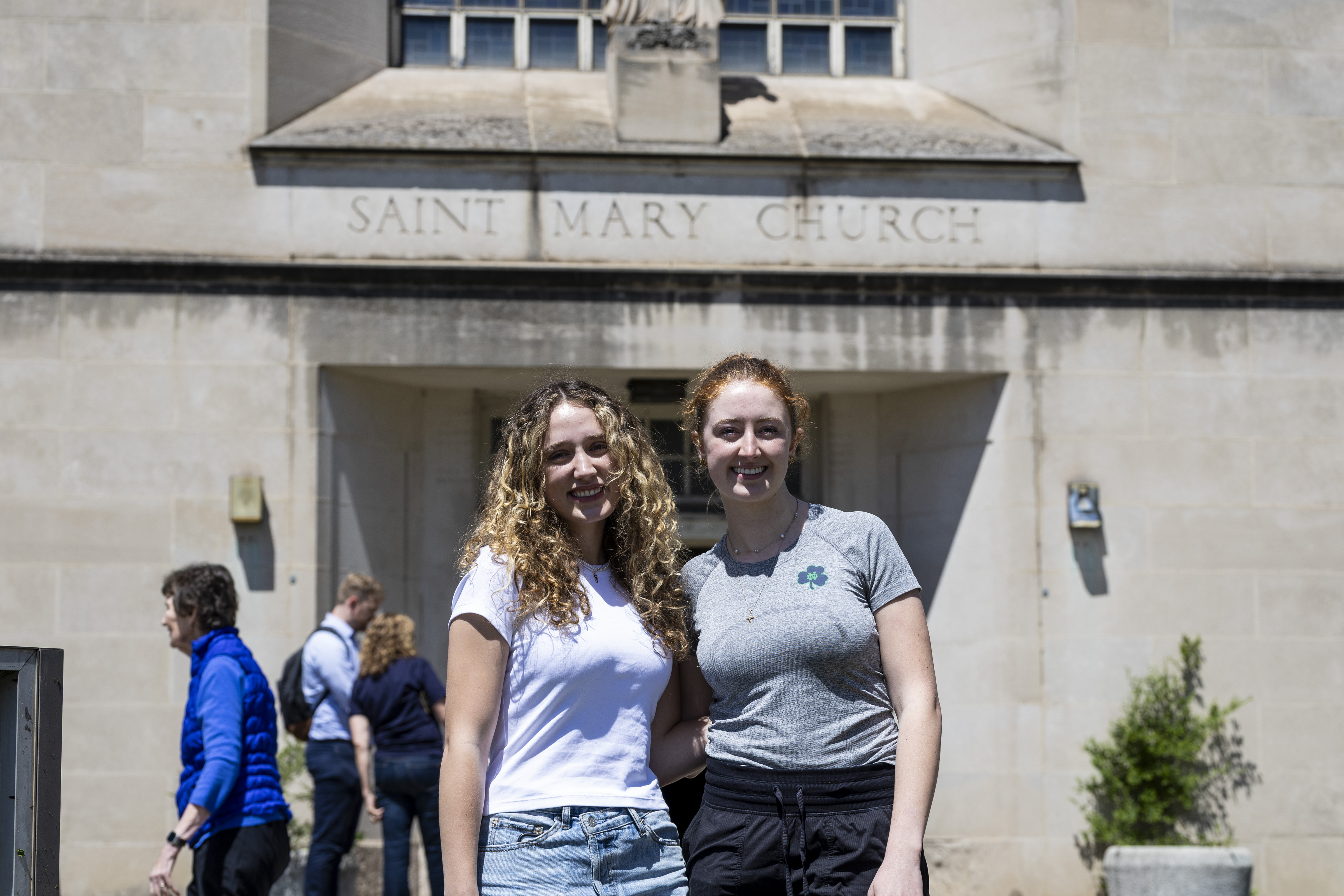
The Notre Dame sophomore, who is the niece of Bishop Andrew Cozzens of the Diocese of Crookston, Minnesota, added that the election of the first American Pope shows that “God is working in big ways closer to home than you would ever expect. And that if this is happening in Chicago, it can happen anywhere.”
Mike Geagan and Leah Morgan, the two South Siders whose childhood paths had crossed with the young Robert Prevost, also showed up to their old parish the day after Leo XIV was elected. They say the local son’s elevation to the papacy is already prompting reconnections among their old South Side Catholic community.
It could also prompt something of a revitalization of the places that were once important to him. Joe Hall, who acquired the old St. Mary’s building in 2022 and had plans to turn it into a community center, told the Register he is open to hearing from the archdiocese, though he said they had rebuffed inquiries he had made before Leo XIV’s election about Mass being celebrated in the space once again. And Pawel Radzik, who purchased the Pope’s childhood home last year and was planning to flip it, told the Register he’s open to working out an arrangement to return it to the Prevost family.
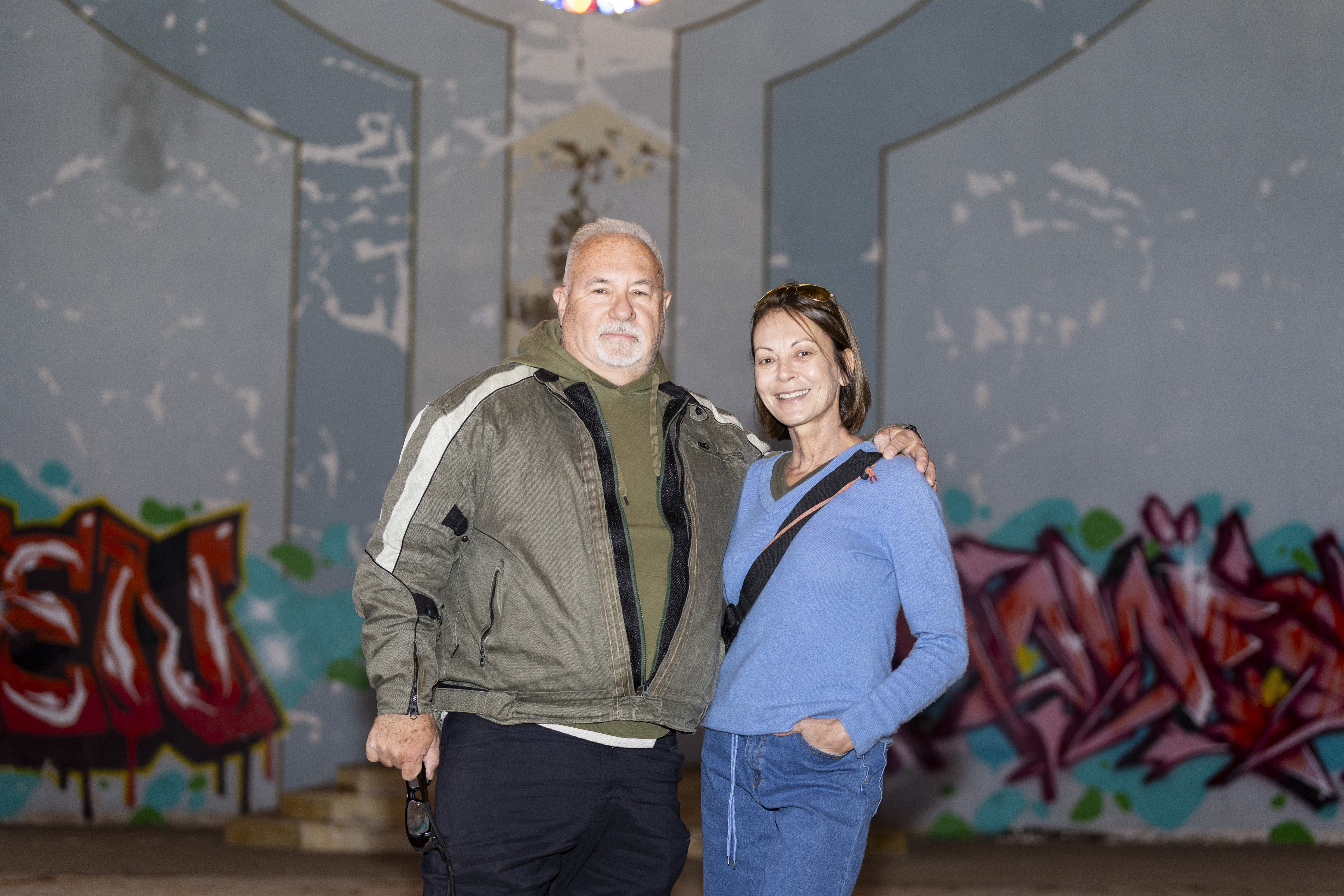
Geagan and Morgan are also hopeful that the Chicagoan Pope will make a return to the place that made him. And if he does, Geagan is prepared to reprise the old role he played at St. Mary’s.
“If I could get a ticket to the Mass, I’d serve it,” he said.
Except now Bob Prevost won’t be altar serving alongside him, but presiding as Pope Leo XIV.
- Keywords:
- Pope Leo XIV
- chicago
- chicago parish