‘That They May Be One’: Jesus’ Prayer Is Focus of New Film on Christian Unity
FILM REVIEW: The film unites speakers from both the Catholic Church and various Christian sects and denominations, notably Pentecostalism.
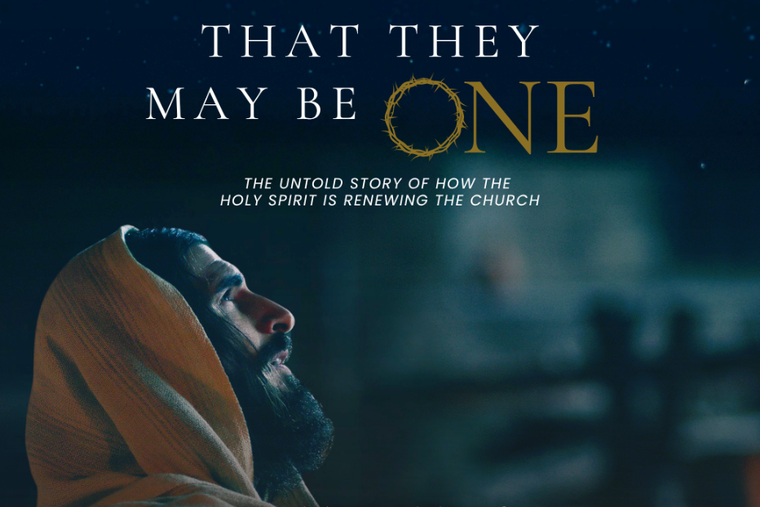
At a major charismatic gathering, a voice says over and over, “The body of my Son is broken.”
Thus opens That They May Be One, a documentary in theaters May 19-20 that focuses on the Holy Spirit in relation to people and the church — not just the Catholic Church, but the church universal in the sense it brings in the perspectives of evangelicals, Pentecostals and other Christians.
What follows is a visualization of the title as many people share stories of their successes in coming to know the Holy Spirit and the need for, and work toward, all to unite in the Spirit.
With this approach, the film presents its case with strength and respect as it goes from person to person; they speak, share and teach about the Holy Sprint, focusing on major developments and what charismatic and Pentecostal movements have accomplished.
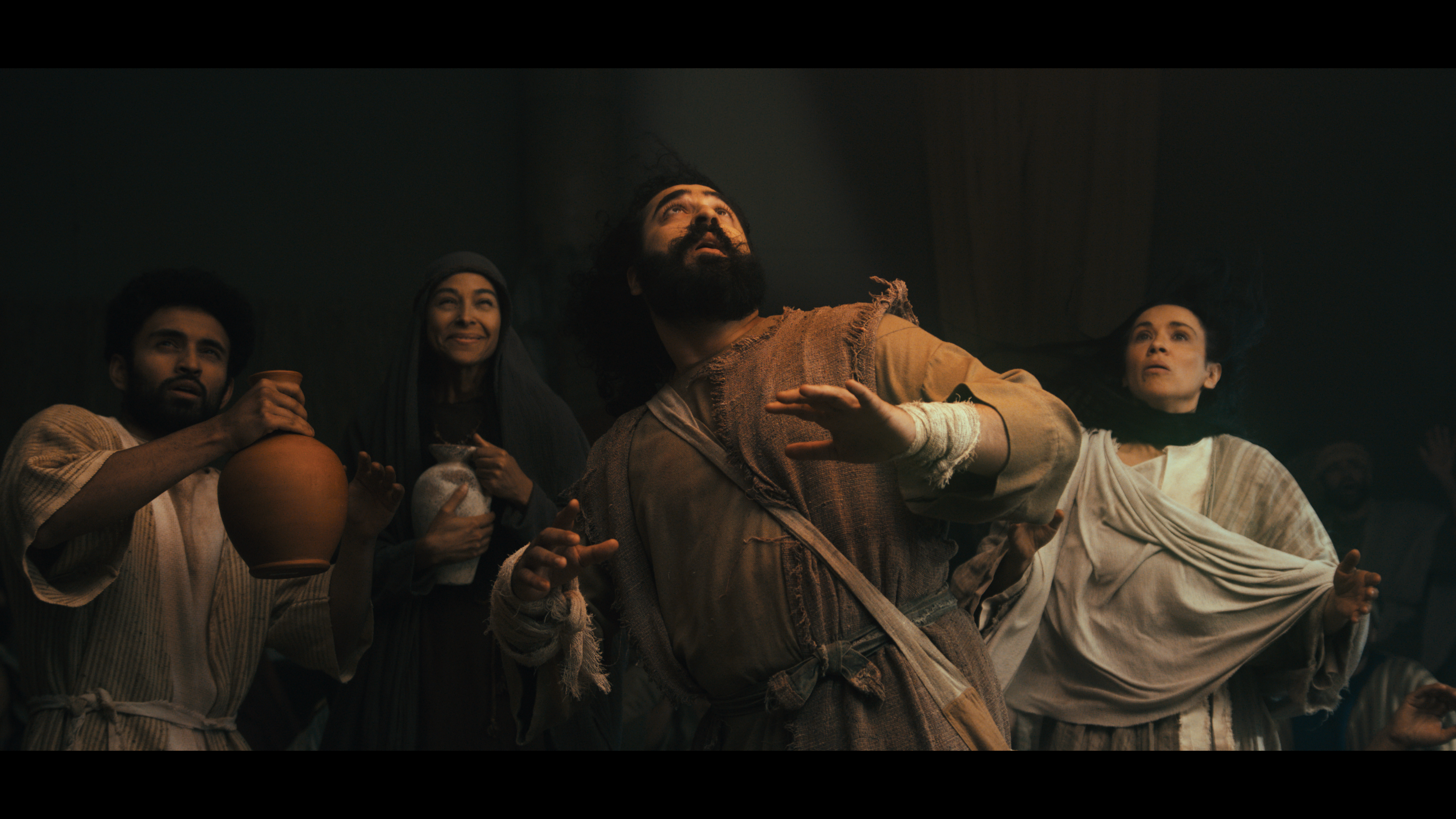
These personal perspectives are intermingled with dramatic reenactments that highlight and illustrate the speakers’ points. The result? Interest remains high throughout the film. And questions start to come to mind as the viewer watches.
The approach unites speakers from both the Catholic Church and various Christian sects and denominations, notably Pentecostalism. Major names who shed light on the theme include Catholics such as American theologians Ralph Martin and Mary Healey and Italian former preacher to the papal household Capuchin Father Rainero Cantalamassa — impeccable sources to speak about the Holy Spirit.
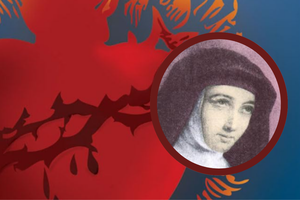
The Catholic perspective begins with a beautifully done, on-location dramatization of St. Elena Guerra, canonized by Pope Francis in 2024, and her great charism focused on the Holy Spirit.
This “Apostle of the Holy Spirit” was friends with Leo XIII, and in 1900, she wrote to the Pope asking him to consider a new outpouring of the Holy Spirit to renew the Church and the world and urge universal global prayer for the same intention. The Pope — for a moment the actor playing him somewhat resembles Benedict XVI — encourages her to continue writing. And at her suggestion, to initiate the 20th century, on Jan. 1, 1901, he begins the New Year by praying the prayer Come, Creator Spirit in the name of the whole Church.
It was a prayer for Christian unity. The film makes clear St. Elena “knew Christian unity was essential.”
Healy, a professor of sacred Scripture, gives insights about St. Elena and her evangelization efforts. But that portion is then paired with a Protestant meeting gathered that same New Year’s Day in a house in Topeka, Kansas. Reading the Acts of the Apostles, a young woman is shown asking the leader to pray over her to receive baptism in the Holy Spirit.
Following this, much time is spent explaining and dramatizing the Azusa Street Revival in Los Angeles in the early 1900s that spread Pentecostalism far and wide.
Here and throughout the entire narrative, the film raises important questions — but skips over an essential one. There is no mention of the sacrament of confirmation in the Catholic Church. Yes, the Holy Spirit works in various venues like charismatic circles, Catholic or not, with, for one, the gift of tongues at times and enthusiastic praising of the Lord. But those circles are small compared to the Church at large.
What are all the millions of Catholics who have received the Holy Spirit in confirmation, one of the seven sacraments of the Church, to think? They have fully received the Holy Spirit, even though they likely experienced no exuberant reactions.
One of the Catholics speakers in this regard is Patti Mansfield, a major author, speaker and participant in Renewal Ministries and the Catholic Charismatic movement. She met with Benedict XVI, and her words and explanations lend a welcome air of authority and direction to the theme.
Likewise, Scripture scholar and leading expert on the Charismatic moment Ralph Martin, president of Renewal Ministries, lends perspective as he says:
“One of the things that Vatican II did, which is really, really good, is to say, let’s face it: that Jesus really is praying for us to be one. Let’s remove unnecessary obstacles. Let’s remove caricatures. Let’s start talking to each other rather than throwing stones at each other.”
In essence, this is exactly what That They May Be One strives to capture as across-the-board Christians share their takes on the idea of being one in the Holy Spirit.
They cover a wide range of doctrine and come from many locations around the country, from a former evangelical who went outside his circle to form a nondenominational ministry to work on “oneness,” to a Protestant professor and liaison for ecumenical relations and dialogue with Catholic and Pentecostal participants, to a Catholic priest at Encounter Ministries in Michigan.
Some stops are exciting, such as the expanded section on the 1977 Conference on Charismatic Renewal in the Christian Churches at Arrowhead Stadium in Kansas City, Missouri, that drew 50,000 people.
Much original footage of enthusiastic participants and the recording of Martin giving the prophecy as a refrain — “For the body of my son is broken” — underscores the Spirit-led drama.
Reflecting on that historic gathering, Martin says, “Evangelical and Pentecostal leaders have been meeting together as leaders, trying to see the common ground we had, trying to stand together for the Lord. It was really quite inspiring to people, and it was like the Lord was kind of blessing us being together in a really wonderful way.”
The major point and major theme That They May Be One focuses on is captured in the dramatization of Jesus making this prayer, as he and the apostles are walking outside after the Last Supper, “that they may all be one. As you, Father, are in me and I am in you” (John 17:21).
The filmmakers’ vision from beginning to end sees commentary to reenactments flowing smoothly and without ripples to underscore the idea that Christians are called to be one though the Holy Spirit. And the film ends with the opening title to make that point: That They May Be One.
- Keywords:
- faith-based films