Philippine Catholics Concerned About War Against Terrorism
DAVAO, Philippines — An explosion that killed at least 15 people at a ferry terminal April 2 was the second suspected terrorist bombing in a month in this largely Christian enclave in the southernPhilippines.
The United States and the Phi -lip pines are both interested in pursuing terrorists in this Southeast Asia island nation. A number of groups have been a thorn in the side of successive governments here, and some are suspected of ties to Osa ma bin Laden's Al Qaeda network.
One of Al Qaeda's top lieutenants, Khalid Sheikh Moham -med, who was recently apprehended in Pakistan, spent time in the Philippines in the mid-1990s. He is considered the mastermind behind the Sept. 11, 2001, attacks on the United States and has been accused of plotting to assassinate Pope John Paul II during a 1995 visit to Manila.
But Church leaders here are concerned the war against Philippine terrorists is catching innocent civilians in the cross fire. Some quietly suggest corrupt government officials are using the terrorist problem for personal gain.
U.S. forces earlier this year were on the verge of participating in anti-terrorism raids on the southern Philippine island of Sulu. The island is the enclave of the dreaded terrorist Abu Sayyaf group, which the military has been trying to paralyze for years.
But the Tausug, a Muslim group on the island, reminded the government of a 1906 battle against American troops where hundreds of their forefathers were massacred. The presence of U.S. troops on the island would inflame their long desire for vengeance.
Then, after a Pentagon spokes -man made a vague statement saying U.S. troops will “actively participate” on the island, members of the Philippine Senate noted such participation would be against the nation's constitution.
The government canceled the operation, known in Tagalog as Balikatan (bearing the load on the shoulder together).
Target: Marsh
Abu Sayyaf is one of several rebel factions in the Philippines. An Islamic separatist group founded in the 1990s on Basilan Island, Abu Sayyaf has conducted kidnap-for-ransom activities, bombings, assassinations and extortion on the southern island of Mindanao. Among its hostages were pupils and teachers of a Catholic school run by the Claretians as well as a Claretian missionary who died in the process.
Mindanao has long been plagued by wars, starting with the martial law years in the 1970s when the Moro National Liberation Front fought government forces with the intention of establishing an independent “Bansang Moro” (Muslim Mindanao Republic).
After numerous negotiations, the Moro National Liberation Front finally laid down its arms and signed a peace agreement with the government in 1996, much to the disappointment of some of its members, who in reaction established the Moro Islamic Liberation Front to further pursue independence from Manila.
Integrated into villages in Cen -tral Mindanao, Moro Islamic Liberation Front camps became the constant targets of government forces. Former President Joseph Estrada declared an “all out war” against them in 2000, bringing about their collapse. Except for minor skirmishes, peace reigned in Mindanao — for a while.
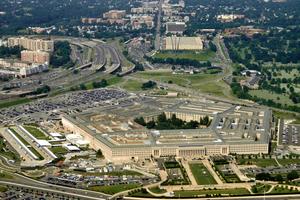
Early in the morning of Feb. 11, as Muslims prepared for the feast of Eid'l Adha (the Day of Sacrifice), the first aerial bombs and mortars fell on the Liguasan Marsh, said to be the enclave of the Moro Islamic Liberation Front. The military said they were after the kidnap-for-ransom gang that calls itself the Pentagon.
“The war had started one day be fore the meeting of the joint cease-fire committee that was supposed to peacefully resolve whatever issues the military had against the [Moro Islamic Liberation Front],” said Oblate of Mary Im -maculate Father Roberto Layson of Pik it, a town overlooking the marsh. He was assigned there five years ago to handle the interreligious dialogue ministry of the Ob -late Province in the Philippines and has experienced four wars against the Moro Islamic Liberation Front.
But it is the civilians — Muslims, Christians and indigenous peoples — who have suffered most, Father Layson and other Catholic leaders say. Not wanting to be caught in the cross fire, thousands fled to evacuation centers in towns, leaving their homes and valuables behind them.
A week passed after the marsh operation began with none of the Pentagon gang captured. Power transmitters were destroyed, plunging huge portions of Mindanao into darkness. The war raged further into other neighboring provinces, the military guns always aimed at Moro Islamic Liberation Front rebels, though this was repeatedly denied by the Armed Forces.
The Church has a vital role in Mindanao, particularly in times like these, said Father Geremia, who has been working with indigenous peoples here since 1980 and, despite the threats he has received, believes his work here is not finished.
The Church, he said, “is the promoter for peace, reconciliation and sign of compassion for the victims, in sharing and helping the evacuees.”
Sonny Evangelista writes from Manila, Philippines.
- Keywords:
- April 13-19, 2003