Addressing Young Catholics, Pope Leo Spoke to All of Us
EDITORIAL: In his National Catholic Youth Conference encounter, the Holy Father eloquently articulated fundamentals of faith that should guide every Catholic.
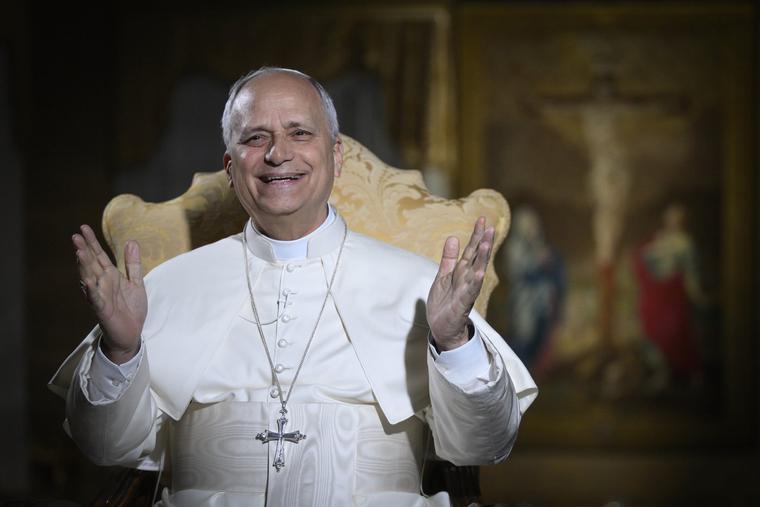
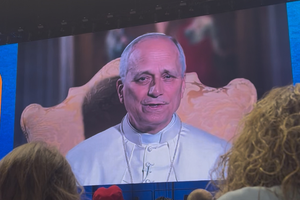
If you have not already done so, it would be well worth your time to watch Pope Leo XIV’s live interaction with teenagers attending the National Catholic Youth Conference in Indianapolis — even if you don’t happen to be young.
As a matter of fact, the older you are, the more important it is for you to see it. You can find a YouTube video of EWTN’s broadcast of the encounter here.
The reason Pope Leo’s first U.S. “digital visit” is a worthwhile watch for those of all ages is simple. In responding to the heartfelt concerns communicated to him by a representative quintet of faithful young Americans, the Holy Father eloquently articulated fundamentals of faith that should guide every Catholic, in every circumstance of their own lives.
In their questions, the five young Catholics sought the Pope’s guidance with respect to how they can acknowledge their mistakes to God and accept his mercy; how to place their problems in his hands when they feel sad, overwhelmed and lost, and how to communicate with others when they are feeling this way; how to use tech in moderation; how to engage with AI; and how the Church is preparing for a future that often seems like a scary prospect.
Drawing readily from the Gospel and the Church’s treasury of saints, Leo gave sound paternal advice in each area. Remember that we all make mistakes, he counseled in the context of seeking mercy, and remember too that God never tires of extending his divine forgiveness to us when we sin, especially through the sacrament of reconciliation.
Regarding feeling overwhelmed and despondent at times, the Holy Father emphasized the value of having a community of friends, but even more, the crucial importance of building a close relationship with Jesus. This can be done by opening ourselves to his presence through silent times of “adoration, reading Scripture, talking to him, looking for those little spaces of time where we can be with him,” Leo advised. He also stressed the importance of Marian devotion, especially the Rosary.
Indeed, the Holy Father repeatedly highlighted that Christian discipleship is crucial to dealing with every challenge of life, including when engaging with new technologies — an area where the Holy Father cited the witness of newly canonized St. Carlo Acutis, a teenager who used his computer talents “to help people grow in their faith.”
“He also spent time in prayer in Eucharistic adoration,” the Pope noted. “He taught others, and, very importantly, he served the poor.”
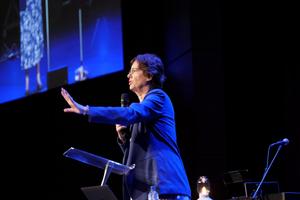
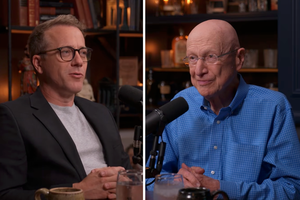
Responding to an additional question from moderator Katie Prejean McGrady, about how he deals with the distractions that inevitably occur when praying, especially in our digitalized era, Pope Leo offered some cogent practical advice.
“It depends on the distraction, actually,” he commented. “But sometimes the best thing to do is to follow the distraction for a moment, see why it’s there, but then to turn back and to remember why you’re there and why you’re in prayer.
“And to say to the Lord, ‘Look, Lord, I’m distracted right now. I know you understand’ — but not to allow yourself to be taken too far away, especially during prayer, because there are all kinds of temptations and all kinds of distractions, but there’s only one Jesus Christ.”
With respect to the challenge of AI, the Holy Father gave several other useful tips, but most fundamentally, he stressed AI can never replace “the unique gift” of human personhood. And, in answering the final question about how the Church intends to address the future, Leo replied that it would do so the same way it always has.
“The Church prepares for the future by staying faithful to what Jesus asks of us today,” the Holy Father said. “He told us not to be overwhelmed by worries, but to seek first the kingdom of God, trusting that everything else will fall into place. And he promised that the Holy Spirit would guide us and help us understand what we need to do.”
Another concluding point Leo made to his youthful audience: “You are not only the future of the Church. You are the present. Your voices, your voices, your ideas, your faith matter right now.”
“The Church needs what you have been given to share with all of us,” he continued, urging them to attend Mass, to involve themselves actively in parish life and to “say Yes” to “opportunities where your faith can grow.”
Like all the rest of the Holy Father’s counsel, that advice applies as much for older generations as it does for younger Catholics. Collectively, we are all the “present” of today’s Church, and we too have a shared responsibility to grow in faith and service whenever an opportunity presents itself.
A final reason why it’s such a good idea to watch Pope Leo’s engagement with U.S. Catholic youth is that it provides a splendid opportunity to get better acquainted with the fatherly warmth, wisdom and wit of the Church’s first American-born Pope.
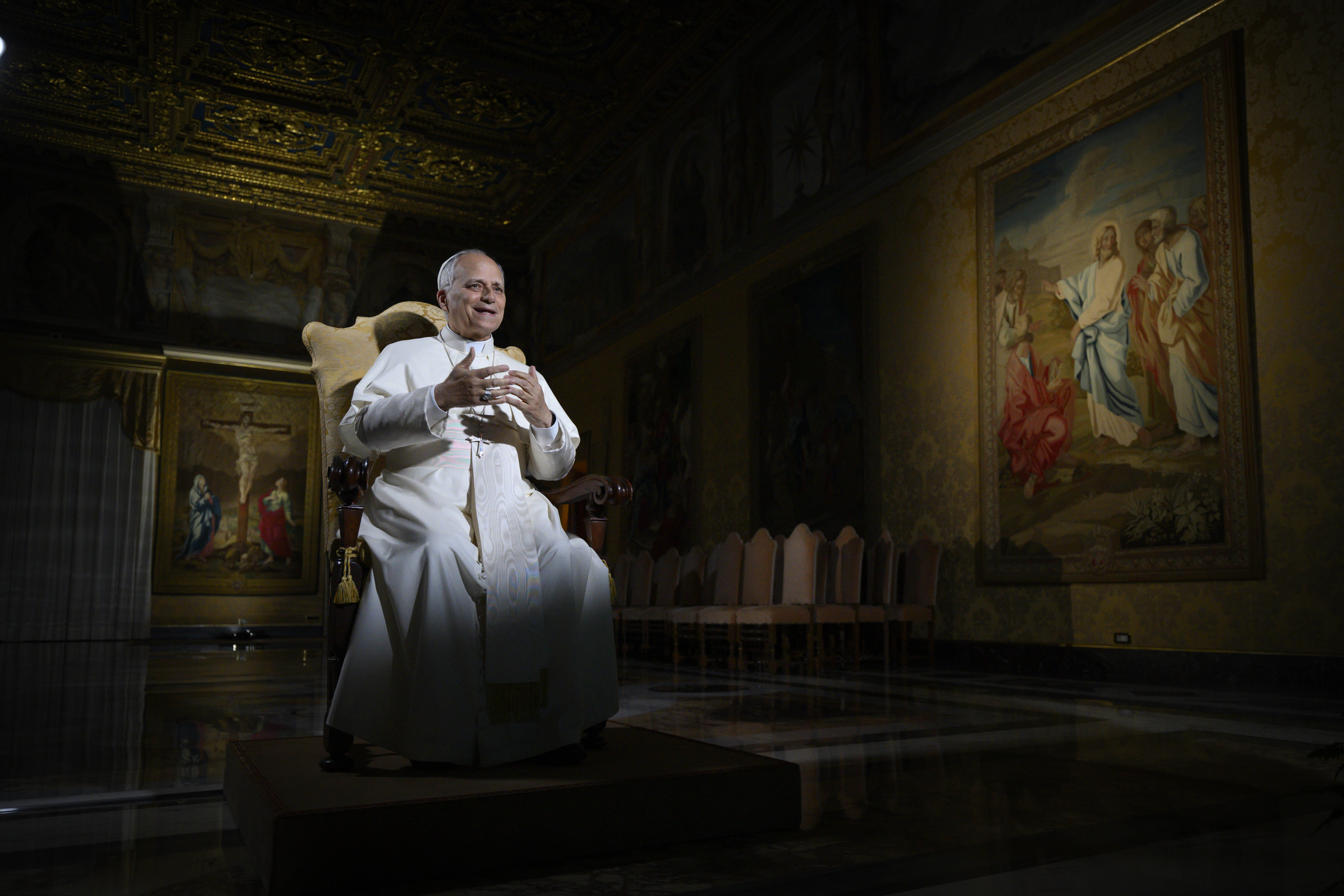
Speaking to reporters on Tuesday in Rome, the Holy Father drew attention to the impending U.S. Thanksgiving and suggested people around the globe might mark the occasion by saying “thank you to someone.”
Here at home, though, perhaps the special “someone” Catholics should thank this year, ahead of everybody else, is Pope Leo himself.