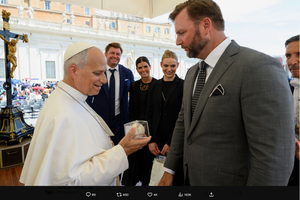
Following the Trail of the Holy Father in ‘Pope Leo’s Peru’
The EWTN News documentary, which debuts on May 1, tells the story of how our American Pope was shaped by this South American country.
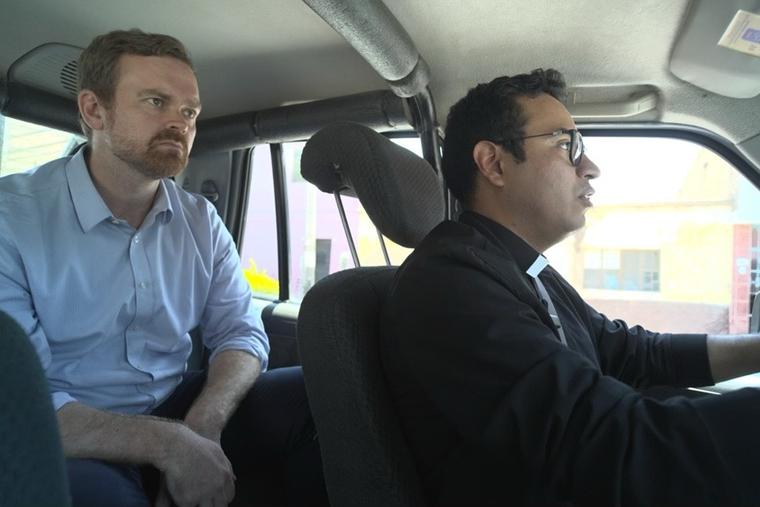
I was on a bus somewhere between Chiclayo and Trujillo, sleep-deprived and increasingly irritable, when the significance of having a missionary pope finally clicked for me.
By that point, I’d been in Peru for about seven days, filming an EWTN News documentary, Pope Leo’s Peru, that will debut Friday, May 1. And although initially excited to be in the Land of the Incas and retracing the steps our Holy Father took over nearly two decades in the South American country, aspects of the assignment were beginning to wear on me.
For one, common aspects of life in Peru — from pothole-ridden highways to hotels with paper-thin walls to dirt and debris along the roadsides — had me missing the comfort, convenience and familiarity of American life. Another thing I was missing was English, as I was growing frustrated with my inability to express myself fully and fluently in Spanish. Finally, I was missing my family, particularly my wife, who at that point was a few months pregnant with our first child.
But amid my own discomfort and yearning for home, I realized that, 40 years earlier, Pope Leo XIV — a fellow Midwesterner — had likely experienced his own form of culture shock and homesickness when he came to Peru for his first missionary assignment. After all, the kind of American Catholic middle-class life he knew on Chicago’s South Side, at Villanova, and even as a Midwest Augustinian was far different than the kind of poverty, instability and foreignness he experienced in Northern Peru in the 1980s.
And yet, the experience of being a “gringo” abroad was not something Pope Leo merely endured. Instead, it was something he joyfully embraced (and for far longer than my 10-day sojourn!). Not to advance his career or to try the local cuisine. But for no other reason than to preach the Gospel of Jesus Christ and to serve His Church.
Reflecting upon the pinprick of adversity of my own Peruvian mission helped me to better understand Pope Leo XIV’s missionary heart — a heart that I hope is revealed even more fully in the hour-long documentary.
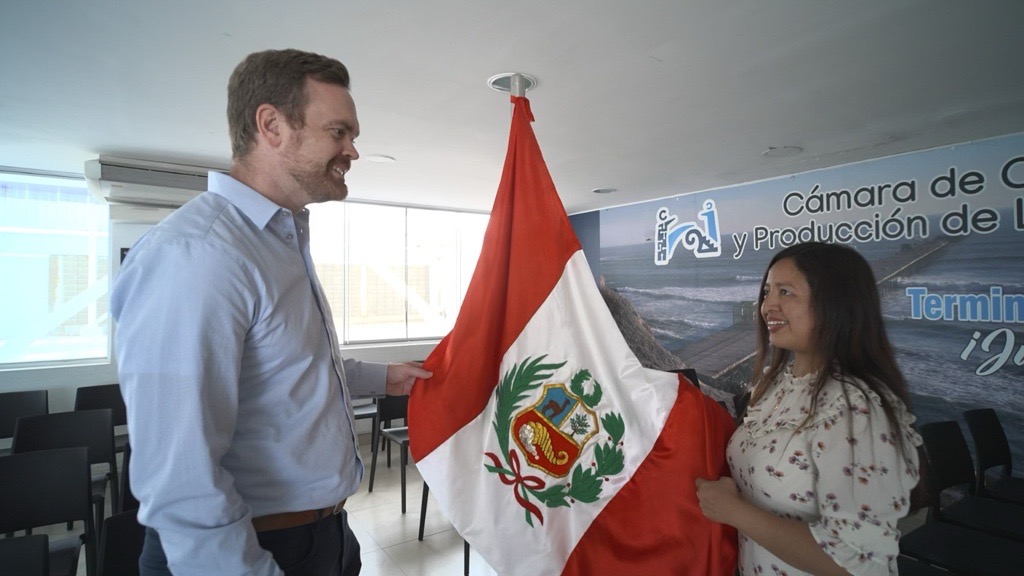
Pope Leo’s Peru takes viewers to the places where Pope Leo served and puts us in conversation with the Peruvians who knew him. In total, we talked to 22 different people, from soup-kitchen volunteers to seminarians, business owners to fellow bishops, all in an effort to answer a single question: How did this South American country shape our first-ever American Pope?
Every stop along the way, we saw how Pope Leo embraced the culture and faith of the Peruvian people, including devotions like El Señor de los Milagros (The Lord of Miracles) processions and the Eucharistic miracle of Ciudad Eten. We learned how, as a bishop, he had even signed up for classes in Quechua — the Indigenous language of the region — offered by the diocese, just so he could converse with more of his people. We also discovered that the day before he became bishop, Pope Leo spent the night in prayer before a relic of St. Turibius of Mogrovejo, the “Apostle of Peru,” who, like Leo, was a missionary to the South American country.
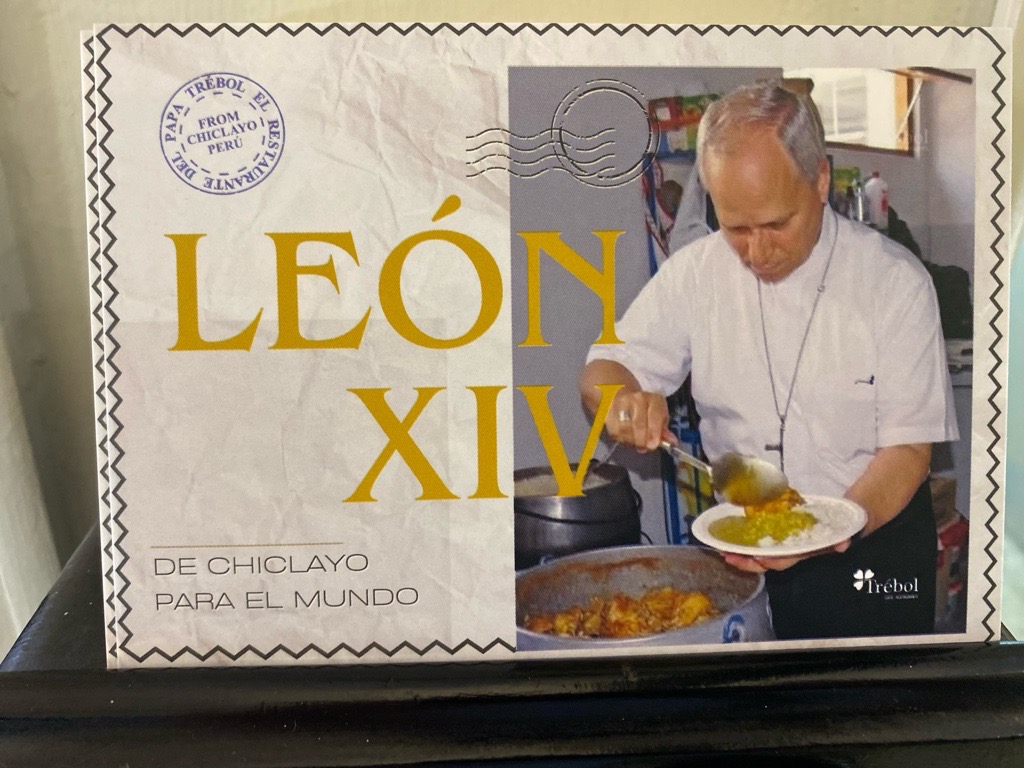
But one of the major takeaways in Pope Leo’s Peru is that the Holy Father’s missionary spirit didn’t just help him engage as an American with Peruvians. Instead, being a missionary is what characterized his entire approach to ministry and how he served those in Peru as a priest, pastor and bishop.
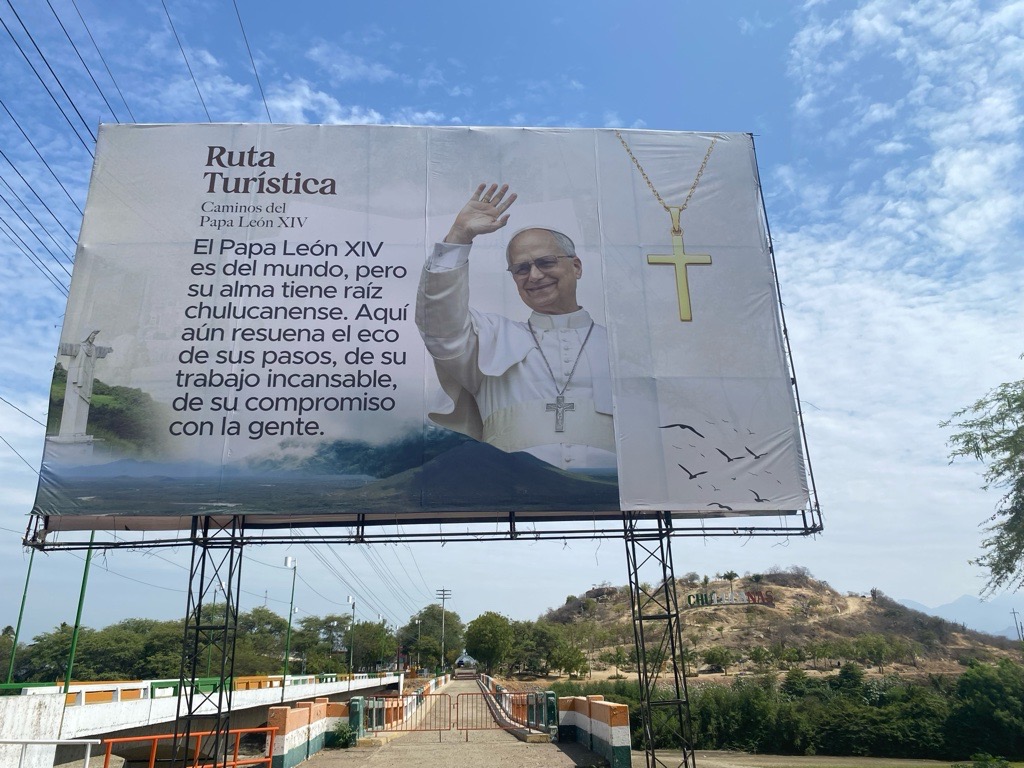
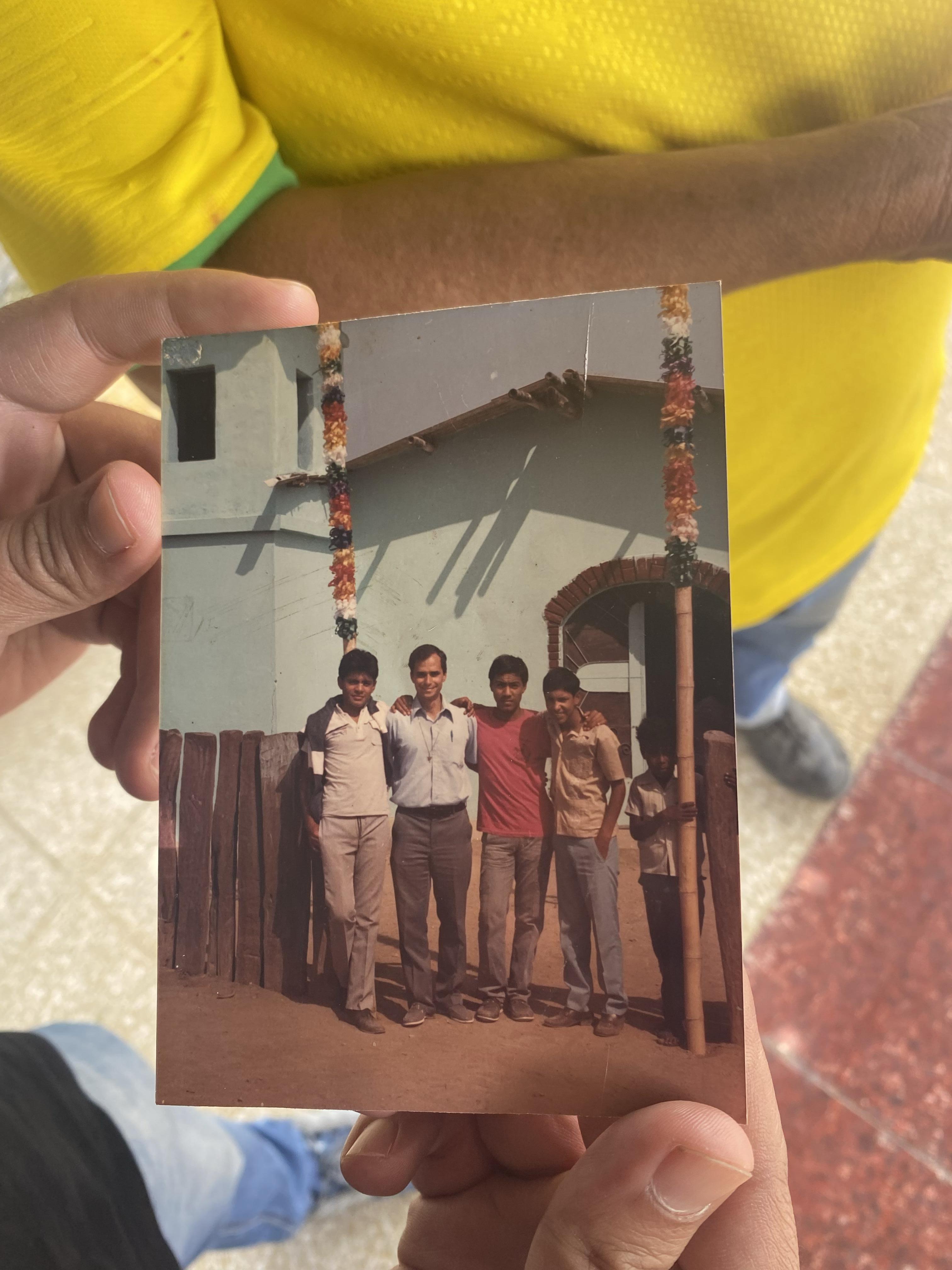
In Chulucanas, the rural outpost where Pope Leo served as a missionary from 1985 to 1986, his former altar boys told me how the young American would disappear without telling anyone. Where did he go? To spend time with the poor and make sure they had enough to eat. That same kind of love for the lowly carried over to the rest of Pope Leo’s Peruvian assignments; in each one, he was known for establishing soup kitchens and prioritizing charity.
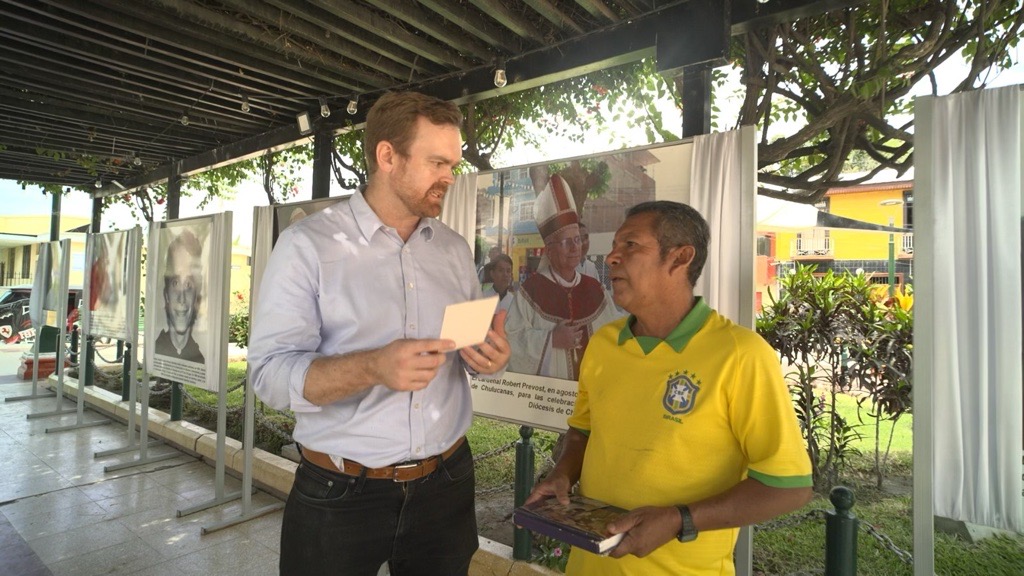
In Trujillo, the large port city where Leo had his longest Peruvian stint (1988-1999), former parishioners shared how Pope Leo had urged them to respond to Protestant encroachment by “taking the Church out into the world” and evangelizing. Furthermore, the young pastor never let his priesthood serve as an excuse for remaining distant from his people — and would even pop in parishioners’ kitchens for lunch.
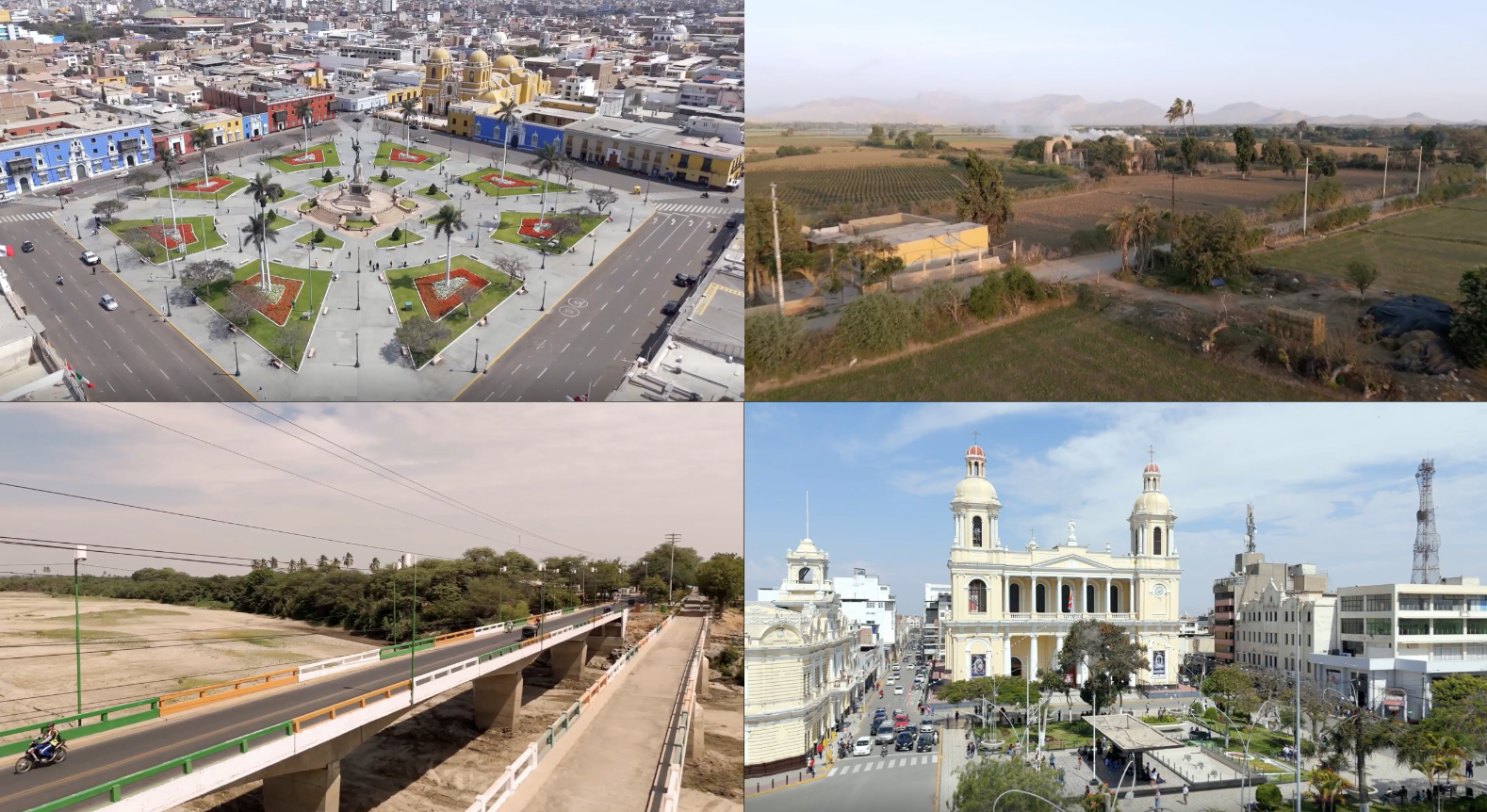
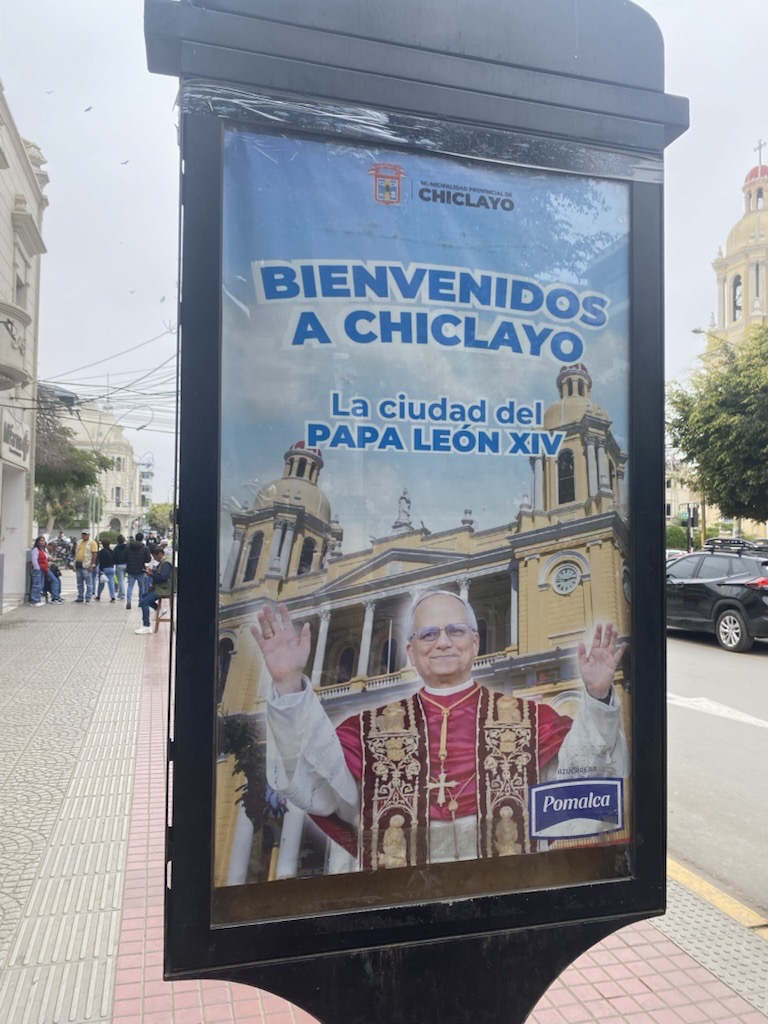
And in Chiclayo, the northern diocese Leo led from 2014 to 2023, we rode in the 4x4 pickup truck the missionary bishop had acquired after his arrival so that he could reach even the most remote regions of his diocese — and learned how he once drove through a flooded river to reach a very special Mass.
Spending time in Peru, you come to understand why Pope Francis thought so highly of this Midwestern missionary, making him a bishop, then curial prefect, and then a cardinal, all in less than 10 years: because Pope Leo is the epitome of the “missionary disciple” Pope Francis called all Catholics to become.
In short, Pope Leo’s Peru shows how the Holy Father’s 19 years in South America were marked by closeness to his people, an attractive evangelistic witness, and a preferential option for the poor. These elements have already shown up in the first year of his pontificate, whether during his incredible 10-day trip to Africa or via his promulgation of a document on love for the poor, Dilexi Te (“I Have Loved You”) as his first major text.
Another hallmark of Leo’s papacy thus far with clear roots in Peru is his emphasis on unity. For instance, his handling of a divisive situation he faced when he arrived in Chiclayo hints at how he might address contested issues in the Church moving forward.
Likewise, seeing how he stood up to a stubborn crowd that had locked him out of a shrine where an unauthorized liturgy was taking place reveals the kind of serene strength that was more recently on display when he said he “had no fear of the Trump administration” amidst his recent exchange with the U.S. president.
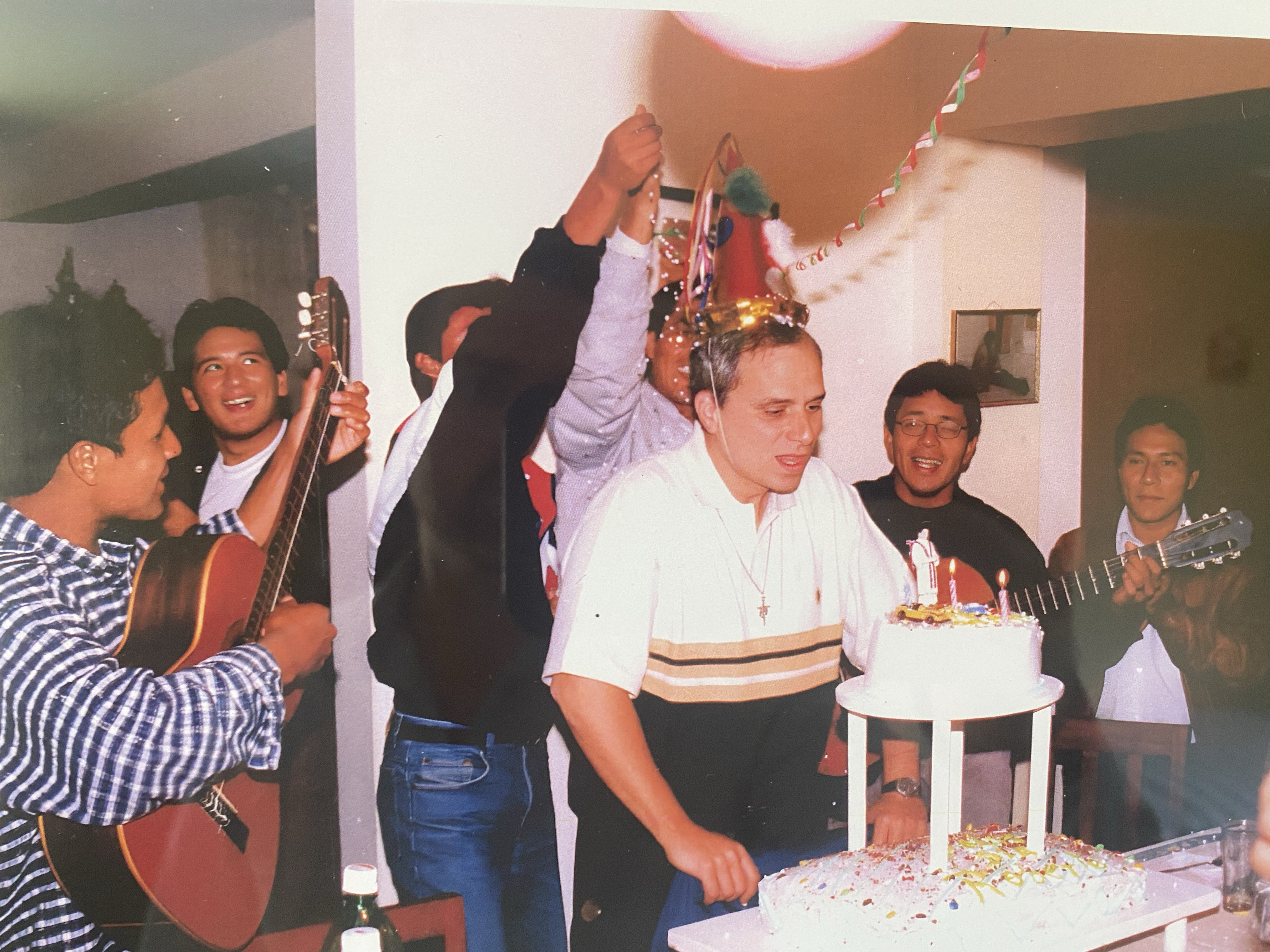
Pope Leo’s Peru is informative, inspirational, and, even at times, I hope, entertaining. For instance, viewers will learn the name of the rock band Pope Leo took members of the Chulucanas youth group to see in concert. They’ll also see how Pope Leo takes his Peruvian coffee and will learn the name of his Peruvian goddaughter.
But more than facts for papal trivia, Pope Leo’s Peru gives viewers a picture of a future Pope who loved his people and a people who loved him back. As one parishioner in Trujillo put it, Pope Leo has “a true Peruvian heart.” As another religious sister on the streets of Chiclayo told us, the Pope is “more Peruvian than the potato.”
And everywhere we went, people expressed their joy that a man who had served them with such closeness, humility and love is now the Supreme Pontiff of the Catholic Church.
I hope you’ll watch Pope Leo’s Peru to see why.
WATCH
Pope Leo’s Peru will air on EWTN on May 1, at 8 p.m. ET, and will be available on EWTNNews.com and the EWTN News YouTube channel. Watch below:
- Keywords:
- ewtn
- 'pope leo xiv'
- ewtn news
- church in peru