Swim, Don’t Drift: The Power of a Personal Rule of Life
Without a clear rule of life, we drift from what matters most; with one, we can order our days toward faith and flourishing.
If you’ve ever swum in the Pacific Ocean, you know how strong the currents can be. You might begin with a sense of direction, aiming for a distant point or hoping to ride a few waves, but before long, you’re drifting. Often, you emerge from the waves several yards from your intended destination. This tug-of-war beneath the water’s surface mirrors our journey through life. Without intentional effort, we risk drifting from what nourishes our hearts, sharpens our minds and enriches our souls.
Most of us instinctively know the areas of our lives that need fine-tuning — the places we should improve. But at the same time, many of us are caught in trivialities, engrossed in money-making, or overwhelmed by the busyness of work, family and social obligations. Without realizing it, we lose sight of our highest aspirations — flourishing in our talents, nurturing friendships and growing in holiness.
As Lebanese-American writer Nassim Nicholas Taleb notes, “A man without a heroic bent starts dying.” We were made for greatness, yet we often settle for drifting. What is the answer to this persistent and constant movement away from our true calling?
Monastic Rhythms: A Blueprint for Living with Purpose
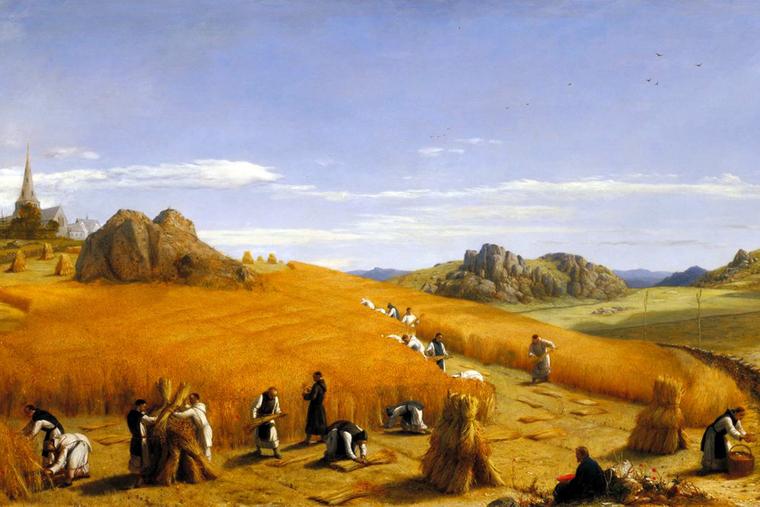
An antidote to this aimless drifting is the time-honored practice of developing a “rule of life.” The great monastic orders developed “rules” to optimize their time and energy for their ultimate goal — union with God. For example, the Rule of St. Benedict organized a monk’s life by creating balance and purpose through specific times of prayer, work, rest and recreation.
While most of us are not called to monastic life, we can still learn from this wisdom. By creating our own rule of life, we can build an intentional and structured framework that aligns our activities with our aspirations for flourishing — developing our talents, strengthening relationships, raising our children and growing in faith. Growing up, I often wondered how my father could adhere to his daily routine of morning exercise, prayer, work, and ending each day with a cup of coffee and a book. I now see he was tuned into this secret for success — his customs enabled a flourishing in all areas of his personal and professional life.
Crafting Your Rule of Life
What might a rule of life look like in modern, secular life? We face responsibilities as spouses, parents, workers, and community members, and wear many hats. Yet, we can still set up a system that helps us thrive in all these areas. Like the monks, we can create rhythms that reflect our priorities. Here are some examples:
Marriage and Family. Plan times to be one-on-one with your spouse, family dinners, and yes, even vacations. These aren’t luxuries; they’re essential for nurturing strong bonds. For our family, our annual National Parks trip has become a non-negotiable family favorite where we adventure together and enjoy the beauty of creation.
And while scheduling is good for habit building, sometimes what’s needed is spontaneity and spice to breathe new life into the romance and friendship. This can mean you jump in the car on a whim after dinner for an ice cream run with the kids or grab a drink to watch the sunset with your spouse.
Faith and Spirituality. Set aside specific times for prayer, devotionals, or attending Mass. For instance, my family committed to Eucharistic adoration every Sunday evening and Mass together on Friday mornings. Initially met with grumbling from the children, it soon became a cherished moment of calm and connection with God. Many families also commit to a daily or weekly family Rosary. We have found that once prayer is part of the weekly routine, even the young children anticipate it.
Friendship and Community. Visits with friends or community activities nourish your soul. Whether scheduled or spontaneous, these gatherings build the deeper friendships we all crave but often neglect. For many years, we organized a group camping trip with several local families. This strengthened our friendship and allowed the kids to expand their networks, all while having fun.
Work and Career. Align your work with your larger goals. Set aside time for personal growth — whether reading, learning a new skill, pursuing a degree, or working on a passion project. Even in busy seasons, I commit to leaving the office by 6:30 p.m. to allot time for family connection in the evening. I also try to read or watch something enriching before enjoying the leisure of a TV program or Netflix hit. The appropriate interplay of work and play helps keep body and soul in harmony.
Turning Aspirations into Habits
A rule of life isn’t just a list of good intentions — it’s about turning those aspirations into habits. For example, I always wanted to live a healthy lifestyle, but it wasn’t until I committed to exercising every morning before work that it became a reality. Now, after 20 years, it’s not just a goal — it’s a habit. Some days, I don’t feel like getting out of bed, but my rule of life propels me forward. The same applies to prayer, family time and other commitments.
The key is to make something that’s merely a desire — such as spending more time with your children, growing in faith, or learning a new skill — a non-negotiable habit. This structured approach helps transform life into something intentional rather than reactive. As we tell our children, small habits are the building blocks to great success. Our oldest son is thinking of law school so we are making a backward plan for LSAT studying months in advance to be prepared for his desired testing date.
A Living, Flexible Framework
“Begin again” or “Now I begin” (“Nunc Coepi”) is the phrase that guided former Chargers quarterback Philip Rivers to persevere and find success in faith, family and football. When setbacks or mistakes happened, he didn’t let them stop his progress.
Similarly, a rule of life is not a rigid schedule that must be followed perfectly. It’s a living framework that evolves with time. We will often need to “begin again,” but the purpose remains clear: to help us flourish and become the best version of ourselves. Usually, at the beginning of a new year, my wife and I will revisit our progress in the various areas of our life (finances, faith, children, friendships, health, romance, leisure, etc.) and have an honest conversation about where we are and how we can improve in each zone.
By intentionally crafting a rule of life, we choose not to drift with the currents but to swim toward something meaningful, something that gives life purpose and fulfillment. It requires effort, but as Taleb reminds us, we need a “heroic bent” to thrive. We weren’t made for mediocrity — we were made for greatness.
So, what will your rule of life look like? What commitments will you make to swim, not drift, in this ocean of life?
- Keywords:
- rule of life
- st. benedict