What Jane Austen Teaches Us About Having a Thankful Heart
The beloved British novelist penned prayers that point to gratitude.
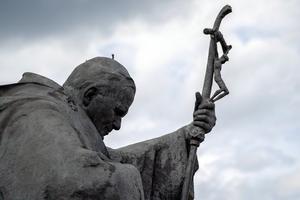
This week, Pope Leo reminded Catholics of what having a truly thankful heart means: “to recognize that we all have received so many gifts, first and foremost, the gift of life, the gift of faith … and to give thanks to God for the many gifts we’ve been given.”
As Christians, we know we should do so, as 1 Thessalonians 5:18 exhorts: “In all circumstances give thanks, for this is the will of God for you in Christ Jesus.”
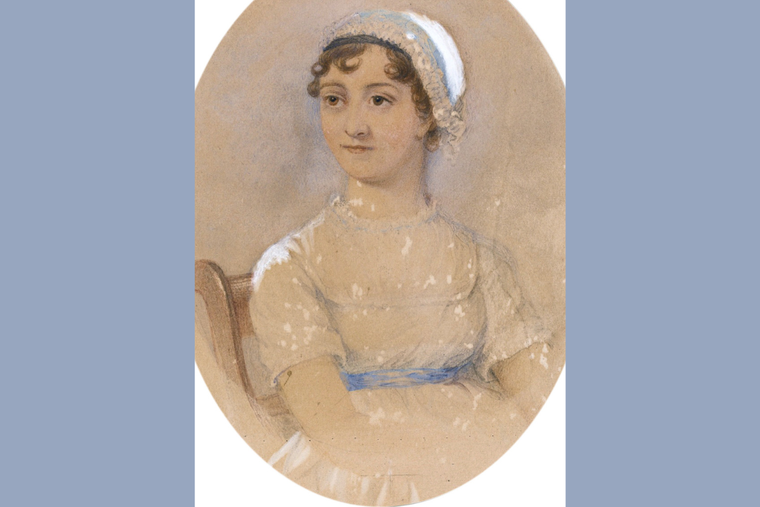
More than 200 years ago, the beloved British novelist Jane Austen, whose novels of manners and morality, virtue and wit still endure, penned prayers that also point to gratitude. In this year that marks the 250th anniversary of her birth (celebrated next month) and on American Thanksgiving, it is worth reading — prayerfully — some of her surviving prayer excerpts.
Her Christian faith shines through so beautifully in these lovely lines that offer much to reflect upon.
Give us a thankful sense of the blessings in which we live, of the many comforts of our lot; that we may not deserve to lose them by discontent or indifference.
We bless Thee for every comfort of our past and present existence, for our health of body and mind and for every other source of happiness which Thou hast bountifully bestowed on us ... imploring their continuance from Thy Fatherly goodness, with a more grateful sense of them ...
May the comforts of every day be thankfully felt by us; may they prompt a willing obedience of Thy commandments and a benevolent spirit toward every fellow-creature.
Teach us, Almighty Father, to consider this solemn truth, as we should do, that we may feel the importance of every day, and every hour as it passes, and earnestly strive to make a better use of what Thy goodness may yet bestow on us, than we have done of the time past.
We thank Thee with all our hearts for every gracious dispensation, for all the blessings that have attended to our lives, for every hour of safety, health, and peace, of domestic comfort and innocent enjoyment.
Yes, may our “thankful sense of the blessings in which we live” extend beyond Thanksgiving, for, indeed, we have much to be thankful for.
RELATED LISTENING
- Keywords:
- thankfulness
- jane austen

Amy Smith Amy Smith is a Register senior editor who edits devotions and features for print and online. Fueled by prayer and coffee, she enjoys writing about everything from Jane Austen to saints for the Register. She is the author of The Plans God Has for You: Hopeful Lessons for Young Women (Emmaus Road Publishing). Her writing has also appeared in various other Catholic publications. She has a master’s degree in journalism and a B.A. in English.