Lessons From the ‘Synod Study Group 9’ Debacle
EDITORIAL: Synodality has something to offer the Catholic Church, but not at the expense of what it actually teaches.
The Vatican’s “Synod Study Group 9” has gone out with a whimper — and an embarrassing one at that.
Originally tasked with applying synodality’s emphasis on “listening” to “controversial doctrinal, pastoral, and ethical areas,” the group caused needless controversy on May 5 when it released a final report that diminished Revelation’s implications for sexual morality while presenting a misleading portrayal of Catholic Church teaching by positively featuring the “testimonies” of two men in civilly recognized same-sex marriages.
The group’s promoters hailed the report as a “big deal,” a “breath of fresh air” and a deviation from “top-down” approaches. But within days, Study Group 9’s report on homosexuality was unveiled to be a predictable exercise in classic bureaucratic activism, rather than the sincere listening that synodality espouses.
The “witnesses” that the document anonymously cited turned out to be known LGBTQ activists. The lone African member of the group didn’t even participate in drafting the controversial section, having previously called “the ideology of sexual orientation” unbiblical. And multiple cardinals of the Church have repudiated the report. Tellingly, not one has publicly come to its defense.
Even the synod secretariat has distanced itself from the work of Study Group 9.
With the submission of its final report, Study Group 9, thankfully, is now disbanded. And contrary to media reports from The Associated Press and others, its last hurrah should be seen less as an indication of how Pope Leo XIV will lead the Church on thorny subjects like homosexuality and more as the last vestiges of how synodality operated under Pope Francis. The study groups, after all, were a creation of Francis; Leo has simply allowed them to conclude their (completely nonbinding) work.
Nonetheless, as we transition into whatever synodality will mean under Leo, this episode offers lessons that can help Church leaders avoid the kinds of pitfalls that have thus far hampered the process.
For one, the hyperbole must stop. Promoters thankfully have stopped describing the synod as the most important Church event since Vatican II, but they are still prone to overstating, for instance, how well it gauged Catholics around the world and even what that input means for Church teaching.
These sorts of overstatements undermine the credibility of synodality. Instead, leaders should stick to more circumspect descriptions of what synodal processes mean and the relevant but limited value they offer.
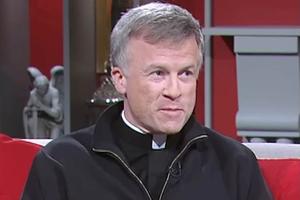
Second, those leading synodal processes and contributing to key conversations must reflect a broader range of perspectives. As Father Brian Gannon, executive director of the apostolate Courage International, contended, Study Group 9’s final report “contradict[ed] what synodality intends” by excluding relevant voices (including Courage’s) from the discussion. But the critique can be leveled against the Synod on Synodality more widely, including the composition of the theological advisers who shape what “synodality” itself means. We need less tunnel vision and a more well-rounded theology of synodality.
Finally, “synodality” must be placed in its proper context. Study Group 9 used it as a weapon, turning “listening to people’s experience” as a way to trump what God has already said about sex and marriage. But this tactic isn’t limited to moral theology. It has been employed by those attacking male-only holy orders and episcopal governance and teaching.
Synodality has something to offer the Church, but its proponents must be willing to situate it within the Church’s essential dogmatic and hierarchical character, not as an alternative way to make doctrine.
Fortunately, Pope Leo XIV has already taken steps in these directions. He has spoken of synodality less as a way of effecting change and more as an approach to promoting unity and communion. Furthermore, he has prioritized collegiality with his fellow bishops, underscoring that synodality is meant to aid — not replace — the legitimate governance and teaching of the episcopacy.
The hope is that others charged with leading synodal efforts follow his example, avoiding another scandalous debacle like the final report of Study Group 9.