Catholic Venezuelans Weigh Hope and Fear After Maduro’s Arrest
While some see a turning point in Nicolás Maduro’s arrest, Catholic Venezuelans in the U.S. warn that instability and persecution at home have yet to end.

Gustavo Rincon’s family reunion in Fulshear, Texas, was interrupted when a relative insisted that something big was happening in Venezuela. While the reunion stretched into the small hours of Jan. 3, “family in Caracas were saying that they were hearing explosions,” he recounted.
Rincon, 28, recalled that his initial attitude was “extremely skeptical.”
“In my mind, I didn’t know what was happening. It was definitely not normal, but I didn’t want to put hope in this,” he recalled. “I didn’t have any hope in my country.”
Rincon immigrated to Miami in 2016 and recently moved to Texas. He had long ago been worn out by constant letdowns in Venezuelan politics. It had become too painful to allow himself to believe that Maduro’s government could ever be overcome. “As far as I knew, [the videos] could very well be AI,” he said.
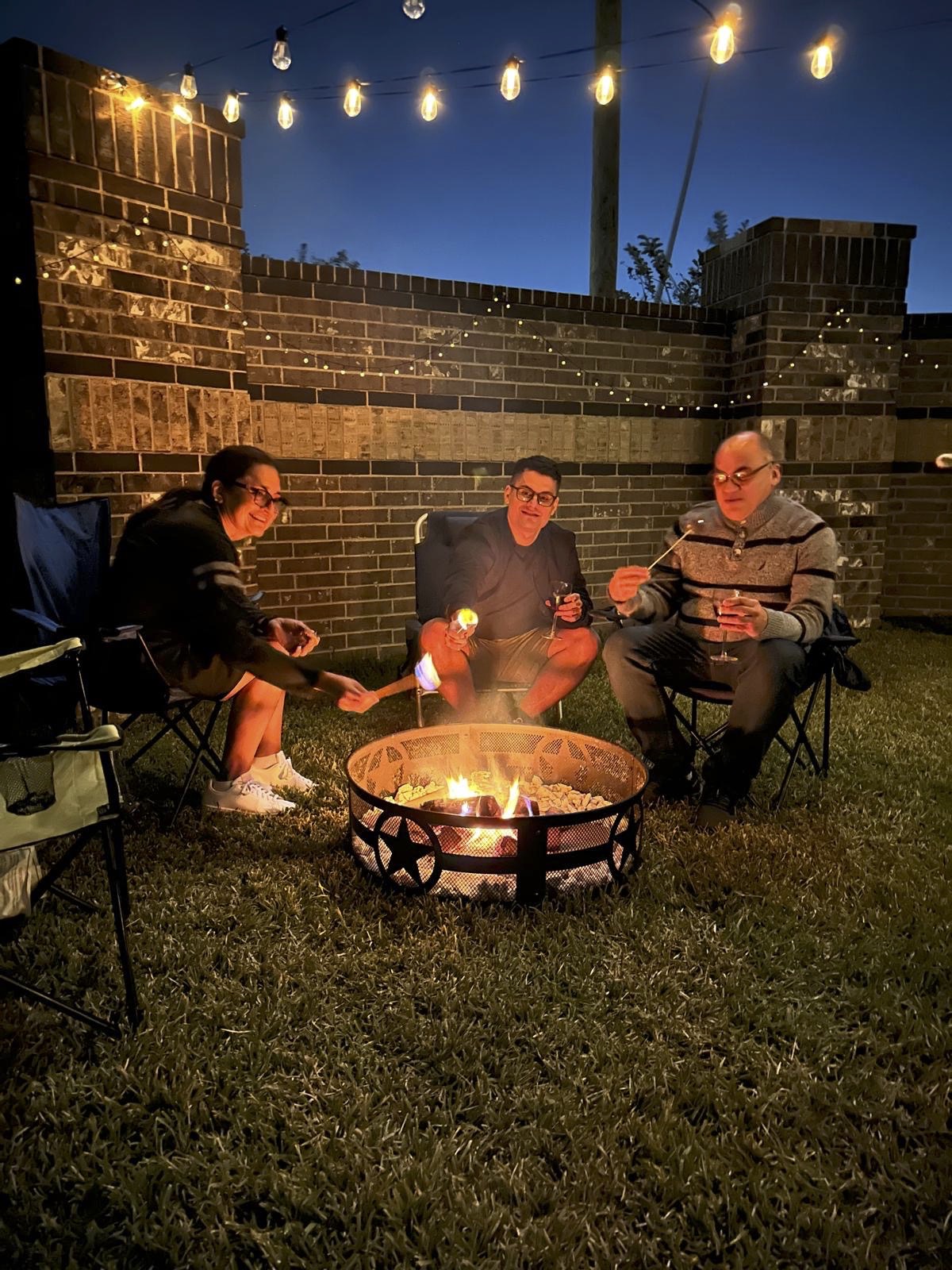
By that morning in early January, he and other Venezuelans across the United States were astonished by the confirmation of the U.S. arrest of Nicolás Maduro and his wife, Cilia Flores. Maduro has been imprisoned in New York City, formally accused of various drug-trafficking and weapons charges.
Meanwhile, the United States has so far retained Maduro’s former vice president, Delcy Rodríguez, at the helm. While opposition leader María Corina Machado, a 2025 Nobel Peace Prize recipient, advocates for a democracy in Venezuela, her efforts are handicapped as long as the Trump administration allows Rodríguez to remain acting president.
Upon initially learning of Maduro’s arrest, a “cautiously hopeful” attitude bloomed in Rincon, a groundbreaking shift in his outlook on his homeland. For others, such as Alan — a 26-year-old professor in Tampa, Florida, who wishes to remain anonymous for his family’s safety — “confusion” and anxiety are dominant emotions. Regardless of their varying reactions, many Catholic Venezuelans find insight into the situation through their faith.
As Alan put it, “Faith is basically the only thing I have.”
What Those in Venezuela Are Experiencing
Just because Maduro and Flores have been arrested does not mean that Venezuelan government harassment has ended.
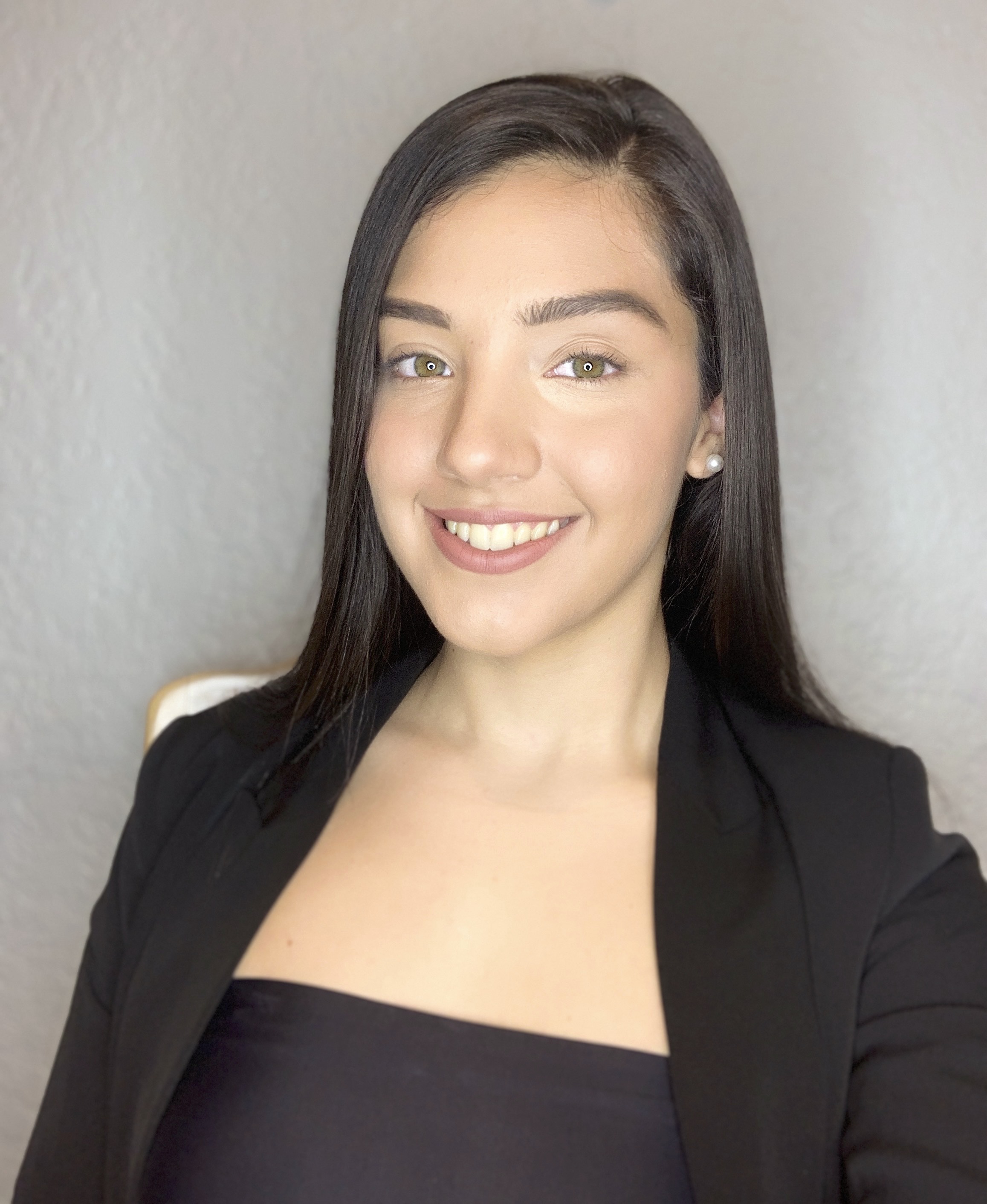
Silvia Cusati, 26, fled from Venezuela to West Palm Beach, Florida, in 2018. As she observed, “I have encountered a lot of people saying, ‘I want to hear from Venezuelans inside of Venezuela.’ But the reality is that those inside can’t speak without fear.”
According to Rincon, people in Venezuela are warning family and friends in the United States not to send them anti-Maduro memes, since Maduro loyalists in colectivo groups have been forcibly going through people’s phones for evidence of anti-Maduro sympathies. Alan’s brother recently had a similar experience with the General Directorate of Military Counterintelligence (DGCIM), which ordered him out of his car and searched his phone.
For Alan’s family in Venezuela, this traumatic event came on the heels of his cousin’s arrest by the police and the DGCIM for selling backpacks featuring U.S. flags. “Like DC shoes, it was like any regular backpack — they just had the U.S. flag.” His cousin was detained early last December, shortly before Maduro’s arrest, for two weeks. He had no choice but to surrender the merchandise and pay $10,000.
“People are defending Maduro, saying, ‘Oh no, the U.S. kidnapped him,’” said Alan. “No, they just kidnapped someone that, first of all, wasn’t elected by the people. And two, they took someone that is just making the lives of the Venezuelans horrible.”
Fifty-six political prisoners have been released in Venezuela as of Jan. 12, as reported by CNN. Rincon’s uncle, former presidential candidate Enrique Márquez, was set free on Jan. 8. However, many are still detained.
The Associated Press reported on a Jan. 14 press briefing in which acting President Rodríguez “offered assurances that the process of releasing detainees — a move reportedly made at the behest of the Trump administration — ‘has not yet concluded.’”
Rodríguez said in a state of the union address Jan. 15 that a portion of oil industry profits would be allocated to struggling public infrastructure and the healthcare system. As AP News observed, “These days the country’s hospitals are so poorly equipped that patients are asked to provide supplies needed for their care, from syringes to surgical screws.”
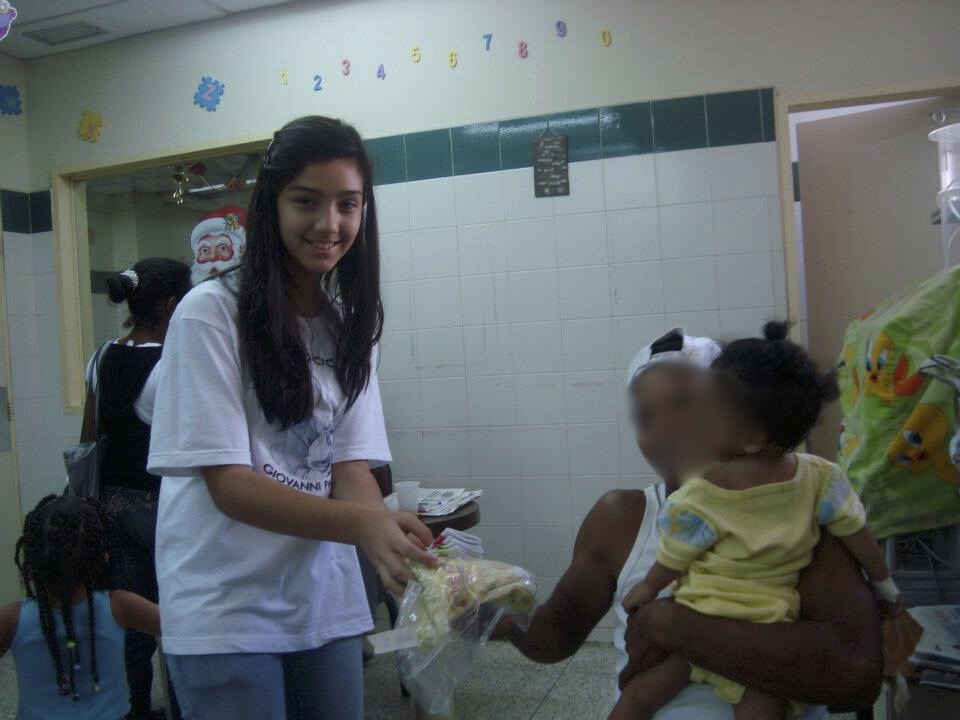
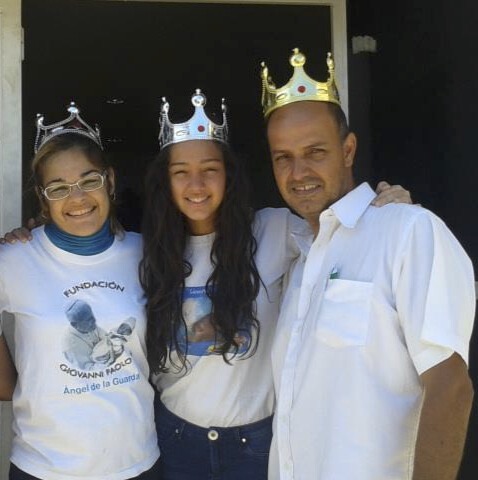
Cusati can personally attest to the abysmal state of the country’s health-care system as early as the era of Maduro’s predecessor, Hugo Chávez. After her brother, Giovanni Paolo, was delivered by C-section in a public hospital April 24, 2010, her family had to buy its own medical supplies, including basic alcohol pads for her mother.
The premature Giovanni Paolo also had to share an incubator with two other infants. After contracting a bacterial infection, he died at just 6 days old. Part of the reason for the Cusati family’s departure from Venezuela was their subsequent outspoken health-care advocacy, which garnered enemies.
Speaking of her reaction to recent events, Cusati said, “Our main hope right now is that things do get better. Even though the U.S. is asking for a price, we understand that. … The oil is the least thing we think about. We think that if that’s the thing that we can give away so we can have a better life and a better country, we’ll be happy with it. I’ll speak for myself, but I know that’s an opinion that most of us do have.”
However, she also observed that if a transition does not improve conditions, “the people that are left in power right now because of the transition could be worse.”
According to an AP News release Jan. 17, acting President Rodríguez “has been on the radar of the U.S. Drug Enforcement Administration for years and in 2022 was even labeled a ‘priority target,’ a designation DEA reserves for suspects believed to have a ‘significant impact’ on the drug trade.”
When questioned by reporters on Jan. 16 about his reasoning for retaining Rodríguez, President Trump said, “If you ever remember a place called Iraq, where everybody was fired — every single person — the police, the generals, everybody was fired. And they ended up being ISIS.”
The comment appeared to reflect concern that sweeping efforts to dismantle Venezuela’s governing apparatus could aggravate political instability.
Even so, Venezuela is already in a state of instability. South Florida public radio and television outlet WLRN reported that the number of Venezuelans with temporary protected status in the United States increased from 21,000 in 2021 to more than 600,000 in 2025. As of 2024, about 1 million Venezuelans lived in the United States, or roughly 2% of the total immigrant population. The 2024 American Community Survey reports that 40% of Venezuelan immigrants moved to Florida.
Erlys, a mother of two, fled to Miami after being targeted in Venezuela. In 2013, Erlys’ ex-husband, a prominent lawyer in Caracas, was singled out “directly by Nicolás Maduro and by a colectivo called La Piedrita” (“The Little Rock”). The family’s home was defaced with menacing graffiti, and they were terrorized with death threats. In April 2013, the family received political asylum in the U.S., “preserving our lives and the lives of our children.”
“In the face of so much fear and so much terror, we sought to have security, and that is what we have achieved in this great nation: security, protection and freedom,” she added.
Florida Gov. Ron DeSantis said in a Jan. 13 news conference that the state of Florida may press charges against Maduro, citing a gap in the federal indictment.
“He would empty his prisons and send them to America across the border, and we’d end up with some of these people in Florida,” including Tren de Aragua gang members who “were in prison there. He did that, and to me, that is a very hostile act.”
“Regarding the current situation, I’m just in a confused stage because I don’t know what is going to happen,” Alan said. “I [personally] cannot celebrate yet. … I just cannot do that until everyone related to [Maduro’s government] leaves and we get our justice. … It’s still the same characters that are there in power.”
A Nation in Turmoil
Waking up after the family reunion Jan. 3, it finally hit Rincon that Maduro really had been arrested. With tears springing to his eyes, the moment led to a powerful spiritual experience.
“God touched my heart in a place that had no hope,” he said. “My heart was very hardened. … Little by little, it melted away.”
Alan leans heavily on his faith to deal with the difficulties his family has experienced in Venezuela. “It’s really hard to call them and just listen to horrible news,” he said. “When you already have your own problems and you call your family for support, and they tell you something bad [has happened], you’re just going to get depressed. Without my faith, I have nothing.”
He finds strength in the sacrament of confession, the Eucharist, the Rosary and the Jesus Prayer: “Lord Jesus Christ, Son of God, have mercy on me.”
Rincon noted that while the environment in Venezuela is volatile, unity will prevail.
“There’s a lot of resentment between the opposition [anti-Maduro] and the Chavistas [pro-Maduro] and vice versa,” he said. “I believe that, although you need to have justice — and definitely some people do need to be in jail — we also need to start having forgiveness, because otherwise we’re just going to start a war between each other.”
Erlys and her children have been consistently “offering the Holy Mass, the Eucharist and Adoration for peace in Venezuela and the United States.” She noted, “I am always at the feet of the Lord living my Catholic faith authentically, where I can live it authentically — and that is here in [the United States].”
“I’m praying for true peace and a just and humane transition,” said Cusati. “For wisdom for those who are making decisions right now. I pray for the political prisoners and their families, for anyone who has suffered torture, loss or exile.”
“What I’m praying for is more or less the same as what I was before: for the Lord Jesus to come and renew my heart and renew the hearts of everyone in Venezuela,” Rincon added. “At the end of the day, the only savior of Venezuela is the Lord Jesus.”
Emily Chaffins is a freelance writer and photographer whose work has been featured on Flipboard, EWTN News, Catholic Exchange and more. She curates the Archdiocese of Miami’s “Through the Catholic Lens” blog, which is devoted to rediscovering art and media through a Catholic worldview.