Nigeria, Nicaragua, Syria, India Cited in Index of Rising Christian Persecution
Religious nationalism, state control, terrorism, authoritarianism, and limits on women are among drivers of rising persecution globally, the International Christian Concern (ICC) report said.
International Christian Concern (ICC) released its 2026 Global Persecution Index, offering an in-depth analysis of the persecution Christians face in more than 20 countries and recommendations for how policymakers and organizations can combat escalating violations.
“This year’s Global Persecution Index is a sobering reminder that millions of our brothers and sisters in Christ continue to pay a high price for their faith,” Shawn Wright, president of ICC, said in a statement.
ICC is a nonprofit organization assisting the persecuted Christian church through assistance, advocacy, and awareness across the globe.
The index, “Faces of the Persecuted,” was created by ICC as more than 388 million Christians worldwide — or 1 in 7 believers — live under "high levels of persecution and discrimination for their faith,” according to the report.
The index highlights the leaders of countries where persecution is worsening including Nigerian President Bola Ahmed Tinubu, Nicaraguan President Daniel Ortega, Syrian President Ahmed al-Sharaa, and Indian Prime Minister Narendra Modi.
The index outlines trends in religious freedom that are aiding the rise of persecution including religious nationalism, transnational repression, state control over religious organizations, terrorism, authoritarianism, restrictions on women, and the use of the West to persecute.
The report states: “Despite these challenges, the church continues to grow in some of the most hostile environments, and resistance to repression is rising as individuals and communities push back against injustice and demand greater freedom.”
“Behind every statistic is a real person: someone who has chosen faithfulness to Jesus over safety, comfort, or even life itself,” Wright said. “Our hope is that this report not only informs decision-makers and stakeholders but moves readers to act with urgency, conviction, and compassion.”
Recommendations to ‘Ease the Burden of Persecuted Christians’
The index details Christian persecution in African, Latin American, Middle Eastern, North African, South Asian, and Southeast Asian countries, and it specifically offers recommendations to aid the faithful in Nigeria, Nicaragua, Syria, and India.
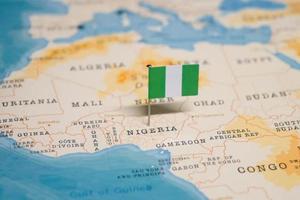
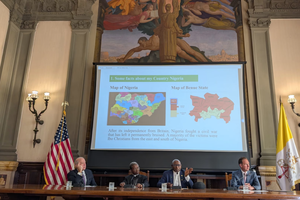
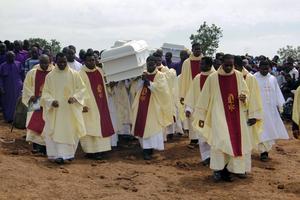
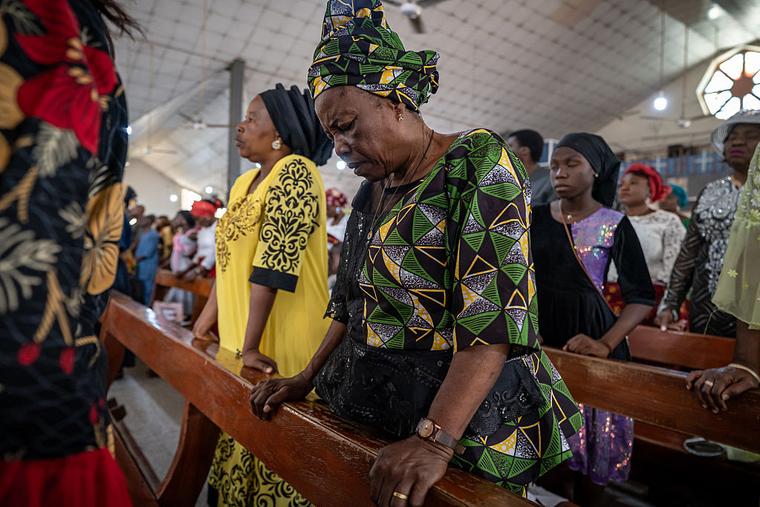
As Nigerians face political persecution, mob violence, and other actions aiding the nation’s religious persecution, ICC recommends immediate and independent investigations into the reported mass killings against the faithful in the country.
It also calls for international leadership to reverse legal barriers, including blasphemy laws in the nation that criminalize disfavored religious beliefs.
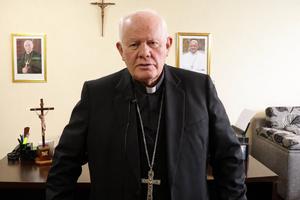
In Nicaragua, ICC notes that hundreds of priests, nuns, and other religious workers have disappeared or been detained. The nation’s regime also engages in systematic attempts to control religious sermons and media, and surveil members of independent religious organizations.
To combat the issues, ICC recommends expedited asylum pathways for the exiled clergy and calls for the support of aid to parishes and civil society organizations shuttered by the regime. It also urges expanded international sanctions against Nicaraguan officials, including regime leaders Daniel Ortega and Rosario Murillo.
In Syria, religious people face numerous challenges despite a shift of government following the Assad regime. They experience reprisals, detentions, and discrimination that prevents their participation in governance councils and denies them property restitution.
In its index, ICC recommends support for programs that aid displaced communities and protect targeted Christians in Syria. It also calls for accountability for war crimes committed by both Assad and post-Assad actors.
As India’s persecution is on the rise, ICC urges the protection of independent nongovernmental organizations and media working to provide aid and to report on the persecuted groups as the faithful in the nation face mob attacks and other acts of violence.