The Pope Stands With the Poor
On Monday, Pope Benedict XVI wrote to British Prime Minister Gordon Brown about the upcoming G-20 economic summit in London.
His message: Place the poorest of the poor at the very center of this week’s discussions by world leaders about the global financial crisis.
“The London Summit, just like the one in Washington in 2008, for practical and pressing reasons is limited to the convocation of those States who represent 90% of the world’s gross production and 80% of world trade,” the Pope noted.
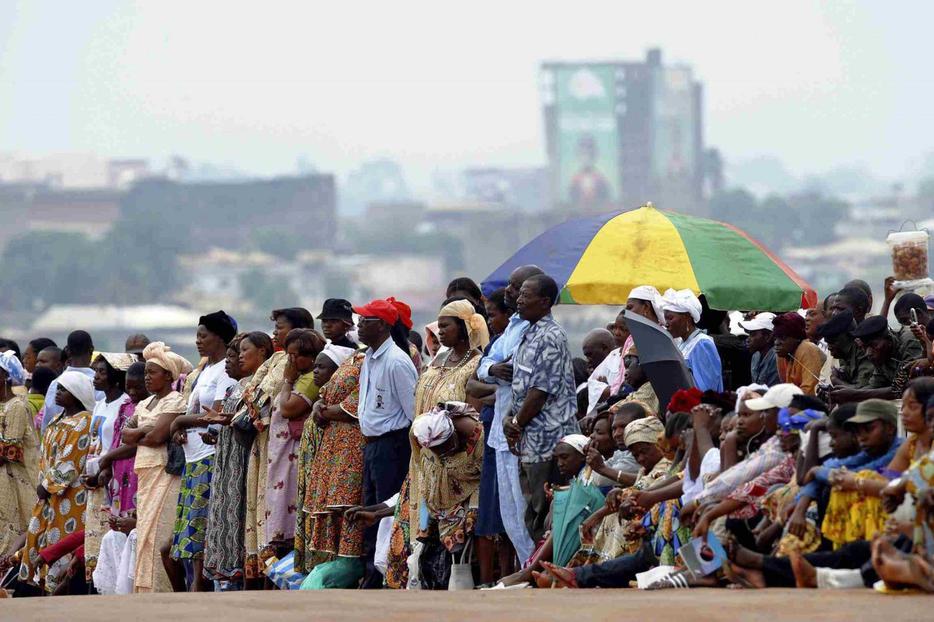
“In this framework, sub-Saharan Africa is represented by just one State and some regional organizations,” the Holy Father said. “This situation must prompt a profound reflection among the Summit participants, since those whose voice has least force in the political scene are precisely the ones who suffer most from the harmful effects of a crisis for which they do not bear responsibility. Furthermore, in the long run, it is they who have the most potential to contribute to the progress of everyone.”
Benedict framed his call for the London Summit to focus on the plight of poor people in developing countries in the context of his recent trip to Africa.
There, he reminded Brown, “I had the opportunity to see at first hand the reality of severe poverty and marginalization, which the crisis risks aggravating dramatically. I was also able to witness the extraordinary human resources with which that Continent is blessed and which can be offered to the whole world.”
In his letter, the Pope also drew attention to the ethical failings that prompted the global economic crisis.
“At the same time, I would like to note a further reason for the need for reflection at the Summit,” wrote the Holy Father. “Financial crises are triggered when — partially due to the decline of correct ethical conduct — those working in the economic sector lose trust in its modes of operating and in its financial systems.
“Nevertheless, finance, commerce and production systems are contingent human creations which, if they become objects of blind faith, bear within themselves the roots of their own downfall. The only true and solid foundation is faith in the human person. For this reason all the measures proposed to rein in this crisis must seek, ultimately, to offer security to families and stability to workers and, through appropriate regulations and controls, to restore ethics to the financial world.”
Benedict continued, “The current crisis has raised the specter of the cancellation or drastic reduction of external assistance programs, especially for Africa and for less developed countries elsewhere. Development aid, including the commercial and financial conditions favorable to less developed countries and the cancellation of the external debt of the poorest and most indebted countries, has not been the cause of the crisis and, out of fundamental justice, must not be its victim.”