How the Charlotte ‘Dubia’ May Impact Liturgy Disputes Beyond North Carolina
At the heart of the matter is a local bishop’s authority to restrict or prohibit liturgical practices that are otherwise permitted by the Church’s universal law.

 National Catholic Register News
https://www.ncregister.com/tag/altar-rails
National Catholic Register News
https://www.ncregister.com/tag/altar-rails
At the heart of the matter is a local bishop’s authority to restrict or prohibit liturgical practices that are otherwise permitted by the Church’s universal law.
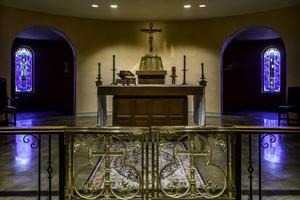
It will stay indefinitely at St. Mark Catholic Church, while the Diocese of Charlotte awaits liturgical changes from the Bishop Michael Martin.
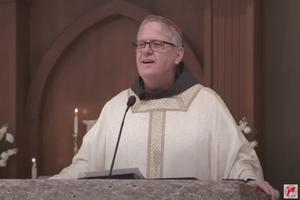
The pastor of St. Mark’s in suburban Charlotte says he acted on his own initiative as the diocese reviews its liturgical norms and has issued no directive on altar rails.
COMMENTARY: The theological, liturgical and historical dimensions of altar rails are no longer widely known.
Outcry over proposed norms in the North Carolina diocese is rising to international attention, as it represents the first major liturgical dispute during the reign of Pope Leo XIV.
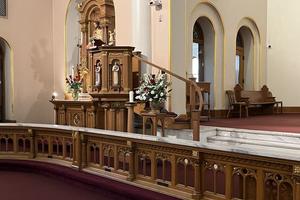
A growing number of Catholic parishes in the U.S. are restoring altar rails, renewing reverence and transforming the faithful’s experience of the Holy Eucharist.
Priests and parishioners explain the value of kneeling when receiving Communion.

Subscriber Service CenterAlready a subscriber? Renew or manage your subscription or gift subscription.
My AccountSubscribe and SAVE at just $1.25 per issue!Start your Register subscription today.
Subscribe NowGive a Gift SubscriptionBless friends, family or clergy with a gift of the Register.
Order NowOrder Bulk SubscriptionsGet a discount on 6 or more copies sent to your parish, organization or school.
Order NowSign-up for E-NewsletterGet Register Updates sent daily or weeklyto your inbox.
Sign Up