The ‘Bee Nun’ of Lebanon: Hidden Vocation of Sister Lea and Her 200 Million Bees
'My apiary is my outdoor chapel; every hive is a little sanctuary buzzing with grace.'
Rooted in ancient Syriac prayer and forged through suffering, the Maronite Church continues to serve as a living bridge between East and West.
High in the mountains of Lebanon, where stone monasteries cling to hillsides and ancient prayers still echo in Syriac chant, Maronite Christianity continues to live as a quiet and powerful witness within the Catholic Church, even in these days of war and uncertainty. Deeply Eastern in spirituality, the Maronite Church is fully united with Rome, and the tradition carries a spirituality shaped by silence, endurance and fidelity.
At its heart stands Maronite saints — like St. Charbel Makhlouf, who was ordained a priest in 1859 and eventually lived as a hermit devoted to the Holy Eucharist; St. Nimutallah, a monk who died in 1858; and St. Rafqa, whose life was characterized by intense suffering and devotion and who was known as the “Flower of Lebanon” before her death in 1914; as well as Blessed Estephan Nehme, who died in 1938 and was known for his outreach to those in need, including during World War I — whose lives of prayer and sacrifice continue to draw people toward God.
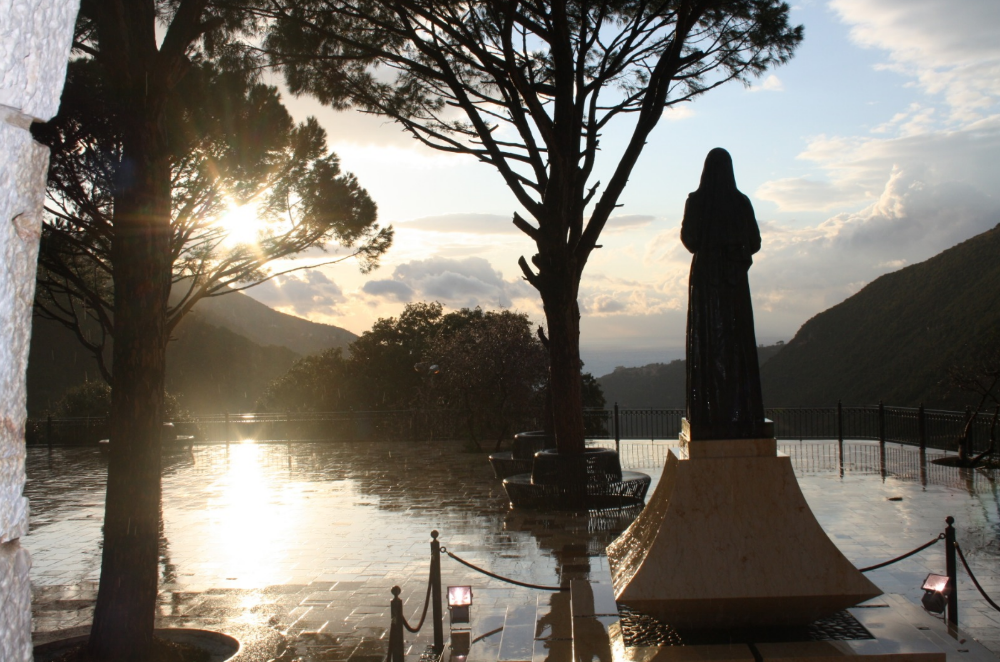
That same spirit lives today in religious women like Sister Lea Lahoud, whose vocation reflects the enduring soul of the Maronite Church.
For Sister Lea, the call to religious life was never sudden or dramatic. It was something planted early and tended patiently.
“Since childhood, I felt this deep pull toward becoming a nun, like a quiet flame that never went out,” she recalled to the Register.
Raised in a home centered on prayer and daily Mass, religious life was not foreign to her imagination. Still, she admits she waited for certainty.
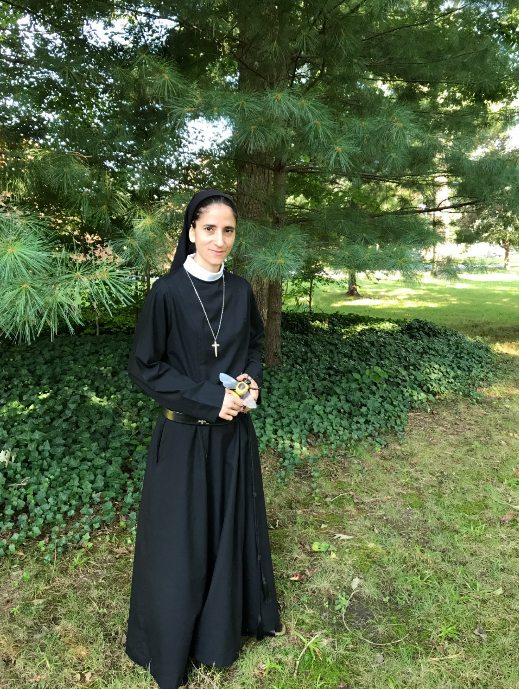
“I kept waiting for a big, obvious sign from God … preferably with flashing lights and a divine poke on the shoulder.”
That sign never came. Instead, the call deepened through difficulty, misunderstanding and silence.
“His voice came softly, through struggles, silence and a peace that wouldn’t let go, even when no one else agreed with me,” she recounted. “And somehow, that quiet was louder than any thunder.”
Today, Sister Lea’s vocation unfolds in the ordinary rhythm of monastic life, though “ordinary” is hardly the right word. As treasurer at St. Joseph Monastery-Tomb of St. Rafqa, no two days look the same.
“I’m up by 5-ish for contemplation and Mass at 6:30,” she explained. “If the phone hasn’t started ringing yet — a miracle — I sneak in a quick breakfast.”
What follows is a whirlwind of responsibility: managing accounts, overseeing land and utilities, tending animals, hauling supplies, and solving problems as they arise.
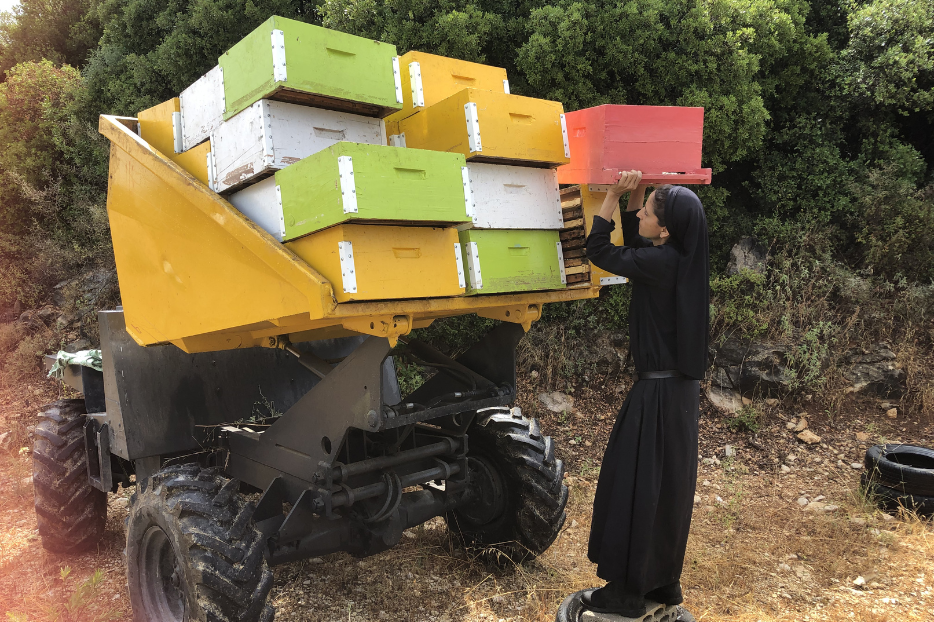
“Somewhere between maintenance and accounting, I pray the midday prayer and grab lunch … then it’s round two of the divine to-do list.”
Prayer anchors the busyness. Evening prayer and supper close the communal day, followed by quiet personal prayer.
“By then, my energy is somewhere between ‘zero’ and ‘Lord, take the wheel,’” she said with a laugh. “And then … I sleep like a blessed rock.”
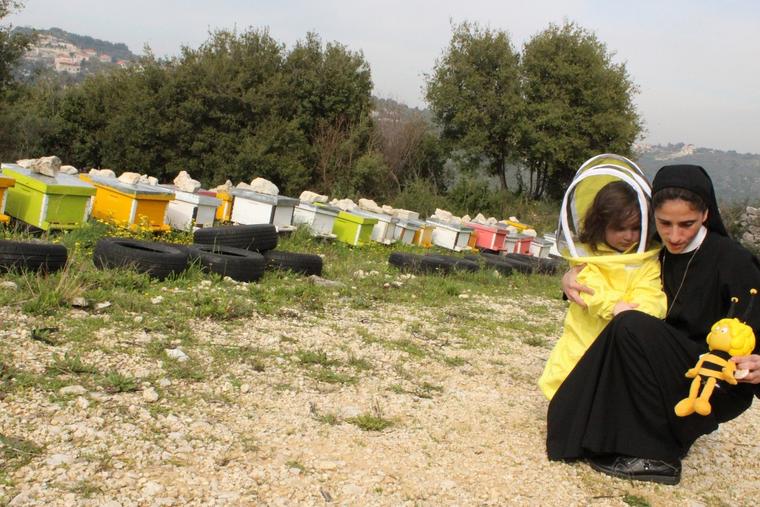
Among her many duties, one stands out as uniquely contemplative: beekeeping. For Sister Lea, the apiary has become a place of deep encounter with God.
“My apiary is my outdoor chapel; every hive is a little sanctuary buzzing with grace,” she explained. Each hive is named after someone she holds in prayer. “Some are in heaven; others are dear friends, doctors, or souls who’ve shaped my journey. As I tend the bees, I lift each of them in prayer.”
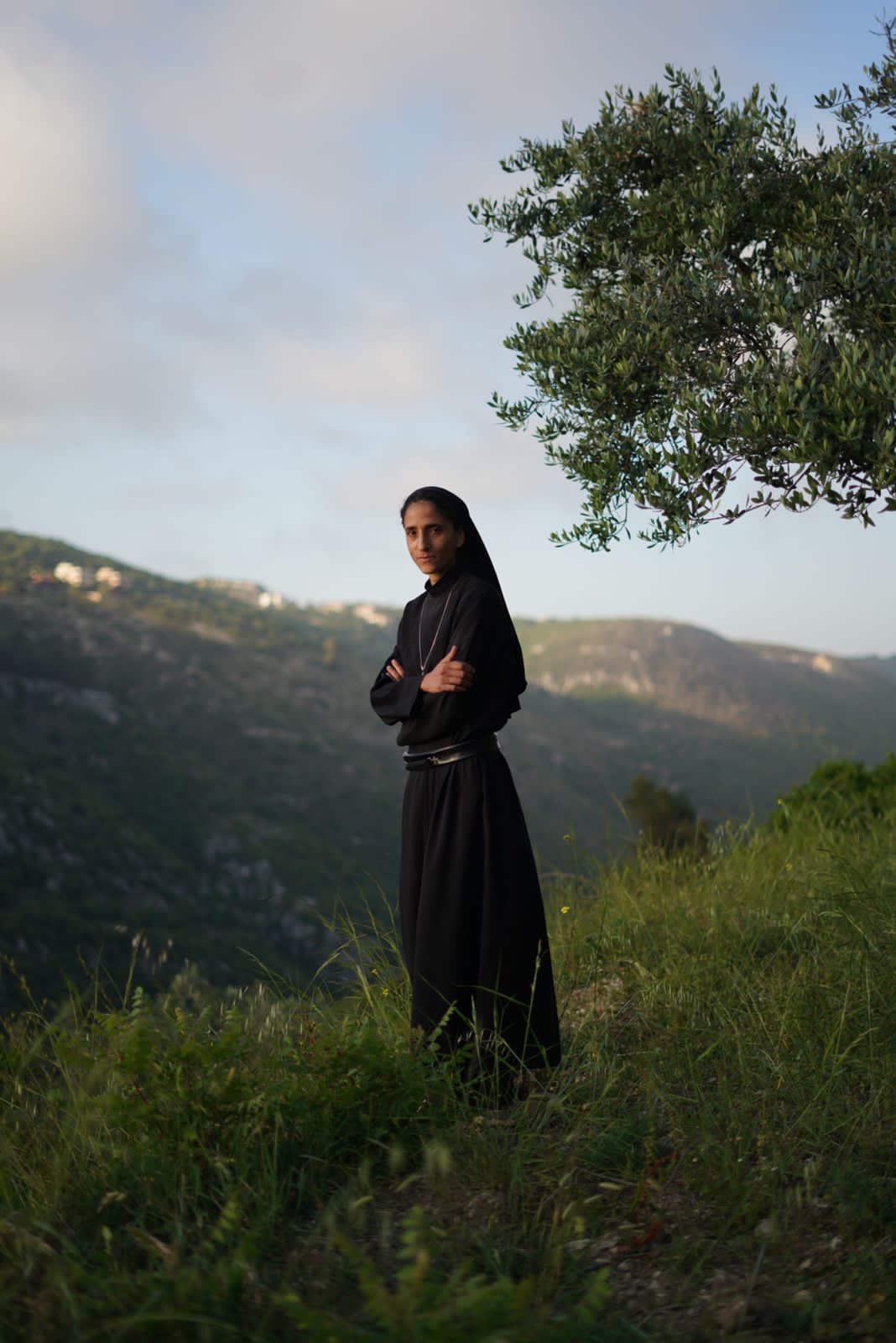
The bees themselves have become teachers.
“Their peaceful, purposeful life is a holy mystery; so much order, cooperation and beauty in such tiny creatures,” she said. “It often reminds me of monastic life: The hive is like our monastery, the queen is their superior, and the workers, well, that’s us nuns, always joyfully busy.”
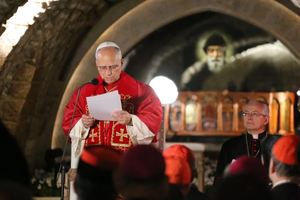
This unity of prayer and labor lies at the core of Maronite spirituality. Emerging from the tradition of St. Maron in the fourth century, the Maronite Church grew from hermits and monks who sought God in solitude and sacrifice. Despite centuries of persecution and isolation, the Church maintained its Syriac liturgical heritage while remaining in full communion with the pope in Rome.
The Maronite Divine Liturgy reflects this ancient soul. Sung rather than spoken, steeped in Scripture and poetic imagery, it draws worshippers into the mystery of heaven through chant, silence and symbol. Music is not just decoration but leads to formation, shaping the heart through repetition and reverence.
At the center of Maronite devotion stands St. Charbel, whose life of obedience, solitude and penance continues to bear fruit through countless miracles worldwide. His witness affirms a central Maronite truth: Holiness is forged in hidden fidelity.
Alongside him, St. Rafqa offers a powerful testimony for modern souls, showing how suffering, united to Christ, becomes a path to transformation and holiness rather than despair.
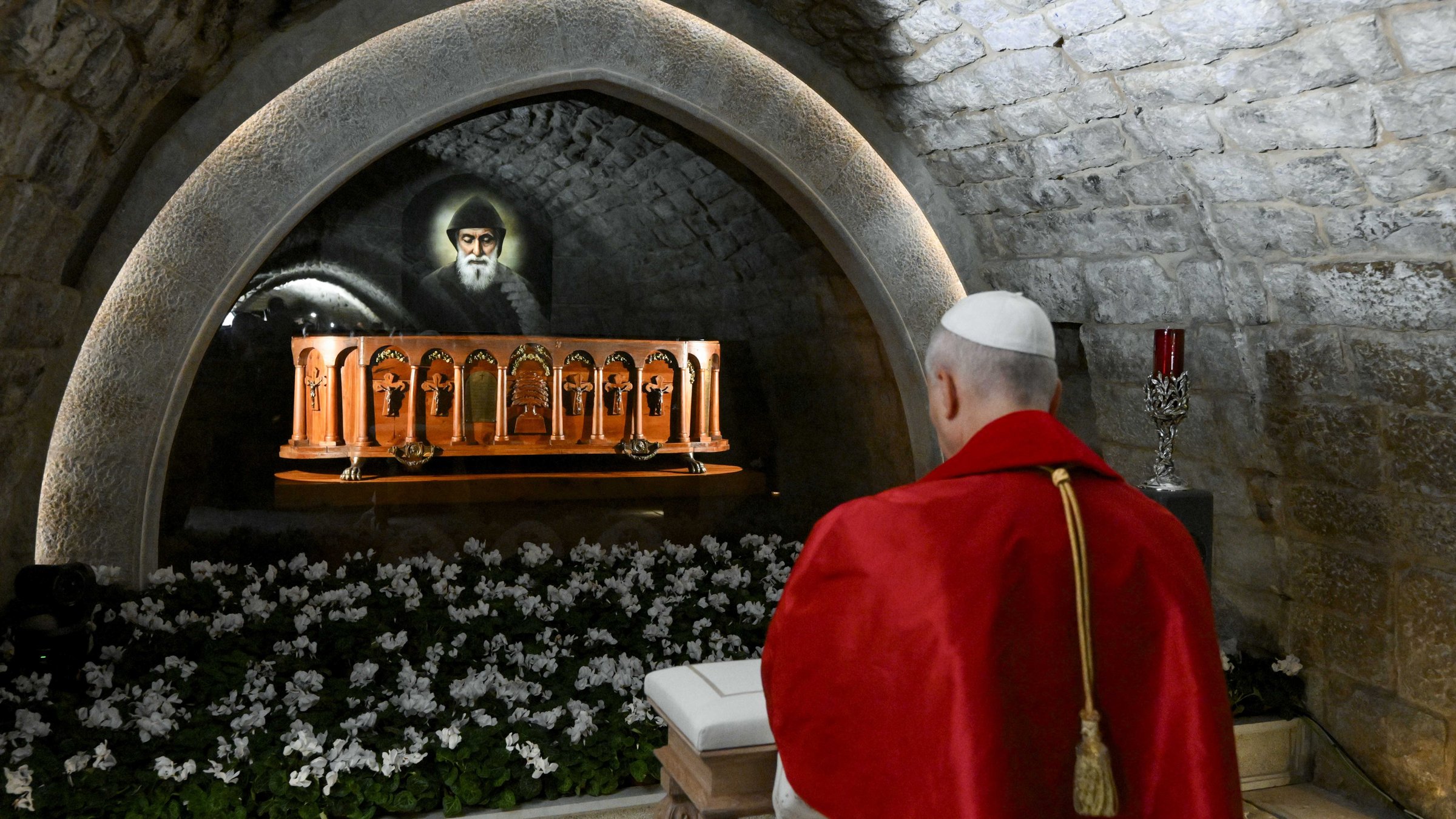
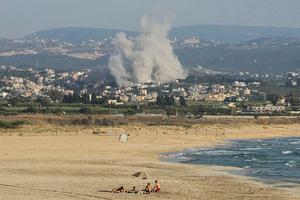
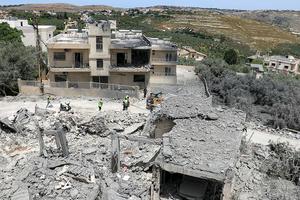
Today, the Maronite Church carries this inheritance amid the hardships of modern Lebanon.
Economic collapse, political instability and the lingering wounds of war have tested Christian communities deeply. Sister Lea has lived through these trials firsthand. Yet she insists the Church remains alive. Faith has not vanished; it has been purified.
For Western Catholics, the Maronite tradition offers a gentle challenge and a profound gift: a return to silence, fasting, beauty, and an integrated life of prayer and work.
As the Church seeks deeper unity between East and West, the Maronite Church stands as a living bridge, reminding the world that unity does not require sameness, only faithfulness.
In monasteries tucked into Lebanon’s mountains, far from the spotlight, the fire still burns.
Through lives like Sister Lea’s, hidden, joyful and surrendered, the legacy of St. Rafqa and the Maronite saints continues to shine, quietly shaping the Church from the inside out.