Those Inclusive Episcopalians
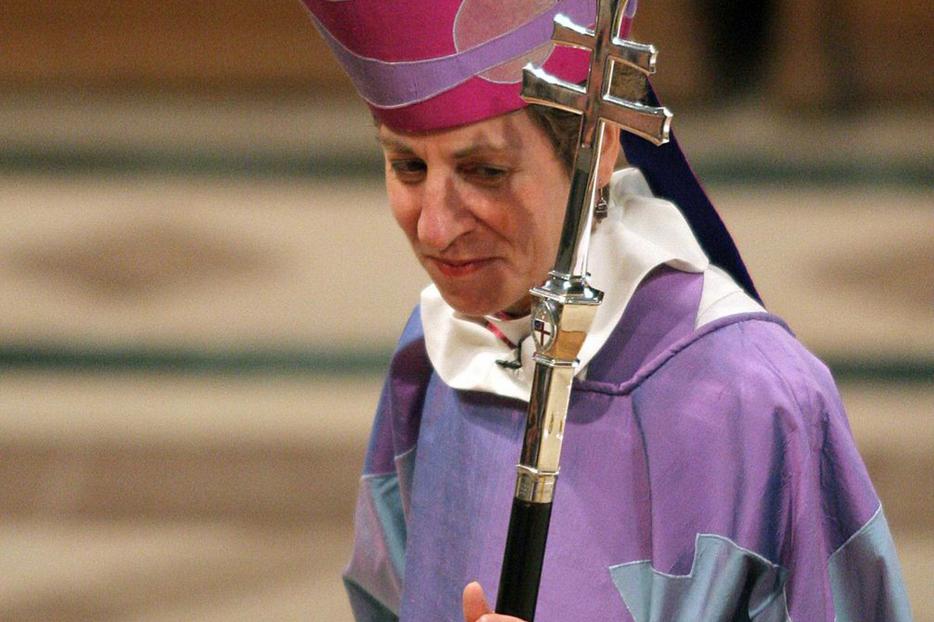
George F. Will says the Episcopal Church has come up with a singularly unsuccessful growth strategy.
Writes Will, “The Episcopal Church once was America’s upper crust at prayer. Today it is ‘progressive’ politics cloaked — very thinly — in piety. Episcopalians’ discontents tell a cautionary tale for political as well as religious associations. As the church’s doctrines have become more elastic, the church has contracted. It celebrates an ‘inclusiveness’ that includes fewer and fewer members.”
Will’s Oct. 19 column in the Washington Post, entitled “A Faith’s Dwindling Following,” discusses the Episcopalians’ bent for accepting positions that are so theologically accommodating as to be scarcely recognizable as Christian. Not only that, but this approach is driving those who are more committed to Christian tradition right out of the Episcopalian fold.
Specifically, the column examines the factors that provoked Bishop Robert Duncan into leading his Pittsburgh diocese out of the Episcopal Church last month and aligning it with more orthodox Anglican bishops in the developing world.
Will casts Bishop Duncan as a modern-day Luther who concluded he could not do otherwise than depart from a church that ordained an openly homosexual bishop in 2003 and that welcomes a wide range of dissent from other basic Christian teachings.
“It is not the secessionists such as Duncan who are, as critics charge, obsessed with homosexuality,” Will comments. “The Episcopal Church’s leadership is latitudinarian — tolerant to the point of incoherence, Duncan and kindred spirits think — about clergy who deviate from traditional church teachings concerning such core doctrines as the divinity of Christ, the authority of Scripture and the path to salvation. But the national church insists on the ordination of openly gay clergy and on blessing same-sex unions.”
Will notes the nature of Protestantism virtually guarantees continuing schisms given a church that’s as divided doctrinally as the diminishing flock of Episcopalians.
“Because Protestantism has no structure of authority comparable to the Vatican and because it does not merely tolerate but enjoins individual judgments by ‘the priesthood of all believers’ concerning beliefs and obligations, all Protestants are potential Luthers,” Will says. “Hence it is evidence of spiritual vigor that Episcopalians in Quincy, Ill., and Fort Worth will vote on disassociation from the U.S. communion on Nov. 7 and Nov. 14, respectively.”
— Tom McFeely