Big Wins for Marriage
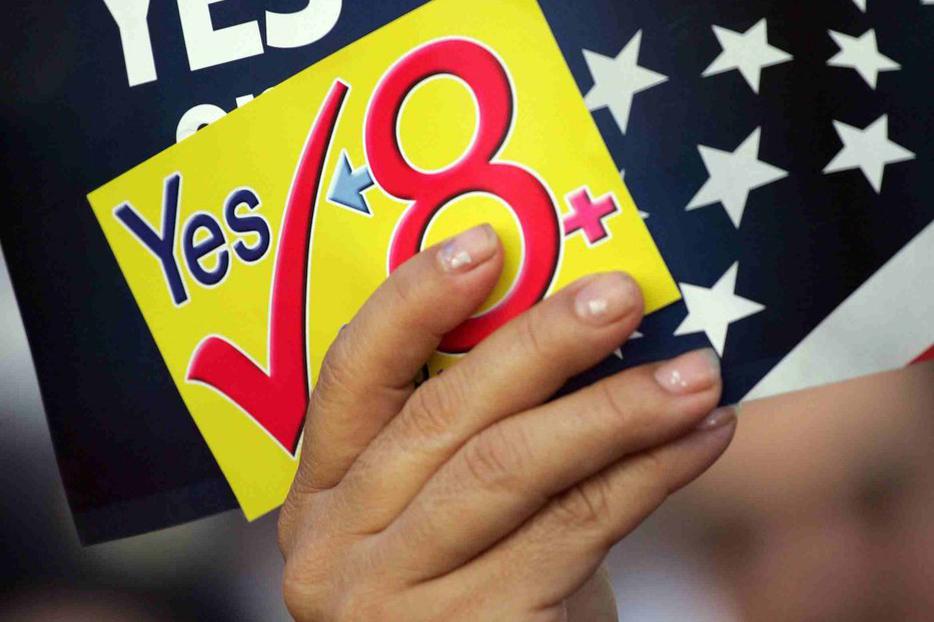
California voters are poised to approve Proposition 8, amending their state constitution to define marriage as a one-man, one-woman institution.
Returns compiled as of 5 a.m. today California time showed the Yes side leading 52%-48%, with 91% of precincts supporting.
Voters in two other states, Arizona and Florida, approved ballot measures to amend their state constitutions in the same way. The three victories bring the number of states to 30 that have amended their constitutions to preserve the traditional definition of marriage.
But it’s the Golden State vote that will serve as the national bellwether on the issue. That’s because California is both the most populous state in the union, and also is now about to become the first state where voters have democratically overturned a court decision that legalized same-sex “marriage.”
Massachusetts and Connecticut are now the only two states where homosexual “marriage” is legal. In both states this is a consequence of decisions by state courts, not a result of the will of the voters.
The Knights of Columbus played a key role in the success of Proposition 8 by funding the Yes side and urging its California members and other Catholics to support it. California’s Catholic bishops also supported the ballot measure.
And Proposition 8 looks to have benefited from the strong national turnout of African-American voters. CNN’s exit poll found that black women voted 74%-26% in favor of traditional marriage.
The Los Angeles Times reported that while most of the state’s political leaders and major media outlets opposed Proposition 8, the Yes side appears to have won out due to an enormous grassroots groundswell in support of the traditional definition of marriage.
“We thought it would go this way,” Proposition 8 co-chairman Frank Schubert told the Times. “We had 100,000 people on the streets today. We had people in every precinct, if not knocking on doors, then phoning voters in every precinct. We canvassed the entire state of California, one on one, asking people face to face how do they feel about this issue.”
Added Schubert, “And this is the kind of issue people are very personal and private about, and they don’t like talking to pollsters, they don’t like talking to the media, but we had a pretty good idea how they felt and that’s being reflected in the vote count.”
— Tom McFeely